
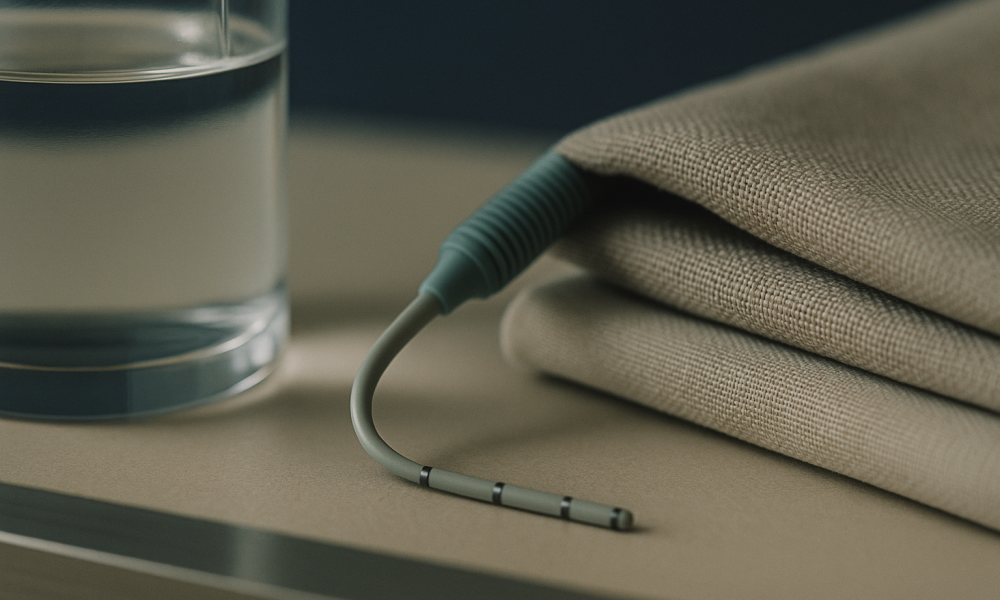
What Cardiac Ablation Abroad is and who it is for
Cardiac ablation is a medical procedure that aims to correct heart rhythm problems, known as arrhythmias. It involves using catheters to deliver energy to the heart tissue, creating scars to block abnormal electrical signals. This procedure is particularly beneficial for those suffering from atrial fibrillation, supraventricular tachycardia, and other types of arrhythmias that do not respond well to medication.
When considering cardiac ablation abroad, Turkey stands out as a popular destination due to its advanced healthcare infrastructure and experienced medical professionals. The country’s hospitals are often equipped with state-of-the-art technology and adhere to international standards of care, making it an appealing choice for international patients.
The procedure typically lasts between 2 to 4 hours and is performed under general anaesthesia. Most patients can expect a hospital stay of about 1 to 2 days, after which they can return to their accommodation for further recovery. The recovery process varies, but many individuals find themselves back to work within 1 to 2 weeks, with full recovery taking up to 3 months. The results of the procedure can be immediate, though it may take up to 3 months for the full benefits to manifest.
Indicative costs for cardiac ablation in Turkey range from €3,000 to €6,000, which is often more affordable compared to similar procedures in Western Europe. This cost typically covers the procedure itself, hospital fees, and a portion of the post-operative care, though patients should confirm the exact inclusions with their chosen healthcare provider.
Patients should be aware that while cardiac ablation has a high success rate in treating arrhythmias, it is not without risks. Potential complications include bleeding, infection, and damage to the heart or blood vessels. It is crucial to have a thorough discussion with a qualified cardiologist to understand the risks and benefits, as well as to determine if this procedure is suitable for your specific condition.
Are you a good candidate?
Determining if you are a suitable candidate for cardiac ablation involves several factors. This procedure is generally recommended for individuals who have been diagnosed with specific types of arrhythmias, particularly when they have not responded to medication or other forms of treatment. Here is a checklist to help you assess your candidacy:
- You have been diagnosed with atrial fibrillation or another type of arrhythmia.
- Medications have failed to control your heart rhythm effectively.
- Your doctor has recommended ablation as a potential treatment option.
- You are experiencing significant symptoms that impact your quality of life, such as palpitations, dizziness, or shortness of breath.
- You are in overall good health and can tolerate general anaesthesia and a surgical procedure.
- You have realistic expectations about the outcomes and understand the potential risks involved.
- You are willing to travel to Turkey and stay for the duration required for treatment and initial recovery.
It is important to have a comprehensive evaluation by a cardiologist, who will review your medical history, perform necessary diagnostic tests, and discuss your treatment options. This evaluation often includes an electrocardiogram (ECG), echocardiogram, and possibly a Holter monitor to track your heart’s activity over a period. These tests will help your doctor determine the nature and severity of your arrhythmia and whether ablation is the most appropriate intervention.
Furthermore, consider any logistical aspects of travelling for treatment, such as the availability of support during your stay in Turkey and the arrangements for follow-up care once you return home. It may be beneficial to engage with a medical tourism facilitator who can assist with these details and provide additional support throughout your treatment journey.
Ultimately, deciding to undergo cardiac ablation is a personal decision that should be made in consultation with your healthcare provider, considering all medical and personal factors to ensure the best possible outcome.
3. The procedure, step by step
Cardiac ablation is a procedure designed to correct heart rhythm problems (arrhythmias). In Turkey, this procedure is performed by highly skilled cardiologists using advanced technology. Here is a step-by-step guide to what you can expect during the procedure:
- Pre-procedural Preparation: On the day of the procedure, you will arrive at the hospital where you will be greeted by the medical team. You will be required to fast for at least 6 to 8 hours beforehand. The team will review your medical history and conduct a final assessment. You will be asked to sign a consent form and change into a hospital gown.
- Initial Monitoring and Anaesthesia: You will be taken to the electrophysiology lab, where you will lie on a treatment table. Electrodes will be attached to your chest to monitor your heart. The anaesthesiologist will administer a sedative to help you relax, though you will remain awake. In some cases, general anaesthesia may be used.
- Catheter Insertion: The cardiologist will clean and numb the area, usually in the groin, where a small incision will be made. A thin, flexible tube called a catheter is then inserted into a blood vessel and guided to your heart using imaging techniques such as fluoroscopy.
- Mapping the Heart: Once the catheter reaches the heart, the specialist will map the electrical signals to identify the abnormal area causing the arrhythmia. This process is crucial for determining the precise location for the ablation.
- Ablation Process: Depending on the type of arrhythmia, the cardiologist will use either radiofrequency energy (heat) or cryoablation (cold) to create small scars in the heart tissue. These scars block the abnormal electrical signals that cause the arrhythmia.
- Testing and Evaluation: After the ablation, the cardiologist may perform additional tests to ensure the arrhythmia has been corrected. This may include stimulating the heart to see if the abnormal rhythm returns.
- Catheter Removal and Closing the Incision: Once the procedure is complete, the catheter is carefully removed. Pressure is applied to the incision site to prevent bleeding, and a bandage is placed over the area.
- Post-procedural Monitoring: You will be moved to a recovery area where your heart rhythm and vital signs will be closely monitored. This observation period may last several hours to ensure there are no immediate complications.
Overall, the procedure typically takes between 2 to 4 hours, although this can vary depending on the complexity of the arrhythmia being treated. Patients are usually discharged the same day or the following day, depending on their individual recovery and the doctor’s advice.
4. Recovery timeline
Recovery from cardiac ablation varies for each individual, but the general timeline can be outlined as follows:
| Period | What to Expect | Care Notes |
|---|---|---|
| Day 1 | Immediately after the procedure, you may feel groggy due to the sedation. Mild discomfort or bruising at the catheter site is common. Heart rhythm may feel irregular as it adjusts. | Rest in the hospital for a few hours. Drink fluids to help flush out the sedation. Follow any specific instructions given by the medical team regarding movement and care of the incision site. |
| Days 2-3 | You may experience fatigue and slight chest discomfort. It’s normal to feel palpitations as the heart stabilises. | Engage in light activities but avoid strenuous exercise. Keep the incision site clean and dry. Monitor for signs of infection such as redness or swelling. |
| Week 1 | Energy levels should gradually improve. Many patients can return to work, depending on the nature of their job. | Continue with light activities. You may be advised to avoid heavy lifting or vigorous activities. Follow up with your cardiologist as scheduled. |
| Weeks 2-4 | Most symptoms should diminish. The heart rhythm should become more regular. Any discomfort should significantly decrease. | Gradually increase activity levels as tolerated. Ensure regular follow-up appointments to monitor progress and adjust medications if necessary. |
| Full Recovery (1-3 months) | Full recovery is typically achieved within 1 to 3 months. The heart should have settled into a stable rhythm. | Maintain a healthy lifestyle to support heart health. Continue regular check-ups to ensure long-term success of the procedure. |
It is important to adhere to your doctor’s advice throughout the recovery process. The timeline provided is indicative and can vary based on individual health conditions and the type of ablation performed. Regular follow-up appointments are crucial to monitor your heart’s progress and address any concerns promptly.
5. What it costs: Turkey vs Europe
When considering cardiac ablation abroad, understanding the cost differences between Turkey and Europe is crucial for making an informed decision. The cost of cardiac ablation in Turkey is often more affordable when compared to many European countries, thanks to lower living costs and operational expenses. However, prices can vary depending on the specific clinic, the complexity of the procedure, and the package inclusions.
Below is a comparative table illustrating indicative price ranges for cardiac ablation in Turkey versus Europe. These figures are typical estimates and should be used as a guideline rather than exact prices.
| Region | Indicative Price Range (GBP) | Typical Package Inclusions |
|---|---|---|
| Turkey | £3,000 – £6,000 |
|
| Europe (UK, Germany, France) | £8,000 – £15,000 |
|
It is important to note that while the Turkish healthcare system offers competitive prices, this does not imply a compromise on quality. Many Turkish clinics are accredited by international bodies, ensuring high standards of care. When evaluating costs, also consider additional expenses such as travel, accommodation, and any potential follow-up visits.
Prospective patients should engage directly with clinics to obtain comprehensive quotes that reflect their specific needs. Transparency in pricing and the availability of flexible payment plans are often advantageous features of Turkish healthcare providers, making it easier for international patients to manage costs effectively.
6. Risks and how accredited providers manage them
Undergoing cardiac ablation, like any medical procedure, involves certain risks. It is crucial for prospective patients to be aware of these risks and understand how accredited providers in Turkey manage them to ensure patient safety and successful outcomes.
The primary risks associated with cardiac ablation include bleeding, infection, damage to blood vessels, and, in rare cases, complications such as stroke or heart attack. There is also a possibility of arrhythmia recurrence, necessitating further treatment. Accredited providers in Turkey employ rigorous protocols to minimise these risks.
Accredited Turkish healthcare facilities adhere to international standards of care and are often accredited by organisations such as the Joint Commission International (JCI). This accreditation ensures that clinics maintain high levels of hygiene, employ qualified medical staff, and have protocols in place for emergency situations.
Risk management strategies in these facilities include:
- Pre-operative Assessment: Comprehensive evaluations are conducted to assess the patient’s overall health and suitability for the procedure. This includes detailed medical history reviews and diagnostic tests such as ECG, blood tests, and imaging studies.
- Experienced Medical Teams: Accredited clinics employ cardiologists and electrophysiologists with extensive experience in performing cardiac ablations. Their expertise is crucial in both the execution of the procedure and the management of any complications.
- Advanced Technology: Utilisation of modern, state-of-the-art equipment helps in precision targeting during the ablation, thereby reducing the risk of damage to surrounding tissues.
- Post-operative Care: Patients are closely monitored in the immediate aftermath of the procedure. This includes regular checks of vital signs and heart rhythm to quickly identify and address any complications.
- Infection Control: Strict infection control protocols are in place, including the use of sterile environments and equipment. This is crucial in preventing post-operative infections.
- Patient Education: Patients are provided with detailed information on post-procedure care, including medication management, lifestyle adjustments, and signs of potential complications to watch for.
Ultimately, while risks cannot be entirely eliminated, the combination of experienced practitioners, advanced technology, and strict adherence to international standards greatly enhances the safety and effectiveness of cardiac ablation procedures in Turkey. Patients are encouraged to discuss potential risks and management strategies with their healthcare provider to fully understand how their care will be handled.
How to choose the right provider
Choosing the right provider for cardiac ablation in Turkey requires careful consideration of several factors, including accreditation, surgeon experience, aftercare, and potential red flags. First and foremost, ensure that the hospital or clinic is accredited by internationally recognised bodies such as the Joint Commission International (JCI) or the European Society for Quality in Healthcare (ESQH). These accreditations indicate adherence to high standards of patient safety and care.
Surgeon experience is another critical factor. Look for a cardiac specialist who has extensive experience specifically in ablation procedures. Ideally, the surgeon should have performed a significant number of procedures annually, as this is often correlated with better outcomes. You can request information about their specific training, years of experience, and success rates, bearing in mind that no specific outcome can be guaranteed.
Aftercare is an essential component of your treatment journey. Ensure the facility offers comprehensive postoperative care, including regular follow-up consultations and access to a multidisciplinary team. The presence of English-speaking staff can facilitate communication and ease any language barriers. It is also beneficial if the facility provides telemedicine options for ongoing support after you return home.
Be vigilant for red flags that may indicate substandard care. Avoid clinics that make unrealistic promises or guarantee specific outcomes, as these are often misleading. Transparency in pricing and treatment plans is crucial; a reputable provider will offer a clear breakdown of costs and what is included, such as hospital stay, surgeon fees, and postoperative care. Check for any hidden costs, such as additional charges for medications or extended hospital stays.
Additionally, research patient reviews and testimonials, but approach them critically. While positive reviews can offer insights into patient satisfaction, overly glowing or consistently negative reviews should be scrutinised carefully. Engaging with online forums or patient advocacy groups can also provide valuable information and personal experiences from other international patients.
Planning your trip
When planning your trip for cardiac ablation in Turkey, a well-thought-out timeline and preparation can ensure a smoother experience. Begin by consulting with your local healthcare provider to determine your fitness for travel and to obtain any necessary medical records. This consultation should occur at least 8-12 weeks prior to your planned procedure date.
Documentation is a crucial aspect of your preparation. Ensure you have all necessary medical records, including recent ECGs, echocardiograms, and any other relevant test results. Additionally, obtain a valid passport, and check if you need a visa to enter Turkey. Many European citizens can enter Turkey visa-free or with an e-Visa, but it’s important to verify this based on your nationality.
Plan for a stay of approximately 10-14 days to allow for pre-operative assessments, the procedure itself, and initial recovery. This timeline can vary depending on individual health conditions and the specific recommendations of your healthcare provider. Post-procedure, you may need to stay in the hospital for 1-3 days, followed by a few days of rest before travelling back home.
Consider accommodation options that are close to the clinic or hospital to minimise travel stress. Many medical facilities in Turkey offer packages that include accommodation and transportation, which can simplify logistics. Ensure your accommodation is comfortable and equipped to cater to any post-procedure needs, such as easy access to medical facilities or pharmacies.
Follow-up care is vital after returning home. Arrange for a follow-up appointment with your local healthcare provider to monitor your recovery. Ensure that your Turkish provider supplies a detailed medical report and recommendations for ongoing care. Some clinics offer telemedicine consultations to facilitate continued care, which can be particularly beneficial for addressing any concerns that may arise once you are back home.
Frequently Asked Questions
What is the typical cost range for cardiac ablation in Turkey?
The cost of cardiac ablation in Turkey can vary depending on the facility and specific needs of the patient. Typically, you can expect to pay between €3,500 and €7,000. This range is indicative and may include hospital fees, surgeon's fees, and some aftercare services. It's essential to get a detailed quote from your chosen provider to understand what is included.
Are there any risks associated with cardiac ablation?
Like any medical procedure, cardiac ablation comes with potential risks. These may include bleeding, infection, or damage to the heart or blood vessels. However, serious complications are rare. Discussing these risks with your healthcare provider can help you understand them in the context of your health status and the experience of your surgical team.
How do I verify a clinic's accreditation?
You can verify a clinic's accreditation by checking with recognised accrediting bodies such as the Joint Commission International (JCI) or the European Society for Quality in Healthcare (ESQH). These organisations often have online databases where you can look up accredited facilities. Always confirm directly with the clinic if you have any doubts.
What should I pack for my medical trip to Turkey?
Pack comfortable clothing, personal hygiene items, and any medications you regularly take. Bring copies of your medical records, including recent test results. You may also want to include a small pillow or blanket for comfort during travel and recovery. Don't forget your passport, visa (if required), and any travel insurance documents.
How long will I need to stay in Turkey after the procedure?
After cardiac ablation, you should plan for a stay of approximately 10-14 days. This allows time for pre-operative assessments, the procedure, and initial recovery. The exact duration may vary based on your health and the advice of your healthcare provider. Ensure you have accommodation arrangements that support your recovery.
Can I get follow-up care in my home country?
Yes, follow-up care in your home country is essential after returning from Turkey. Arrange for a follow-up appointment with your local healthcare provider to monitor your recovery. Ensure that your Turkish provider supplies a detailed medical report and recommendations for ongoing care.
Will there be language barriers during my treatment?
Many medical facilities in Turkey have English-speaking staff to assist international patients. However, it's a good idea to confirm this with your chosen provider. Some clinics offer translation services if needed, which can help ensure clear communication during your treatment and recovery.
What documents do I need to bring for the procedure?
You should bring all relevant medical records, including recent ECGs, echocardiograms, and any other test results. Also, ensure you have your passport, and check if a visa is required for your stay in Turkey. Having travel insurance documentation is also advisable in case of any unexpected events.
How can I ensure the quality of aftercare?
Ensure the facility offers comprehensive aftercare services, including regular follow-up consultations and access to a multidisciplinary team. Check if they provide telemedicine options for ongoing support once you return home. Discuss the aftercare plan in detail with your provider before your procedure.
What are the signs of a reputable cardiac ablation provider?
A reputable provider will have international accreditation, experienced surgeons, clear pricing structures, and comprehensive aftercare services. They will not make unrealistic promises about outcomes and will be transparent about the risks involved. Additionally, patient reviews and testimonials can provide insights into their reputation.
Are there any hidden costs I should be aware of?
Reputable providers will offer a clear breakdown of costs, but it's essential to confirm what is included in the quoted price. Ask about potential additional charges for medications, extended hospital stays, or unforeseen complications. Transparency in pricing is a hallmark of a trustworthy provider.
Is it safe to travel to Turkey for medical treatment?
Turkey is a popular destination for medical tourism due to its high-quality healthcare facilities and experienced professionals. While the country generally offers safe environments for medical travel, it's advisable to stay informed about local conditions and travel advisories. Ensure you have travel insurance to cover any unforeseen circumstances.