
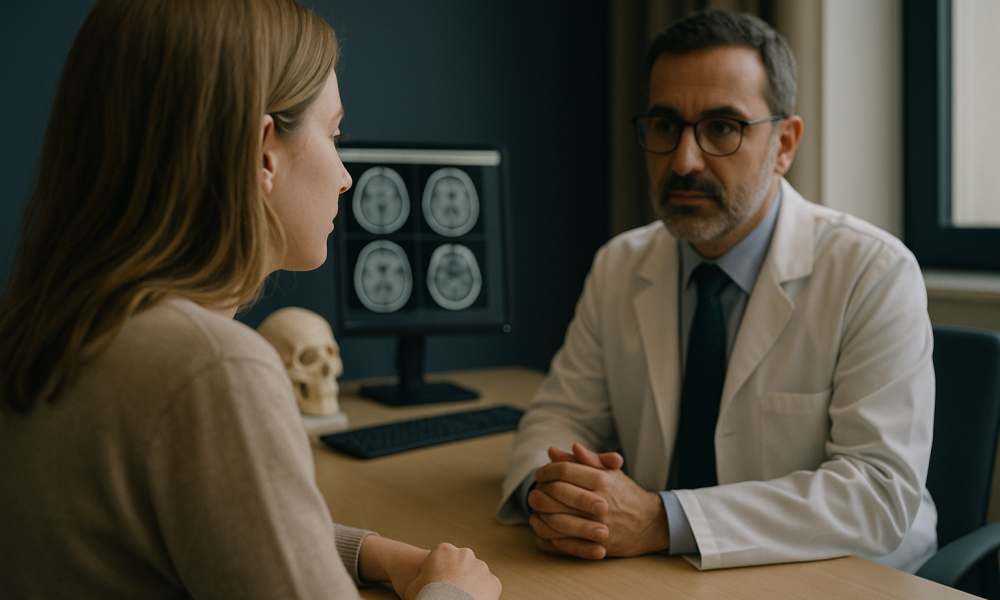
What Brain Tumor Surgery Second Opinion is and who it is for
Seeking a second opinion for brain tumour surgery is a critical step for many patients facing this daunting diagnosis. A second opinion involves consulting with another specialist to confirm the diagnosis, explore alternative treatment options, or gain more information about the recommended surgery. This is particularly important in complex cases where the initial treatment plan may involve significant risks or where the diagnosis is uncertain. In Turkey, medical tourism for second opinions is increasingly accessible, offering patients a chance to benefit from the expertise of highly qualified neurosurgeons and state-of-the-art medical facilities.
Turkey has become a preferred destination for medical tourists due to its advanced healthcare infrastructure, competitive pricing, and high standards of medical care. The country hosts a variety of internationally accredited hospitals equipped with cutting-edge technology for precise diagnostic evaluations. For patients from Australia, the appeal lies not only in the cost savings but also in the opportunity to receive care from specialists who have trained in some of the world’s leading institutions. Moreover, language barriers are minimal as many healthcare providers in Turkey are proficient in English, ensuring clear communication throughout the consultation process.
Patients typically seek a second opinion in Turkey when they wish to confirm their diagnosis or when they feel uncertain about the proposed surgical procedure. This can include reviewing the type and grade of the tumour, assessing the feasibility of surgery, and understanding potential outcomes and risks. The second opinion can also provide reassurance or suggest alternative treatment strategies that may have been overlooked. This is particularly vital for malignant or aggressive tumours where every treatment decision carries significant implications for the patient’s quality of life and prognosis.
In Turkey, the process usually begins with a detailed review of the patient’s medical records, including imaging scans such as MRIs or CTs, pathology reports, and the initial treatment recommendations. The consulting neurosurgeon may also perform additional diagnostic tests to ensure a comprehensive understanding of the patient’s condition. This thorough evaluation helps in crafting a tailored treatment plan that considers all possible surgical and non-surgical options.
Are you a good candidate?
Determining whether you are a suitable candidate for seeking a second opinion on brain tumour surgery involves several factors. It is essential to approach this decision thoughtfully, as it can significantly impact your treatment journey and overall health outcomes. Here are some key criteria to consider:
- Uncertainty About Diagnosis: If there is any doubt about the type or grade of your tumour, a second opinion can provide clarity and confirm the diagnosis.
- Complex or Rare Tumours: Patients with unusual or particularly complex brain tumours may benefit from consulting specialists who have extensive experience in handling such cases.
- High-Risk Procedures: When the recommended surgery involves significant risks or potential complications, getting a second perspective can help in weighing the benefits against the risks more effectively.
- Exploring Alternative Treatments: If you are interested in exploring non-surgical options or advanced techniques not available in your home country, a second opinion may open up new possibilities.
- Desire for Reassurance: Even when confident in the initial diagnosis, some patients seek a second opinion for peace of mind, ensuring that they are making the most informed decision possible.
- Financial Considerations: Patients looking to compare costs and evaluate the financial implications of their treatment might find a second opinion beneficial, especially given Turkey’s competitive pricing.
Before proceeding, gather all relevant medical documentation, including imaging and pathology reports, and be prepared to discuss your medical history in detail. This will enable the consulting specialist to provide a thorough and informed assessment. Remember, the goal of a second opinion is not only to confirm your treatment plan but also to empower you with knowledge and confidence in your healthcare decisions.
The procedure, step by step
Undergoing brain tumour surgery is a complex process that requires meticulous planning and precision. In Turkey, surgeons are equipped with advanced technology and specialised skills to handle such intricate procedures. Here is a detailed step-by-step overview of what typically occurs during brain tumour surgery:
- Pre-operative Assessment: Before the surgery, a comprehensive evaluation is conducted. This includes advanced imaging techniques such as MRI or CT scans to determine the tumour’s exact size, location, and type. Patients may also undergo neurological examinations and consultations with anaesthesiologists to discuss anaesthesia options and risks.
- Anaesthesia: On the day of the surgery, patients are administered general anaesthesia to ensure they remain unconscious and pain-free throughout the procedure. The anaesthesiologist will closely monitor vital signs, adjusting medications as necessary.
- Positioning: The patient is then carefully positioned to allow optimal access to the tumour. This may involve securing the head in a specific orientation using a head frame or other devices to ensure stability during surgery.
- Craniotomy: The surgeon makes an incision in the scalp and removes a section of the skull, a procedure known as a craniotomy. The size and location of the bone flap depend on the tumour’s position.
- Tumour Removal: Using precision instruments and possibly intraoperative imaging systems, the surgeon carefully removes as much of the tumour as possible. Depending on the tumour’s nature, techniques such as microsurgery, laser ablation, or ultrasonic aspiration may be employed.
- Intraoperative Monitoring: Throughout the procedure, the surgical team employs neuro-monitoring techniques to minimise risks to critical brain functions. This involves tracking brain activity to prevent damage to areas responsible for movement, speech, and other vital functions.
- Closure: After the tumour is removed, the surgeon replaces the bone flap and stitches the scalp incision. The closure process ensures that the brain is protected and the risk of infection is minimised.
- Post-operative Evaluation: Once the surgery is complete, the patient is transferred to a recovery area for close monitoring. Immediate post-operative imaging may be performed to assess the success of the tumour removal and to check for any complications.
Each step in this process is critical to ensuring the best possible outcome and minimising potential risks. The surgical team in Turkey is committed to providing care that aligns with international standards, ensuring that each phase is executed with precision and care.
Recovery timeline
Recovery from brain tumour surgery is a gradual process that varies based on several factors, including the type of tumour, the extent of the surgery, and the individual patient’s overall health. Below is a typical recovery timeline, detailing what patients can expect and the care required during each phase:
| Period | What to expect | Care notes |
|---|---|---|
| Day 1-2 | Patients are monitored in the intensive care unit (ICU) to ensure stable vital signs. Initial symptoms may include headaches, nausea, or confusion. | Close observation by medical staff is crucial. Pain management is provided, and any signs of complications are addressed immediately. |
| Day 3-7 | Patients are usually transferred to a regular hospital room. Gradual improvement in symptoms is expected, with increased alertness and mobility. | Physical therapy may begin to aid recovery. Nutrition and hydration are carefully managed, and family visits are often encouraged. |
| Week 2-4 | Discharge from the hospital is common during this period, provided recovery is on track. Patients may still experience fatigue or mild cognitive changes. | Follow-up appointments are scheduled to monitor progress. Home care instructions are provided, including wound care and activity restrictions. |
| Month 1-3 | Patients typically see significant improvements in their daily activities. Some may return to work or normal routines, depending on recovery progress. | Continued physical therapy and possibly occupational therapy are recommended. Regular check-ups are essential to assess neurological function. |
| Month 4-6 | Full recovery is often reached within this period, although some patients may experience long-term effects depending on the tumour and surgery extent. | Ongoing medical evaluations ensure any late-onset symptoms are managed. Lifestyle adjustments may be necessary to support long-term health. |
This timeline serves as a general guide. Each patient’s recovery journey is unique, and adherence to medical guidance is crucial to facilitate healing and address any unexpected challenges.
What it costs: Turkey vs Australia
When considering brain tumour surgery, understanding the potential costs involved is crucial. The cost of surgery can vary significantly between countries, and Turkey is often highlighted as a more affordable option compared to Australia. However, it is important to note that the figures provided are indicative and can vary depending on the specific circumstances of each case, including the complexity of the surgery, the type of hospital, and the level of care required.
Below is a comparison table highlighting the typical price ranges for brain tumour surgery in Turkey and Australia, along with what these packages typically include:
| Country | Indicative Price Range (GBP) | Inclusions |
|---|---|---|
| Turkey | £15,000 – £25,000 |
|
| Australia | £40,000 – £60,000 |
|
As seen in the table, the cost of brain tumour surgery in Turkey can be significantly lower than in Australia. This difference is largely due to the lower cost of living and operational costs in Turkey. Additionally, many Turkish medical facilities offer comprehensive packages that include services such as transportation and assistance with accommodation, which may not be typically included in Australian packages.
It is vital for patients to conduct thorough research and consult with healthcare providers to understand the full scope of costs involved. While the initial surgery costs are a major consideration, patients should also factor in potential additional expenses such as extended hospital stays, rehabilitation, or any unforeseen complications. It is advisable to obtain detailed quotes from multiple providers to ensure a comprehensive understanding of potential costs.
Risks and how accredited providers manage them
Brain tumour surgery, like any major surgical procedure, carries certain risks. These risks can be associated with the surgery itself, the anaesthesia, or the recovery process. Common surgical risks include infection, bleeding, blood clots, and adverse reactions to anaesthesia. Specific to brain surgery, there may be risks of neurological damage, which could affect speech, coordination, or cognitive functions, depending on the tumour’s location.
Accredited medical providers in Turkey are well-equipped to manage these risks. They adhere to international standards and protocols to ensure patient safety and optimal outcomes. Here are some of the strategies employed by these providers:
- Pre-operative Evaluations: Comprehensive assessments are conducted to evaluate the patient’s overall health and the specifics of the brain tumour. This includes advanced imaging techniques like MRI and CT scans, which help in detailed surgical planning.
- Multidisciplinary Approach: Teams comprising neurosurgeons, oncologists, radiologists, and anaesthetists collaborate to devise the most effective treatment plan. This approach ensures all aspects of the patient’s health are considered, minimising potential risks.
- Advanced Surgical Techniques: Surgeons in Turkey are trained in state-of-the-art techniques such as minimally invasive surgery and intraoperative imaging, which help reduce surgical risks and enhance precision.
- Post-operative Care: After surgery, patients receive close monitoring in specialised intensive care units. This allows for early detection and management of any complications that may arise.
- Continuous Monitoring and Follow-up: Accredited providers offer structured follow-up care, which is crucial for monitoring recovery and managing any long-term effects of surgery. This includes regular neurological evaluations and imaging studies to track recovery progress.
While the risks associated with brain tumour surgery cannot be entirely eliminated, choosing an accredited provider in Turkey can help mitigate these risks significantly. Patients are advised to engage in open discussions with their healthcare team to understand the potential risks and the measures in place to manage them. Additionally, seeking a second opinion can provide further reassurance and clarity, enabling patients to make informed decisions about their treatment options.
How to Choose the Right Provider
Selecting the right provider for a brain tumour surgery second opinion in Turkey involves careful consideration of several factors. Accreditation is a pivotal aspect. Ensure the hospital is accredited by internationally recognised bodies such as the Joint Commission International (JCI), which signifies adherence to high standards of care and safety. Accreditation ensures that the facility meets rigorous healthcare quality criteria, which is especially important when dealing with complex procedures like brain tumour surgery.
Another critical factor is the surgeon’s experience. Look for neurosurgeons with extensive experience in treating brain tumours, particularly those similar to your condition. Research their qualifications, years of practice, and any specialisations in neuro-oncology. A surgeon who is a member of reputable professional organisations such as the European Association of Neurosurgical Societies (EANS) may indicate a commitment to continuous education and excellence.
Aftercare is an essential component of successful treatment. Inquire about the post-operative care plan, which should include detailed follow-up schedules, access to rehabilitation services, and communication channels with your healthcare team. A comprehensive aftercare programme will help in managing recovery and any complications that may arise.
Be aware of potential red flags. Avoid clinics that offer guarantees of outcomes or significantly lower prices without clear justification, as these may compromise the quality of care. Transparency in pricing and treatment plans is crucial. Ensure that all costs are discussed upfront and that there are no hidden fees.
Planning Your Trip
Planning your medical trip to Turkey for a brain tumour surgery second opinion involves several steps to ensure a smooth experience. Begin by establishing a timeline. Ideally, start your preparations at least 6-8 weeks before your intended travel date. This allows ample time to gather medical records, obtain necessary visas, and arrange logistics such as flights and accommodation.
Documentation is vital. Ensure you have all relevant medical records, including MRI or CT scans, pathology reports, and a summary of previous treatments. These documents should be translated into English or Turkish to facilitate communication with healthcare providers. Additionally, ensure your passport is valid for at least six months beyond your planned departure date from Turkey.
Consider the length of stay. While the consultation itself might only require a few days, if you choose to proceed with surgery, plan for a stay of at least 2-3 weeks. This accounts for pre-operative assessments, the procedure itself, and initial recovery. Discuss with your healthcare provider to understand the specific timeline based on your treatment plan.
Post-procedure, follow-up care is crucial. Establish a plan for follow-up appointments, whether they will be conducted in Turkey or remotely. Coordinate with your local healthcare provider in Australia to ensure continuity of care upon your return. Some patients might need physiotherapy or additional rehabilitation, which should be arranged before leaving Turkey.
Finally, consider travel insurance that covers medical treatment abroad, including any potential complications. This can provide peace of mind and financial protection during your trip.
Frequently Asked Questions
What is the typical cost range for a brain tumour surgery second opinion in Turkey?
The cost for a brain tumour surgery second opinion in Turkey can vary widely depending on the specific services included. Typically, you might expect to pay between £200 and £500 for a comprehensive consultation, which includes a review of medical records and imaging. It's important to confirm what is included in this fee upfront to avoid any unexpected expenses.
How can I verify the accreditation of a Turkish hospital?
You can verify a hospital's accreditation by checking if it is listed on the Joint Commission International (JCI) website, which maintains a directory of accredited institutions worldwide. Additionally, you can request documentation directly from the hospital, which should be able to provide evidence of their accreditation status along with details of their quality and safety standards.
What qualifications should I look for in a neurosurgeon?
Look for a neurosurgeon who is board-certified and has extensive experience in brain tumour surgeries. Membership in professional organisations like the European Association of Neurosurgical Societies (EANS) is a good indicator of their commitment to ongoing education and excellence in their field. Additionally, reviewing patient testimonials and success rates can provide further insight into their expertise.
What should I expect in terms of aftercare following surgery in Turkey?
Aftercare following surgery in Turkey typically includes post-operative monitoring, pain management, and rehabilitation services. The hospital should provide a detailed aftercare plan, which includes follow-up appointments and emergency contact information. You should also discuss any potential complications and the process for addressing them, whether they occur in Turkey or after you return home.
How long should I plan to stay in Turkey if I proceed with surgery?
If you decide to proceed with surgery, plan for a stay of at least 2-3 weeks in Turkey. This duration allows time for pre-operative assessments, the surgery itself, and initial recovery. Specific timelines can vary based on individual treatment plans, so it is essential to discuss this with your healthcare provider to tailor the stay to your needs.
Are there any red flags to watch out for when choosing a clinic?
Yes, be cautious of clinics that offer unusually low prices or guaranteed outcomes, as these can be indicative of compromised quality. Lack of transparency in pricing, unwillingness to discuss treatment plans in detail, and absence of accreditation are also red flags. Always verify credentials and seek patient reviews to ensure you choose a reputable provider.
What documents are necessary for my medical trip to Turkey?
You will need a valid passport, medical records (such as MRI and CT scans, pathology reports), and a treatment summary. It's advisable to have these documents translated into English or Turkish. Additionally, check the visa requirements for Australian citizens travelling to Turkey and ensure you have the appropriate visa for medical treatment.
How can I ensure continuity of care when I return to Australia?
To ensure continuity of care, establish a follow-up plan with your healthcare provider in Turkey and coordinate with your local doctor in Australia. This might include remote consultations or sharing of medical records. It's crucial to have a clear understanding of who will manage your ongoing care and any necessary rehabilitation once you return home.
Is it safe to travel to Turkey for medical treatment?
Turkey has a well-established medical tourism industry with many JCI-accredited hospitals, ensuring high standards of care. However, it's essential to stay informed about travel advisories from the Australian government and ensure you have comprehensive travel insurance. Choosing a reputable hospital with experienced healthcare professionals can further enhance safety.
What travel insurance should I consider for my trip?
Select travel insurance that specifically covers medical treatment abroad, including potential complications arising from surgery. The policy should cover emergency medical evacuation, repatriation, and accommodation costs if your stay needs to be extended. Review the terms carefully to ensure it meets your needs and provides adequate coverage.
What is the role of a second opinion in brain tumour treatment?
A second opinion can provide additional perspectives on your diagnosis and treatment options, helping you make informed decisions about your care. It can confirm the initial diagnosis, suggest alternative treatments, or provide reassurance about the proposed treatment plan. This process is especially valuable in complex cases like brain tumours, where treatment approaches can vary significantly.
How do I arrange a follow-up appointment after returning from Turkey?
You can arrange a follow-up appointment by coordinating with the Turkish healthcare provider before leaving. Many hospitals offer telemedicine services, allowing you to have consultations remotely. Ensure you have all necessary contact information and understand the process for scheduling appointments. Additionally, your local doctor in Australia can assist in managing follow-up care.