
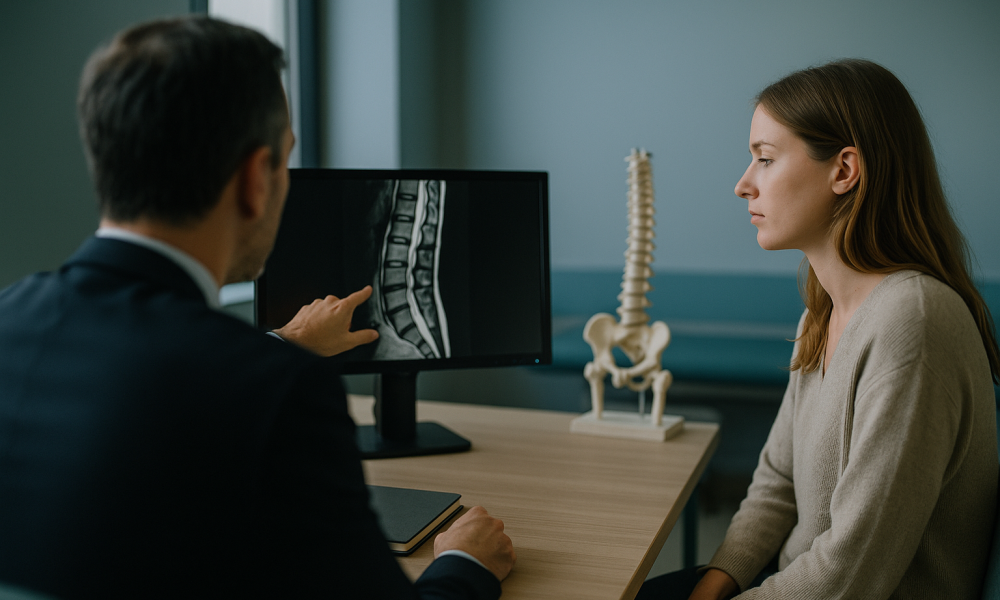
What Spinal Tumor Surgery Abroad is and who it is for
Spinal tumor surgery is a critical procedure aimed at removing abnormal growths within or around the spinal column. These tumors can be benign or malignant, and their presence can lead to pain, neurological deficits, or even paralysis if left untreated. The primary goal of spinal tumor surgery is to excise the tumor while preserving or restoring neurological function, stabilizing the spine, and alleviating pain.
Turkey has emerged as a significant hub for medical tourism, offering advanced healthcare facilities and highly skilled surgeons at competitive prices. The country attracts international patients, especially from Europe, due to its strategic location, which makes travel relatively convenient. Hospitals in Turkey are equipped with state-of-the-art technology, and many are internationally accredited, ensuring adherence to high standards of care.
Spinal tumor surgery in Turkey is typically performed by a multidisciplinary team that may include neurosurgeons, orthopaedic surgeons, oncologists, and radiologists. The choice of surgical technique depends on various factors, including the tumor’s type, location, size, and the patient’s overall health. Common approaches include minimally invasive surgery, which involves smaller incisions and potentially shorter recovery times, and traditional open surgery, which may be necessary for larger or more complex tumors.
Patients considering spinal tumor surgery in Turkey can expect a comprehensive treatment plan that encompasses preoperative assessments, surgical intervention, and postoperative care. Preoperative evaluations often involve imaging tests such as MRI or CT scans to accurately determine the tumor’s characteristics. Post-surgery, patients may require rehabilitation therapy to aid recovery and improve outcomes.
While Turkey offers cost advantages, it is crucial for patients to conduct thorough research before choosing a facility. Factors to consider include the hospital’s accreditation, the surgeon’s credentials and experience, patient reviews, and the overall quality of care provided. Patients should also be aware that while the costs in Turkey are generally lower than in many Western countries, they can vary widely depending on the specific hospital and the complexity of the procedure.
Are you a good candidate?
Determining candidacy for spinal tumor surgery involves a comprehensive assessment of various factors to ensure that the procedure is appropriate and likely to be beneficial. Not all patients with spinal tumors will require surgery, as some may be managed with radiation therapy, chemotherapy, or active surveillance, particularly if the tumors are small, benign, and asymptomatic.
- Presence of Symptoms: Candidates typically experience symptoms such as back pain, numbness, weakness, or other neurological deficits that impact daily life.
- Tumor Characteristics: The type, size, and location of the tumor are critical factors. Surgery is more likely if the tumor is pressing on the spinal cord or nerves, causing significant symptoms.
- Overall Health: Patients should be in good general health to tolerate surgery and anaesthesia. Chronic conditions should be well-managed.
- Previous Treatments: Consideration of past treatments, such as radiation or chemotherapy, is essential, as these may affect surgical options and outcomes.
- Patient’s Goals and Preferences: Understanding the patient’s expectations and willingness to undergo surgery is important. Some may prefer conservative management if the risks outweigh the benefits.
It is essential for patients to consult with a qualified healthcare provider to discuss their specific case. An in-depth evaluation will include a review of medical history, physical examination, and imaging studies. The decision to proceed with surgery should be based on a thorough understanding of the potential risks and benefits, and a realistic outlook on recovery and outcomes.
Patients are encouraged to ask questions and seek a second opinion if needed. Comprehensive consultations help ensure that decisions are informed and aligned with the patient’s health status and personal circumstances. Ultimately, the goal is to achieve the best possible quality of life, balancing the need for intervention with the potential for successful recovery.
The procedure, step by step
Spinal tumour surgery is a complex procedure that requires a highly skilled surgical team. If you are considering undergoing this surgery in Turkey, it is beneficial to understand the process step by step. Here is a detailed breakdown of how the procedure typically unfolds:
- Pre-operative Assessment: Before the surgery, a thorough evaluation is conducted. This includes detailed imaging studies like MRI or CT scans to determine the tumour’s size, location, and impact on surrounding tissues. Blood tests and other diagnostic procedures ensure you are fit for surgery.
- Anaesthesia: On the day of the surgery, you will meet with the anaesthesiologist who will administer general anaesthesia, ensuring you are asleep and pain-free throughout the operation.
- Incision: The surgeon will make an incision over the affected area of the spine. The size and location depend on the tumour’s position and the surgical approach required.
- Tumour Removal: Using precise surgical instruments, the surgeon will carefully access the spinal column and remove the tumour. This step might involve the use of a microscope or other advanced imaging techniques to enhance accuracy.
- Stabilisation: If the tumour has affected the structural integrity of the spine, the surgeon may need to perform spinal fusion or insert hardware like rods or screws to stabilise the spine.
- Closure: Once the tumour is removed and the spine stabilised, the surgeon will close the incision with sutures or staples. A sterile dressing is applied to protect the wound.
- Post-operative Care: After the surgery, you will be moved to the recovery room where your vital signs are monitored as you wake up from anaesthesia. Pain management begins immediately, using medication tailored to your needs.
- Initial Recovery: You may spend a few days in the hospital under observation. During this time, medical staff will monitor your progress, manage pain, and begin physical therapy to aid in your recovery.
Each step is crucial to ensure the surgical procedure is as effective and safe as possible. The surgical team in Turkey is typically well-trained and experienced in handling such delicate operations, providing a high standard of care throughout the process.
Recovery timeline
Recovering from spinal tumour surgery is a gradual process that varies from patient to patient. Here is a comprehensive recovery timeline to give you a realistic expectation of what to expect and how to care for yourself post-surgery:
| Period | What to expect | Care notes |
|---|---|---|
| Day 1 | Initial recovery from anaesthesia. You may feel groggy and experience some pain at the surgical site. | Focus on rest. Nurses will assist with movement to prevent complications like blood clots. |
| Days 2-3 | Pain and discomfort may persist, but mobility will gradually improve. You might start with light physical therapy. | Engage in gentle exercises as guided by the physiotherapist. Pain management continues under medical supervision. |
| Week 1 | The surgical site begins to heal. Swelling and bruising may still be present. | Maintain a clean and dry dressing. Follow all medication and exercise instructions carefully. |
| Weeks 2-4 | Increased mobility and reduction in pain. You may be discharged from the hospital if recovery is on track. | Continue with prescribed exercises. Avoid heavy lifting and strenuous activities. |
| Month 1-3 | Gradual return to normal activities. Some fatigue and discomfort may still occur. | Regular follow-up appointments are crucial. Adhere to a balanced diet and hydration. |
| Full Recovery (3-6 months) | Most patients regain full mobility and resume daily activities. Some may require ongoing physical therapy. | Continue with any recommended physical therapy. Monitor for any unusual symptoms and report them promptly. |
Recovery timelines can vary based on individual health conditions and the complexity of the surgery. It is important to maintain open communication with your healthcare provider and adhere strictly to the post-operative care plan to ensure the best possible outcome.
What it costs: Turkey vs Europe
When considering spinal tumour surgery abroad, understanding the cost implications is crucial. In Turkey, the costs for such surgeries are generally more competitive compared to many European countries. However, it’s essential to note that prices can vary based on the complexity of the surgery, the type of tumour, and the specific medical facility. Below is a comparison of indicative price ranges for spinal tumour surgeries between Turkey and Europe, along with typical inclusions in treatment packages.
| Region | Indicative Price Range (GBP) | Typical Package Inclusions |
|---|---|---|
| Turkey | £6,000 – £12,000 |
|
| Europe | £15,000 – £30,000 |
|
The indicative price range for spinal tumour surgery in Turkey typically falls between £6,000 and £12,000. This often includes comprehensive packages that cover a range of services beyond the surgery itself. Patients can expect pre-operative consultations, the surgery, and post-operative care as standard, along with hospital accommodation. Additionally, many packages in Turkey offer conveniences such as local transportation and interpreter services, which can significantly ease the logistical challenges of seeking treatment abroad.
In contrast, the cost for similar surgeries in Europe can range from £15,000 to £30,000. While the core medical services provided are similar, such as the surgery and hospital stay, additional services like local transportation and interpreter services may not be included, potentially adding further costs and complexity to the treatment journey.
It’s vital for prospective patients to understand that these figures are indicative and actual costs can vary. Factors influencing price include the specific hospital, the surgeon’s expertise, and any additional medical needs the patient may have. It is advisable for patients to engage directly with healthcare providers to obtain detailed quotes tailored to their individual medical needs.
Risks and how accredited providers manage them
Undergoing spinal tumour surgery, like any major surgical procedure, carries inherent risks. These can range from general surgical risks such as infection and bleeding to more specific concerns such as neurological complications, spinal instability, or persistent pain. However, accredited healthcare providers in Turkey employ rigorous protocols to manage and mitigate these risks effectively, ensuring patient safety is of paramount importance.
Accredited facilities in Turkey are often certified by international bodies such as the Joint Commission International (JCI), which sets stringent standards for healthcare quality and patient safety. These standards encompass a wide range of practices designed to minimise risks, including thorough pre-operative assessments, the use of advanced surgical technologies, and comprehensive post-operative monitoring.
Pre-operative assessments play a crucial role in risk management. Before surgery, patients undergo detailed evaluations to assess their overall health and identify any potential risk factors. This enables healthcare providers to tailor the surgical approach to the individual needs of the patient, thereby reducing the likelihood of complications.
During the surgery, the use of state-of-the-art technologies such as intraoperative neuromonitoring can help surgeons avoid damage to critical neural structures. This technology provides real-time feedback on the functional integrity of the nervous system, allowing for immediate adjustments during the procedure to prevent neurological injury.
Post-operative care is equally vital in managing risks. Accredited facilities in Turkey offer robust post-operative monitoring to quickly identify and address any complications that may arise. This typically involves a multidisciplinary team of specialists, including surgeons, nurses, and physiotherapists, working together to ensure optimal recovery and rehabilitation.
In addition to medical interventions, patient education is a key component of risk management. Patients are provided with detailed information about their procedure, potential risks, and signs of complications to watch for. This empowers patients to participate actively in their recovery and seek prompt medical attention if necessary.
While no surgical procedure is entirely without risk, the combination of advanced medical technology, skilled healthcare professionals, and comprehensive care protocols at accredited facilities in Turkey significantly reduces the likelihood of adverse outcomes. Patients considering spinal tumour surgery abroad can be reassured that their safety and well-being are prioritised throughout the treatment process.
How to choose the right provider
Choosing the right healthcare provider for spinal tumor surgery abroad is a critical decision that involves several key considerations. First and foremost, look for accreditation. Hospitals and clinics in Turkey should be accredited by reputable international organisations such as the Joint Commission International (JCI). Accreditation ensures that the facility adheres to high standards of medical care and patient safety.
Surgeon experience is another crucial factor. Research the surgeon’s educational background, years of experience, and specialised training in spinal surgery. Ideally, the surgeon should have extensive experience in performing spinal tumor surgeries and be affiliated with professional bodies like the Turkish Neurosurgical Society.
Aftercare is an essential component of the treatment process. Confirm that the provider offers comprehensive postoperative care, including physiotherapy and regular follow-up consultations. Some clinics provide packages that include aftercare services, which can be beneficial for international patients.
Be aware of red flags that might indicate a less reliable provider. These include a lack of transparency in pricing, absence of detailed treatment plans, and pressure to undergo immediate surgery without adequate consultation. Additionally, pay attention to reviews and testimonials from previous international patients. While online reviews can be helpful, consider seeking recommendations from medical tourism agencies or other trusted sources.
It’s also advisable to verify if the provider offers assistance with travel logistics, such as airport transfers and accommodation arrangements. This can greatly ease the stress of travelling for medical purposes. Finally, ensure that there is clear communication. The provider should have staff fluent in your language or offer professional translation services to ensure you fully understand your treatment options and care pathway.
Planning your trip
Proper planning is essential to ensure a smooth experience when travelling to Turkey for spinal tumor surgery. Begin by establishing a timeline. Ideally, initiate the process at least two to three months before your intended travel date. This allows ample time for consultations, obtaining medical records, and arranging logistics.
Gather all necessary documents, including your medical history, imaging results like MRIs or CT scans, and any relevant reports from your current healthcare provider. These documents will be critical for pre-surgical assessments and planning your treatment.
Consider the length of stay. For spinal tumor surgery, patients typically need to stay in Turkey for a minimum of two weeks. This duration includes pre-operative assessments, the surgery itself, and initial recovery. Depending on your specific case and the complexity of your surgery, your stay might extend to four weeks.
Additionally, plan for follow-up care once you return home. Coordinate with your local healthcare provider to ensure continuity of care. Discuss the possibility of remote consultations with your Turkish surgeon for ongoing monitoring of your recovery.
Financial planning is equally important. While indicative costs for spinal tumor surgery in Turkey range from £7,000 to £15,000, this may vary based on the complexity of the case and the provider’s reputation. Ensure you have a clear understanding of what is included in the quoted price, such as hospital stay, surgeon fees, and aftercare services.
Finally, consider practical travel arrangements. Check visa requirements for Turkey, and ensure your passport is valid for at least six months beyond your planned stay. Booking flights and accommodation well in advance can also help in securing better rates and availability.
Frequently Asked Questions
What is the typical cost of spinal tumor surgery in Turkey?
The cost of spinal tumor surgery in Turkey typically ranges from £7,000 to £15,000. This range is indicative and can vary based on factors such as the complexity of the surgery, the specific healthcare provider, and the level of aftercare included. It's important to obtain a detailed breakdown of costs from your chosen provider to understand what is covered.
How do I know if a Turkish clinic is accredited?
To verify a clinic's accreditation in Turkey, check if it is recognised by international organisations such as the Joint Commission International (JCI). This accreditation ensures that the clinic meets high standards of medical care and patient safety. You can usually find this information on the clinic's website or by contacting them directly.
What should I bring with me for the surgery?
When travelling for spinal tumor surgery, make sure to bring comprehensive medical records, including recent imaging results like MRIs or CT scans, and any relevant reports from your current healthcare provider. Additionally, pack comfortable clothing, personal care items, and any necessary medications. It's also wise to bring a list of emergency contacts.
How long should I plan to stay in Turkey for the surgery?
For spinal tumor surgery, plan for a stay of at least two weeks in Turkey. This period typically covers pre-operative assessments, the surgery itself, and initial recovery. In some cases, depending on the complexity of the surgery, you might need to extend your stay to four weeks to ensure adequate recovery and follow-up care.
What aftercare is typically provided post-surgery?
Post-surgery aftercare generally includes physiotherapy, regular follow-up consultations, and pain management. Some clinics offer comprehensive packages that cover these services, which can be particularly beneficial for international patients. Ensure your provider outlines the aftercare plan in detail before you proceed with the surgery.
Can I have remote follow-up consultations after returning home?
Yes, many Turkish healthcare providers offer remote follow-up consultations for international patients. This allows for ongoing monitoring of your recovery and any necessary adjustments to your aftercare plan. Discuss this option with your provider before your surgery to ensure a seamless transition to home-based care.
Are there any red flags to watch out for when choosing a provider?
When choosing a provider, be cautious of red flags such as a lack of transparency in pricing, pressure to undergo immediate surgery without adequate consultation, and absence of detailed treatment plans. Additionally, verify the provider's credentials and seek recommendations from trusted sources to avoid unreliable clinics.
How can I ensure clear communication with my healthcare provider in Turkey?
To ensure clear communication, choose a provider that offers services in your language or provides professional translation services. Clear communication is crucial for understanding your treatment options and care pathway. Confirm this aspect with your provider before committing to treatment.
What are the main safety considerations for spinal tumor surgery abroad?
Safety considerations include choosing a well-accredited facility, verifying the surgeon’s experience and qualifications, and ensuring comprehensive aftercare. Additionally, clear communication and understanding of the treatment plan are essential. Research and planning significantly contribute to a safe surgical experience abroad.
What visa requirements should I be aware of for Turkey?
Visa requirements for Turkey vary depending on your nationality. Many European citizens can enter Turkey without a visa for short stays, but it's essential to verify this based on your specific circumstances. Ensure your passport is valid for at least six months beyond your planned stay and check for any updates to entry requirements before your trip.
How can I prepare financially for the surgery?
Financial preparation involves understanding the indicative cost range of £7,000 to £15,000 and obtaining a detailed breakdown of costs from your provider. Consider what is included, such as hospital stay, surgeon fees, and aftercare. It's also wise to budget for travel expenses and any unforeseen costs that may arise during your stay.
What should I do if I encounter complications after returning home?
If complications arise after returning home, contact your Turkish healthcare provider immediately for advice. They may offer remote consultations to assess your situation. Simultaneously, seek assistance from your local healthcare provider to ensure you receive appropriate care. Coordination between your Turkish and local providers is crucial for managing post-surgery complications.