
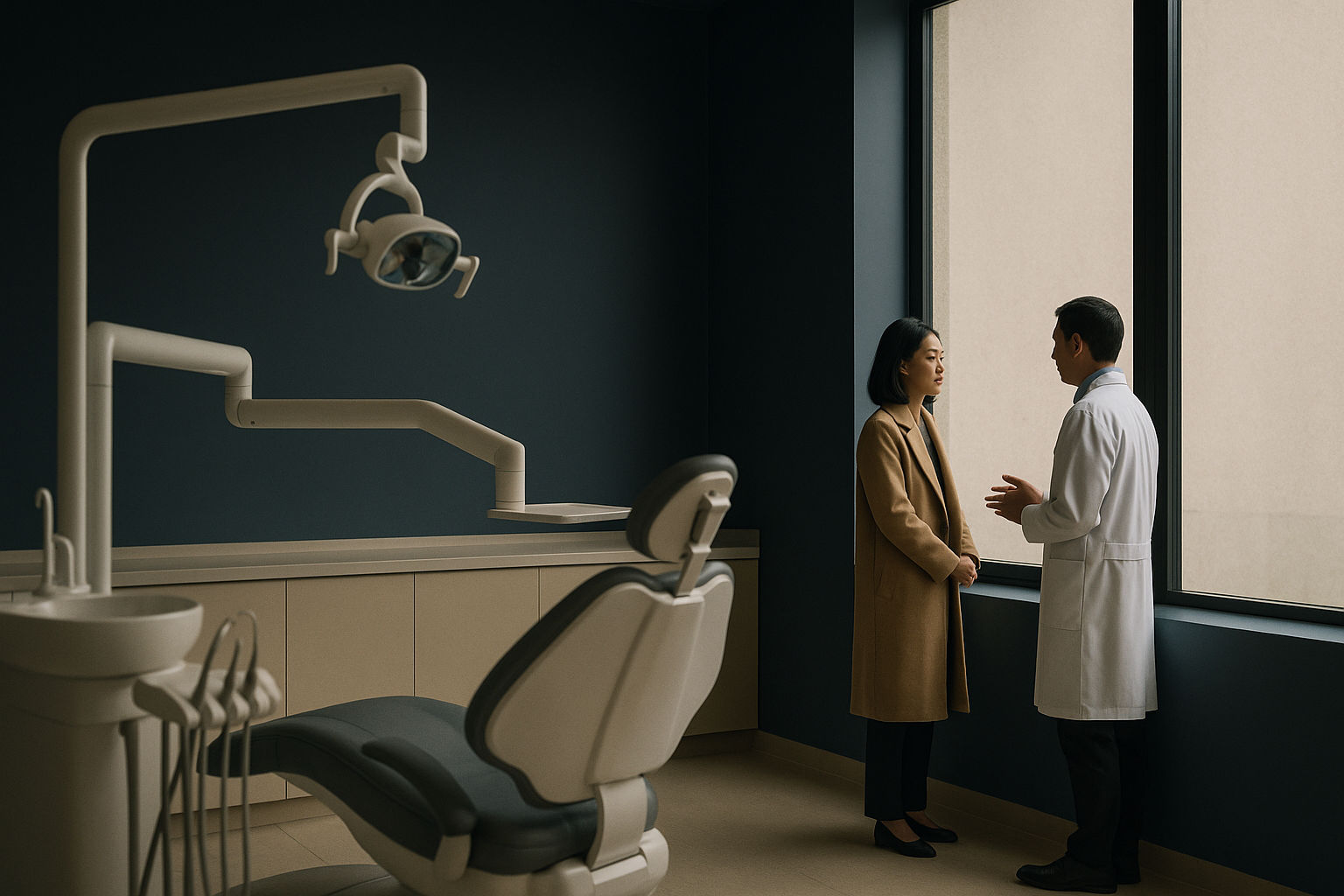
Dental implants in Mexico have become a popular choice for international patients seeking affordable and high-quality dental care. This guide provides a comprehensive overview of costs, safety, and logistical considerations for those considering this option.
Is it Worth Going Abroad for Dental Treatment?
Many people are drawn to dental treatment abroad due to the potential for cost savings, with Mexico being a leading destination. The average cost of dental implants in the USA can be prohibitively high, often ranging from $3,000 to $5,000 per implant. In contrast, dental implants in Mexico can cost between $800 and $2,000. This significant difference makes Mexico an attractive option for those seeking to save on dental expenses without compromising on quality.
However, it’s not just about the cost. Patients often receive care from highly qualified professionals at state-of-the-art facilities. Many clinics cater specifically to international patients, offering services such as English-speaking staff and assistance with travel arrangements. For instance, clinics in major Mexican cities like Tijuana, Cancun, and Mexico City frequently offer complimentary initial consultations and follow-up care packages. This personalized approach ensures that patients feel comfortable and well taken care of throughout the entire process.
It’s essential to weigh the cost savings against travel and accommodation expenses, as well as the time commitment required for the procedure and recovery. For instance, a typical dental implant procedure may require two visits spaced 3-6 months apart, to allow for proper healing and integration of the implant. Therefore, potential patients should budget for two trips, including airfare, accommodation, and local transportation. Additionally, time off work and recovery time should be factored into the decision-making process. Weighing these variables will help patients determine if traveling abroad for dental treatment is the right choice for their unique situation.
Why is Dental Treatment Cheaper Abroad?
The lower costs of dental treatment in countries like Mexico can be attributed to several factors. The most significant is the lower cost of living, which translates into reduced operational costs for dental clinics. Rent, utilities, and salaries are generally lower in Mexico compared to the United States, allowing clinics to charge less without sacrificing profit margins. Additionally, dental professionals in Mexico often have lower insurance and administrative expenses compared to their counterparts in the USA, further reducing overhead costs.
Moreover, Mexico’s competitive healthcare market drives clinics to offer high-quality services at competitive prices. This does not necessarily mean a compromise in quality, as many Mexican dentists receive training in prestigious institutions and adhere to strict safety and hygiene standards. For instance, dentists in Mexico often participate in international continuing education programs to stay updated with the latest advancements in dental technology and practices. Many are members of global dental associations, which require adherence to rigorous standards and protocols.
Patients should ensure that the clinics they choose are accredited by reputable organizations, which can provide reassurance of the quality of care. Researching online reviews, patient testimonials, and accreditation from bodies like the Joint Commission International (JCI) can help verify the clinic’s reputation. Additionally, potential patients may consider contacting previous patients to gain firsthand insights into their experiences. This thorough due diligence can help ensure that the chosen clinic meets international standards of care.
How to Arrange Travel for Dental Treatment Abroad
Arranging travel for dental treatment abroad requires careful planning. First, research and select a reputable clinic, taking into consideration factors such as accreditation, reviews, and the qualifications of the dental professionals. Online forums and social media groups focused on dental tourism can be valuable resources for gathering information and recommendations from previous patients.
Once a clinic is selected, coordinate with their international patient department for assistance with scheduling appointments and understanding the treatment timeline. Clinics often provide detailed itineraries that outline the entire process from arrival to departure, ensuring a smooth experience. Patients should also inquire about any available travel packages that may include accommodations and transportation services. Some clinics partner with local hotels to offer discounted rates and complimentary shuttle services.
It is advisable to book flights and accommodation well in advance and ensure that all necessary travel documents, such as passports and visas, are in order. Consider travel insurance to cover unforeseen circumstances, such as medical emergencies or trip cancellations. Additionally, creating a checklist of essential items like medications, medical records, and emergency contact information can help ensure a stress-free journey. By meticulously planning each step of the travel process, patients can focus on their dental treatment and recovery.
Understanding the Dental Implant Process
The dental implant process typically involves several stages, starting with an initial consultation and assessment. During this phase, the dentist will evaluate the patient’s oral health through a series of diagnostics, such as X-rays or 3D imaging, to determine bone density and gum health. Based on these assessments, the dentist will develop a treatment plan tailored to the patient’s specific needs, which may include preparatory procedures such as tooth extractions or bone grafting if necessary.
The implantation stage involves surgically placing the implant into the jawbone, which is then left to heal and integrate with the bone over a period of several months. This process, known as osseointegration, is crucial for the stability and longevity of the implant. During this healing phase, a temporary crown may be placed to maintain aesthetics and function, allowing the patient to continue daily activities with minimal disruption.
Once the implant has fully integrated, a permanent crown is attached, completing the process. This final stage is usually straightforward and involves custom-fitting the crown to ensure a natural appearance and comfortable bite. Patients should follow their dentist’s post-operative care instructions to ensure successful healing and integration. This may include maintaining good oral hygiene, avoiding hard foods, and attending regular follow-up appointments to monitor progress. Understanding each step of the dental implant process can help patients feel more confident and prepared for their treatment journey.
Comparing Costs: Mexico vs. USA vs. Turkey
When comparing dental implants prices, it is important to consider not only the upfront costs but also the long-term benefits and potential additional expenses. In the USA, the cost per implant can range from $3,000 to $5,000, while in Mexico, it ranges from $800 to $2,000. This discrepancy is largely due to the differences in healthcare costs, living expenses, and insurance overheads between the two countries.
Turkey is another popular destination, with costs similar to Mexico, often ranging between $1,000 and $2,500 per implant. However, travel expenses to Turkey may be higher depending on the patient’s location, which could offset the savings on the procedure itself. Additionally, language barriers and cultural differences might pose additional challenges for some patients traveling to Turkey for dental care.
| Country | Average Implant Cost |
|---|---|
| USA | $3,000 – $5,000 |
| Mexico | $800 – $2,000 |
| Turkey | $1,000 – $2,500 |
While Mexico offers significant savings, patients should consider the total cost, including travel and accommodation, to determine the best option for their needs. For example, a patient from the West Coast of the United States may find traveling to Mexico more economical and convenient than traveling to Turkey. Furthermore, Mexico’s proximity allows for easier follow-up visits if required. By evaluating all these factors, patients can make an informed decision that balances cost, convenience, and quality of care.
Safety and Accreditation: Ensuring Quality Care
Ensuring the safety and quality of dental treatment abroad is a top priority for international patients. It is essential to choose clinics that are accredited by reputable international organizations such as the Joint Commission International (JCI) or the International Organization for Standardization (ISO). These accreditations indicate that the clinic adheres to international standards of healthcare quality and patient safety.
Patients should also verify the qualifications and experience of the dental professionals at the clinic. Many dentists in Mexico have received training in the USA or Europe and are registered with professional bodies that enforce high standards of practice. For instance, some Mexican dentists are members of the American Dental Association or the Mexican Dental Association, which require adherence to strict ethical and professional guidelines.
Before undergoing treatment, discuss the procedure in detail with the dentist, including potential risks and complications, to make an informed decision about the treatment plan. Patients should feel comfortable asking questions about the clinic’s sterilization procedures, the materials used, and the dentist’s experience with similar cases. Additionally, reviewing patient testimonials and success stories can provide further assurance of the clinic’s reputation. By taking these precautionary steps, patients can ensure a safe and successful dental treatment experience abroad.
Alternatives to Dental Implants: Veneers and Dentures
While dental implants are a popular choice for tooth replacement, there are alternatives that may be more suitable for some patients. Dental veneers, for instance, are thin coverings placed over the front surface of teeth to improve appearance and function. They are less invasive than implants but are primarily used for cosmetic purposes, such as correcting discoloration, chips, or minor misalignments. Veneers are a good option for patients looking to enhance their smile without undergoing surgery.
Dentures are another alternative, offering a removable solution to tooth loss. They are generally more affordable than implants but may require more maintenance and may not provide the same level of comfort or functionality. Dentures can be partial or full, depending on the extent of tooth loss, and are typically recommended for patients who are not candidates for implants due to insufficient bone density or other health issues.
Discussing these options with a dental professional can help patients choose the most appropriate solution based on their individual needs and circumstances. For example, patients with a strong jawbone and healthy gums may benefit more from implants, while those seeking a less invasive and more immediate solution might opt for veneers or dentures. By considering factors such as cost, longevity, and personal preferences, patients can select the best tooth replacement option for their lifestyle.
Conclusion: Making an Informed Decision
Choosing to undergo dental treatment abroad, particularly for dental implants in Mexico, can offer significant financial benefits and access to high-quality care. However, it is crucial for patients to conduct thorough research and planning to ensure a successful outcome. By understanding the costs, processes, and potential risks involved, patients can make informed decisions that align with their expectations and budget.
By considering factors such as cost, safety, and logistical arrangements, patients can make informed decisions and achieve the desired results from their dental treatment. Collaborating with reliable clinics and healthcare professionals, leveraging travel resources, and prioritizing safety and accreditation are key elements in ensuring a positive dental tourism experience. Ultimately, the choice to pursue dental implants in Mexico should be guided by careful evaluation of all available options and a clear understanding of the investment involved.
Proven result
80 to 240 dental patients a month from France
High-volume dental clinic, Istanbul
Frequently asked questions
Is it worth going abroad for dental treatment?
Yes, going abroad for dental treatment can be worthwhile due to significant cost savings and access to high-quality care.
How to arrange travel for dental treatment abroad?
Research clinics, coordinate with their international patient department, and plan travel logistics including flights and accommodation.
Why is dental treatment cheaper abroad?
Lower living costs, reduced operational expenses, and a competitive healthcare market contribute to cheaper dental treatment abroad.
What are alternatives to dental implants?
Alternatives include dental veneers for cosmetic improvements and dentures for removable tooth replacement.
Related guides

Turkey Hospitals vs Local Hospitals Compared
A lower procedure quote can get a patient’s attention. It should not make the decision on its own.…

Patient Experience That Drives Trust and Growth
A patient who has already uploaded medical records, compared providers, and arranged time away from work is not…

What Is a Medical Travel Facilitator and Why Use One?
A lower treatment quote can look compelling until you try to compare what it actually includes: surgeon fees,…