
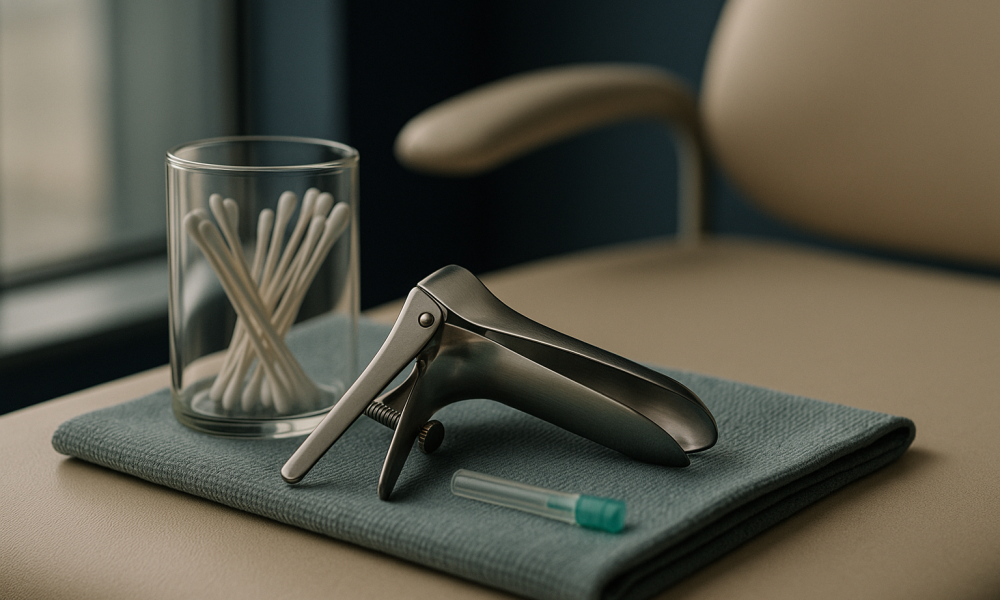
What Vaginoplasty is and who it is for
Vaginoplasty is a surgical procedure designed to reconstruct or modify the vaginal canal and its surrounding structures. It is often pursued for both functional and aesthetic reasons. The primary aim of the procedure is to strengthen and tighten the vaginal muscles that may have become stretched or weakened due to childbirth, ageing, or other factors. This can lead to enhanced sexual satisfaction for some patients and address medical concerns such as pelvic floor dysfunction.
In addition to its functional benefits, vaginoplasty can also improve self-confidence and body image. It is important to note that this procedure is distinct from other surgeries such as labiaplasty, which focuses on altering the labia minora or majora. Vaginoplasty is applicable to both cisgender and transgender women, though the specific techniques and outcomes might differ between these groups.
For cisgender women, vaginoplasty can address issues such as vaginal prolapse or laxity following childbirth. In transgender women, vaginoplasty is a critical component of gender affirmation surgery, transforming male genitalia into a more typical female form. The procedure can involve the creation of a neovagina using penile and scrotal tissue, or in some cases, a segment of the bowel.
Individuals considering vaginoplasty should note that it is a significant surgical procedure requiring a general anaesthetic and a hospital stay. The surgery typically lasts between 2 to 4 hours, depending on the complexity and specific technique used. Post-operative care is crucial, and patients should expect a recovery period where physical activities are limited.
Are you a good candidate?
Determining candidacy for vaginoplasty involves several considerations. The procedure is suitable for those who are physically healthy, have realistic expectations, and understand the potential risks and outcomes. Here are specific criteria that might indicate a good candidate for vaginoplasty:
- Physical Health: Candidates should not have any medical conditions that impair healing. Conditions such as uncontrolled diabetes or blood clotting disorders may exclude some individuals.
- Non-Smokers: Smoking can significantly affect the healing process, so candidates are often advised to quit smoking several weeks before and after the surgery.
- Psychological Readiness: Undergoing vaginoplasty is a major decision with profound psychological impacts. Candidates should have a stable mental health status and a supportive environment.
- Realistic Expectations: Understanding the limitations and potential outcomes of the surgery helps ensure satisfaction. Candidates should be aware that while the procedure can enhance function and appearance, it may not result in ‘perfection’.
- Age Considerations: The candidate should be at least 18 years old, though some exceptions may apply, particularly in the context of congenital defects.
- Transgender Considerations: For transgender women, a period of living in their identified gender and hormone therapy might be required prior to surgery. This is typically aligned with WPATH standards.
- Consultation and Assessment: A thorough consultation with a qualified surgeon is essential. This includes discussing medical history, goals, and any concerns.
Ultimately, the decision to undergo vaginoplasty should be made in collaboration with experienced healthcare professionals who can provide a comprehensive evaluation and guide you through the process.
The procedure, step by step
Vaginoplasty is a surgical procedure aimed at reconstructing or altering the vaginal structure for various medical or personal reasons. This guide provides an overview of the typical steps involved in a vaginoplasty procedure in Turkey.
- Pre-operative Consultation: The process begins with a thorough consultation with the surgeon, which may occur virtually or in person. During this session, the patient’s medical history and surgical goals are discussed, and a comprehensive examination is conducted. The surgeon explains the procedure, discusses potential risks, and outlines realistic expectations.
- Anaesthesia: On the day of surgery, the patient is generally administered general anaesthesia to ensure comfort and pain management throughout the procedure. Anaesthesia is carefully monitored by an anaesthesiologist to maintain safety and efficacy.
- Incision and Preparation: Once anaesthetised, the surgeon makes precise incisions. The location and extent of these incisions depend on the specific surgical technique being used, which is tailored to the patient’s anatomy and desired outcomes.
- Tissue Reconstruction: The surgeon meticulously reconstructs the vaginal canal. This may involve the use of existing tissue or grafts, depending on the procedure type. Techniques may vary, including penile inversion, intestinal segment use, or non-penile inversion methods, each with its own set of procedural steps.
- Clitoral and Labial Reconstruction: If included in the surgical plan, the clitoris and labia are reconstructed to enhance aesthetic and functional outcomes. This step is crucial in ensuring a natural appearance and sensation.
- Closure and Suturing: After reconstruction, the incisions are carefully closed using sutures. The surgeon ensures minimal scarring and optimal healing conditions.
- Initial Recovery: The patient is moved to a recovery area where medical staff closely monitor vital signs as the patient regains consciousness. Pain management and immediate post-operative care are initiated.
Throughout the procedure, the surgical team adheres to strict protocols to minimise risks and ensure a sterile environment. The entire process may take several hours, depending on the complexity of the surgery. Patients are advised to discuss all aspects of the procedure with their medical team to fully understand the steps involved and to prepare accordingly.
Recovery timeline
Understanding the recovery timeline after a vaginoplasty is crucial for prospective patients. The recovery process involves various stages, each requiring specific care and attention. Below is a detailed table outlining the recovery timeline from day 1 to full recovery.
| Period | What to expect | Care notes |
|---|---|---|
| Day 1-3 | Patients can expect swelling, bruising, and discomfort. Hospital stay is typical during this period for close monitoring. | Pain management is crucial; medications are administered as prescribed. Rest is essential, and movement is minimal. |
| Day 4-7 | Swelling and bruising may persist but begin to decrease. Patients might be discharged from the hospital if stable. | Follow post-operative care instructions diligently. Begin gentle movement as advised by the healthcare provider. |
| Week 2-4 | Noticeable reduction in swelling; bruising subsides. Stitches typically begin to dissolve, and patients may resume light activities. | Attend follow-up appointments for progress checks. Continue to avoid strenuous activities and heavy lifting. |
| Month 1-3 | Significant healing occurs. Patients often return to work and engage in normal daily activities with caution. | Engage in prescribed pelvic exercises. Sexual activity is generally postponed until clearance from the surgeon. |
| Month 4-6 | Most patients achieve full recovery. Scarring diminishes, and results are more evident. | Continue regular check-ups. Maintain a healthy lifestyle to support ongoing recovery and optimal results. |
The recovery experience can vary significantly among individuals based on factors such as age, overall health, and adherence to post-operative care instructions. Patients are encouraged to communicate openly with their healthcare providers during recovery to address any concerns or complications promptly.
5. What it costs: Turkey vs the United Kingdom
When considering vaginoplasty, financial considerations are often pivotal in the decision-making process. In Turkey, the cost of vaginoplasty can be significantly lower than in the United Kingdom, making it an attractive option for many international patients. However, it is crucial to understand that these figures are indicative and can vary based on numerous factors including the clinic, the surgeon’s expertise, and the specifics of the procedure.
The following table provides a comparison of typical price ranges for vaginoplasty in Turkey and the United Kingdom. These figures are indicative and should be used as a general guide rather than an exact quote.
| Location | Indicative Price Range (GBP) | What Packages Typically Include |
|---|---|---|
| Turkey | £2,500 – £4,500 |
|
| United Kingdom | £6,000 – £10,000 |
|
It is important to note that while the upfront costs in Turkey may appear lower, patients should consider additional expenses such as travel, accommodation, and potential unforeseen costs. Many Turkish clinics offer comprehensive packages that include hotel accommodation and airport transfers, which can help in managing the overall expenditure.
In the UK, the higher costs are often attributed to the higher operational costs, regulatory compliance expenses, and the overall cost of living. Additionally, the pricing structure in the UK may not always include all the elements that Turkish packages typically offer, such as extended post-operative care and logistical support.
Ultimately, when evaluating costs, prospective patients should weigh the financial savings against the importance of choosing a reputable and accredited provider, ensuring that the lower price does not come at the expense of quality or safety.
6. Risks and how accredited providers manage them
Vaginoplasty, like any surgical procedure, carries certain risks and potential complications. Understanding these risks and how they are managed is crucial for anyone considering the procedure abroad. Accredited providers in Turkey take several steps to mitigate these risks, ensuring patient safety and care throughout the process.
Some of the common risks associated with vaginoplasty include:
- Infection: As with any surgery, there is a risk of infection at the surgical site. Accredited clinics implement strict sterilisation protocols and prescribe prophylactic antibiotics to minimise this risk.
- Bleeding: There is a potential for excessive bleeding during or after the procedure. Surgeons in accredited centres are trained to manage bleeding effectively and take preventive measures during surgery.
- Scarring: While some scarring is inevitable, experienced surgeons use advanced techniques to minimise visible scars and promote optimal healing.
- Changes in sensation: Patients may experience temporary or permanent changes in sensation. Surgeons provide detailed consultations to discuss these possibilities and set realistic expectations.
- Asymmetry: There is a risk of asymmetry post-surgery, which may require revision surgery. Accredited providers offer follow-up consultations to monitor results and address any concerns.
Accredited providers in Turkey are committed to maintaining high standards of care, which include rigorous pre-operative assessments to ensure patients are suitable candidates for the surgery. This includes a thorough review of medical history, current health status, and psychological readiness.
During the procedure, experienced anaesthetists and surgical teams work collaboratively to monitor patient vitals and respond promptly to any issues that may arise. Post-operative care is equally critical; thus, accredited clinics provide detailed aftercare instructions and 24/7 access to medical support in case of emergencies.
Furthermore, these providers are often affiliated with international accreditation bodies, which means they adhere to global standards of healthcare quality and patient safety. This affiliation reassures patients that the facilities and professionals meet stringent criteria for excellence.
Choosing an accredited provider ensures that patients not only receive quality care but also have access to a network of support services that enhance the overall treatment experience. While no surgery is without risk, being informed and choosing a reputable provider can significantly reduce the likelihood of complications and contribute to a successful outcome.
How to choose the right provider
Choosing the right provider for your vaginoplasty in Turkey involves careful consideration of several key factors to ensure both safety and satisfaction. Accreditation is paramount; look for hospitals and clinics that are accredited by international bodies such as the Joint Commission International (JCI) or the Turkish Ministry of Health. These accreditations indicate that the facility adheres to international standards of quality and safety.
Surgeon experience is another critical aspect. Prospective patients should research the surgeon’s credentials, including their education, years of experience, and the number of vaginoplasty procedures they have performed. It is advisable to select a surgeon who specialises in transgender surgery or has a robust track record in performing vaginoplasties. Request before-and-after photos of past surgeries to gauge their skill and aesthetic style.
Aftercare is an integral part of the vaginoplasty journey. Ensure that the provider offers comprehensive postoperative care, including regular follow-ups, access to medical staff for any concerns, and a clear plan for managing potential complications. A well-defined aftercare programme can significantly impact recovery outcomes and patient satisfaction.
Be vigilant for red flags such as clinics that offer unusually low prices compared to the typical range of £3,000 to £7,000. While cost is an important factor, it should not compromise quality. Avoid providers who pressure you into making quick decisions or do not offer transparent information about the procedure and potential risks. Additionally, be wary of facilities that lack clear communication channels or do not provide a detailed breakdown of costs involved.
In summary, choosing the right provider involves a comprehensive evaluation of accreditation, surgeon experience, aftercare, and vigilance against red flags. Taking the time to research and consult with multiple providers can help ensure a safe and satisfactory experience.
Planning your trip
Effective planning is crucial for a successful medical trip to Turkey for vaginoplasty. Begin by establishing a timeline for your treatment. It’s advisable to start consultations and preliminary discussions with your chosen provider at least 3 to 6 months before your intended travel date. This allows ample time for any required medical tests and documentation to be completed.
Ensure you have all necessary documents in order. This includes a valid passport, which should not expire within 6 months of your travel date, and any visas required for entry into Turkey. Consult with your surgical provider to understand any medical documentation required, such as health records or letters from healthcare professionals confirming your suitability for surgery.
The typical length of stay in Turkey for a vaginoplasty is around 2 to 3 weeks. This timeframe allows for pre-operative consultations, the surgery itself, and initial recovery and follow-up appointments. Ensure you have accommodation arrangements that provide comfort and convenience during your recovery period.
Follow-up care is an essential part of your treatment plan. Discuss with your provider the details of follow-up appointments that may be necessary after you return to the UK. Some providers offer virtual follow-up consultations, which can be beneficial for ongoing care and monitoring of your recovery.
Consider travel insurance that covers medical procedures abroad, including potential complications from surgery. This can provide peace of mind and financial protection. Finally, ensure you have a support system in place, whether it’s a family member or friend, to accompany you during your stay. This can be invaluable for emotional support and help with daily activities during the recovery phase.
Frequently Asked Questions
What are the typical costs of vaginoplasty in Turkey?
The typical cost of vaginoplasty in Turkey ranges from £3,000 to £7,000. This range is indicative and can vary based on the clinic, the surgeon's experience, and the specifics of the procedure. It's important to ensure that the quoted price includes all necessary components of the surgery, such as anaesthesia, hospital stay, and aftercare.
Is vaginoplasty in Turkey safe?
Vaginoplasty in Turkey can be safe if it is performed by an experienced and qualified surgeon in a reputable and accredited facility. Prospective patients should verify the credentials of both the surgeon and the clinic, and ensure that the facility adheres to international standards of healthcare quality and safety.
How do I verify a surgeon's experience?
To verify a surgeon's experience, you can check their qualifications, years of experience, and the number of vaginoplasty procedures they have performed. It's also helpful to look at patient reviews and before-and-after photos. Contacting previous patients for testimonials can provide additional insights.
What should I include in my travel insurance?
When selecting travel insurance for medical procedures abroad, ensure it covers medical treatment, any complications from surgery, trip cancellations, and emergency medical evacuation. It's essential to read the policy details carefully to understand the extent of coverage provided for medical tourism.
How long should I stay in Turkey after surgery?
Patients are generally advised to stay in Turkey for about 2 to 3 weeks after their vaginoplasty. This duration allows for pre-operative consultations, the surgery itself, and initial post-operative recovery. It also includes time for follow-up appointments to ensure the healing process is on track.
What documents do I need to travel for surgery?
You will need a valid passport, which should not expire within 6 months of your travel date, and possibly a visa, depending on your nationality. It's also important to have medical records and any necessary letters from healthcare professionals if required by your surgical provider.
Are there any red flags when choosing a clinic?
Red flags include clinics offering significantly lower prices than the typical range, lack of accreditation, pressure to make quick decisions, unclear communication, and absence of detailed information about the procedure and costs. Always choose accredited facilities with transparent practices.
How can I manage post-surgery care at home?
Post-surgery care at home involves following your surgeon’s instructions carefully, attending all follow-up appointments, and monitoring for any signs of complications. Keeping in touch with your healthcare provider, even virtually, is crucial for ensuring a smooth recovery process.
Will I need a companion during my stay?
Having a companion during your stay in Turkey can be beneficial. They can provide emotional support, assist with daily activities during your recovery, and help communicate with medical staff if needed. It's often recommended to have someone accompany you, especially during the initial recovery phase.
What is included in the surgery package?
Surgery packages typically include the surgical procedure, anaesthesia, hospital stay, and basic aftercare. However, the inclusions can vary, so it's important to clarify with your provider what is covered. Some packages might also include transportation and accommodation, so ask for a detailed breakdown.
How soon can I return to work after vaginoplasty?
Recovery times can vary, but generally, patients are advised to take at least 4 to 6 weeks off work to allow for adequate healing. It's important to follow your surgeon's specific advice as they can provide guidance tailored to your individual recovery progress.
What follow-up care is available after returning to the UK?
Many Turkish providers offer virtual follow-up consultations to monitor your recovery once you return to the UK. It's important to discuss the follow-up care plan with your surgeon before the procedure to ensure continuity of care and address any concerns that may arise during your recovery.