
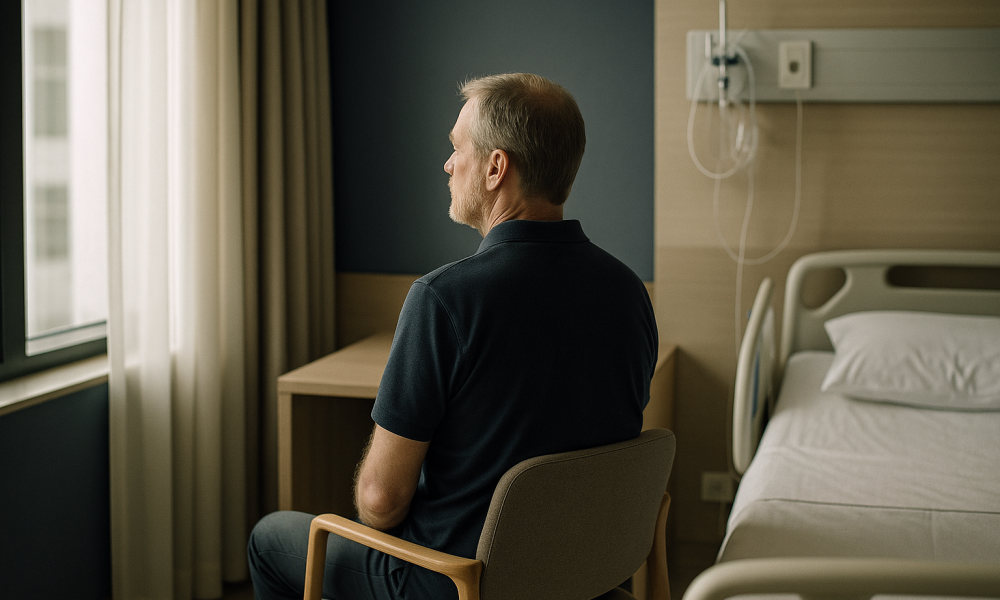
What Sleep Apnea Surgery is and who it is for
Sleep apnea surgery aims to alleviate the symptoms of obstructive sleep apnea (OSA), a condition where breathing repeatedly stops and starts during sleep due to airway obstruction. These interruptions can lead to fragmented sleep and reduced oxygen levels, which may contribute to various health issues, including cardiovascular problems, daytime fatigue, and cognitive impairment.
The surgical approach is typically considered when non-surgical treatments, such as continuous positive airway pressure (CPAP) therapy, have proven ineffective or intolerable. Surgery may involve various procedures targeting different anatomical sites, including the nasal passages, soft palate, tongue, or jaw. The choice of procedure depends on the individual’s specific anatomical cause of sleep apnea.
Common surgical options include Uvulopalatopharyngoplasty (UPPP), which involves removing excess tissue from the throat to widen the airway, and Genioglossus advancement, which repositions the tongue muscle attachment to prevent airway collapse. Another option is Maxillomandibular advancement (MMA), a more extensive procedure that repositions the jawbones to enlarge the airway space.
Patients considering surgery in Turkey can expect a high standard of care, with many hospitals accredited by international bodies. The country is known for its skilled surgeons and state-of-the-art facilities, making it a popular destination for medical tourism. The cost of surgery in Turkey is typically lower than in the United States, with indicative ranges from £2,000 to £5,000, depending on the complexity of the procedure and the hospital chosen.
It’s important to note that while surgery can significantly reduce the severity of sleep apnea, it does not guarantee complete elimination of the condition. A thorough evaluation by a qualified sleep specialist and surgeon is essential to determine the most appropriate treatment plan.
Are you a good candidate?
Determining your suitability for sleep apnea surgery involves a comprehensive evaluation by a healthcare professional. Surgery is generally recommended for patients with moderate to severe obstructive sleep apnea who have not responded well to non-surgical treatments. The decision to proceed with surgery will depend on multiple factors, including your overall health, the anatomical cause of your sleep apnea, and your specific symptoms.
- Severity of Sleep Apnea: Candidates typically have moderate to severe OSA, diagnosed through a sleep study that measures the number of apnea events per hour.
- Previous Treatment Attempts: Surgery is usually considered when CPAP therapy and other non-invasive methods, such as oral appliances, have been unsuccessful or poorly tolerated.
- Anatomical Considerations: The presence of anatomical abnormalities that contribute to airway obstruction, such as enlarged tonsils or a deviated septum, may make you a suitable candidate.
- General Health: Good overall health is vital, as surgery involves general anaesthesia and a recovery period. Patients with uncontrolled medical conditions may not be suitable.
- Age and Weight: While age is not a strict barrier, younger patients with fewer comorbidities may experience better outcomes. Additionally, a high body mass index (BMI) can complicate surgery and may require weight management prior to the procedure.
Before proceeding with surgery, a detailed consultation with a sleep specialist and an ENT surgeon is crucial. They will assess your medical history, conduct necessary examinations, and possibly recommend imaging studies to identify the best surgical approach. This thorough evaluation ensures that surgery is the most appropriate option for your specific case.
The procedure, step by step
Undergoing sleep apnea surgery can be a significant step towards improving your quality of life. Understanding the procedure in detail can alleviate some anxieties. Here is a step-by-step outline of what typically happens during sleep apnea surgery in Turkey:
- Pre-operative Consultation: Before surgery, you will have a detailed consultation with your surgeon. This may include a review of your medical history, a physical examination, and possibly some diagnostic tests such as a sleep study or imaging of your airways. This is to ensure that surgery is the appropriate treatment for your condition.
- Anaesthesia Administration: On the day of the surgery, you’ll be taken to the operating theatre where a qualified anaesthesiologist will administer general anaesthesia. This ensures you are asleep and pain-free throughout the procedure.
- Performing the Surgery: There are several types of surgical procedures for sleep apnea, including Uvulopalatopharyngoplasty (UPPP), Genioglossus Advancement (GA), and Maxillomandibular Advancement (MMA). The choice of procedure depends on the cause and severity of your sleep apnea. The surgeon will make precise incisions to remove or reposition tissues in the throat or jaw to widen the airway and improve airflow.
- Monitoring and Closure: Once the necessary adjustments are made, the surgeon will carefully close the incisions with sutures. The procedure duration can vary, typically ranging from one to three hours, depending on the complexity of the surgery.
- Immediate Post-operative Care: After the surgery, you will be taken to a recovery room where medical staff will monitor you as the anaesthesia wears off. You may experience some throat discomfort and swelling, which is normal and managed with prescribed pain relief.
- Post-operative Instructions: Before discharge, you will receive detailed instructions on how to care for your surgical site, manage pain, and recognise signs of complications. Typically, patients are advised to avoid strenuous activity for a few weeks and to follow a soft diet initially.
Having a clear understanding of these steps can help you prepare for the experience and focus on your recovery.
Recovery timeline
Post-operative recovery is a crucial phase following sleep apnea surgery, as it involves healing and adjusting to changes. Here is a detailed timeline for recovery:
| Period | What to expect | Care notes |
|---|---|---|
| Day 1 | You may feel groggy from anaesthesia and experience some throat pain and swelling. | Rest is crucial; avoid speaking too much. Use prescribed medications for pain management. |
| Days 2-5 | Swelling and discomfort may persist. You might notice slight bleeding, which is normal. | Continue with soft foods and plenty of fluids. Ice packs can help reduce swelling. Follow your surgeon’s instructions closely. |
| Week 1 | Pain should gradually decrease. You may start to feel more comfortable. | Maintain good oral hygiene with gentle rinsing. Avoid strenuous activities. |
| Weeks 2-4 | Most swelling should subside. Breathing through your nose may improve. | Gradually resume normal activities as advised. Continue to avoid heavy lifting. |
| 1-3 Months | Full recovery is expected. You might notice improvements in sleep quality and reduced apnea symptoms. | Attend all follow-up appointments to monitor progress. Report any persistent issues to your healthcare provider. |
Recovery times can vary based on the individual and the specific procedure performed. It’s essential to follow all medical advice and attend scheduled follow-up appointments to ensure optimal healing and outcomes.
5. What it costs: Turkey vs the United States
When considering sleep apnea surgery, cost is a significant factor for many patients. In Turkey, the cost of such procedures is often considerably lower than in the United States, making it an attractive option for those looking to balance quality care with financial considerations. Below is a table that provides a comparison of indicative price ranges for sleep apnea surgery in both countries.
| Procedure | Turkey (Indicative Range) | United States (Indicative Range) |
|---|---|---|
| Uvulopalatopharyngoplasty (UPPP) | $3,000 – $5,500 | $10,000 – $15,000 |
| Genioglossus Advancement (GA) | $2,500 – $4,500 | $8,000 – $13,000 |
| Maxillomandibular Advancement (MMA) | $7,000 – $10,000 | $20,000 – $30,000 |
| Radiofrequency Volumetric Tissue Reduction (RFVTR) | $1,500 – $3,000 | $5,000 – $8,000 |
These figures are indicative and can vary based on several factors, including the specific hospital or clinic, the surgeon’s expertise, and the complexity of the individual case. It’s crucial for patients to obtain detailed quotes from potential providers to understand what is included in their package.
Typically, packages in Turkey may include pre-operative assessments, the surgical procedure itself, post-operative care, accommodation, and sometimes even local transportation. In contrast, costs in the United States may only cover the surgery and immediate hospital stay, with additional expenses for consultations, follow-ups, and other ancillary services.
The cost advantage in Turkey is largely due to lower operational costs and favourable exchange rates, enabling Turkish healthcare providers to offer competitive pricing without compromising on quality. Prospective patients should ensure that they are comparing like-for-like packages and that they fully understand what is included in the quoted price to avoid unexpected expenses.
6. Risks and how accredited providers manage them
As with any surgical procedure, sleep apnea surgery carries certain risks. It is crucial for patients to be aware of these risks and to choose accredited providers who adhere to international standards of care and safety. Common risks associated with sleep apnea surgery include infection, bleeding, swelling, changes in voice, and, in rare cases, airway compromise.
Accredited healthcare providers in Turkey take several steps to minimize these risks. Pre-operative assessments are thorough, often involving a multidisciplinary team that may include an otolaryngologist, a pulmonologist, and an anaesthesiologist. This comprehensive evaluation helps in identifying any potential complications that could arise during or after surgery.
Infection control is a priority, with strict sterilization protocols in place to ensure the operating environment is as safe as possible. Patients are typically given prophylactic antibiotics to further reduce the risk of infection. Bleeding, another potential risk, is managed by using advanced surgical techniques and equipment that help minimize blood loss. Surgeons are trained in the latest methods to secure blood vessels and tissues, thereby reducing the likelihood of post-operative haemorrhage.
Swelling and changes in voice are managed through careful surgical planning and post-operative care. Accredited providers often employ minimally invasive techniques that reduce tissue trauma, thereby limiting swelling. Voice changes, a potential side effect of surgeries involving the throat, are monitored closely, and speech therapy may be recommended if necessary.
Accredited providers in Turkey are often part of larger hospital networks that have received international accreditation from organizations such as the Joint Commission International (JCI). This accreditation ensures that the facilities meet high standards for patient safety and quality of care. Patients are encouraged to verify the accreditation status of their chosen provider and to ask about the specific measures in place for risk management.
Post-operative care is another critical component of risk management. Patients are usually monitored in the hospital for a period following surgery to ensure there are no immediate complications. Follow-up appointments are scheduled to assess recovery progress and address any concerns. Accredited providers offer comprehensive aftercare packages that may include physical therapy, dietary consultations, and regular check-ups to ensure optimal recovery.
How to choose the right provider
When considering sleep apnea surgery in Turkey, selecting a reputable provider is crucial to ensure a safe and effective treatment experience. Begin by verifying the accreditation of the medical facility. Look for international accreditations such as the Joint Commission International (JCI) or ISO certifications, which indicate adherence to global healthcare standards.
Surgeon experience is another vital factor. Research the surgeon’s qualifications, training, and specific experience with sleep apnea procedures. Ideally, the surgeon should have completed a significant number of surgeries, with a particular focus on sleep apnea, to demonstrate competence and expertise.
Aftercare is an essential component of the treatment process. Ensure that the clinic offers comprehensive post-operative care, including follow-up consultations and support. Inquire about the availability of English-speaking staff, which can greatly facilitate communication and understanding during your recovery period.
Be aware of potential red flags when choosing a provider. Avoid clinics that make unrealistic promises, such as guaranteed outcomes or unreasonably low prices, which might indicate substandard care. It is also advisable to steer clear of providers who pressure you into making quick decisions or provide vague answers to your questions.
Research patient reviews and testimonials from independent sources to gain insights into the experiences of past patients. While individual experiences can vary, consistently negative feedback may indicate concerns about the quality of care or service.
Finally, consider the logistical aspects, such as the clinic’s location and accessibility from your accommodation. Proximity to major transport hubs and ease of access can significantly enhance your overall experience, particularly during the recovery phase when mobility may be limited.
Planning your trip
Planning your trip for sleep apnea surgery in Turkey involves several key steps to ensure a smooth and stress-free experience. Begin by establishing a timeline, ideally starting three to six months before your intended travel date. This allows ample time for research, consultations, and logistical arrangements.
Ensure that your passport is valid for at least six months beyond your planned return date. Depending on your nationality, you may also need to obtain a visa to enter Turkey. Check the latest requirements on the Turkish government’s official website or contact the nearest Turkish consulate.
The typical length of stay for sleep apnea surgery is about 7 to 10 days, although this can vary based on the complexity of the procedure and your personal recovery rate. Plan to arrive a few days before your surgery to acclimatise and attend pre-operative assessments.
Organise accommodation close to the medical facility to minimise travel stress. Many clinics offer assistance with booking nearby hotels or serviced apartments, sometimes at discounted rates for patients.
Arrange for someone to accompany you if possible, as having a companion can provide emotional support and practical assistance during your recovery. If travelling alone, inform the clinic in advance so they can provide additional support if necessary.
Prepare for your return by organising follow-up care with a local healthcare provider. This is essential for monitoring your recovery and addressing any complications that may arise. The Turkish clinic should provide a detailed medical report and recommendations for ongoing treatment.
Consider travel insurance that covers medical procedures abroad, including unforeseen complications. This can provide peace of mind and financial protection during your trip.
Frequently Asked Questions
What is the typical cost range for sleep apnea surgery in Turkey?
The cost of sleep apnea surgery in Turkey can vary based on the specific procedure and clinic, but typically ranges from £2,000 to £5,000. This range is indicative and includes the surgery, hospital stay, and initial consultations. Additional costs may arise from travel, accommodation, and post-operative care. It's essential to request a detailed quote from the clinic to understand what is included in the price.
Are the surgeons in Turkey qualified to perform sleep apnea surgery?
Yes, many surgeons in Turkey are highly qualified to perform sleep apnea surgery. They often have extensive training and experience, with many having completed education and surgical fellowships in Europe or the United States. It's important to verify the credentials of the surgeon, including their certifications and experience specifically with sleep apnea procedures, to ensure you receive quality care.
How safe is it to undergo sleep apnea surgery in Turkey?
Undergoing sleep apnea surgery in Turkey can be safe if you choose a reputable clinic and experienced surgeon. Ensure the clinic is accredited by international bodies such as JCI or ISO. Safety also depends on following pre- and post-operative care instructions diligently. Always discuss potential risks and complications with your surgeon before proceeding with the surgery.
What kind of aftercare is provided following sleep apnea surgery?
Aftercare following sleep apnea surgery typically includes follow-up consultations, monitoring of recovery progress, and management of any complications. Clinics often offer detailed instructions for home care and may provide additional support through phone or video consultations. Ensure that the clinic’s aftercare programme is comprehensive and accessible to international patients.
Do I need a visa to travel to Turkey for medical treatment?
Depending on your nationality, you may require a visa to enter Turkey. U.S. citizens, for example, need an e-Visa, which can be easily obtained online. It's advisable to check the latest visa requirements and apply well in advance of your travel date to avoid any last-minute issues.
How long should I plan to stay in Turkey for the surgery?
For sleep apnea surgery, you should plan to stay in Turkey for approximately 7 to 10 days. This duration allows for pre-operative assessments, the surgery itself, and initial recovery and follow-up consultations. Discuss with your clinic to determine the exact length of stay based on the complexity of your procedure and your personal recovery needs.
What documents are needed for the surgery?
You will need a valid passport, any necessary visas, and your medical records, including any previous sleep studies and current medications. Clinics may require additional documents, such as a referral letter from your local doctor or consent forms. Confirm with your chosen clinic to ensure you have all the necessary paperwork before travelling.
Can I travel alone for the surgery?
While it is possible to travel alone for sleep apnea surgery, it is generally recommended to have a companion. Having someone with you can provide emotional support and assist with logistics during recovery. If travelling alone, inform the clinic beforehand so they can offer additional support, such as arranging transportation or a nurse service.
How soon can I return to work after the surgery?
The recovery period can vary depending on the specific surgery and individual patient. Generally, patients are advised to take at least one to two weeks off work to allow for adequate healing and rest. Discuss your recovery timeline with your surgeon to receive personalised advice based on your procedure and job requirements.
Is follow-up care available once I return home?
Yes, follow-up care should be coordinated with a local healthcare provider once you return home. The Turkish clinic will typically provide a detailed medical report and recommendations for ongoing care. Ensure that your local doctor is aware of your surgery and recovery process to facilitate seamless post-operative monitoring and support.
What should I pack for my trip to Turkey for surgery?
Pack comfortable clothing, personal toiletries, and any necessary medications. Include items for your recovery, such as loose-fitting clothes and supportive pillows. Bring copies of your medical records and any documents required by the clinic. It's also wise to carry a travel guide, a phrasebook, and an adapter for electronic devices.
Can I explore Turkey while recovering from surgery?
While it is possible to explore Turkey during recovery, it's important to prioritise rest and follow your surgeon’s aftercare instructions. Light activities and short excursions are generally acceptable, but avoid strenuous activities and extensive travel until you are fully healed. Always consult your surgeon before planning any outings.