
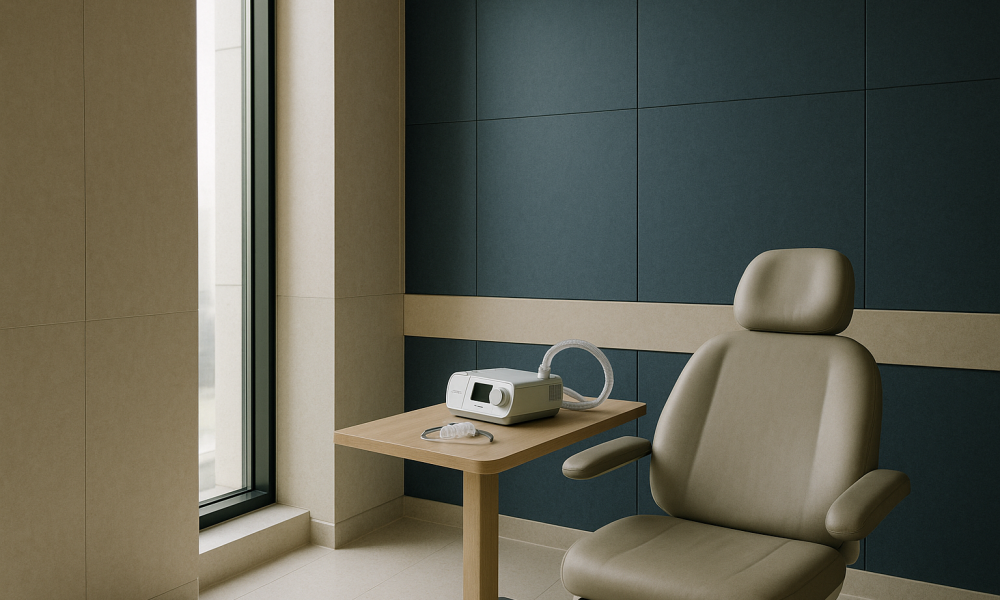
What Sleep Apnea Surgery is and who it is for
Sleep apnea is a condition characterised by repeated interruptions in breathing during sleep, often leading to disrupted sleep and a range of related health issues such as daytime fatigue, cardiovascular problems, and metabolic disorders. Surgery is considered when other treatments, like Continuous Positive Airway Pressure (CPAP) therapy, have not been effective or tolerated well by the patient.
There are several surgical options available for treating sleep apnea, each tailored to address specific anatomical causes of airway obstruction. Common procedures include Uvulopalatopharyngoplasty (UPPP), which involves the removal of excess tissue from the throat to widen the airway, and Genioglossus Advancement, where the tongue muscle is repositioned to prevent airway collapse. Another option is Maxillomandibular Advancement (MMA), a more comprehensive surgery that repositions the jawbones to enlarge the airway.
These surgeries are generally performed under general anaesthesia and can take anywhere from 1 to 3 hours, depending on the complexity of the procedure. Patients are typically required to stay in the hospital for 1 to 2 nights post-surgery for observation and initial recovery. The ultimate goal of these surgeries is to reduce or eliminate the apneic episodes, thereby improving sleep quality and reducing associated health risks.
Individuals considering sleep apnea surgery in Turkey can benefit from the country’s well-established healthcare infrastructure, experienced surgeons, and the cost-effectiveness of the procedures. The indicative cost of surgery in Turkey ranges from £1,500 to £3,000, which is often significantly lower than in the UK, Europe, or North America. This cost advantage, combined with the high standard of care, makes Turkey an attractive destination for medical tourists seeking sleep apnea treatment.
Are you a good candidate?
Determining whether you are a suitable candidate for sleep apnea surgery involves a thorough evaluation by a healthcare professional. This evaluation typically includes a detailed medical history, a physical examination, and possibly a sleep study to accurately diagnose the severity of your condition.
Here are some criteria that might make you a good candidate for sleep apnea surgery:
- Diagnosis of Obstructive Sleep Apnea (OSA): Surgery is generally considered for those diagnosed with moderate to severe OSA, especially when other treatments have failed.
- Non-responsiveness or intolerance to CPAP: If you have tried CPAP therapy but found it ineffective or intolerable, surgery might be an alternative option.
- Anatomical abnormalities: Structural issues, such as enlarged tonsils, a deviated septum, or excess throat tissue, that contribute to airway obstruction can often be addressed surgically.
- Overall health: Candidates should be in good general health to undergo surgery and should not have any conditions that could complicate surgery or recovery.
- Age considerations: While age itself is not a strict barrier, younger patients with fewer comorbidities often recover more quickly and effectively.
- Realistic expectations: Understanding that surgery may not completely cure sleep apnea but can significantly reduce symptoms is crucial for patient satisfaction.
If you meet these criteria, a consultation with a specialist in Turkey could provide further insights into whether surgery is the right option for you. The specialist will evaluate your specific situation and discuss the potential benefits and risks associated with surgical intervention.
The procedure, step by step
Undergoing sleep apnea surgery in Turkey involves a series of carefully planned steps designed to ensure safety and effectiveness. Below is a detailed overview of the procedure, typically following a pre-operative assessment and consultation.
- Pre-operative Assessment: Before the surgery, patients undergo a comprehensive evaluation, which includes a medical history review and various diagnostic tests such as polysomnography (sleep study) and imaging studies, like X-rays or CT scans. This assessment helps determine the most suitable surgical approach based on the severity and anatomical causes of the sleep apnea.
- Anaesthesia: On the day of the surgery, the patient is administered general anaesthesia to ensure they remain unconscious and free of pain throughout the procedure. An anaesthesiologist monitors vital signs and adjusts medications as necessary.
- Surgical Procedure: The specific surgical technique employed depends on the patient’s individual condition. Common procedures include Uvulopalatopharyngoplasty (UPPP), which involves the removal of excess tissue from the throat to widen the airway, and Genioglossus Advancement (GA), where the tongue muscle is repositioned. Surgeons may also perform a Maxillomandibular Advancement (MMA), which involves repositioning the upper and lower jaws to enlarge the airway. Each technique is tailored to address the unique anatomical obstructions contributing to the patient’s sleep apnea.
- Post-operative Monitoring: After the surgery, patients are moved to a recovery room where they are closely monitored by medical staff. Vital signs such as heart rate, blood pressure, and oxygen levels are regularly checked. Pain management is initiated, often involving medications like paracetamol or ibuprofen.
- Initial Recovery: Following a few hours in recovery, patients are usually transferred to a hospital room for further observation. Most patients can expect to stay in the hospital for 1 to 2 days, depending on the complexity of the surgery and their individual response to the procedure.
- Discharge Planning: Before discharge, patients receive detailed instructions on home care, medication schedules, and follow-up appointments. They are advised on dietary restrictions and activities to avoid during the initial recovery period to ensure proper healing.
Throughout the procedure, the medical team prioritises patient safety and comfort, ensuring that each step is meticulously managed to promote the best possible outcomes.
Recovery timeline
The recovery period following sleep apnea surgery can vary based on the type of surgery performed and the individual patient’s health. Below is a general timeline that outlines what patients can expect during the recovery process.
| Period | What to expect | Care notes |
|---|---|---|
| Day 1 | Patients may experience swelling, soreness, and mild discomfort in the throat area. Pain is typically managed with prescribed analgesics. | Rest is crucial. Patients should avoid speaking excessively and follow a liquid or soft diet. |
| Day 2-3 | Swelling may peak, and some patients report mild difficulty swallowing. Bruising around the surgical site is common. | Continue pain management as directed. Use ice packs to reduce swelling and adhere to dietary recommendations. |
| Week 1 | Most patients notice a decrease in swelling and discomfort. Energy levels may still be low. | Gradually reintroduce soft foods. Avoid strenuous activities and maintain hydration. |
| Weeks 2-3 | Significant improvement in comfort levels. Some patients may begin to notice improvements in sleep quality. | Follow up with healthcare provider. Begin gentle exercises as advised but avoid heavy lifting. |
| Weeks 4-6 | Most patients are able to resume normal activities. Residual swelling may persist but generally decreases. | Regular follow-up appointments are essential. Continue to avoid activities that may strain the surgical site. |
| Full Recovery (8-12 weeks) | By this period, patients typically experience full recovery with noticeable improvements in sleep apnea symptoms. | Maintain a healthy lifestyle to support surgical outcomes, including weight management and regular exercise. |
It is important for patients to adhere to their surgeon’s specific instructions and attend all scheduled follow-up appointments to ensure optimal recovery and address any complications promptly.
What it costs: Turkey vs the UK, Europe and North America
When considering sleep apnea surgery abroad, cost is a significant factor for many patients. Turkey has emerged as a popular destination due to its competitive pricing combined with high-quality medical care. However, understanding the cost differences between Turkey, the UK, Europe, and North America is crucial for informed decision-making. Below is a table comparing the indicative price ranges for sleep apnea surgery across these regions, along with typical package inclusions.
| Region | Indicative Price Range (GBP) | Typical Package Inclusions |
|---|---|---|
| Turkey | £2,000 – £4,000 | Pre-operative consultations, surgery, hospital stay, post-operative care, airport transfers |
| UK | £5,000 – £8,000 | Pre-operative consultations, surgery, hospital stay |
| Europe | £6,000 – £10,000 | Pre-operative consultations, surgery, hospital stay, limited post-operative care |
| North America | £7,000 – £12,000 | Pre-operative consultations, surgery, hospital stay |
It is important to note that these figures are indicative and can vary based on the specific procedure, the complexity of the case, the choice of hospital, and the surgeon’s expertise. In Turkey, many clinics offer comprehensive packages that not only include the surgery itself but also cover accommodation, transportation, and sometimes even post-operative tourism activities. This can make the overall experience more convenient and cost-effective for international patients.
While the cost of surgery in Turkey is generally lower, it is essential to ensure that the savings do not come at the expense of quality or safety. Prospective patients should conduct thorough research into the credentials of the healthcare providers, the accreditation of the hospitals, and the experience of the surgeons. Accredited facilities in Turkey often adhere to international standards, providing reassurance that patients are receiving care comparable to that in their home countries.
Ultimately, the decision should be based not solely on cost but also on the overall value, including the quality of care, the reputation of the healthcare provider, and the post-operative support offered. Patients are encouraged to request detailed breakdowns of costs and inclusions from potential providers to fully understand what is covered and what additional expenses might arise.
Risks and how accredited providers manage them
Like any surgical procedure, sleep apnea surgery carries certain risks, and it is crucial for patients to be aware of these before proceeding. Common risks associated with sleep apnea surgery include infection, bleeding, adverse reactions to anaesthesia, and potential changes in voice. Additionally, there is a possibility that the surgery may not completely resolve the symptoms of sleep apnea, necessitating further treatment.
Accredited providers in Turkey take several measures to manage these risks effectively. Pre-operative assessments are thorough, involving detailed medical histories and physical examinations to identify any potential risk factors. This screening process helps in tailoring the surgical approach to each individual’s needs, thereby minimising the chance of complications.
During surgery, accredited clinics utilise advanced techniques and equipment to ensure precision and safety. Surgeons are typically highly experienced, often having trained or collaborated internationally, which enhances their expertise in managing complex cases. Operating rooms are equipped with state-of-the-art technology that meets international standards, further ensuring patient safety.
Post-operative care is a critical component in managing risks. Accredited providers in Turkey offer comprehensive post-operative support, which includes monitoring for any signs of complications, providing pain management, and offering guidance on recovery and lifestyle adjustments. Patients are usually required to stay in the hospital for a short period following the surgery to ensure any immediate post-operative issues can be promptly addressed.
Accreditation bodies, such as the Joint Commission International (JCI), play a pivotal role in maintaining high standards of care. Clinics and hospitals with JCI accreditation are regularly audited to ensure compliance with stringent healthcare quality criteria. This accreditation provides an additional layer of assurance for international patients seeking treatment in Turkey.
Patients are encouraged to engage in open communication with their healthcare providers, asking questions about the risks and the measures in place to mitigate them. Understanding the potential complications and the strategies employed by experienced providers can help patients make informed decisions and approach their surgery with confidence.
Ultimately, while no surgery is without risk, the combination of skilled professionals, advanced medical facilities, and rigorous safety protocols in accredited Turkish clinics can significantly reduce the likelihood of adverse outcomes, offering patients peace of mind and a better chance of a successful recovery.
How to choose the right provider
Choosing the right provider for sleep apnea surgery in Turkey is a critical step in ensuring a successful outcome. Start by verifying the accreditation of the hospital or clinic. Look for facilities accredited by international bodies such as the Joint Commission International (JCI) or the International Organization for Standardization (ISO). These accreditations indicate adherence to stringent healthcare standards.
Next, consider the experience and qualifications of the surgeon. Ideally, the surgeon should be a board-certified otolaryngologist with specific experience in sleep apnea surgeries. Look for a surgeon with at least 5-10 years of relevant experience and a track record of successful outcomes. Request information on their surgical training and any additional certifications they might hold.
Aftercare is another essential factor. Quality aftercare can significantly influence recovery. Ensure that the provider offers comprehensive postoperative care, including regular follow-up appointments, access to medical staff for queries, and clear instructions for home care. Some facilities might offer remote follow-up options, which can be particularly beneficial for international patients.
Be vigilant about red flags that might indicate suboptimal care. These include unusually low prices that seem too good to be true, lack of transparency in costs, and reluctance to provide credentials or patient testimonials. Additionally, if the facility pressures you to make a quick decision or does not provide clear, written treatment plans, consider it a warning sign.
- Accreditation: Look for JCI or ISO certifications.
- Surgeon Experience: Board-certified, 5-10 years in sleep apnea surgery.
- Aftercare: Comprehensive postoperative support, remote follow-up options.
- Red Flags: Unrealistic prices, lack of transparency, pressure tactics.
Planning your trip
Proper planning is essential when travelling to Turkey for sleep apnea surgery. Start by establishing a timeline for your trip. It is advisable to begin consultations with your chosen provider at least 3-6 months before the intended surgery date. This allows ample time for medical evaluations, obtaining necessary documents, and planning logistics.
Ensure you have all the required documentation. This includes your medical records, a valid passport, and any necessary visas. Depending on your home country, you may need to apply for a visa to enter Turkey; check the latest visa requirements well in advance.
Typically, the length of stay in Turkey for sleep apnea surgery ranges from 7-10 days. This includes preoperative consultations, the surgery itself, and initial recovery. However, you should discuss the specific timeline with your healthcare provider, as individual recovery times may vary.
It’s crucial to plan for follow-up care once you return home. Confirm with your Turkish provider what follow-up is necessary and arrange for any needed appointments with your local healthcare provider. Many clinics offer remote follow-up services, which can be a convenient option to maintain continuity of care.
| Item | Details |
|---|---|
| Timeline | Start planning 3-6 months in advance |
| Documents | Medical records, passport, visa (if required) |
| Length of Stay | 7-10 days |
| Follow-up | Remote services or local healthcare provider |
Frequently Asked Questions
What is the typical cost of sleep apnea surgery in Turkey?
The cost of sleep apnea surgery in Turkey can vary widely depending on the type of surgery and the facility. Generally, prices range from £2,000 to £4,000. This typically includes the surgery itself, hospital stay, and initial postoperative care. Always confirm what is included in the quoted price to avoid unexpected expenses.
Are there any risks associated with sleep apnea surgery?
As with any surgery, there are risks involved, including infection, bleeding, and reactions to anaesthesia. Specific to sleep apnea surgery, there may be a risk of changes in vocal quality or persistent pain. It's crucial to discuss these risks with your surgeon before deciding on the procedure.
How do I verify a surgeon's credentials in Turkey?
To verify a surgeon's credentials, check if they are board-certified in otolaryngology and have specific experience in sleep apnea surgeries. You can also ask for their training history and any additional certifications. Reliable clinics will provide this information readily.
What should I expect during the recovery period?
Recovery from sleep apnea surgery typically involves some discomfort and swelling, which can last for a few weeks. Pain management will be part of your aftercare plan. You may need to follow a special diet and avoid strenuous activities for a period. Regular follow-up appointments are essential to monitor your healing.
Can I travel alone for the surgery?
While it's possible to travel alone, it is generally recommended to have a companion. Having someone with you can provide support during the recovery phase and assist with transportation and communication, especially if you're unfamiliar with the local language.
How long before I can return to work after surgery?
Most patients can return to work within 1-2 weeks after surgery, depending on the nature of their job and their individual recovery. It's important to follow your surgeon's advice and not rush back to work if your body needs more time to heal.
Is sleep apnea surgery covered by insurance?
Coverage for sleep apnea surgery varies by insurance provider and policy. Some international health insurance plans may cover the procedure if it is deemed medically necessary. It's advisable to contact your insurance provider to discuss coverage options before making any arrangements.
What kind of post-operative care is provided in Turkey?
Post-operative care in Turkey typically includes regular follow-up visits, medication for pain management, and dietary guidance. Some clinics offer remote consultations to help manage your recovery once you return home. Ensure your chosen provider outlines their aftercare services clearly.
What are the signs that I need sleep apnea surgery?
Surgery for sleep apnea is generally considered when other treatments, like CPAP, have failed. Symptoms indicating the need for surgery include severe snoring, chronic fatigue, and documented apnoea episodes despite other treatments. A thorough evaluation by a specialist is essential.
How safe is it to have surgery in Turkey?
Turkey has many internationally accredited hospitals and experienced surgeons, making it a safe option for medical tourists. However, it's crucial to choose a reputable facility with a proven track record in sleep apnea surgeries to ensure the highest safety standards.
What types of sleep apnea surgery are available?
Several types of surgery are available, including Uvulopalatopharyngoplasty (UPPP), Genioglossus advancement, and Maxillomandibular advancement. The choice of surgery depends on the specific causes of your sleep apnea, which will be determined through a detailed evaluation by your surgeon.
How soon after surgery can I fly back home?
Patients are generally advised to wait at least 7-10 days before flying home. This allows time for initial recovery and ensures there are no immediate complications. Always consult with your surgeon to confirm when it's safe for you to travel.