
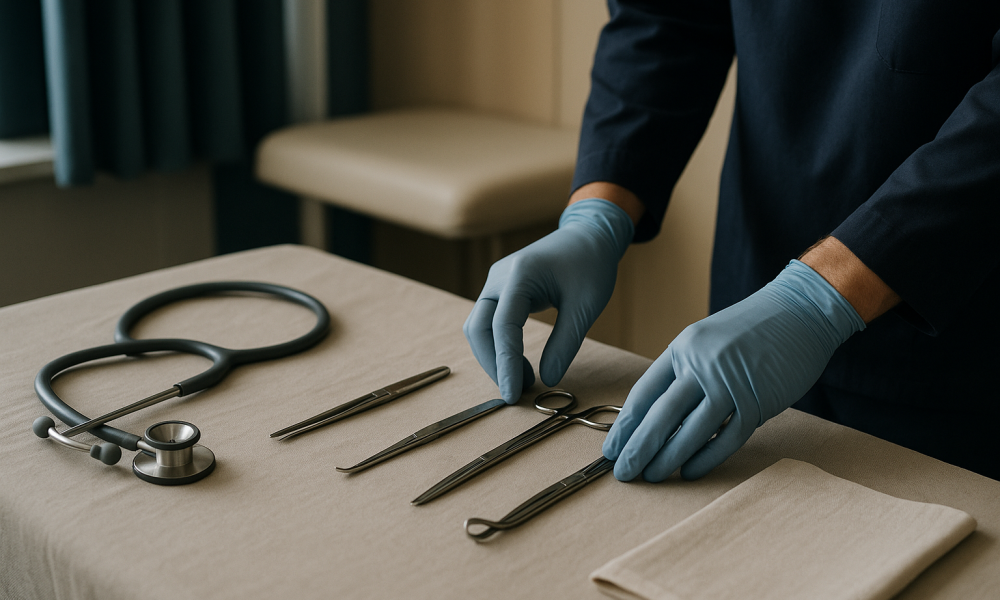
What Pilonidal Cyst Surgery is and who it is for
Pilonidal cyst surgery is a medical procedure aimed at removing a cyst that typically forms near the tailbone, at the top of the buttocks. These cysts can become infected, leading to significant discomfort and potential complications if left untreated. The surgery is generally considered when non-surgical treatments such as antibiotics or drainage have failed to resolve the issue, or when recurrent cysts persist.
The surgery itself involves the excision of the cyst and surrounding tissue, sometimes using a technique where the wound is left open to heal naturally or closed with sutures. The choice between these methods depends on the size and severity of the cyst, as well as the surgeon’s expertise. The procedure typically takes between 30 to 60 minutes, and is often performed under local or general anaesthesia depending on patient preference and medical advice.
In Turkey, pilonidal cyst surgery is performed by qualified surgeons who are experienced in dealing with this condition. The healthcare facilities are generally well-equipped, with many offering services tailored to international patients. Surgeons often use modern techniques that aim to reduce recovery time and minimise the risk of recurrence. Patients can expect a hospital stay that is usually conducted as a day case, allowing them to return to their accommodation the same day.
After surgery, patients are advised to avoid strenuous activities and maintain good hygiene to promote healing. The typical recovery time is between four to six weeks, during which time follow-up appointments may be necessary to monitor healing and address any concerns. While the results of the surgery are immediately visible in terms of cyst removal, full recovery can take several weeks, during which patients may experience some discomfort and need to manage wound care diligently.
Are you a good candidate?
Determining if you are a good candidate for pilonidal cyst surgery involves assessing several factors related to your health and the nature of the cyst. This procedure is generally recommended for those who experience frequent or severe symptoms that impact daily life, such as pain, infection, or drainage from the cyst. Candidates should be in good general health to withstand surgery and recovery.
The following checklist can help you evaluate your candidacy:
- Recurrent Infections: Have you experienced more than one infection associated with the cyst?
- Chronic Pain: Are you suffering from ongoing pain or discomfort in the affected area?
- Previous Treatments: Have non-surgical treatments such as antibiotics or drainage been ineffective?
- Impact on Daily Life: Is the cyst affecting your ability to work, exercise, or perform daily activities?
- Overall Health: Are you generally healthy, with no contraindications to anaesthesia?
- Willingness to Commit: Are you prepared to follow post-operative care instructions and attend follow-up appointments?
If you checked most of these criteria, you might be a suitable candidate for pilonidal cyst surgery. However, a thorough consultation with a healthcare professional is essential to confirm this and to discuss potential risks and benefits. In Turkey, many clinics offer comprehensive assessments to ensure that the procedure aligns with your health needs and personal circumstances.
It’s important to communicate openly with your surgeon about any concerns you may have, including your medical history and any allergies, to optimise the surgical outcomes. Understanding the recovery process and setting realistic expectations is also crucial. This includes recognising that while surgery can provide relief from symptoms, careful post-operative care is key to preventing recurrence.
The procedure, step by step
Pilonidal cyst surgery in Turkey generally involves a straightforward procedure aimed at removing the cyst and any associated sinus tracts to prevent recurrence. The surgery is performed under local or general anaesthesia, depending on the complexity of the case and the patient’s preference. Here is a step-by-step overview of what the procedure typically involves:
- Preoperative Preparation: Before the surgery begins, you will have a consultation with your surgeon to discuss the procedure and any specific concerns. Preoperative tests, such as blood tests or imaging, may be conducted to ensure you are fit for surgery.
- Anaesthesia Administration: The anaesthesia, whether local or general, will be administered to ensure you are comfortable and pain-free during the procedure. The choice between local and general anaesthesia is often based on the size and complexity of the cyst.
- Incision and Drainage: The surgeon makes an incision over the cyst to drain any pus or fluid. This step is crucial for relieving pressure and reducing inflammation. If the cyst is infected, antibiotics may be administered before or after this step.
- Cyst and Sinus Tract Removal: The surgeon carefully excises the cyst and any sinus tracts. This step is vital to prevent recurrence. The extent of tissue removal depends on the size and depth of the cyst and tracts.
- Closure Techniques: After removal, the surgeon may choose between different closure techniques. Options include primary closure, where the wound is sutured immediately, or secondary intention, where the wound is left open to heal naturally. The choice depends on the specific case and the surgeon’s expertise.
- Application of Dressings: Once the surgical site is managed, a dressing is applied to protect the area and absorb any drainage. The type of dressing used can vary, but it is typically a sterile, absorbent material.
- Postoperative Instructions: After the procedure, the surgeon or medical team will provide detailed postoperative care instructions. This typically includes guidance on wound care, pain management, and activity restrictions to ensure optimal healing.
Pilonidal cyst surgery is generally well-tolerated and the procedure itself is usually completed within 30 to 60 minutes. However, complex cases may require more time. Patients are typically discharged the same day, although some may require a short hospital stay for observation, especially if general anaesthesia is used.
Recovery timeline
The recovery process following pilonidal cyst surgery varies depending on the procedure performed and individual patient factors. Below is a typical recovery timeline:
| Period | What to expect | Care notes |
|---|---|---|
| Day 1 | Post-surgery discomfort and mild pain are normal. The surgical area may feel tender and swollen. | Rest and avoid strenuous activities. Follow pain management guidelines provided by your healthcare provider. |
| Days 2-3 | Swelling and discomfort should begin to decrease. The wound may start to drain slightly. | Keep the area clean and dry. Change dressings as instructed. Continue prescribed pain relief if needed. |
| Week 1 | Improved mobility and reduced pain. The wound may still require dressing changes. | Attend follow-up appointments. Adhere to all wound care instructions to prevent infection. |
| Weeks 2-3 | Significant reduction in discomfort. Wound edges may start to close, especially with primary closure. | Gradually resume light activities. Avoid sitting for prolonged periods. Consult your doctor before engaging in more physical activities. |
| Weeks 4-6 | Wound healing progresses. Most patients can return to normal activities, barring heavy lifting or intense exercise. | Continue to monitor the wound for signs of infection. Follow any additional care instructions from your healthcare provider. |
| Full Recovery (6-8 weeks) | The wound should be fully healed. Scarring may be present but will fade over time. | Maintain good hygiene. Consider consulting a dermatologist if concerned about scar appearance. |
It’s important to note that individual recovery times can vary. Some patients may heal faster, while others may take longer, particularly if complications arise. Regular follow-up appointments are essential to monitor healing and address any concerns promptly.
What it costs: Turkey vs the United Kingdom
When considering pilonidal cyst surgery, cost is a significant factor for many international patients. Prices can vary considerably between countries, and Turkey is often noted for its competitive pricing compared to the United Kingdom. However, it is essential to understand that these figures are indicative and can fluctuate based on various factors, including the complexity of the case, the type of surgery chosen, and the specific healthcare provider.
| Country | Indicative Price Range (GBP) | Typical Package Inclusions |
|---|---|---|
| Turkey | £1,200 – £2,500 |
|
| United Kingdom | £3,000 – £6,000 |
|
In Turkey, the cost for pilonidal cyst surgery typically ranges from £1,200 to £2,500. This price often includes the initial consultation, surgical fees, hospital stay ranging from one to three days, post-operative care, and a follow-up consultation. In the United Kingdom, the same procedure can cost between £3,000 and £6,000, generally covering similar package elements, though follow-up consultations might not always be included in the initial package and could incur additional costs.
Beyond the base cost, prospective patients should also consider travel expenses, which may include flights, accommodation, and local transportation. While these are additional costs, many find that the overall expenditure remains lower than undergoing the procedure in the UK, even when factoring in travel.
It is advisable for patients to directly contact clinics to obtain a detailed quote tailored to their specific needs and circumstances. Many Turkish healthcare providers offer flexible payment plans and the possibility of package deals that can further enhance affordability. Always ensure that the quoted price includes all expected and potential additional costs to avoid any surprises.
Risks and how accredited providers manage them
Pilonidal cyst surgery, like any surgical procedure, carries certain risks. Understanding these risks and how accredited providers in Turkey manage them is crucial for prospective patients. It is important to approach this information with a balanced perspective, recognising both the potential complications and the measures taken to mitigate them.
Common risks associated with pilonidal cyst surgery include infection, bleeding, and recurrence of the cyst. Infection is a concern with any surgery, but accredited providers in Turkey implement stringent hygiene protocols to minimise this risk. These include the use of sterile equipment, proper surgical techniques, and post-operative care instructions to ensure the wound remains clean and free from infection.
Bleeding is another potential complication, though it is generally rare and managed effectively through careful surgical techniques and post-operative monitoring. Patients are usually advised to avoid strenuous activities for a few weeks post-surgery to reduce the risk of bleeding and aid in healing.
Recurrence of the cyst is a significant concern for many patients. Accredited clinics in Turkey often employ advanced surgical techniques aimed at reducing this risk. Techniques such as the Bascom cleft lift or flap procedures are designed to minimise the chances of recurrence by addressing the root cause of the cyst and promoting proper healing.
Accredited providers also ensure comprehensive patient education as part of their risk management strategy. Patients receive detailed pre-operative and post-operative instructions, which include guidance on wound care, activity restrictions, and signs of potential complications to watch for. This education empowers patients to participate actively in their recovery process, potentially reducing the incidence of complications.
Moreover, Turkish healthcare providers are often part of international accreditation programmes, such as JCI (Joint Commission International), which require adherence to high standards of patient safety and care. These accreditations ensure that clinics maintain rigorous safety protocols, continuously monitor patient outcomes, and implement quality improvement measures where needed.
In summary, while pilonidal cyst surgery does carry certain risks, accredited providers in Turkey are well-equipped to manage these through a combination of advanced surgical techniques, stringent hygiene protocols, and comprehensive patient education. Patients are encouraged to discuss all potential risks and management strategies with their chosen provider to ensure a clear understanding of what to expect before, during, and after surgery.
How to choose the right provider
Choosing the right provider for pilonidal cyst surgery in Turkey is crucial to ensure a safe and successful treatment experience. Here are key factors to consider:
- Accreditation: Look for clinics and hospitals that are accredited by reputable international healthcare organizations, such as the Joint Commission International (JCI). Accreditation ensures that the facility meets high standards of quality and safety in healthcare delivery.
- Surgeon Experience: Research the surgeon’s qualifications and experience in treating pilonidal cysts. An experienced surgeon is more likely to be familiar with the latest techniques and can handle any complications that may arise. Consider surgeons who have a track record of performing a significant number of these surgeries annually.
- Aftercare Services: Comprehensive aftercare is essential for recovery. Check if the provider offers follow-up consultations, wound care, and access to nursing staff. Aftercare should also include clear instructions on post-operative care, signs of infection to watch for, and advice on activity levels.
- Red Flags: Be wary of clinics that offer unusually low prices without disclosing what is included, or those that pressure you into making quick decisions. Lack of transparency in terms of costs, services, and surgeon qualifications should be considered a red flag.
By carefully evaluating these factors, you can choose a provider that aligns with your medical needs and personal preferences, ensuring a smoother and safer medical tourism experience.
Planning your trip
Planning your trip for pilonidal cyst surgery in Turkey involves several steps to ensure a seamless experience. Here’s a guide to help you organize your journey:
- Timeline Before Travel: It’s advisable to start planning at least 2-3 months before your intended surgery date. This allows ample time for consultations, securing travel arrangements, and addressing any medical prerequisites.
- Documents Required: Ensure you have a valid passport, and check if a visa is required for your stay in Turkey. It is also important to carry medical records, including any previous treatments and medications, as well as any correspondence with your chosen healthcare provider.
- Length of Stay: The typical stay for pilonidal cyst surgery is around 7 to 10 days. This period includes pre-operative consultations, the surgery itself, and initial recovery time. Depending on individual recovery rates, some patients may require a longer stay.
- Follow-up at Home: Arrange for follow-up care with a healthcare provider in the UK before you travel. This ensures continuity of care once you return home. Your Turkish provider should supply detailed records of your surgery and recovery to share with your local GP or specialist.
By following these steps, you can effectively plan your medical trip to Turkey, ensuring that all logistical and medical aspects are covered for a successful treatment outcome.
Frequently Asked Questions
What is the typical cost range for pilonidal cyst surgery in Turkey?
The cost for pilonidal cyst surgery in Turkey typically ranges from £1,200 to £2,500. This range is indicative and can vary based on the clinic, the surgeon's experience, and the specific requirements of your surgery. It's important to confirm what is included in the price, such as consultations, surgery, and aftercare.
How can I verify the accreditation of a Turkish clinic?
You can verify the accreditation of a Turkish clinic by checking with international accreditation bodies such as the Joint Commission International (JCI). Most accredited clinics will display their certification on their websites, or you can directly contact the accreditation body for confirmation.
What should I expect during the recovery period?
Recovery from pilonidal cyst surgery typically involves managing wound care and limiting physical activities for a few weeks. Initial recovery usually takes around 2 to 4 weeks, but complete healing can take longer. Your surgeon will provide specific aftercare instructions tailored to your surgery type.
Are there any risks associated with pilonidal cyst surgery?
As with any surgical procedure, there are risks involved, including infection, bleeding, and recurrence of the cyst. Choosing an experienced surgeon and following post-operative care instructions can help minimize these risks. Discuss potential complications with your surgeon before the operation.
How long will I need to stay in Turkey after the surgery?
Patients undergoing pilonidal cyst surgery in Turkey typically need to stay for about 7 to 10 days. This duration includes pre-surgery consultations, the surgery itself, and the initial recovery period. Your surgeon will advise you based on your specific case.
Do I need a visa to travel to Turkey for medical treatment?
UK citizens can travel to Turkey without a visa for stays up to 90 days within a 180-day period. However, it's always a good idea to check current travel advisories and requirements before your trip, as these can change.
What should I bring with me for my medical trip?
Bring your passport, any required visa documents, medical records, and any correspondence from your healthcare provider. It's also wise to pack comfortable clothing, personal care items, and any medications you are currently taking.
Can I travel alone for the surgery, or should I bring someone with me?
While you can travel alone, it's generally recommended to have a companion for support, especially during the recovery period. They can assist with mobility, help communicate with healthcare providers, and provide emotional support.
How can I ensure continuity of care once I return to the UK?
Arrange for follow-up care with a UK healthcare provider before you travel. Your Turkish healthcare provider should give you detailed records of your treatment to share with your local GP or specialist. This ensures seamless post-operative care.
What language is spoken at the medical facilities?
Most medical facilities catering to international patients in Turkey have English-speaking staff. However, it's a good idea to confirm this when choosing your provider to ensure clear communication regarding your treatment and care.
How do I handle post-operative care instructions if I don't speak Turkish?
Ensure that your post-operative care instructions are provided in English or your preferred language. Many international clinics in Turkey cater to English-speaking patients and will provide detailed instructions in English.
Is it safe to undergo surgery in Turkey?
Turkey is home to many highly qualified and internationally accredited healthcare facilities. By choosing a reputable clinic with experienced surgeons and ensuring thorough pre-travel planning, you can have a safe and successful surgery experience. Always discuss safety concerns with your chosen provider.