

For international patients considering healthcare options abroad, understanding the standards of a Turkish hospital is essential. Turkey has become a popular destination for medical tourism, offering modern facilities and competitive pricing. In this article, we will explore the standards, costs, and accreditation of Turkish hospitals, providing a comprehensive guide for prospective medical travellers.
What Makes Turkish Hospitals Stand Out?
Turkish hospitals stand out for their commitment to integrating state-of-the-art facilities with advanced medical technology. These institutions are well-equipped to handle a broad spectrum of medical procedures, ranging from cosmetic and reconstructive surgeries to more intricate treatments such as cardiovascular and neurological interventions. The investment in infrastructure over the past decade is evident in the hospitals’ ability to provide cutting-edge care, supported by technology like robotic surgery systems, advanced imaging, and minimally invasive techniques. This modernization ensures not only higher success rates but also reduced recovery times, benefiting both domestic and international patients.
Accreditation from esteemed international bodies like the Joint Commission International (JCI) adds another layer of distinction to Turkish hospitals. Achieving JCI accreditation requires hospitals to meet rigorous global standards for patient safety and care quality, which is demonstrated through regular evaluations and audits. For instance, a hospital must demonstrate adherence to over 1,200 measurable elements of performance covering all aspects of patient care and facility management. This accreditation assures patients of the reliability and excellence of medical services in Turkey, offering peace of mind to those traveling from abroad.
In addition to infrastructure and accreditation, Turkish hospitals are also distinguished by their commitment to patient-centered care. Multilingual staff, personalized treatment plans, and patient-friendly environments contribute to a positive experience for international patients. For example, a hospital might employ staff fluent in English, Russian, and Arabic to accommodate diverse patient backgrounds. By prioritizing comfort and communication, Turkish hospitals enhance patient satisfaction and ensure that individuals feel welcomed and understood throughout their healthcare journey. It’s this comprehensive care that positions Turkey as a leading hub for medical tourism.
How Do Turkish Hospitals Ensure Patient Safety?
Patient safety is a fundamental priority in Turkish hospitals, and they implement a multifaceted approach to minimize risks associated with medical care. These institutions adhere to stringent safety protocols, which include meticulous sterilization processes, regular maintenance of medical equipment, and strict compliance with hygiene standards. This commitment is crucial in preventing hospital-acquired infections and other complications, ensuring a safe environment for patients. For example, operating rooms are equipped with HEPA filters and are subject to daily purification processes, significantly reducing the risk of airborne contaminants.
To further enhance safety, Turkish hospitals conduct continuous training for their medical and support staff. This includes regular workshops and refresher courses on the latest medical practices and safety protocols. For instance, staff may participate in quarterly simulations of emergency scenarios to sharpen their preparedness and response skills. By keeping staff informed and up-to-date, hospitals ensure that their teams are prepared to handle any situation that may arise, thus fostering a culture of safety and vigilance within the hospital setting.
Moreover, Turkish hospitals understand the importance of effective communication in ensuring patient safety. Many hospitals employ multilingual staff or offer translation services to bridge any potential language barriers. This facilitates clear communication between patients and healthcare providers, preventing misunderstandings and ensuring that patients receive accurate information regarding their treatment. For example, a dedicated patient liaison might be assigned to international patients, guiding them through each step of their medical journey. This attention to communication is a vital component of the comprehensive care that international patients can expect when choosing a Turkish hospital.
What Are the Costs and Timelines for Treatments?
The cost of medical treatment in Turkish hospitals is notably competitive compared to Western countries, which is a significant factor driving the influx of medical tourists. For instance, dental procedures such as Turkish teeth implants can cost anywhere from 50% to 70% less than similar treatments in the United States or Western Europe. A typical dental implant procedure that might cost $4,000 in the U.S. can be obtained for around $1,200 in Turkey. Cosmetic surgeries, such as rhinoplasty or breast augmentation, are also offered at a fraction of the price found elsewhere, which makes them accessible to a wider range of patients.
In terms of timelines, Turkish hospitals are renowned for their efficiency in scheduling and conducting medical procedures. Many hospitals offer expedited services specifically tailored for international patients, ensuring minimal wait times. For example, a patient requiring a knee replacement might face a 6-12 month wait in their home country, whereas Turkish hospitals can often accommodate such procedures within weeks. Patients are encouraged to contact hospitals in advance to discuss potential timelines and any preparation required before their arrival in Turkey.
While the affordability and efficiency of Turkish hospitals are undoubtedly appealing, prospective medical travellers should also consider potential hidden costs, such as travel and accommodation expenses. However, many hospitals provide comprehensive packages that include these additional services, further enhancing the value proposition for international patients. These packages might include airport transfers, hotel accommodation, and post-operative care, which can significantly ease the patient’s journey. By carefully planning and consulting with healthcare providers, patients can maximize their medical travel experience and benefit from the high-quality, affordable care offered by Turkish hospitals.
How is Accreditation Assessed in Turkish Hospitals?
Accreditation for Turkish hospitals is a rigorous process overseen by both international organizations and national bodies. The Joint Commission International (JCI) is one of the primary accrediting bodies, known for its stringent evaluation criteria that ensure hospitals meet international standards for quality and patient safety. This accreditation process entails thorough assessments of a hospital’s clinical and operational procedures, with a focus on patient care, facility management, and overall quality assurance. It involves an extensive review process that can take several months, requiring hospitals to demonstrate compliance with over 300 standards and 1,200 elements of performance.
In addition to JCI, the Turkish Ministry of Health plays a pivotal role in the accreditation process. It conducts regular audits and evaluations to ensure that hospitals comply with national healthcare regulations and standards. These assessments are not limited to initial accreditation; hospitals must demonstrate continuous improvement and adherence to standards to maintain their accredited status. This ongoing evaluation ensures that patients receive reliable healthcare services consistently, with the Ministry often conducting surprise inspections to verify compliance.
The significance of accreditation cannot be overstated, as it provides international patients with the assurance that Turkish hospitals adhere to recognized standards of excellence. For patients considering medical tourism, verifying a hospital’s accreditation status should be a crucial step in their decision-making process. By choosing accredited institutions, patients can have confidence in the quality of care they will receive, which is a cornerstone of Turkey’s appeal as a medical tourism destination. It’s a reassurance that the hospital has not only met international benchmarks but is committed to maintaining them.
What Are the Common Treatments Sought by Medical Travellers?
Medical travellers to Turkey commonly seek a diverse array of treatments, each supported by the expertise of skilled medical professionals and cutting-edge technology. Dental procedures, such as Turkish teeth implants, are among the most sought-after treatments due to their affordability and high success rates. For instance, patients can expect to pay about one-third of the cost they would incur in Western countries, with similar or superior outcomes due to the high standards of care and materials used.
Cosmetic surgeries, including rhinoplasty, liposuction, and hair transplants, are also popular, with Turkey being recognized as one of the top destinations for aesthetic enhancements. Istanbul, in particular, has become synonymous with hair transplants, often referred to as the “hair transplant capital of the world.” The country boasts thousands of experienced surgeons specializing in these procedures, offering competitive prices and excellent results, often combined with vacation packages for a transformative experience.
Orthopaedic surgeries, such as knee and hip replacements, attract patients who are looking for effective solutions to mobility issues without the lengthy waiting times found in their home countries. In addition, Turkey has made significant advancements in fertility treatments, offering hope to couples struggling with infertility. The success rates of in vitro fertilization (IVF) treatments in Turkey are comparable to those in leading Western clinics, making it a viable option for many international patients.
Another area where Turkish hospitals excel is in ophthalmology, particularly in laser eye surgery and cataract treatments. The availability of skilled ophthalmologists and advanced technology ensures high-quality outcomes for patients seeking vision correction. By offering a comprehensive range of treatments across various specialties, Turkish hospitals cater to the diverse needs of medical tourists, further solidifying Turkey’s reputation as a premier destination for healthcare services.
How Does Turkey Support International Patients?
Turkey has developed a robust infrastructure to support international patients, ensuring a seamless and stress-free experience for those traveling for medical purposes. Many hospitals have established dedicated international patient departments that serve as a crucial resource for foreign visitors. These departments are responsible for coordinating logistics, such as arranging transportation, securing accommodations, and providing translation services. For instance, a hospital may offer a concierge service that manages all aspects of a patient’s journey from arrival to departure, ensuring a smooth and comfortable experience.
In addition to logistical support, international patient departments act as a liaison between patients and medical staff, facilitating clear communication and ensuring that patients’ needs are met throughout their treatment journey. This level of support is essential in providing peace of mind for patients who may be unfamiliar with the healthcare system or the local language. By addressing these potential challenges, Turkey aims to make the medical travel experience as comfortable and straightforward as possible. Hospitals often provide detailed pre-arrival instructions and schedules to help patients prepare for their treatments and recovery.
Furthermore, Turkey’s strategic location, bridging Europe and Asia, makes it an accessible destination for international patients from various regions. With a well-connected transportation network and numerous direct flights to major cities worldwide, patients can easily reach their chosen Turkish hospital. This accessibility, combined with the comprehensive support offered by dedicated hospital departments, enhances Turkey’s appeal as a leading destination for medical tourism. Additionally, the cultural richness and hospitality of Turkey offer patients an inviting environment to recover in peace and comfort.
Conclusion: Is Turkey the Right Choice for Your Medical Needs?
Choosing to receive treatment at a Turkish hospital can be a wise decision for international patients seeking high-quality, affordable healthcare. The country’s commitment to maintaining rigorous standards, combined with its modern facilities and comprehensive patient support, positions Turkey as a leading destination for medical tourism. Patients can expect advanced medical interventions, world-class care, and a chance to explore the rich cultural heritage of Turkey, all at a fraction of the cost they might incur elsewhere.
Prospective medical travellers should conduct thorough research and consult with healthcare professionals to make informed decisions about their treatment options. This includes verifying the accreditation status of hospitals, understanding the full scope of available services, and assessing potential costs beyond just the medical procedures. With the right preparation, patients can benefit from the exceptional medical services that Turkish hospitals have to offer. By considering factors such as accreditation, cost, and available support services, patients can ensure a successful and rewarding healthcare experience in Turkey.
Proven result
7× monthly international patients in 36 months
Multi-site hospital group
Frequently asked questions
What are the benefits of choosing a Turkish hospital?
Turkish hospitals offer high-quality care, modern facilities, and competitive costs, often with international accreditation.
Are Turkish hospitals safe for international patients?
Yes, many Turkish hospitals follow international safety standards and have accreditation from bodies like JCI.
How can I verify a hospital's accreditation in Turkey?
Check for accreditations from international organizations such as JCI or national bodies like the Turkish Ministry of Health.
What types of treatments are popular in Turkish hospitals?
Popular treatments include dental procedures, cosmetic surgeries, orthopaedic surgeries, and fertility treatments.
How do Turkish hospitals assist international patients?
They have international patient departments to help with logistics, language services, and liaising with medical staff.
Related guides
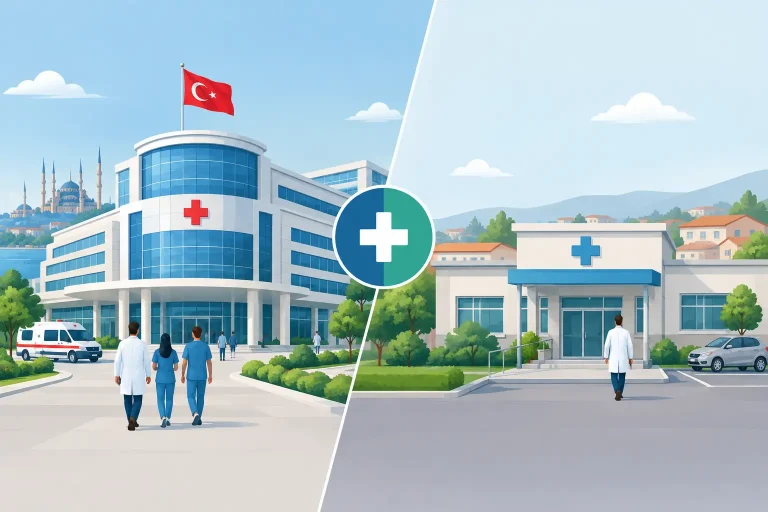
Turkey Hospitals vs Local Hospitals Compared
A lower procedure quote can get a patient’s attention. It should not make the decision on its own.…

Patient Experience That Drives Trust and Growth
A patient who has already uploaded medical records, compared providers, and arranged time away from work is not…

What Is a Medical Travel Facilitator and Why Use One?
A lower treatment quote can look compelling until you try to compare what it actually includes: surgeon fees,…