
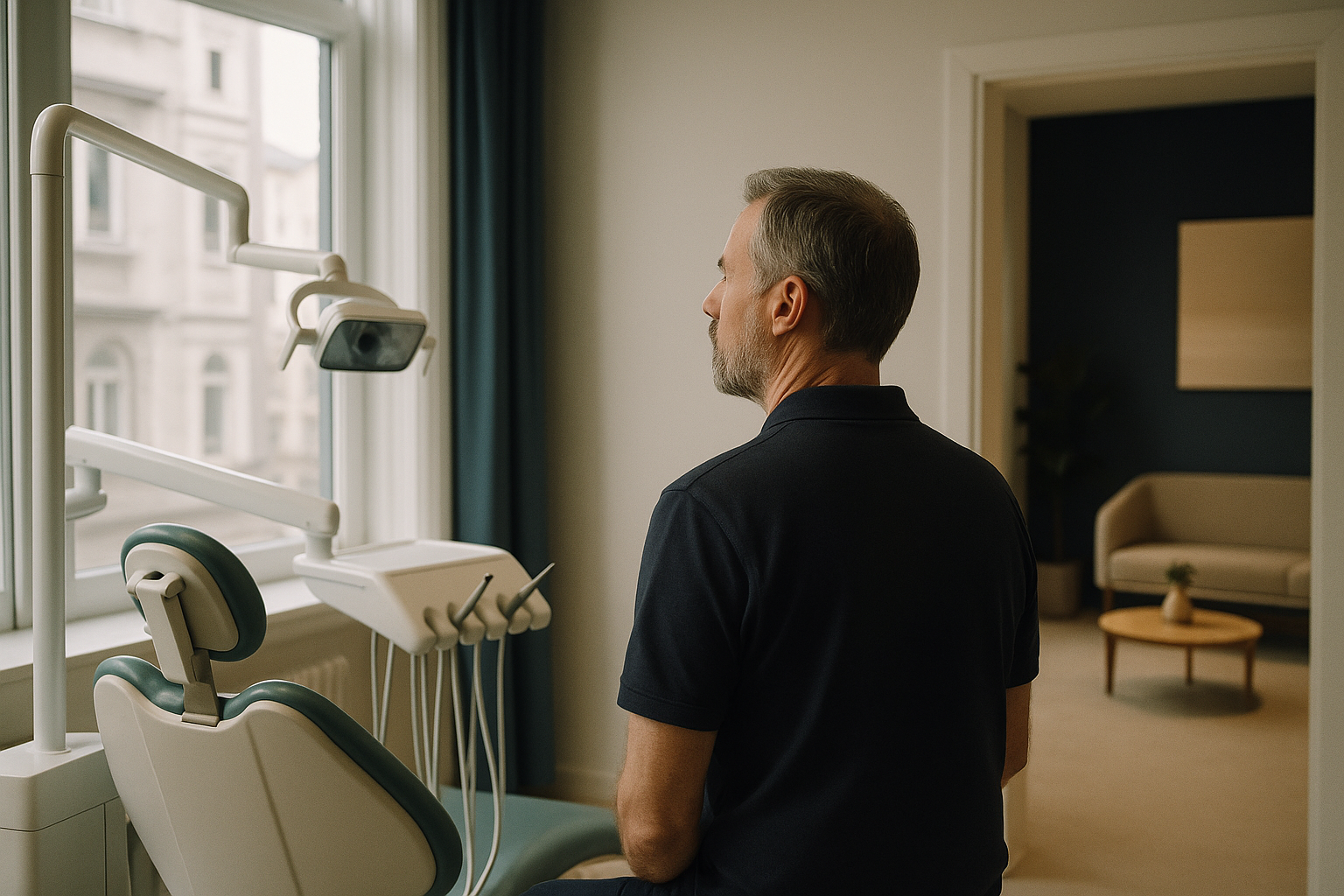
Travelling abroad for dental work has become a popular option for those seeking high-quality care at competitive prices. The best countries for dental work offer advanced technology, skilled professionals, and a welcoming environment for international patients.
Why Consider Dental Work Abroad?
Dental tourism presents a unique opportunity to combine healthcare with travel. Patients can access top-tier services often at a fraction of the cost found in their home countries. This is particularly appealing for extensive procedures like dental implants and cosmetic dentistry. In countries like Thailand and Hungary, the cost of dental implants can be up to 70% lower than in the United States or the United Kingdom. For instance, a single dental implant that might cost $3,500 in the U.S. could be around $1,000 in a leading Hungarian clinic. Patients can leverage these savings to enhance their travel experience, turning necessary healthcare into an opportunity for exploration and leisure.
Moreover, many countries have developed sophisticated healthcare systems that cater specifically to international patients, ensuring a seamless experience from consultation to recovery. For example, clinics often provide comprehensive packages that include airport transfers, accommodations, and even sightseeing tours. This holistic approach not only eases the logistical burden on patients but also enhances their overall experience. By choosing the right destination, patients can benefit from expert care and modern facilities while also enjoying the cultural offerings of their chosen location.
Another advantage is the shorter waiting times for treatments. Unlike some countries where patients might wait months for an appointment, dental destinations abroad often have shorter lead times, allowing for quicker access to necessary procedures. In places like Mexico, where the focus is on providing swift and efficient care, patients can often secure appointments within weeks. This is particularly beneficial for those seeking urgent dental care or those with busy schedules who cannot afford lengthy waits. The combination of quick access, cost savings, and the chance to travel makes dental tourism an attractive option for many.
What are the Best Countries for Dental Work?
Several countries have emerged as leaders in dental tourism, offering exceptional services and facilities. Hungary, for example, is renowned for its dental expertise, particularly in complex procedures and dental implants. Its clinics boast state-of-the-art equipment and highly trained professionals. Budapest, the capital, is home to numerous dental clinics that have gained international acclaim for their innovative techniques and patient care. Patients traveling to Hungary can expect high treatment standards, as well as the opportunity to explore a city rich in history and culture.
Thailand is another popular destination, known for its warm hospitality and cutting-edge dental technology. The country’s clinics are often located in major cities, making them easily accessible for international travelers. Cities like Bangkok and Phuket host some of the top dental clinics in Asia, which are often part of larger hospital networks that cater to medical tourists. The fusion of high-quality care, affordable pricing, and the chance to enjoy Thailand’s stunning beaches and vibrant culture makes it an attractive choice for dental tourists.
Mexico offers a convenient option for North American patients. With its close proximity and competitive pricing, it has become a favorite for those seeking quality dental care without the long-distance travel. Border towns like Tijuana and cities such as Cancun and Mexico City are known for their high-standard dental clinics. Patients can often save up to 50% on procedures compared to U.S. prices. Additionally, the minimal travel time and reduced costs on flights make Mexico a practical choice for quick and affordable dental work, especially for those looking to combine treatment with a short vacation.
How to Choose the Right Country for Your Needs?
Choosing the best country for dental work depends on several factors, including the specific treatment you need, your budget, and your willingness to travel. It’s crucial to research each destination’s healthcare standards and verify the accreditation of clinics and practitioners. Start by identifying what is most important for you, such as cost, proximity, or the reputation of specialists in your required procedure. For example, if cost is a significant factor, Mexico might be a top choice. However, for specialized treatments, you might consider Hungary or Thailand, known for specific expertise.
Consider the language barrier as well. Many dental clinics in popular destinations employ English-speaking staff to facilitate communication and ensure a comfortable experience for international patients. However, in some regions, it might be beneficial to know a few basic phrases or have access to translation services. Clinics that cater to international patients often provide translators or have multilingual staff to assist, which can significantly enhance the treatment experience and ensure clear communication at every stage.
Finally, look for patient reviews and testimonials. These can provide valuable insights into the quality of care and patient satisfaction at various clinics. Online platforms and forums can be useful resources for finding real patient experiences and recommendations. Pay close attention to reviews that discuss the outcomes of specific treatments, the professionalism of the staff, and the overall experience, including any potential challenges with logistics or aftercare. Making an informed decision involves balancing all these factors to choose a destination that aligns with your healthcare needs and personal preferences.
Understanding the Costs of Dental Treatments Abroad
One of the main attractions of dental tourism is the significant cost savings. Treatments abroad can be up to 70% cheaper than in countries like the United States or the United Kingdom. This affordability does not compromise the quality, as many destinations maintain rigorous healthcare standards. For instance, a full set of dental veneers might cost upwards of $20,000 in the U.S., whereas the same procedure in Thailand could be as low as $6,000. Such savings make it feasible for patients to consider additional procedures or invest in higher-quality materials for their treatment.
For example, dental implants in Hungary or Mexico can cost a fraction of the price in Western countries. Patients can also save on associated costs, such as accommodation and travel, by choosing packages that include these elements. Many clinics offer “dental holiday” packages that bundle the cost of treatment with travel arrangements and lodging, providing a comprehensive solution that simplifies the planning process. Such packages can further enhance cost-effectiveness by offering discounts and additional services, such as guided tours or wellness treatments.
It’s important to obtain a detailed cost breakdown before committing to any treatment. This should include all potential expenses, from initial consultations to post-procedure care, ensuring there are no hidden costs. Requesting a comprehensive quote helps in preparing an accurate budget and comparing offers from different clinics. Patients should also inquire about the terms of payment, any available financing options, and the policies on potential additional costs, such as those related to unforeseen complications or extended aftercare. Being thorough in financial planning can prevent unexpected expenses and ensure a smooth healthcare journey.
Ensuring Safety and Accreditation
Safety is a primary concern when seeking dental treatments abroad. Reputable clinics will be accredited by international bodies, ensuring they meet global healthcare standards. Look for certifications from organizations like the Joint Commission International (JCI) or the International Organization for Standardization (ISO). These accreditations ensure that clinics adhere to stringent safety and quality protocols, providing patients with peace of mind regarding the care they will receive. It is advisable to verify the accreditation status of a clinic directly through these organizations’ official websites to ensure legitimacy.
Before travelling, verify the credentials of the dental practitioners. Many countries require dentists to undergo rigorous training and certification processes, ensuring they are qualified to perform complex procedures. Checking a dentist’s credentials can often be done through national dental boards or professional associations, which provide information on the qualifications and specializations of practitioners. This step is vital in ensuring that you receive care from professionals with the necessary expertise and experience in your required treatment.
Additionally, consider clinics that offer comprehensive aftercare services. This can provide peace of mind, knowing that you will receive support and follow-up care after your treatment. Effective aftercare can significantly impact recovery, and it’s essential to understand what is included in your treatment package. Some clinics offer virtual consultations for follow-up, allowing patients to receive ongoing support even after they have returned home. Ensuring that you have access to reliable aftercare services ensures continuity of care and addresses any post-treatment concerns promptly, contributing to a positive dental tourism experience.
Planning Your Dental Tourism Journey
Planning is essential for a successful dental tourism experience. Start by researching potential destinations and treatments, and consult with your local dentist for recommendations and insights. Your dentist can provide valuable input regarding the feasibility of undergoing certain treatments abroad and may even have connections with reputable overseas clinics. This step ensures that your decision is based on professional advice and aligns with your long-term dental health goals.
Once you’ve selected a destination, arrange consultations with potential clinics. These initial discussions can be conducted online and will help you assess the quality of care and establish a treatment plan tailored to your needs. During these consultations, inquire about the specifics of the procedures, the qualifications of the dental team, and any pre-treatment requirements. Gathering this information helps set realistic expectations and allows you to prepare adequately for the journey.
Ensure you understand the visa requirements and any travel advisories for your chosen country. Some destinations may have specific entry requirements or health precautions in place. Checking with the consulate or embassy of the country you plan to visit can provide the most current information on travel policies and necessary documentation. Additionally, consider purchasing travel insurance that covers medical tourism, ensuring protection in case of travel disruptions or medical emergencies. With careful planning and preparation, you can embark on a dental tourism journey that is both safe and rewarding, allowing you to achieve your healthcare objectives while exploring new cultures.
Combining Dental Work with Travel
Many patients choose to extend their stay and explore their chosen destination. This is a great opportunity to experience new cultures and relax before or after your dental treatment. Consider destinations that offer a wide range of cultural and recreational activities, allowing you to make the most of your dental tourism trip. For example, after a procedure in Thailand, you might enjoy a relaxing beach holiday in Phuket, or in Hungary, you could explore the thermal baths and historic architecture of Budapest.
Destinations like Thailand offer beautiful beaches and vibrant cities, while Hungary is rich in history and cultural experiences. Mexico provides a mix of stunning landscapes and culinary delights. Take the opportunity to engage in local experiences, such as trying traditional Thai cuisine or visiting the ancient ruins in Mexico. These experiences not only enrich your trip but also provide a pleasant distraction during your recovery period, making the overall journey more fulfilling and enjoyable.
When planning your trip, ensure you allow sufficient time for recovery, especially if undergoing major dental procedures. This ensures you can fully enjoy your travels and return home well-rested and rejuvenated. Plan your itinerary to include downtime post-procedure, considering any restrictions advised by your dentist, such as avoiding strenuous activities. This approach allows you to balance healthcare with leisure, ensuring that you enjoy all aspects of your trip while prioritizing your health and well-being. With thoughtful planning, dental tourism can be a transformative experience that not only improves your dental health but also broadens your horizons through travel.
What to Expect During Recovery
Recovery times can vary depending on the procedure. For example, dental implants may require a few days of rest, while more complex surgeries might need longer recovery periods. It’s essential to understand the recovery timeline for your specific treatment, allowing you to plan accordingly. Discussing recovery expectations with your dentist before undergoing any procedure helps in setting realistic timelines and preparing for any necessary adjustments to your daily routine.
Follow your dentist’s post-procedure instructions carefully to ensure a smooth recovery. This may include dietary adjustments, medication, and follow-up appointments. Adhering to these guidelines is crucial for minimizing complications and promoting healing. For instance, soft foods might be recommended initially, and avoiding smoking or alcohol can be essential for proper healing. Being diligent about post-operative care instructions can significantly enhance recovery outcomes and ensure the success of your dental treatment.
Having access to reliable aftercare is crucial. Many clinics offer support services to assist with any concerns or complications that may arise after your treatment. Ensure that you have a clear understanding of what aftercare is included in your treatment package and how to contact your dentist for follow-up consultations. Some clinics provide online or telehealth support, allowing you to communicate with your dentist from home. This access ensures that any issues are addressed promptly and that you have ongoing support, contributing to a positive overall experience and optimal treatment results.
Conclusion: Making an Informed Decision
Opting for dental work abroad can be a rewarding decision, offering high-quality care and cost savings. By thoroughly researching your options and planning your journey, you can ensure a successful and satisfying experience. Consider all aspects of your treatment, from the qualifications of the dental team to the cultural experiences available at your destination, to make an informed choice that aligns with your health and travel goals.
Remember to prioritize safety, accreditation, and aftercare when choosing a clinic. With careful preparation, you can enjoy the benefits of dental tourism and return home with a healthy, confident smile. By taking the time to understand the process and make informed decisions, you can achieve excellent dental outcomes while enjoying the unique opportunities that travel provides. Dental tourism, when approached thoughtfully, offers a chance to enhance your well-being and expand your horizons, providing both medical and personal enrichment.
Proven result
80 to 240 dental patients a month from France
High-volume dental clinic, Istanbul
Frequently asked questions
What is the best country for medical tourism?
The best country for medical tourism varies based on treatment type, but Thailand, India, and Mexico are often top choices due to quality care and affordability.
Which country is best for dental implants?
Hungary is widely regarded as the best country for dental implants, offering advanced technology and experienced professionals at competitive prices.
Where is the best treatment for amputees and prosthetics abroad?
Germany and the United States are leaders in prosthetics, offering cutting-edge technology and comprehensive rehabilitation programs for amputees.
How do I ensure safety when choosing a clinic abroad?
Ensure the clinic is accredited by international bodies like JCI or ISO, and verify the credentials of dental practitioners to ensure they meet global standards.
What should I consider when planning dental tourism?
Research destinations, consult with local dentists, understand costs, and ensure comprehensive aftercare and support services are available post-treatment.
Is it safe to travel for dental work during the pandemic?
Check current travel advisories and entry requirements for your chosen destination. Many clinics have implemented strict health protocols for patient safety.
Related guides

Turkey Hospitals vs Local Hospitals Compared
A lower procedure quote can get a patient’s attention. It should not make the decision on its own.…

Patient Experience That Drives Trust and Growth
A patient who has already uploaded medical records, compared providers, and arranged time away from work is not…

What Is a Medical Travel Facilitator and Why Use One?
A lower treatment quote can look compelling until you try to compare what it actually includes: surgeon fees,…