
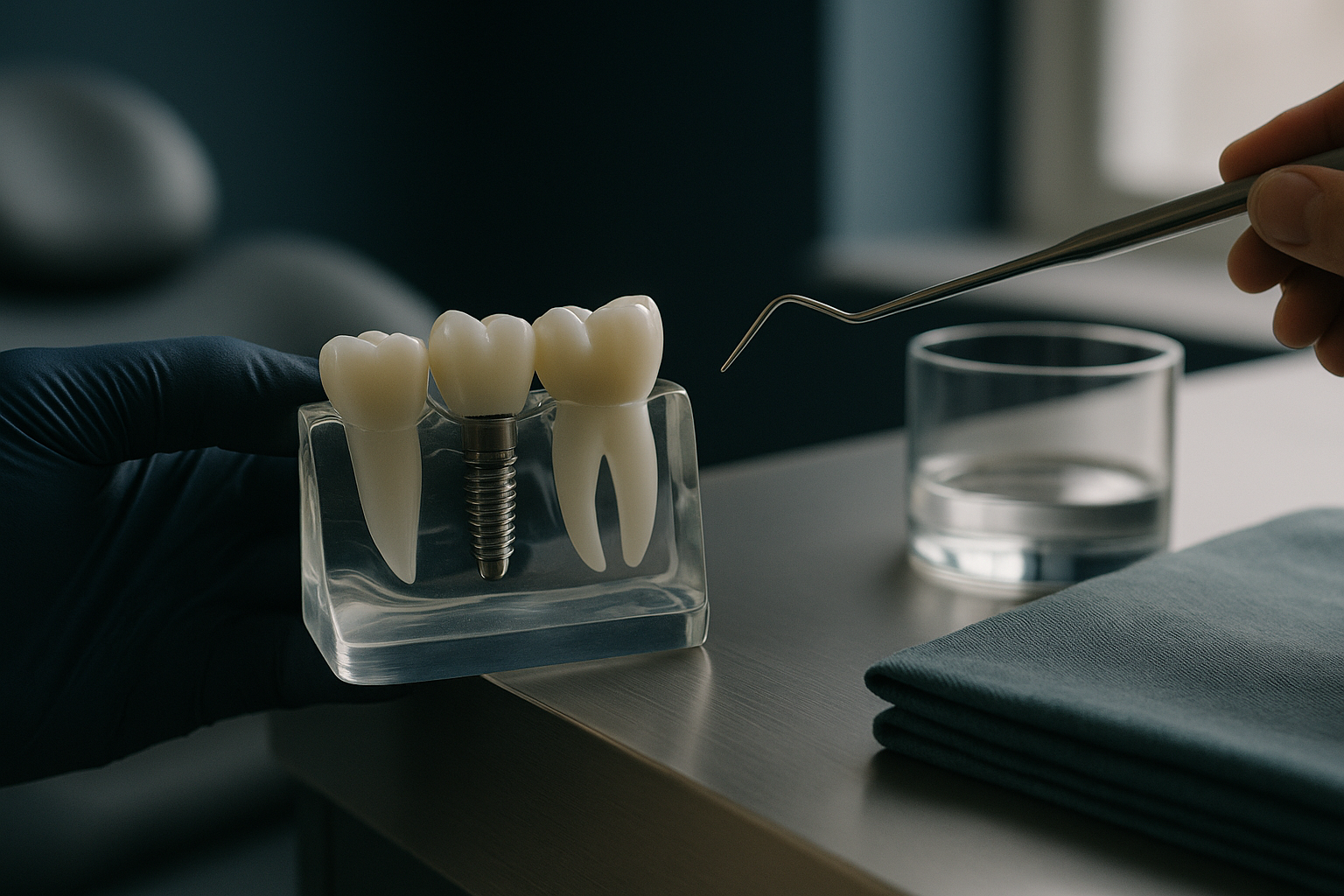
Dental implants offer a long-lasting solution for replacing missing teeth, but understanding the dental implants price is crucial for making an informed decision. This guide provides a comprehensive overview of costs, procedures, and timelines to help you plan your dental care journey.
What Factors Influence the Cost of Dental Implants?
The cost of dental implants can vary significantly due to several factors. One primary consideration is the geographical location of the treatment. Costs tend to be higher in urban areas compared to rural settings. For example, a dental implant in New York City might be priced significantly higher than the same procedure in a smaller town in the Midwest. This variation is largely due to the cost of living and operational expenses in different regions, which can affect the dental implants price. Understanding these regional differences is important for budgeting and setting realistic expectations.
Additionally, the expertise of the dental professional and the materials used in the implants also play a critical role in determining the overall price. A highly experienced oral surgeon with a track record of successful implants might charge more than a less experienced practitioner. This experience often translates to higher success rates and patient satisfaction, making the additional cost worthwhile for many. Similarly, high-quality materials such as titanium or zirconia used for the implant posts and crowns can drive up costs, but they offer better durability and aesthetics. Titanium, for instance, is known for its biocompatibility and strength, making it a preferred choice despite its higher price.
Another factor is the complexity of the dental condition. If additional procedures such as bone grafting or sinus lifts are required, this can increase the cost significantly. Bone grafting, for instance, can add $300 to $3,000 to the total expense. The necessity of these procedures is determined during a comprehensive evaluation by your dentist, who will assess bone density and oral health. Patients should also consider the type of implant chosen, as different materials and brands can vary in price. Premium brands like Nobel Biocare or Straumann, known for their reliability and success rates, are often more expensive than generic alternatives. These brands are often chosen for their innovative designs and extensive research backing their products.
How Much Do Dental Implants Typically Cost?
The cost of a single dental implant generally ranges from $1,500 to $6,000. These costs include the implant post, the abutment, and the crown. However, it is essential to note that these are average costs, and prices can vary based on the factors mentioned earlier. For instance, the brand of the implant, the expertise of the dentist, and the location of the clinic can all influence the final price tag. It’s critical to obtain a detailed estimate from your dental practitioner to understand the full scope of costs involved.
For those needing a full set of dental implants, often referred to as full mouth reconstruction, the costs can be significantly higher, typically ranging from $24,000 to $100,000. This wide range is due to the number of implants required and any additional procedures that might be necessary to prepare the mouth for implants. Procedures like all-on-four implants, which utilize fewer implants to support a full arch of teeth, can offer a more cost-effective solution, typically ranging from $20,000 to $35,000 per arch. This method is particularly beneficial for patients with limited bone density, as it requires fewer implants and less invasive surgery.
Moreover, the choice between traditional implants and more advanced methods, such as zygomatic implants for patients with severe bone loss, can also affect costs. Zygomatic implants, which anchor in the cheekbone, can be more expensive due to their complexity and the specialized training required to perform the procedure. Dentists often recommend this approach when the upper jaw bone is insufficient to support standard implants, offering a viable alternative without the need for extensive bone grafting. As with any medical procedure, consulting with a qualified professional to explore all available options is crucial.
Are There Payment Options for Dental Implants?
Many dental clinics offer flexible payment plans to help patients manage the cost of dental implants. These plans can include monthly payments, often with low or no interest, to make the procedure more affordable. For example, a patient might pay $200 to $500 per month over several years, depending on the total cost and the terms of the payment plan. It is advisable to discuss these options with your dental provider during the initial consultation to understand the specifics of what each plan entails and whether it suits your financial situation. This approach allows for more manageable budgeting and can make quality dental care accessible to a broader audience.
Some insurance plans may cover part of the dental implant costs, particularly those that include dental surgery. However, coverage varies widely, with some policies covering only the surgical component but not the crown or abutment. It is crucial to verify with your insurer what aspects of the procedure are covered. Contacting your insurance provider beforehand can clarify whether your plan includes dental implants and what the reimbursement process might look like. Being informed about your policy coverage can prevent unexpected expenses and allow for better financial planning.
In addition, third-party financing options such as CareCredit or LendingClub offer healthcare-specific credit lines that can cover dental procedures, including implants. These services often provide promotional financing with deferred interest, allowing patients to undergo necessary treatments without immediate financial burden. Researching and comparing different financing options can help you find the most favorable terms, ensuring that your investment in dental health is both affordable and sustainable over the long term.
What Are the Alternatives to Dental Implants?
For patients considering other options, dental veneers and dental composite veneers can offer aesthetic improvements at a potentially lower cost. Veneers, which are thin layers of porcelain or composite resin bonded to the front of the teeth, can cost between $250 and $2,500 per tooth. They are excellent for addressing cosmetic issues like discoloration or minor misalignments but do not replace missing teeth, unlike implants. Veneers are often chosen for their ability to transform a smile quickly, providing an immediate boost in confidence and appearance.
Dental facing is another alternative, providing a non-surgical way to improve the appearance of teeth. This option involves applying a thin coating to the existing teeth to enhance their look. While these options may be less invasive and more affordable, they do not offer the same longevity and stability as dental implants. Veneers typically last 10 to 15 years with proper care, whereas dental implants can last a lifetime with good oral hygiene. Choosing between these options involves considering both immediate aesthetic desires and long-term functional needs.
It is important to discuss these alternatives with your dentist to understand the benefits and limitations of each option. Your dentist can provide a thorough examination and recommend the best course of action based on your dental health, aesthetic goals, and budget. Additionally, partial dentures and bridges are viable alternatives for those seeking temporary or less permanent solutions, though they require more maintenance and may not provide the same natural feel as implants. Each alternative has its unique set of advantages and drawbacks, making it essential to tailor the choice to your specific situation.
How Long Does the Dental Implant Process Take?
The dental implant process typically spans several months, beginning with an initial consultation and assessment. During this phase, the dentist will evaluate your oral health, take X-rays, and develop a personalized treatment plan. The implant placement procedure itself usually requires minor surgery, performed under local anesthesia, and a healing period of three to six months to allow the implant to integrate with the jawbone. This process, known as osseointegration, is crucial for the stability and success of the implant. Successful integration ensures that the implant can withstand the forces of chewing and function like a natural tooth.
Once healed, an abutment is placed, which acts as a connector between the implant and the crown. This step may require additional healing time, typically a few weeks, to ensure the gums heal properly around the abutment. The final step involves attaching the crown, crafted to match the color and shape of your natural teeth, completing the restoration. The entire process can take anywhere from six months to a year, depending on individual healing rates and any additional procedures required, such as bone grafts or sinus lifts. Patience and adherence to care instructions are key to achieving the best results.
It’s important to maintain good oral hygiene and follow your dentist’s postoperative care instructions to ensure a smooth healing process. Regular follow-up appointments will also be necessary to monitor progress and address any issues that may arise during recovery. By adhering to these guidelines, patients can increase the likelihood of a successful and long-lasting dental implant. Consistent care and monitoring are crucial in preventing complications and ensuring the longevity of the implants.
Is It Safe to Travel for Dental Implants?
Many patients consider travelling abroad for dental implants due to lower costs in some countries. Locations such as Mexico, Costa Rica, and Thailand are popular destinations for dental tourism, often offering procedures at a fraction of the cost found in the United States or Europe. While this can be a viable option, it is essential to ensure that the chosen clinic meets international safety and accreditation standards to avoid complications or subpar results. Choosing a reputable clinic with a proven track record is vital for ensuring quality treatment.
Researching the qualifications and experience of the dental professionals, as well as reading reviews from previous patients, can provide reassurance. Access to modern facilities and technology is also crucial to ensure high-quality care. It is also critical to factor in travel and accommodation costs when considering treatment abroad, as these can add significantly to the overall expense. Moreover, patients should consider the potential need for follow-up visits or adjustments, which could require additional trips. Balancing cost savings with logistical considerations is important in making an informed choice.
Before deciding to travel for dental implants, consult with your local dentist to assess whether you are a suitable candidate for the procedure and to receive advice on reputable clinics abroad. Weighing the potential savings against the risks and logistical considerations can help determine if dental tourism is the right choice for your situation. Understanding both the benefits and potential challenges of seeking treatment abroad will help you make a well-rounded decision that aligns with your health and financial goals.
Conclusion
Understanding the dental implants price and the factors influencing it is key to making an informed decision about your dental health. With careful research and planning, patients can find a solution that fits their needs and budget, ensuring a successful outcome. Whether considering local treatment or exploring options abroad, being well-informed about the costs, procedures, and timelines involved in dental implants will help you make the best decision for your long-term oral health. Ultimately, the choice to invest in dental implants should be made with consideration of both current and future health needs, ensuring a lifetime of confident smiles.
Proven result
80 to 240 dental patients a month from France
High-volume dental clinic, Istanbul
Frequently asked questions
How much do dental implants cost generally?
Dental implants generally cost between $1,500 and $6,000 per tooth, depending on various factors such as location and materials.
What is involved in the dental implant procedure?
The procedure involves placing an implant post, allowing it to heal, and then attaching an abutment and crown, taking 6-12 months.
Are dental implants covered by insurance?
Some insurance plans cover parts of dental implants, but coverage varies, so it’s important to check with your insurer.
What are the benefits of dental implants over dentures?
Dental implants offer stability, longevity, and a natural appearance, unlike dentures which may require more maintenance.
Can I get dental implants abroad?
Yes, but ensure the clinic meets international safety standards. Consider travel and accommodation costs as well.
Related guides

Turkey Hospitals vs Local Hospitals Compared
A lower procedure quote can get a patient’s attention. It should not make the decision on its own.…

Patient Experience That Drives Trust and Growth
A patient who has already uploaded medical records, compared providers, and arranged time away from work is not…

What Is a Medical Travel Facilitator and Why Use One?
A lower treatment quote can look compelling until you try to compare what it actually includes: surgeon fees,…