
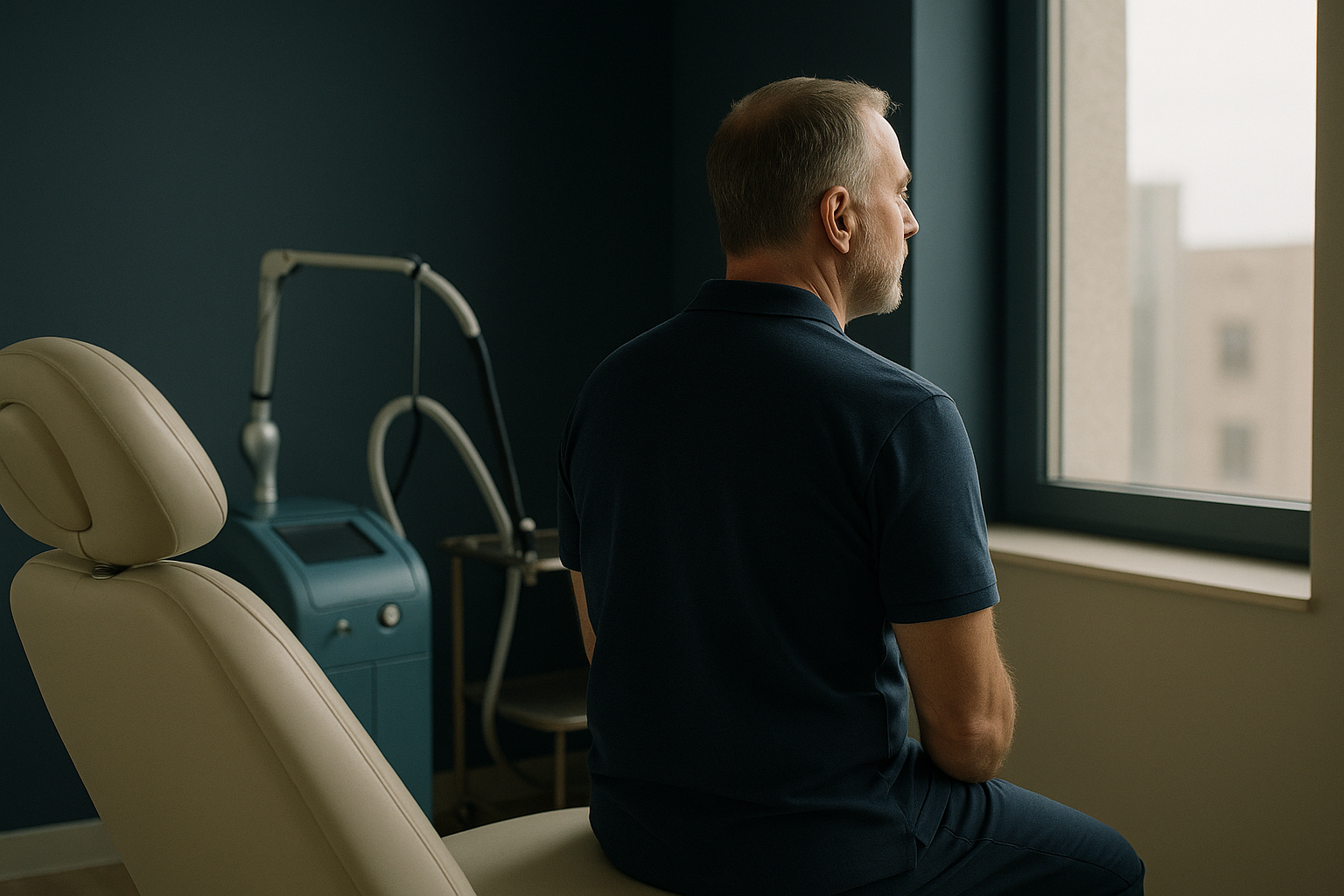
NeoGraft is a popular hair restoration technology known for its minimally invasive approach. Many prospective patients with Afro type hair wonder: can NeoGraft be used on Afro type hair effectively? This article explores the specifics of using NeoGraft on Afro hair, considering its unique characteristics and the expertise required for successful outcomes.
What is NeoGraft and How Does it Work?
NeoGraft is an advanced hair transplantation technique that employs pneumatic controls to extract hair follicles gently. This method is a sophisticated evolution of the traditional Follicular Unit Extraction (FUE) technique, renowned for its precision and efficiency in hair restoration. Unlike other methods that might involve more invasive processes, NeoGraft uses a gentle suction to remove hair follicles, significantly reducing the trauma to the scalp and surrounding tissues. This technique minimizes visible scarring and accelerates recovery time, making it an appealing choice for many seeking hair restoration solutions. The technology is designed to enhance the accuracy of follicle placement, allowing for a more natural hairline and improved density. The incorporation of pneumatic control technology allows for a streamlined process, reducing operator fatigue and enhancing precision.
The effectiveness of NeoGraft heavily relies on the expertise of the practitioner. A skilled surgeon needs to understand the complexities involved in hair transplantation, particularly for individuals with unique hair types such as Afro hair. The procedure involves meticulously harvesting individual hair follicles from a donor area, typically located at the back of the scalp where hair is more resistant to balding. These follicles are then strategically implanted into areas experiencing thinning or baldness, a process that requires precision to ensure each follicle is placed at the correct angle and depth. Surgeons often undergo extensive training to perfect this technique, learning to adjust their approach based on the patient’s hair type and scalp condition.
Understanding how NeoGraft works is crucial for Afro type hair, as the curl pattern and thickness of the hair can present unique challenges. Afro hair tends to have a tighter curl and is generally denser than other hair types, which can complicate both the extraction and implantation stages. A thorough consultation with a knowledgeable surgeon is essential to assess the individual’s suitability for the procedure and to discuss potential outcomes. This assessment often includes evaluating the patient’s hair density, curl pattern, and overall scalp health to tailor the procedure effectively. The consultation also serves as an opportunity for patients to ask questions and set realistic expectations about the results.
Can NeoGraft Be Used on Afro Type Hair?
Yes, NeoGraft can be used on Afro type hair, but it requires a nuanced approach due to the unique characteristics of this hair type. Afro-textured hair is often curlier and denser compared to other types, which presents specific challenges during the extraction and implantation phases of the NeoGraft procedure. The success of using NeoGraft on Afro hair hinges on the expertise of the surgeon, who must be well-versed in handling its distinct properties. The surgeon must employ specialized techniques to accommodate the curl pattern of the hair, ensuring minimal damage to the hair follicles during extraction. This often involves altering the angle of extraction to align with the natural growth pattern of the hair, reducing the likelihood of follicle transection and optimizing graft survival rates.
In addition to extraction, the implantation process requires careful consideration. The angle and depth at which the follicles are implanted must be adjusted to mimic the natural growth pattern of Afro hair, which grows in a more curved and angled direction than straighter hair types. This meticulous approach helps in achieving a natural-looking result that seamlessly blends with existing hair. Moreover, the surgeon must be adept at managing the grafts to prevent issues like pitting or cobblestoning, which can occur if the follicles are not placed at the correct depth. This requires a deep understanding of Afro hair’s unique properties and the ability to adapt traditional techniques to meet these needs.
Successful NeoGraft procedures on Afro hair can yield natural and lasting results, provided the surgeon has the requisite expertise and the patient adheres to post-surgical care instructions. This care typically involves following a specific regimen to promote healing and optimize graft survival, such as avoiding strenuous activities that might disturb the grafts and using recommended hair care products to support the new growth. Patients are advised to have realistic expectations and to discuss their goals thoroughly with their surgeon to ensure alignment on the anticipated outcomes. Regular follow-ups with the surgeon are also critical to monitor progress and address any concerns promptly.
What Are the Costs and Timelines for NeoGraft on Afro Hair?
The cost of a NeoGraft procedure can vary significantly, influenced by several factors, including the extent of hair loss, the number of grafts required, and the surgeon’s expertise. In general, patients can expect to invest a considerable amount, often ranging from $5,000 to $15,000 or more, depending on the complexity and scale of the procedure. This investment reflects not only the number of grafts but also the skill and experience of the surgical team, which are crucial for achieving optimal results, especially with Afro type hair. Pricing may also vary based on geographic location and the reputation of the clinic, with urban areas typically commanding higher fees due to increased demand and overhead costs.
Timelines for NeoGraft procedures also vary based on individual needs. The surgery itself typically takes several hours, with the duration largely dependent on the number of grafts being transplanted. For instance, a procedure involving 1,000 grafts might take 4-6 hours, while more extensive cases requiring 2,500 grafts could extend to 8 hours. Recovery time is relatively short compared to traditional methods, with most patients able to return to normal daily activities within a week. However, complete recovery and the full regrowth of transplanted hair can take several months, with significant new hair growth often visible around 6 to 12 months post-procedure. This timeline allows for the transplanted hair to cycle through natural shedding and regrowth phases, ultimately resulting in a fuller appearance.
It’s important for patients to plan for follow-up visits and be aware that full results can take time to manifest as the transplanted hair gradually cycles through phases of shedding and regrowth. Communication with the surgical team during this period is essential to monitor progress and address any concerns. Patients should also consider the potential need for additional procedures in the future to maintain or enhance results, which should be factored into the overall cost and timeline considerations of undergoing NeoGraft. Some patients may opt for touch-up sessions to increase density or address new areas of hair thinning.
Are There Safety Concerns When Using NeoGraft for Afro Hair?
Like any surgical procedure, there are potential risks involved with NeoGraft, but it is generally considered safe when performed by an experienced professional. Common side effects may include swelling, bruising, and temporary numbness in the treated areas. These symptoms typically resolve within a few days to a week post-surgery. However, for individuals with Afro hair, there are additional considerations to keep in mind. One specific concern is the risk of keloid scarring, a condition more prevalent among individuals with darker skin tones. Keloids can form if the skin heals in a raised and thickened manner, leading to noticeable scarring.
Discussing these risks with a surgeon who has experience in treating Afro hair is crucial to mitigate potential complications. Surgeons familiar with Afro-textured hair are better equipped to employ techniques that minimize the risk of keloid formation, such as using smaller incisions and applying gentle pressure to the graft sites during healing. Additionally, patients are encouraged to disclose their medical history, including any previous experiences with keloid scarring, to aid the surgeon in tailoring the procedure to their specific needs. Pre-procedure consultations should include discussions about these risks and the strategies the surgeon will use to address them.
Patients should ensure that the clinic adheres to international accreditation standards to guarantee the highest levels of safety and care. This includes verifying the credentials and reputation of the surgical team, as well as the clinic’s adherence to sterile techniques and patient care protocols. By taking these precautions, patients can significantly reduce the likelihood of complications and enhance the overall safety and efficacy of their NeoGraft procedure. It is also advisable for patients to seek testimonials and reviews from previous patients who have undergone similar procedures.
How Does NeoGraft Compare to Other Hair Transplant Methods for Afro Hair?
NeoGraft offers several advantages over traditional hair transplant methods, such as strip harvesting. It is less invasive, resulting in minimal scarring and quicker recovery times. This is particularly beneficial for individuals with Afro type hair, as the procedure’s less invasive nature is better suited to maintaining the integrity of the hair follicles, which can be more fragile due to the tight curl pattern. Additionally, NeoGraft’s automated approach allows for precise follicle extraction and implantation, which is crucial for handling the unique curl and density of Afro hair. The technology’s ability to handle follicles gently reduces the risk of transection and increases the likelihood of successful graft survival.
However, the success of NeoGraft on Afro hair largely depends on the surgeon’s expertise. Other methods, like the traditional strip method, might offer more control over follicle extraction but at the cost of increased scarring and longer recovery periods. These methods involve removing a strip of scalp from the donor area, which is then dissected into individual grafts. This can lead to a linear scar and requires a longer healing time, which may not be ideal for those seeking a less noticeable post-operative appearance. Despite these drawbacks, some patients may opt for strip harvesting when looking for a larger number of grafts in a single session.
When choosing a method, patients should weigh the benefits and drawbacks of each option, considering personal comfort and the surgeon’s experience with Afro hair. Factors such as the desired outcome, the extent of hair loss, and individual health considerations should also play a role in the decision-making process. Consulting with multiple surgeons and reviewing before-and-after photos of previous patients with similar hair types can provide valuable insights and help in making an informed choice. Ultimately, the goal is to select a method that aligns with the patient’s aesthetic goals while minimizing risks and recovery time. A well-informed decision can lead to a more satisfactory and successful hair restoration journey.
Concluding Thoughts on NeoGraft for Afro Hair
NeoGraft presents a viable solution for individuals with Afro type hair seeking hair restoration. The key to a successful outcome lies in selecting a qualified surgeon with specific experience in handling Afro hair’s unique characteristics. By choosing a professional who understands the nuances of Afro-textured hair, patients can significantly enhance the likelihood of achieving a natural appearance and long-lasting results. This involves not only evaluating the surgeon’s credentials and portfolio but also ensuring clear communication about the patient’s expectations and concerns. Prospective patients should prioritize clinics that demonstrate a track record of successful outcomes with Afro hair transplants.
With proper research and consultation, patients can achieve natural-looking results, restoring confidence and addressing hair loss concerns effectively. Engaging in thorough discussions with the surgical team allows patients to set realistic expectations and receive personalized advice tailored to their individual needs and hair characteristics. By understanding the procedure, costs, and potential risks, patients can make informed decisions about their hair restoration journey, leading to a more satisfying and confidence-boosting experience. Pre-operative planning and adherence to post-operative care instructions are critical components of this process.
In conclusion, while NeoGraft offers promising outcomes for Afro hair, the journey requires careful planning and consideration. Patients should remain proactive in their research, seek surgeons with demonstrable experience in Afro hair transplants, and commit to post-operative care as advised. By doing so, they can embark on a hair restoration journey that not only addresses their aesthetic goals but also respects the unique qualities of their Afro-textured hair. This comprehensive approach ensures that patients receive the best possible care, maximizing the chances of a successful and satisfying outcome.
Proven result
6.4× monthly patient volume since 2022
Istanbul-based hair transplant clinic
Frequently asked questions
Is NeoGraft suitable for all hair types?
NeoGraft is suitable for various hair types, but specific expertise is required for Afro hair to ensure effective results.
How long does a NeoGraft procedure take?
A NeoGraft procedure typically takes several hours, depending on the number of grafts needed to achieve the desired outcome.
What is the recovery time after a NeoGraft procedure?
Recovery is relatively quick, with most patients resuming normal activities within a week, though full results take months to appear.
Are there any risks specific to Afro hair with NeoGraft?
Risks include keloid scarring, which is more common in Afro hair. A skilled surgeon can help mitigate these risks.
Related guides

How Overseas Surgery Insurance Really Works
A lower treatment quote can quickly lose its advantage if an unexpected complication extends your stay, requires emergency…

Analyzing the Medical Tourism Market: Current Trends
Quick answerThe medical tourism market is growing due to factors like cost-effective treatments, advanced medical technologies, and international…

Best Country for Cancer Treatment: Top Countries for Advanced Cancer Treatment Options
Quick answerCountries like the USA, Germany, and Japan offer some of the best cancer treatment in the world,…