
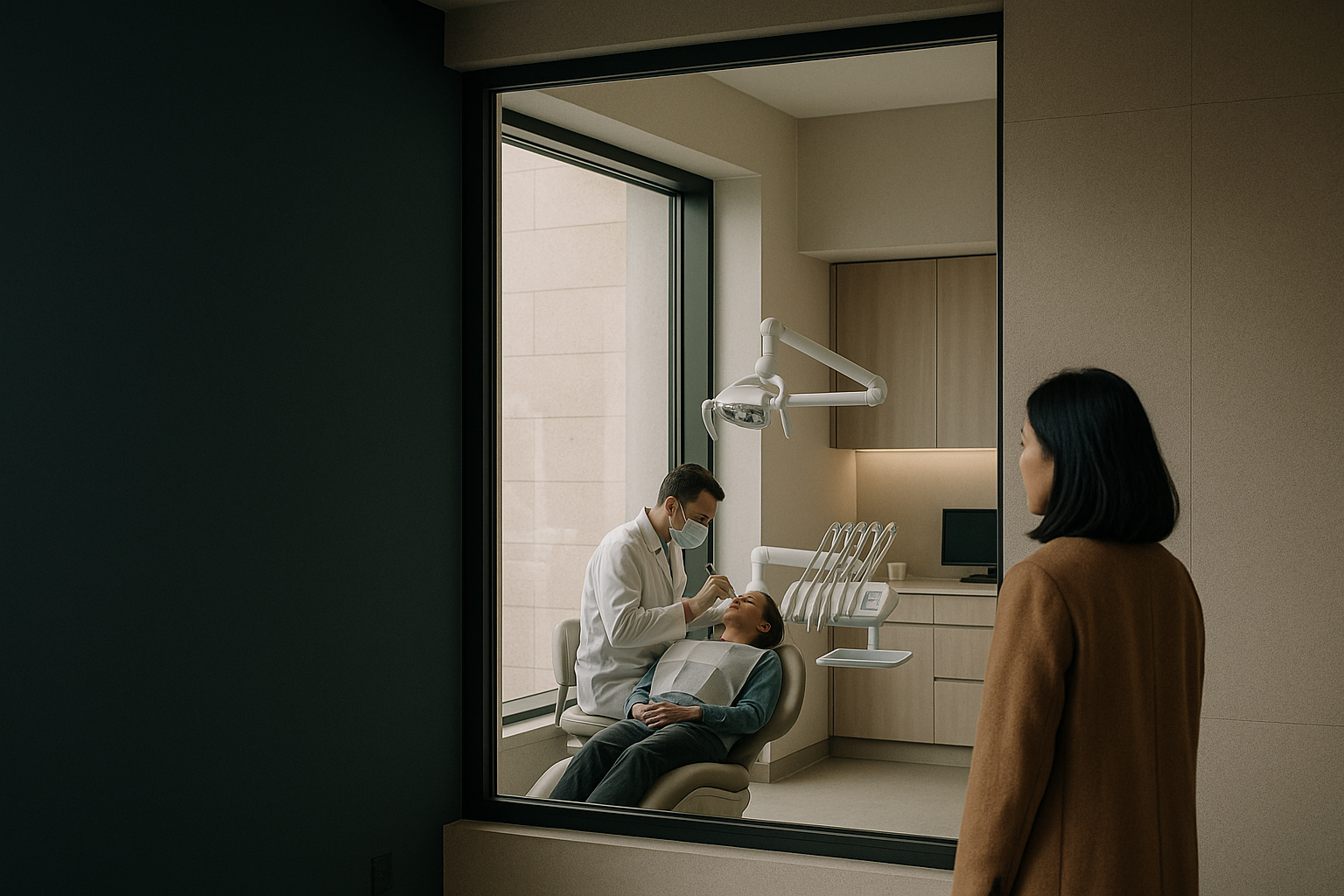
Dental veneers have become a popular choice for individuals seeking to enhance their smiles. Turkey has emerged as a leading destination for veneer procedures due to its competitive pricing and quality of care. Understanding the turkey veneer cost is crucial for prospective international patients considering this option.
How Much Do Dental Veneers Cost in Turkey?
The cost of dental veneers in Turkey is significantly lower than in many Western countries. Prices typically range from £200 to £300 per tooth, depending on several factors such as the type of material used and the specific clinic chosen. This pricing makes Turkey an attractive option for many seeking affordable dental solutions. For instance, in the UK or the US, the cost can range from £800 to £2,000 per tooth, making Turkey a considerably more economical choice. For example, a patient needing six veneers could save up to £10,200 by choosing Turkey over the UK.
It’s essential to note that while initial costs are lower, patients should consider additional expenses such as travel, accommodation, and any follow-up care that might be needed. Therefore, a comprehensive budget should be planned when considering veneers in Turkey. Flights can range from £150 to £500 depending on the season and departure city, and accommodations vary widely from budget hostels at £30 per night to luxury hotels at £150 per night. Thus, a typical one-week stay could add £500 to £1,000 to the overall expense. Some travelers opt for vacation rentals, which might offer a more homely stay at competitive rates.
Moreover, some clinics offer package deals that include airport transfers, accommodation, and even sightseeing tours, which can further enhance the cost-effectiveness. Prospective patients should inquire about such packages when comparing clinics, as these can significantly reduce the overall expenditure by bundling essential services together. For instance, a package deal might include daily breakfast, a city tour, and a dedicated patient coordinator, making the experience both economical and stress-free.
What Factors Influence Turkey Veneer Costs?
Several factors can influence the turkey veneer cost. Firstly, the material of the veneers plays a critical role. Porcelain veneers tend to be more expensive than composite resin veneers due to their durability and aesthetics. Porcelain can last 10-15 years with proper care, while composite veneers typically last 5-7 years. This longevity and the natural appearance of porcelain justify their higher cost, often reaching the upper range of £300 per tooth. Thus, for a full set of 10 veneers, the material choice alone could influence a £1,000 difference in the total cost.
Secondly, the expertise of the dentist and the location of the clinic can also impact costs. Clinics in major cities like Istanbul may charge higher prices due to increased operational costs. However, these clinics often boast experienced dentists who have trained internationally, ensuring high-quality care. Furthermore, high-end clinics might have state-of-the-art equipment and offer additional amenities such as private recovery rooms and post-procedure care, which can justify higher fees. It is not uncommon for clinics in prime locations to charge 10-20% more than those in smaller towns.
Additionally, the number of veneers needed and any preparatory dental work required can further affect the total cost. A full set of veneers can involve 8-10 teeth on the upper or lower jaw, multiplying the base cost significantly. Patients may also require ancillary treatments like teeth whitening or gum contouring, which would add to the overall expense. Understanding these variables helps in making a well-informed decision and budget accordingly. For example, including teeth whitening could add an additional £200 to £400 to the total cost.
Is Turkey a Cost-Effective Option for Veneers?
Turkey is considered a cost-effective option for dental veneers due to its competitive pricing and the availability of high-quality dental care. Many clinics in Turkey are equipped with the latest technology and staffed by experienced professionals, ensuring a high standard of treatment. The country’s investment in medical tourism has led to the establishment of numerous JCI-accredited facilities, which adhere to international standards of care. These accreditations provide reassurance to patients about the quality and safety of procedures.
Patients often find that the overall savings on veneer procedures in Turkey, compared to their home countries, are substantial, even after accounting for travel and accommodation expenses. For example, a patient could save upwards of 50-70% on dental procedures by choosing Turkey over the US. This cost-effectiveness, combined with the opportunity to explore a new country, makes Turkey a popular choice for medical tourism. The scenic beauty and rich cultural heritage of cities like Istanbul and Antalya add to the allure for many international visitors, making it a dual-purpose trip of health and leisure.
Moreover, some clinics offer warranties on their veneers, providing an added layer of financial security. Such warranties might cover repairs or adjustments within a certain period post-procedure, ensuring further peace of mind for patients wary of unforeseen costs. This blend of affordability, quality, and assurance significantly enhances Turkey’s appeal as a destination for dental veneers. Patients can inquire about warranty terms and the scope of coverage, which can vary from six months to several years.
Are Laminate Veneers Worth It in Turkey?
Laminate veneers are thin shells applied to the front surface of teeth to improve appearance. They are particularly popular in Turkey due to their natural look and minimal tooth alteration requirement. Many patients find that laminate veneers provide an excellent balance of aesthetics and cost-effectiveness. The procedure often requires less enamel removal compared to traditional veneers, preserving more of the natural tooth structure. This aspect is particularly appealing to those concerned about maintaining dental health while achieving cosmetic goals.
The decision to opt for laminate veneers should be based on individual dental needs and desired outcomes. Consulting with a qualified dentist in Turkey can help determine if this option is suitable for achieving the desired smile. Dentists typically assess the patient’s dental health, aesthetic goals, and budget to recommend the best type of veneer. For patients seeking minor corrections or a subtle enhancement, laminate veneers offer a compelling option. They are especially suitable for correcting discolorations, minor chips, or gaps.
Furthermore, laminate veneers can be a quicker solution, often requiring fewer visits than traditional veneers. This can be particularly advantageous for international patients with limited time. The versatility and efficiency of laminate veneers, coupled with Turkey’s skilled dental practitioners, make them a worthwhile consideration for anyone seeking to enhance their smile affordably. Patients can typically expect the entire process to be completed within a week, aligning well with typical travel schedules.
How to Choose the Best Dental Clinic in Turkey for Veneers?
Choosing the best dental clinic in Turkey for veneers involves several considerations. Prospective patients should research clinics thoroughly, looking for accreditation, reviews from previous patients, and the qualifications of the dental team. It’s advisable to choose clinics that are recognised by international dental associations. Accreditation by bodies like the Joint Commission International (JCI) or the Turkish Ministry of Health can serve as a reliable indicator of quality care. This ensures that the clinic adheres to stringent healthcare standards.
Patients should also consider the clinic’s location, as travelling to a major city might provide more options and conveniences. Major cities like Istanbul, Ankara, and Izmir have a higher concentration of reputable clinics, offering a variety of choices. These urban centers are also better equipped to handle international patients, offering services like multilingual staff and airport transfers, which can greatly enhance the patient experience. Proximity to cultural and historical sites can also enrich the overall travel experience.
Additionally, consulting with multiple clinics can provide a clearer picture of what to expect in terms of services and pricing. During consultations, patients should ask about the dentist’s experience, the types of veneers available, and the technologies used. Comparing these factors can help in selecting a clinic that aligns with one’s expectations and budget. Patients may also consider testimonials or seek recommendations from past patients to gauge satisfaction and outcomes. Online forums, expat groups, and social media platforms can be valuable resources for gathering insights.
What Are the Steps Involved in Getting Veneers in Turkey?
Getting veneers in Turkey typically involves several steps. Initially, patients will have a consultation with a dentist to discuss their goals and examine their dental health. The dentist will then create a treatment plan tailored to the patient’s needs. This initial consultation is crucial for setting realistic expectations and understanding the procedure’s scope. It is also the time to discuss any concerns or questions about the process and outcomes.
Once the plan is agreed upon, the dentist will prepare the teeth for veneer application, which may involve reshaping the tooth surface. Impressions are taken to fabricate the veneers, which are then bonded to the teeth in a subsequent visit. The entire process may take one to two weeks, depending on the clinic’s schedule and the patient’s availability. Some clinics offer digital smile design technology, allowing patients to preview the expected results before the procedure begins. This technology can be a game-changer for visualizing and customizing the final outcome.
During the final visit, the dentist will bond the veneers to the teeth, making any necessary adjustments to ensure a comfortable fit and natural appearance. Aftercare instructions are provided to maintain the longevity of the veneers. This step-by-step process ensures that patients receive personalized care and achieve optimal results, making the journey to a new smile both efficient and satisfying. Proper aftercare, including regular dental check-ups and maintaining oral hygiene, is crucial to the longevity of the veneers.
Conclusion: Making an Informed Decision
Understanding the turkey veneer cost and the associated factors is crucial for anyone considering this dental procedure abroad. By researching and comparing options, prospective patients can make informed decisions that align with their budget and aesthetic goals. Turkey’s reputation for quality dental care at affordable prices continues to attract international patients seeking veneers. This trend is expected to grow as more people seek cost-effective solutions without compromising quality.
Ultimately, the decision to undergo veneer treatment in Turkey should be based on thorough research and personal priorities. Patients should weigh the benefits of cost savings against any potential challenges of traveling abroad for medical care. With the right preparation and choice of clinic, many find that Turkey offers an exceptional opportunity to achieve the smile of their dreams without breaking the bank. Proper planning and consultation can ensure a smooth, rewarding experience that meets both cosmetic and financial expectations.
Proven result
80 to 240 dental patients a month from France
High-volume dental clinic, Istanbul
Frequently asked questions
How much do dental veneers cost in Turkey?
Dental veneers in Turkey generally cost between £200 and £300 per tooth, depending on the material and clinic.
Are veneers in Turkey a good investment?
Yes, veneers in Turkey offer excellent value due to lower costs and high-quality dental care, making them a worthwhile investment for many.
What materials are used for veneers in Turkey?
Turkish clinics commonly use porcelain and composite resin for veneers, with porcelain offering superior durability and aesthetics.
How long do veneers last?
Veneers can last 10-15 years with proper care, though this varies based on material, oral hygiene, and lifestyle factors.
Are there risks involved with getting veneers in Turkey?
As with any dental procedure, there are risks, but choosing a reputable clinic and experienced dentist can minimise potential complications.
Related guides

How Overseas Surgery Insurance Really Works
A lower treatment quote can quickly lose its advantage if an unexpected complication extends your stay, requires emergency…

Analyzing the Medical Tourism Market: Current Trends
Quick answerThe medical tourism market is growing due to factors like cost-effective treatments, advanced medical technologies, and international…

Best Country for Cancer Treatment: Top Countries for Advanced Cancer Treatment Options
Quick answerCountries like the USA, Germany, and Japan offer some of the best cancer treatment in the world,…