
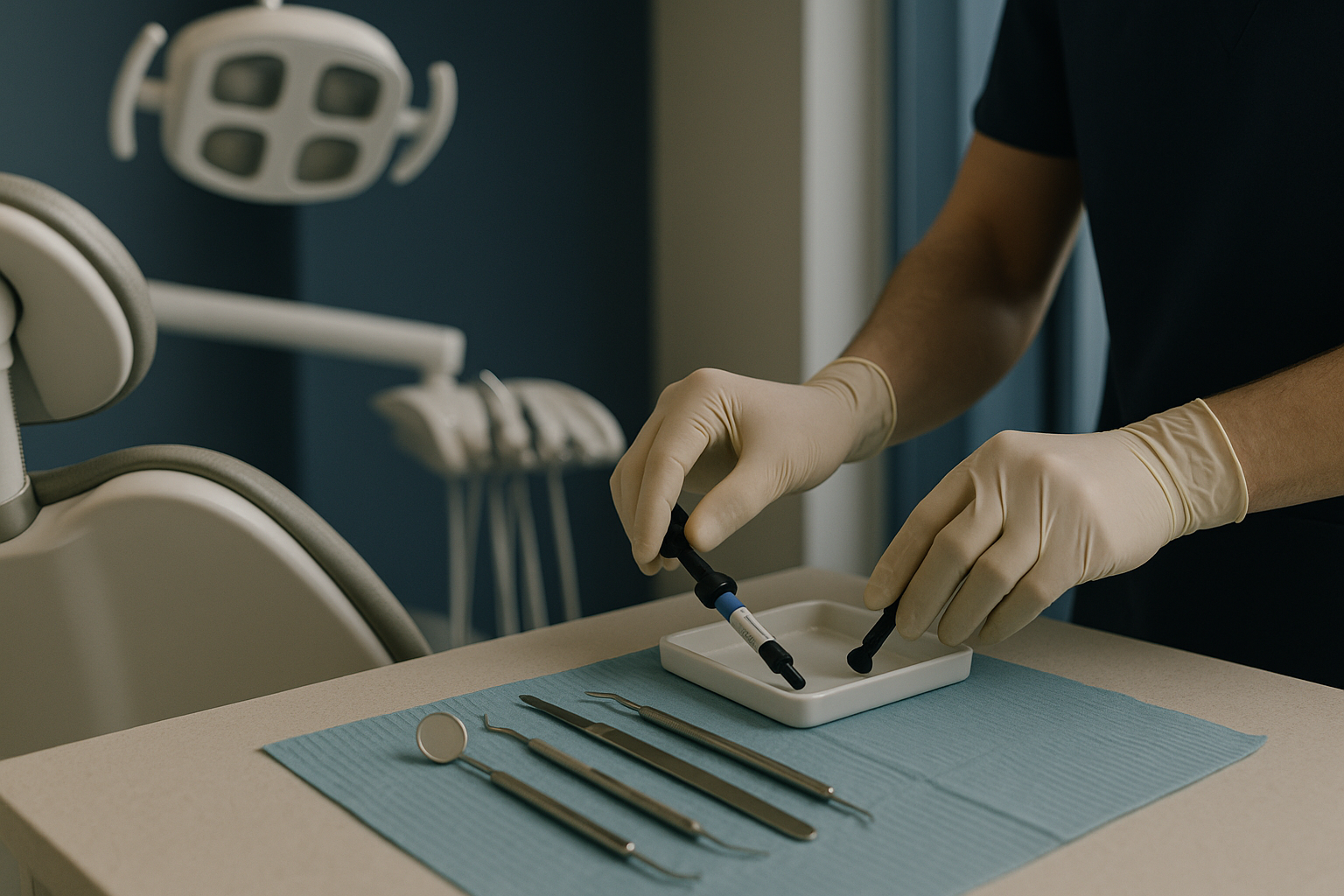
Composite bonding in Turkey is a popular choice for international patients seeking affordable and effective cosmetic dental treatments. This procedure involves the application of a tooth-coloured resin to the teeth, which is then hardened with a special light, improving the appearance of teeth considerably. Understanding the cost and logistics of composite bonding in Turkey can assist prospective patients in making informed decisions.
How Much Does Composite Bonding Cost in Turkey?
The cost of composite bonding in Turkey can vary significantly based on several factors, including the expertise of the dentist and the specific clinic chosen. On average, patients can expect to pay between £100 and £300 per tooth, which is significantly more affordable compared to prices in countries such as the United States or the UK, where costs can range from £300 to £600 per tooth. This wide range allows for flexibility depending on individual needs and budget.
For those looking to enhance multiple teeth, many clinics offer package deals that further reduce the overall cost. For example, a package for treating a full set of 28 teeth with composite bonding might be offered at a discounted rate, providing substantial savings compared to per-tooth pricing. Furthermore, some clinics may include additional services like teeth cleaning or whitening as part of the package, adding more value for the patient.
It’s crucial for patients to research and select reputable clinics that provide transparent pricing and high-quality care. Comparing costs across different clinics can also help in understanding the price variations and ensuring the best value for money. Checking for hidden fees, such as consultation charges or aftercare appointments, is also advisable to avoid unexpected expenses. Patients should ensure that all costs, including any potential follow-up visits, are included in the initial pricing to prevent surprises.
Can You Get Composite Bonding in Turkey?
Yes, Turkey is a well-known destination for dental procedures, including composite bonding. The country boasts numerous clinics with experienced professionals who offer this cosmetic treatment. Many international patients choose Turkey for its combination of affordability and high standards of dental care, often finding that the level of service rivals that of their home countries.
Patients considering composite bonding in Turkey should look for clinics accredited by international bodies or those that follow globally recognized dental practices. Organizations such as the Joint Commission International (JCI) or the International Organization for Standardization (ISO) can provide valuable certification that assures patients of the clinic’s quality and safety standards. Accreditation from such bodies ensures that the treatment is safe and effective, with results comparable to those achieved in their home countries.
In addition to composite bonding, Turkey is also popular for composite veneers, which offer an alternative cosmetic solution. Patients should discuss both options with their dentists to determine the most suitable treatment for their needs. A comprehensive consultation will typically involve a thorough examination of the patient’s dental health, discussion of aesthetic goals, and consideration of factors such as cost, durability, and maintenance. Having a detailed discussion with the dentist can help align expectations with realistic outcomes.
Understanding Composite Bonding Turkey Price Variations
Composite bonding prices in Turkey can vary based on geographical location within the country. Major cities like Istanbul and Antalya tend to have slightly higher prices due to increased demand and the presence of more advanced facilities. These cities also offer the advantage of accessibility, with major international airports and a wide range of accommodation options, making them convenient choices for medical tourists.
Additionally, the complexity of the procedure can influence the price. More extensive repairs or aesthetic enhancements may incur higher costs due to additional materials and time required. For instance, a simple gap filling might be less costly compared to reshaping multiple teeth or addressing significant discoloration. Patients should have a clear discussion with their dentist about the scope of the work needed to get an accurate estimate.
It’s advisable for patients to obtain detailed quotes from multiple clinics to ensure they understand all potential costs, including any additional fees for consultations or follow-up appointments. This process not only helps in budgeting but also in identifying the best value offers. Patients should also inquire about payment plans or financing options that some clinics might offer to make the procedure more affordable. Understanding these financial aspects can aid in making a well-informed decision.
Realistic Timelines for Composite Bonding in Turkey
The timeline for composite bonding procedures in Turkey is typically short, making it an attractive option for international patients. Most treatments can be completed in one or two visits, each lasting about one to two hours, depending on the number of teeth being treated. This efficiency means that patients can often return to their normal activities with minimal downtime.
Patients should plan for an initial consultation, during which the dentist will evaluate the teeth and discuss the desired outcomes. The actual bonding procedure can often be performed on the same day or within a day or two of the consultation. This streamlined process is particularly beneficial for those who have limited time available for their medical travel.
For those travelling from abroad, it is recommended to allow a few extra days for any necessary adjustments or to address any unforeseen issues that may arise during the initial healing period. It’s also wise to consider potential follow-up visits, which might be necessary to ensure the long-term success of the treatment. Arranging for these visits in advance with the clinic can help in planning travel itineraries and accommodation. Managing time efficiently can significantly enhance the overall experience.
Safety and Accreditation Guidance for Dental Procedures in Turkey
Ensuring safety and quality in dental procedures is paramount for patients considering treatment abroad. In Turkey, many dental clinics adhere to international standards and are accredited by reputable organizations, ensuring high levels of patient care and safety. This adherence to standards means that patients can expect treatment protocols similar to those found in top clinics worldwide.
Patients should verify the accreditation of their chosen clinic and inquire about the qualifications and experience of the dentists performing the procedure. Many clinics proudly display their certifications and the credentials of their staff, which can often be found on their websites. Reading reviews and testimonials from previous patients can also provide valuable insights into the clinic’s reputation and the experiences of others who have undergone similar procedures.
Additionally, clinics that offer comprehensive pre-treatment consultations and post-treatment care plans are often indicative of a commitment to patient safety and satisfaction. Such clinics are likely to provide detailed instructions on post-procedure care, which is crucial for ensuring optimal results and minimizing any risks of complications. It’s also beneficial to have clear communication channels established for any questions or concerns that may arise after the procedure. Being well-informed can significantly reduce anxiety and enhance trust in the chosen healthcare provider.
Comparing Composite Bonding and Composite Veneers in Turkey
While both composite bonding and composite veneers are used to enhance the appearance of teeth, there are key differences between the two. Composite bonding involves applying resin directly onto the teeth, while veneers are thin shells that cover the front surface of the teeth. This fundamental difference impacts both the procedure and the outcomes that patients can expect.
Composite bonding is generally less invasive, quicker, and more cost-effective than veneers. It can be completed in a single visit and is often used to correct minor dental flaws such as chips, cracks, or slight discolorations. However, because the resin is applied directly to the tooth’s surface, it may be less durable than veneers, which are typically crafted off-site and then bonded to the teeth in a subsequent appointment.
Veneers, on the other hand, tend to offer more durability and a more significant aesthetic transformation. They can last between 10 to 15 years with proper care, compared to the 5 to 7 years for composite bonding. However, veneers are more expensive and may require more extensive preparation of the natural teeth, including enamel removal, which is an important consideration for patients concerned about preserving their natural tooth structure.
| Feature | Composite Bonding | Composite Veneers |
|---|---|---|
| Procedure Time | 1-2 hours | 2-3 visits |
| Durability | 5-7 years | 10-15 years |
| Cost | Lower | Higher |
Patients should consider their individual needs, budget, and desired outcomes when deciding between these two options, consulting with their dentist for professional advice. Factors such as the extent of dental issues, long-term goals, and financial considerations all play a role in determining the most appropriate treatment. It’s important to have a detailed discussion with the dentist to align expectations with achievable results. Weighing the pros and cons of each option can lead to a more satisfying and suitable choice.
Conclusion: Making an Informed Decision for Composite Bonding in Turkey
Choosing to undergo composite bonding in Turkey can offer patients significant savings and high-quality results. By understanding the costs, timelines, and safety considerations, patients can make informed decisions that align with their dental health goals. The country’s reputation as a hub for affordable yet high-standard cosmetic dentistry continues to attract patients from around the globe.
Prospective patients are encouraged to conduct thorough research, consult with multiple clinics, and verify the credentials of the dental professionals involved. This comprehensive approach ensures a positive experience and satisfactory outcome from the composite bonding procedure. Additionally, understanding the logistics, such as travel arrangements and accommodations, can further enhance the experience, turning a dental procedure into a seamless medical tourism journey.
Ultimately, the decision to undergo composite bonding in Turkey should be made with careful consideration of all available information, ensuring that the chosen clinic and treatment plan align with personal needs and expectations. With the right preparation and choice of provider, patients can achieve beautiful, natural-looking smiles with the added benefit of substantial cost savings. Approaching the process with diligence and attention to detail can lead to rewarding results both aesthetically and financially.
Proven result
6.4× monthly patient volume since 2022
Istanbul-based hair transplant clinic
Frequently asked questions
How much does composite bonding cost in Turkey?
The cost typically ranges from £100 to £300 per tooth, varying with dentist expertise and clinic location.
How much is composite bonding in Turkey for 28 teeth?
The total cost for composite bonding for 28 teeth can be significant, but many clinics offer package deals to reduce overall expenses.
Can you get composite bonding in Turkey?
Yes, Turkey offers composite bonding in numerous clinics known for quality dental care and affordable pricing.
How much are composite bonding teeth in Turkey?
The price per tooth is generally between £100 and £300, depending on various factors like clinic and location.
Related guides

Digital Marketing for Clinics That Drives Demand
A clinic can have exceptional physicians, advanced technology, and competitive pricing, yet still lose prospective patients before the…

How Overseas Surgery Insurance Really Works
A lower treatment quote can quickly lose its advantage if an unexpected complication extends your stay, requires emergency…

Analyzing the Medical Tourism Market: Current Trends
Quick answerThe medical tourism market is growing due to factors like cost-effective treatments, advanced medical technologies, and international…