
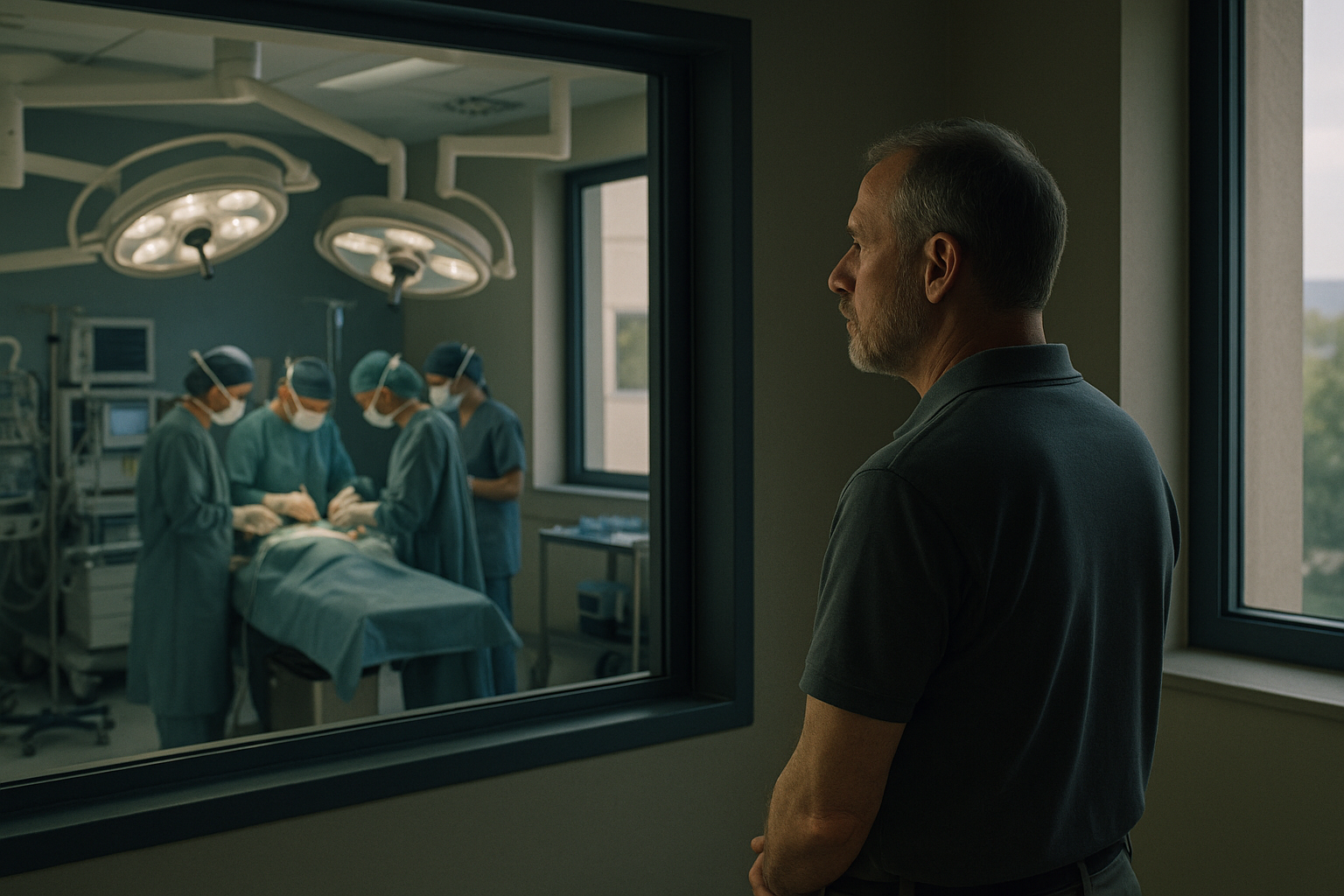
Turkish plastic surgery has emerged as a leading choice for international patients seeking high-quality yet affordable cosmetic procedures. With a combination of skilled surgeons and state-of-the-art facilities, Turkey offers an appealing option for those considering cosmetic enhancements abroad.
In this comprehensive guide, we’ll explore key aspects of Turkish plastic surgery, including costs, safety, and what international patients can expect when choosing Turkey for their cosmetic needs.
Why is Turkish Plastic Surgery Popular?
The popularity of Turkish plastic surgery can be attributed to several factors, including cost-effectiveness and high standards of care. The competitive pricing of procedures in Turkey, when compared to countries like the United States or the United Kingdom, makes it an attractive option for international patients. For instance, cosmetic procedures in Turkey can cost anywhere from 50% to 70% less than in Western countries, presenting a significant financial incentive for those seeking aesthetic enhancements.
Moreover, Turkish surgeons are renowned for their expertise, often undergoing extensive training both domestically and internationally. Many have international experience, which enhances their ability to cater to a global clientele. This global exposure allows them to stay abreast of the latest surgical techniques and technologies, ensuring that patients receive world-class care. The cosmetic surgery sector in Turkey is supported by modern facilities equipped with the latest technology, ensuring that procedures are performed in a safe and efficient manner.
Additionally, the country’s strategic location acts as a cultural and geographical bridge between Europe and Asia, making it accessible to a wide range of international patients. Turkey’s hospitable culture and its thriving medical tourism industry further support this by offering comprehensive packages that include accommodation and transportation. These packages often simplify the logistics for medical tourists, making Turkey a convenient choice for those traveling for surgery.
The cultural appeal of Turkey also plays a role in its popularity. Patients often combine their medical trips with tourism, exploring historical sites like the Hagia Sophia or the ancient city of Ephesus. This blend of medical care and cultural exploration enhances the overall experience and provides a healing environment that contributes positively to recovery.
What Are the Costs of Plastic Surgery in Turkey?
Cost is a significant factor for many patients considering cosmetic surgery abroad. Turkish plastic surgery offers a cost-effective solution without compromising on quality. On average, patients can expect to pay 50-70% less than they would in Western countries. For example, the cost of a rhinoplasty in Turkey is typically around $3,500, compared to $7,000 to $15,000 in the United States. Similarly, a facelift might cost around $4,500 in Turkey, while the same procedure could range from $10,000 to $20,000 in the UK or US.
The affordability of Turkish plastic surgery is further enhanced by all-inclusive packages. These packages not only cover the surgical procedure itself but also associated expenses such as accommodation in quality hotels, airport transfers, and sometimes even meals. Post-operative care is another critical component covered in these packages, ensuring that patients receive appropriate recovery support without additional financial burden.
Patients should, however, conduct a detailed cost-benefit analysis when considering surgery in Turkey. While the upfront costs are lower, factors such as travel expenses, time away from work, and potential complications should be considered. Many clinics offer financing options, allowing patients to spread the cost over a more manageable period, further enhancing the financial appeal of choosing Turkey for cosmetic surgery.
Another consideration is the currency exchange rate, which can fluctuate and impact overall costs. Prospective patients should monitor these rates when planning their surgery to maximize their financial advantage. Additionally, clinics often have partnerships with international finance companies that offer medical loans at competitive interest rates, providing further financial flexibility.
How Safe is Plastic Surgery in Turkey?
Safety is a paramount concern for anyone considering surgery abroad. Turkish plastic surgery is regulated by the Ministry of Health, which ensures that clinics and hospitals adhere to strict standards of safety and hygiene. This regulatory oversight is crucial in maintaining the high standards expected by international patients.
Accredited clinics and hospitals in Turkey follow international safety protocols, and many hold certifications from global health organizations like the Joint Commission International (JCI). This ensures that patients receive care that meets the highest international standards. For example, JCI accreditation involves rigorous evaluation processes that cover patient care, infection control, and facility management.
Prospective patients are encouraged to thoroughly research and select accredited facilities and verified surgeons with a track record of successful procedures. It’s advisable to consult with past patients and read reviews to gauge the clinic’s reputation. Furthermore, many clinics offer virtual consultations, providing an opportunity for patients to assess the communication and professionalism of their prospective surgical team before committing to travel.
In addition to formal accreditation, many Turkish surgeons are members of international professional bodies, such as the International Society of Aesthetic Plastic Surgery (ISAPS). This membership indicates a commitment to ongoing education and adherence to the latest global standards. Patients can verify these memberships as part of their due diligence to ensure they are choosing a reputable surgeon.
What Should International Patients Expect?
International patients opting for Turkish plastic surgery can expect a seamless experience from consultation to post-operative care. Clinics often provide multilingual staff to assist with communication and offer personalized care tailored to individual needs. This personalized approach is designed to address the specific concerns and expectations of each patient, ensuring a comfortable and reassuring experience.
Patients typically begin their journey with a virtual consultation, allowing them to discuss their goals and expectations with the surgeon. This initial consultation is crucial for setting realistic expectations and understanding the potential outcomes of the procedure. Upon arrival in Turkey, a comprehensive pre-operative assessment is conducted to ensure the patient’s suitability for the procedure, minimizing the risk of complications.
Post-operative care is a key component, with clinics providing detailed recovery plans and support to ensure a smooth healing process. Follow-up consultations are often included in the package, ensuring ongoing communication with the surgeon even after returning home. This continuous support can include remote check-ins and advice on managing recovery from afar, providing peace of mind to international patients.
Moreover, many clinics offer concierge services that handle logistics such as hotel bookings and airport pickups, further easing the travel experience. Patients can also expect privacy and confidentiality, which are highly valued in the medical tourism sector. Understanding these offerings helps patients plan their journey more effectively, ensuring they receive comprehensive care from start to finish.
What are the Accreditation Standards?
The accreditation of clinics and hospitals is crucial in ensuring safety and quality in Turkish plastic surgery. Facilities are often accredited by international bodies such as the Joint Commission International (JCI), which signifies adherence to global healthcare standards. JCI accreditation involves a comprehensive evaluation of the clinic’s protocols, patient safety measures, and overall quality of care.
Accreditation ensures that clinics maintain high levels of safety, hygiene, and patient care, providing peace of mind to international patients. Prospective patients should verify the accreditation status of their chosen clinic or hospital. Accreditation details are often proudly displayed on the clinic’s website and can be confirmed through the accrediting body’s database.
Choosing a JCI-accredited facility can significantly enhance the safety and success of the surgery, as these institutions consistently meet rigorous international healthcare standards. Patients are advised to prioritize accredited facilities to ensure that they receive care that aligns with their expectations and global best practices.
Besides JCI, other reputable accrediting organizations include the European Foundation for Quality Management (EFQM) and the Turkish Health Care Quality and Accreditation Institute (TÜSKA). Each of these bodies has its criteria for evaluation, adding an extra layer of assurance for international patients. Understanding the differences and reputations of these organizations can aid in making an informed choice.
Are There Any Cultural or Linguistic Considerations?
Turkey is a culturally rich country, and understanding some cultural nuances can enhance the experience for international patients. Turkish people are known for their hospitality and warmth, which is often reflected in the patient care provided. This cultural aspect can make the surgical experience more pleasant and less daunting for international visitors.
Language barriers are minimal in most accredited clinics, as many healthcare professionals speak English fluently. Additionally, clinics often employ translators to assist with communication, ensuring that language does not impede the quality of care. This multilingual environment ensures that patients fully understand their treatment plans and post-operative instructions.
Embracing the local culture can also enrich the medical tourism experience, allowing patients to enjoy Turkey’s historical and natural attractions as part of their recovery journey. Many patients choose to extend their stay to visit landmarks such as the Hagia Sophia or the scenic landscapes of Cappadocia, turning their medical trip into a holistic experience that combines health, culture, and leisure.
Furthermore, understanding cultural etiquette, such as standard greetings and dining customs, can enhance interactions with locals and healthcare staff. Patients are encouraged to familiarize themselves with basic Turkish phrases, which can foster goodwill and improve the overall experience. Clinics often provide cultural orientation sessions to assist international visitors in navigating these nuances comfortably.
Conclusion
Turkish plastic surgery offers a compelling option for international patients seeking affordable and high-quality cosmetic procedures. With accredited facilities, experienced surgeons, and a supportive environment, Turkey continues to be a leading destination for medical tourism. The combination of cost savings, high standards, and cultural richness positions Turkey as a top choice for those considering cosmetic surgery abroad.
Patients considering Turkish plastic surgery should conduct thorough research, choose accredited clinics, and consult with experienced professionals to ensure a safe and successful experience. By taking these steps, international patients can achieve their desired aesthetic results while enjoying the many benefits that Turkey has to offer.
Overall, the decision to undergo plastic surgery in Turkey involves careful planning and informed choices. By leveraging the resources available, such as reviews, accreditations, and consultations, patients can embark on their aesthetic journey with confidence. This meticulous approach not only maximizes the chances of a successful outcome but also enriches the entire experience, blending medical care with cultural exploration.
Proven result
23× monthly patients from the UK market in six years
Multi-specialty medical travel company (hair, plastic & bariatric surgery)
Frequently asked questions
What makes Turkish plastic surgery cost-effective?
Turkish plastic surgery is cost-effective due to lower operational costs and competitive pricing, often 50-70% cheaper than Western countries.
Is Turkish plastic surgery safe?
Yes, provided that patients choose accredited clinics and experienced surgeons. Turkish facilities adhere to international safety standards.
How do I choose a clinic in Turkey?
Research accreditation, read reviews, and ensure the clinic follows international standards. Consulting with past patients can also be helpful.
What procedures are popular in Turkish plastic surgery?
Common procedures include rhinoplasty, breast augmentation, liposuction, and Turkish lips enhancements, known for their natural results.
Do I need to speak Turkish for surgery in Turkey?
No, most clinics offer English-speaking staff and translators to assist international patients, ensuring clear communication.
Related guides

How Overseas Surgery Insurance Really Works
A lower treatment quote can quickly lose its advantage if an unexpected complication extends your stay, requires emergency…

Analyzing the Medical Tourism Market: Current Trends
Quick answerThe medical tourism market is growing due to factors like cost-effective treatments, advanced medical technologies, and international…

Best Country for Cancer Treatment: Top Countries for Advanced Cancer Treatment Options
Quick answerCountries like the USA, Germany, and Japan offer some of the best cancer treatment in the world,…