
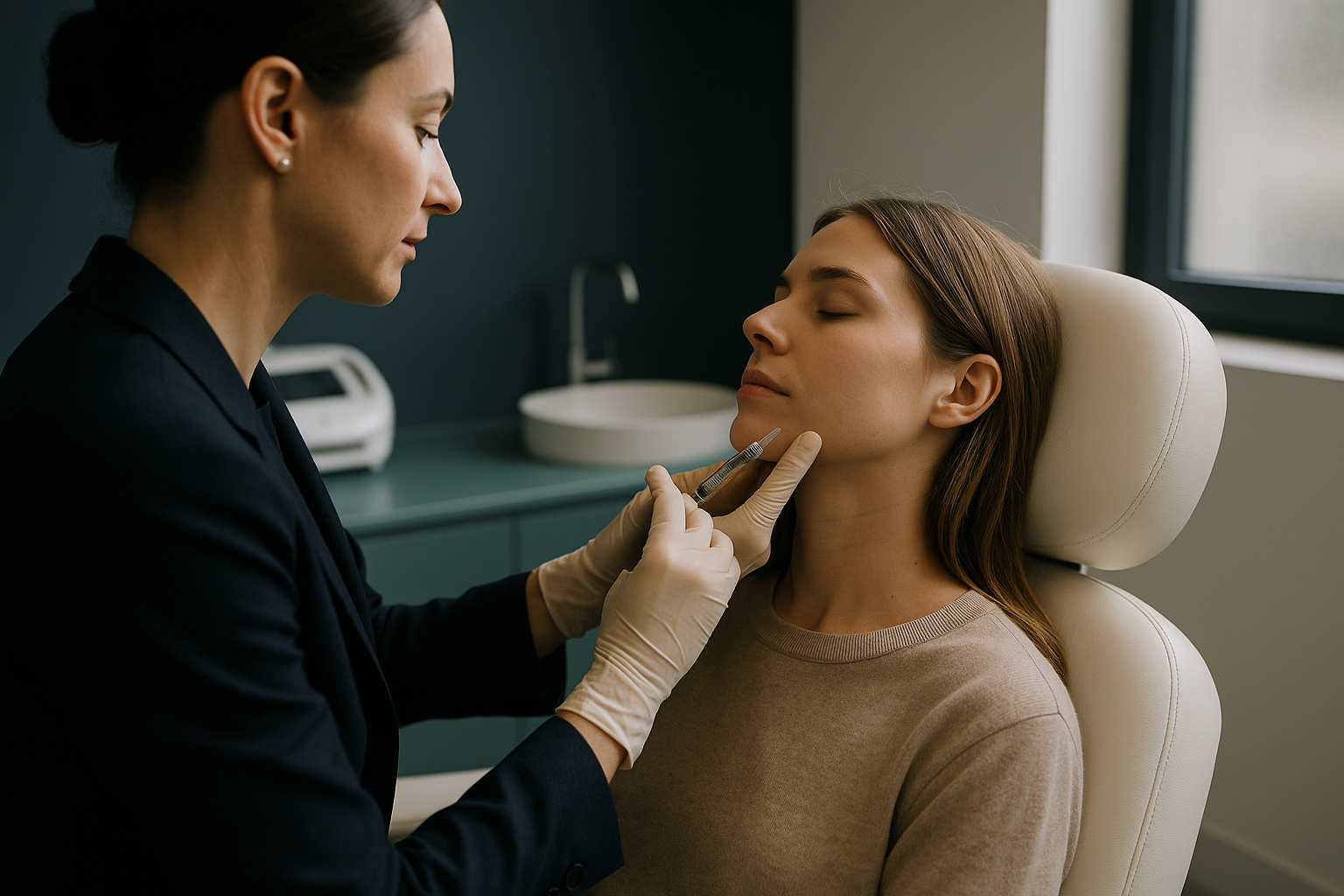
As individuals age, the appearance of jowls—sagging skin along the jawline—becomes a common concern. One popular solution is the use of fillers for jowls, which can offer a non-surgical approach to improving facial aesthetics. This guide provides a comprehensive overview for prospective international patients considering this treatment abroad.
What Are Fillers for Jowls?
Fillers for jowls are injectable substances designed to add volume, smoothen the skin, and enhance the jawline’s appearance. Typically composed of hyaluronic acid or other biocompatible materials, these fillers work by plumping the skin and reducing the visibility of sagging. Hyaluronic acid is a naturally occurring substance in the skin that contributes to hydration and volume. When used in fillers, it can provide a subtle lift to the jowls, creating a more youthful contour along the jawline. Additionally, certain fillers may incorporate substances like calcium hydroxylapatite, which provides structural support to deeper skin layers, enhancing the lift.
This non-surgical approach provides a temporary solution for those seeking facial rejuvenation without the risks and downtime associated with surgery. The composition of fillers allows for customization based on the patient’s unique facial anatomy and desired outcomes. Different types of fillers, such as those with varying densities and viscosities, are chosen to target specific concerns, whether it be deeper lines or more superficial sagging. For instance, a denser filler might be used for structural support, while a softer filler can be employed to smooth out fine lines.
The results from jowl fillers are immediate, although they may require multiple sessions to achieve the desired effect. Patients can expect the effects to last anywhere from six months to two years, depending on the type of filler used and the individual’s skin type and lifestyle. Factors such as sun exposure, smoking, and overall skin care can influence the longevity of the filler results. Regular follow-up sessions ensure that the enhancements are maintained over time, offering a continuous youthful appearance. It is important to note that lifestyle changes, such as improved skincare routines and sun protection, can significantly extend the life of the results.
How Do Fillers Work to Improve Jowls?
The process of improving jowls with fillers involves precisely injecting the filler material into targeted areas along the jawline. This technique helps to lift and contour the face, creating a more youthful and defined appearance. Skilled practitioners focus on strategic placement to ensure that the results are natural and harmonious with the patient’s overall facial structure. The goal is to enhance the jawline while maintaining the natural expressions and features of the face. This is achieved through a deep understanding of facial anatomy and the dynamic movements of the jaw and mouth regions.
Fillers work by adding volume to areas that have lost fat or have become lax due to aging. The injected material attracts water, further enhancing the plumping effect. This hydrophilic nature of fillers means they not only provide immediate volume but also improve skin hydration and elasticity over time. This dual action helps in achieving a smoother transition from the cheek to the jawline, minimizing the appearance of jowls. The fillers’ ability to integrate with the skin’s natural tissues also aids in achieving a seamless and natural look.
Over time, as the body metabolizes the filler, treatments may need to be repeated to maintain the results. The frequency of these sessions varies among individuals, often dictated by their metabolic rate, lifestyle, and the type of filler used. Regular touch-ups are important to sustain the aesthetic benefits, and they offer the opportunity to make adjustments as necessary, ensuring that the results continue to meet the patient’s expectations and adapt to their changing facial structure. Practitioners may adjust techniques and filler types used in subsequent sessions to address any changes in the patient’s facial anatomy or aesthetic goals.
What to Expect Before and After Jowl Filler Treatment?
Before undergoing a filler treatment for jowls, patients should consult with a qualified healthcare provider to discuss their goals and evaluate their suitability for the procedure. It’s important to set realistic expectations and understand the potential outcomes and limitations. Detailed consultations often involve facial assessments, where the practitioner examines the skin’s texture, elasticity, and the degree of sagging to customize the treatment plan effectively. Patients are encouraged to bring photos of themselves at a younger age to help guide the practitioner in restoring a natural appearance.
After the treatment, patients may experience minor swelling or bruising at the injection sites, which typically subsides within a few days. The ‘fillers before and after’ comparisons often show a marked improvement in the jawline’s contour and a reduction in sagging skin. It is advisable for patients to avoid strenuous activities and exposure to extreme temperatures immediately following the procedure to reduce the risk of side effects and ensure optimal healing. Additionally, applying a cold compress intermittently can help alleviate swelling and discomfort.
- Before: Consult with a qualified practitioner. Discuss medical history and aesthetic goals.
- Procedure: Quick, typically under an hour. Local anesthesia may be used to enhance comfort.
- After: Minimal downtime; results visible immediately. Follow-up appointments may be scheduled to assess the results and plan future sessions if needed.
Adhering to post-procedure care instructions provided by the healthcare provider is crucial for achieving the best outcomes. Patients are often advised to avoid touching or massaging the treated area for a period after the treatment to prevent the filler from moving and to facilitate proper integration into the skin. Sunscreen use is also recommended to protect the skin and prolong the results of the treatment. Hydration and a balanced diet can further enhance the skin’s recovery and overall health post-treatment.
How Much Do Jowl Fillers Cost?
The cost of fillers for jowls can vary significantly depending on the location, the practitioner’s expertise, and the type of filler used. On average, patients can expect to pay between $500 and $2,000 per session. It’s crucial to consider that multiple sessions may be necessary to achieve and maintain optimal results. The total investment can therefore range from $1,500 to $6,000 or more, depending on individual needs and the complexity of the treatment plan. Practices may offer personalized price quotes during the initial consultation, which include all potential costs.
Patients should inquire about all associated costs during the initial consultation, including follow-up treatments and any potential additional fees. Some clinics may offer package deals for multiple sessions, which can provide cost savings. Additionally, understanding the cost structure helps in budgeting for the procedure and comparing options across different providers. Payment plans may also be available to make the process more affordable, allowing patients to manage expenses over time.
Comparing costs across different providers and regions can help international patients make informed decisions. It is also important to consider the reputation and quality of the clinic, as well as the experience of the practitioner, which can significantly impact the value received for the cost. Patients should weigh the potential cost savings of traveling abroad for treatment against the convenience and assurance of receiving care locally. It’s essential to balance cost considerations with the quality and safety of the treatment, as choosing a less expensive but less reputable provider could compromise results.
Are Fillers for Jowls Safe?
Fillers for jowls are generally considered safe when performed by a qualified and experienced practitioner. However, as with any medical procedure, there are potential risks and side effects. These may include swelling, bruising, infection, or allergic reactions. The incidence of such complications is relatively low, especially when fillers are administered by highly trained professionals. Experienced practitioners take precautions, such as performing allergy tests and using sterile techniques, to further minimize risks.
To minimize risks, patients should verify the credentials of their healthcare provider and ensure that the procedure is performed in a reputable medical facility. Accreditation by recognized health authorities can provide additional assurance of safety and quality standards. Patients should also be informed of the specific type of filler being used and its potential impact on their skin type and health condition. Understanding the differences between fillers can help patients make informed choices that align with their health needs.
Additionally, it is important for patients to disclose their full medical history and any allergies during the consultation. This information helps the practitioner tailor the treatment to avoid contraindications. By choosing a reputable provider and adhering to pre- and post-treatment guidelines, patients can significantly reduce the likelihood of adverse reactions and enjoy a successful treatment outcome. In some cases, practitioners may perform a patch test prior to the full treatment to ensure there are no adverse reactions to the filler material.
How to Choose a Clinic for Jowl Fillers Abroad?
Choosing a clinic for jowl fillers abroad requires careful research and consideration. Patients should look for clinics that specialize in cosmetic procedures and have a track record of success with international patients. Reading reviews and testimonials from previous patients can provide valuable insights into the quality of care and results. Online platforms and forums dedicated to cosmetic treatments abroad can be useful resources for finding reputable clinics. Engaging with these communities allows prospective patients to ask questions and learn from others’ experiences.
Accreditation by international health organizations and adherence to global safety standards are key indicators of a clinic’s reliability. Patients should also consider the qualifications and experience of the practitioners, as well as the availability of post-treatment support. Ensuring that the clinic offers comprehensive aftercare is crucial for managing any potential complications and achieving the desired results. Clinics that offer virtual consultations and follow-ups can be advantageous for international patients who may not be able to travel frequently.
Additionally, logistical considerations such as travel arrangements, accommodation, and the availability of language support services are important when planning treatment abroad. Patients should ensure that they have access to necessary post-procedure care and follow-up appointments, which may require staying in the treatment country for a period after the procedure. By thoroughly vetting potential clinics and considering all aspects of their treatment journey, patients can make informed decisions that prioritize safety and effectiveness. It’s beneficial to have a contingency plan in place for any unforeseen travel delays or health considerations.
Conclusion: Is Jowl Filler Right for You?
Deciding whether jowl fillers are the right choice depends on individual goals, expectations, and medical history. For many, fillers offer a convenient and effective way to enhance their appearance without the need for invasive surgery. The non-permanent nature of fillers allows for flexibility, as patients can adjust their treatment over time to suit their evolving aesthetic preferences. This adaptability is particularly appealing for those who wish to fine-tune their appearance gradually.
By understanding the procedure, costs, and safety considerations, patients can make informed decisions that align with their aesthetic goals. It’s essential to weigh the benefits of the procedure against personal health conditions and lifestyle factors. Consulting with a qualified practitioner is a critical step in determining whether jowl fillers are appropriate for one’s needs. During consultations, practitioners can provide detailed explanations of the procedure and potential outcomes, helping patients set realistic expectations.
International patients considering fillers for jowls should consult with qualified practitioners and choose clinics that offer high standards of care and support. With the right approach, fillers can provide a rewarding enhancement to one’s natural beauty. Embracing a comprehensive skincare routine and maintaining a healthy lifestyle can further complement the results of filler treatments, ensuring that patients enjoy a rejuvenated appearance for as long as possible. Regular follow-ups and open communication with healthcare providers are also key to achieving and maintaining desired results.
Proven result
80 to 240 dental patients a month from France
High-volume dental clinic, Istanbul
Frequently asked questions
What are fillers for jowls made of?
Fillers for jowls are typically made of hyaluronic acid, a naturally occurring substance in the skin, or other biocompatible materials.
How long do the effects of jowl fillers last?
The effects of jowl fillers can last anywhere from six months to two years, depending on the type of filler and individual skin characteristics.
What should I consider before choosing a clinic abroad?
Consider the clinic’s accreditation, practitioner qualifications, patient reviews, and adherence to international safety standards.
Are there any side effects of jowl fillers?
Common side effects include temporary swelling or bruising at the injection site. Serious side effects are rare but may include infection or allergic reactions.
Related guides

Digital Marketing for Clinics That Drives Demand
A clinic can have exceptional physicians, advanced technology, and competitive pricing, yet still lose prospective patients before the…

How Overseas Surgery Insurance Really Works
A lower treatment quote can quickly lose its advantage if an unexpected complication extends your stay, requires emergency…

Analyzing the Medical Tourism Market: Current Trends
Quick answerThe medical tourism market is growing due to factors like cost-effective treatments, advanced medical technologies, and international…