
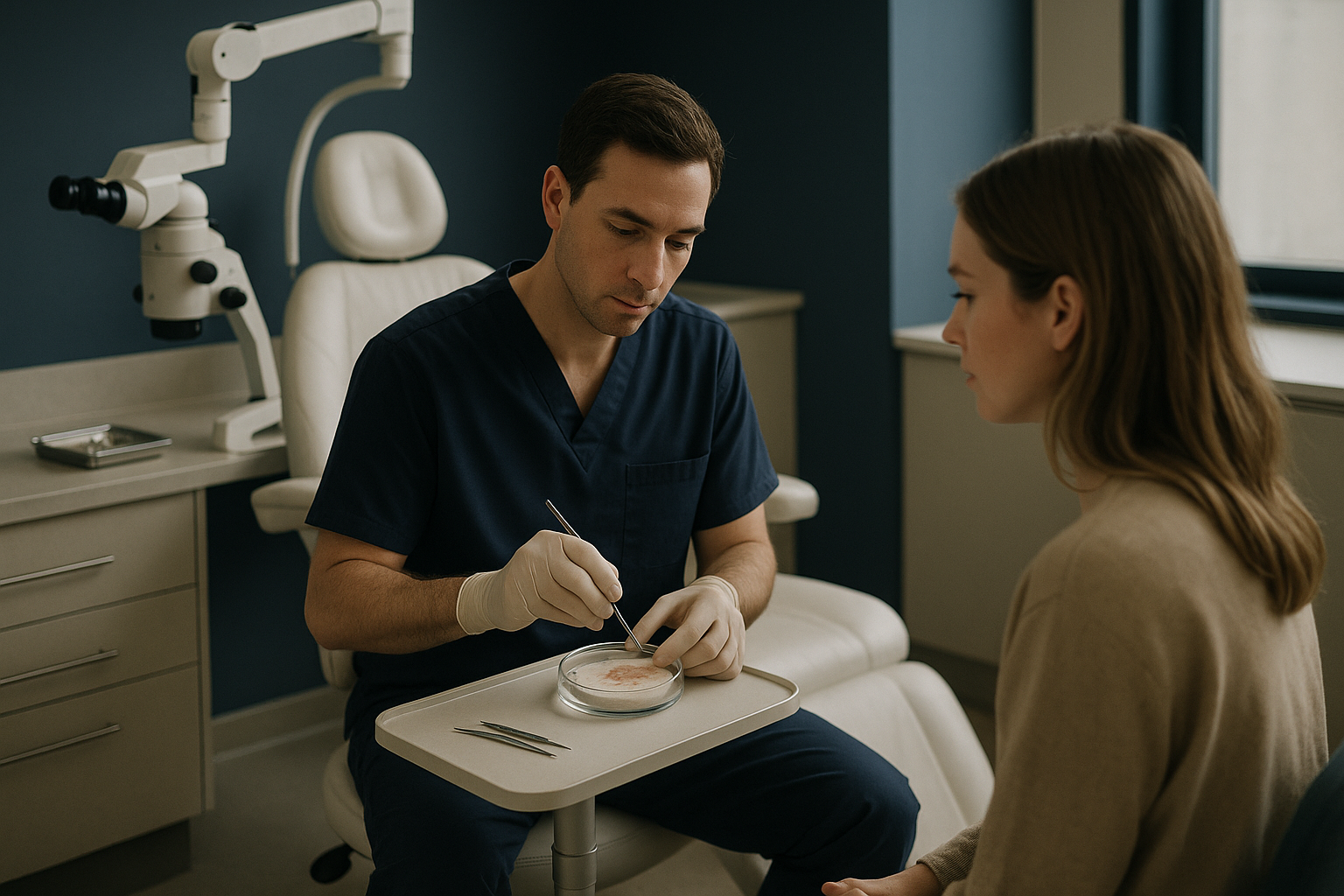
Understanding how hair grafts work can be a vital step for those considering hair transplantation. The process involves sophisticated techniques and has become increasingly popular for those seeking solutions to hair loss.
What Are Hair Grafts?
Hair grafts are small pieces of tissue containing hair follicles that are surgically transplanted from a donor site to a recipient site on the scalp. These grafts are essential for restoring hair in areas affected by thinning or baldness, offering a permanent solution to hair loss. Each graft may contain one to four hair follicles, depending on the area of the scalp and the density required. The size and shape of the graft can vary, but typically, surgeons aim for a natural appearance that blends seamlessly with the patient’s existing hair.
Typically, the donor site is the back of the head, also known as the occipital region, where hair is more resistant to balding due to genetic factors. The donor hair is chosen for its resilience and ability to thrive in new locations. The number of hair grafts needed depends on the extent of hair loss and the desired density. For instance, a patient with moderate hair thinning may need around 2,000 grafts, while someone with advanced baldness could require 4,000 to 6,000 grafts for optimal results. In some cases, multiple sessions may be necessary to achieve the desired coverage and volume.
The procedure is generally carried out under local anaesthesia, ensuring minimal discomfort during the process. Patients can usually return home the same day. The transplanted hair usually falls out initially, a phase known as “shock loss,” but regrowth begins within a few months, leading to a fuller head of hair over time. This regrowth phase is crucial as it indicates the successful integration of the grafts into the scalp. Patients must follow post-operative care instructions to maximize the success of the surgery and ensure healthy hair growth.
How Do Hair Grafts Work?
The process of hair grafting involves extracting hair follicles from a donor region and implanting them into the bald or thinning areas. This method ensures the new hair grows naturally and matches the existing hair in texture, color, and growth pattern, making the transplant look seamless. The hair grafting process can be broken down into several key steps that help ensure its success and natural appearance.
Follicular Unit Extraction (FUE) is a common method where individual follicles are extracted using a micro-punch tool and then transplanted to the recipient area. This technique is favored for its minimal scarring and natural-looking results. It allows for a quicker recovery time and is suitable for patients who prefer to wear their hair short, as the scars are less noticeable. The precision of FUE also allows surgeons to choose the best follicles for transplantation, which can improve the overall aesthetic outcome.
Another method, Follicular Unit Transplantation (FUT), involves removing a strip of scalp from the donor area and dissecting it into individual grafts. This method is often used when a larger number of grafts are needed, as it can provide a higher yield from the donor area. Although it may leave a linear scar, it is usually well-concealed by surrounding hair and offers excellent results for those needing extensive coverage. FUT can be more cost-effective than FUE, particularly for patients requiring a significant number of grafts.
Both methods have their advantages and are chosen based on the patient’s specific needs and characteristics. Factors such as the degree of hair loss, hair texture, scalp laxity, and patient’s lifestyle are considered when deciding on the appropriate method. Consulting with a skilled surgeon can help determine the best approach to achieve the desired results.
How Much is a Hair Transplant in Turkey?
Turkey has become a popular destination for hair transplants due to its affordable prices and high-quality clinics. The cost of a hair transplant in Turkey varies significantly based on the number of grafts required and the technique used. For instance, an FUE procedure might be priced differently than an FUT, reflecting the varying labor intensity and time involved. Clinics in Turkey often offer comprehensive packages that include not just the surgery but also accommodation, airport transfers, and sometimes meals, making it a convenient option for international patients.
On average, prices range from £1,500 to £3,000, which is considerably lower than in many Western countries where costs can exceed £10,000. This cost often includes additional services such as accommodation, transportation, and sometimes even post-operative care, making it an attractive option for international patients seeking value for money. However, prospective patients should be aware of the variations in pricing depending on the surgeon’s experience, clinic reputation, and the complexity of the procedure required.
Despite the lower costs, it is crucial to research and choose a reputable clinic with experienced professionals to ensure the success and safety of the procedure. Many clinics in Turkey are accredited and adhere to international standards, but potential patients should verify credentials, read reviews, and possibly consult with former patients when making their decision. A thorough consultation will help clarify expectations, potential outcomes, and any associated risks or complications.
What is the Recovery Process Like?
The recovery process after a hair graft procedure is relatively straightforward, but it requires careful attention to achieve optimal results. Patients are usually able to return to work within a few days, although they should avoid certain activities that could harm the grafts. Proper care of the scalp after surgery is critical to the success of the procedure and involves following specific instructions provided by the surgeon.
Immediately after the procedure, mild swelling and discomfort may occur, which can be managed with prescribed medications. The scalp may also feel numb or tender, and these sensations typically resolve within a week. Patients are advised to avoid strenuous activities, such as heavy lifting or exercise, for at least a week to prevent increased blood flow to the scalp, which could disrupt graft placement. It’s also important to avoid direct sun exposure and to wear a hat if going outdoors during the initial recovery phase.
Growth of new hair begins after three to four months, with noticeable results appearing around six months post-surgery. Full results can typically be seen within a year, as hair cycles through its natural growth phases. During this period, patients should follow post-operative care instructions closely, including washing hair gently and protecting the scalp from sun exposure. Regular follow-up appointments with the clinic will help monitor progress and address any concerns that may arise during the recovery period.
How Much is Travel Medical Insurance?
Travel medical insurance is essential for anyone considering medical procedures abroad. It covers unexpected medical costs and provides peace of mind during your trip. The coverage typically includes emergency medical treatment, hospital stays, and sometimes even the cost of returning home if necessary. It can be a crucial safety net, especially when traveling to a foreign country for surgery, where unforeseen complications could arise.
The cost of travel medical insurance can vary based on the duration of the trip, the destination, and the traveller’s age and health condition. On average, it ranges from £30 to £100 for a short trip. However, for longer trips or those involving more extensive medical procedures, the cost might be higher, reflecting the increased risk and potential need for comprehensive coverage. Some policies may also offer coverage for trip interruptions or cancellations, adding an extra layer of security for travelers.
It’s advisable to compare various insurance plans and ensure it covers medical evacuation, treatment costs, and other unforeseen expenses to ensure comprehensive coverage. Some plans may also offer coverage for trip cancellations or delays, which can provide additional security for travelers facing unexpected changes in their itinerary. Ensuring your policy covers all potential risks associated with your medical procedure is key to maintaining peace of mind while abroad.
How to Get Travel Medical Insurance?
Obtaining travel medical insurance is a straightforward process. It can be purchased through insurance companies, travel agencies, or online platforms that specialize in travel insurance. Many providers offer customizable plans that can be tailored to the specific needs of the traveler, including coverage for high-risk activities or specific medical conditions. Having the right insurance plan is essential to ensure you are protected against any unexpected medical expenses while traveling for a hair transplant.
First, determine the level of coverage you need based on your health and travel plans. Ensure the policy covers the specific medical procedure you are undergoing abroad, as some standard policies may exclude elective procedures. It’s essential to disclose any pre-existing conditions to avoid complications or denial of coverage in case of a claim. Consider the duration of your stay and any potential risks involved in the procedure when selecting your coverage level.
After selecting a suitable policy, provide necessary personal and travel details to finalize the purchase. Always read the policy terms carefully to understand the coverage and exclusions. Consider consulting with an insurance advisor if you have specific concerns or require assistance in choosing the right plan. By doing so, you can ensure that you have the necessary protection, allowing you to focus on your recovery and the success of your hair transplant.
Conclusion: Making an Informed Decision
Understanding how hair grafts work and the associated considerations is crucial for anyone looking to undergo a hair transplant. It involves evaluating the procedure, potential costs, and ensuring adequate travel medical insurance, which collectively contribute to a successful outcome. Each step, from choosing the right clinic to understanding the recovery process, plays a vital role in the overall success and satisfaction with the results.
By being well-informed, you can make a confident decision that aligns with your health objectives and financial capacity. Researching clinics, understanding the different grafting techniques, and preparing for post-operative care are essential steps in ensuring a smooth and successful hair restoration journey. Potential patients should also consider the long-term implications and maintenance involved with hair transplants, ensuring they are fully prepared for the commitment.
Moreover, securing comprehensive travel medical insurance provides an added layer of security, allowing you to focus on recovery and achieving the desired results from your hair transplant procedure. With the right planning and resources, you can achieve natural-looking results that improve your confidence and quality of life, making the investment in hair restoration worthwhile.
Proven result
23× monthly patients from the UK market in six years
Multi-specialty medical travel company (hair, plastic & bariatric surgery)
Frequently asked questions
How much is a hair transplant in Turkey?
Hair transplants in Turkey typically cost between £1,500 and £3,000, depending on the number of grafts and technique used.
How much is travel medical insurance?
Travel medical insurance costs vary, generally between £30 and £100, depending on trip duration and personal factors.
How much travel medical insurance do I need?
The amount of travel medical insurance needed depends on the coverage required for medical procedures and potential emergencies.
How to get travel medical insurance?
Travel medical insurance can be purchased through insurance companies, travel agencies, or online, tailored to your specific needs.
Related guides

How Overseas Surgery Insurance Really Works
A lower treatment quote can quickly lose its advantage if an unexpected complication extends your stay, requires emergency…

Analyzing the Medical Tourism Market: Current Trends
Quick answerThe medical tourism market is growing due to factors like cost-effective treatments, advanced medical technologies, and international…

Best Country for Cancer Treatment: Top Countries for Advanced Cancer Treatment Options
Quick answerCountries like the USA, Germany, and Japan offer some of the best cancer treatment in the world,…