
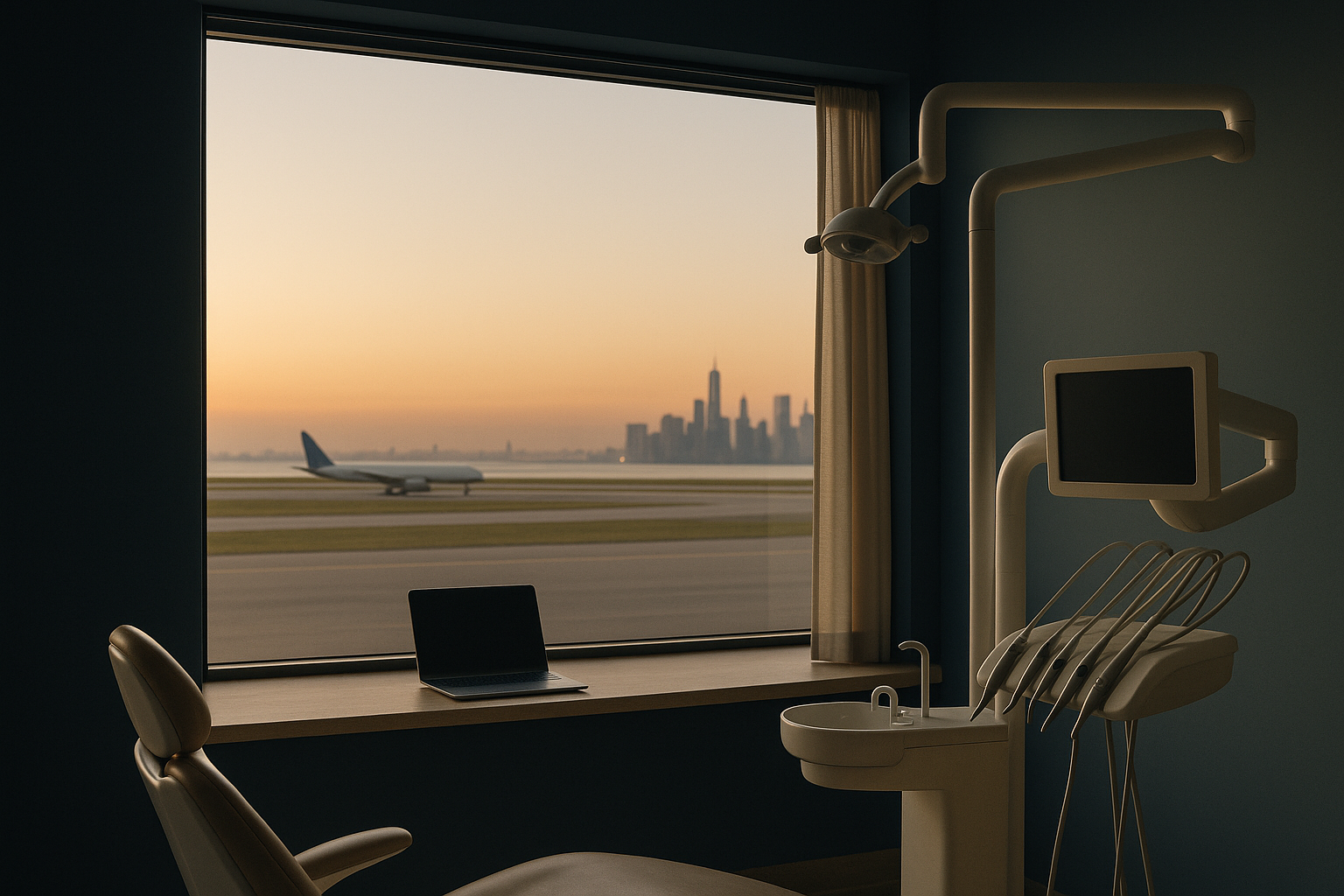
Flying after dental surgery requires careful planning and understanding of the guidelines. Whether you’re considering dental tourism or returning home post-procedure, knowing the restrictions can ensure a safe and smooth journey.
What Are the General Guidelines for Flying After Dental Surgery?
After undergoing dental surgery, particularly major procedures, it’s crucial to follow specific guidelines before flying. The primary concern is the risk of increased pressure in the cabin, which can exacerbate swelling and bleeding. Most dental professionals recommend waiting at least 48 to 72 hours before flying to allow initial healing and reduce the risk of complications. However, this can vary based on the type of surgery performed. For instance, simple extractions may require only a short delay, while more complex procedures like wisdom teeth removal or jaw surgery might necessitate a longer wait.
Consulting with your dentist or surgeon prior to scheduling your flight is essential. They can provide tailored advice based on your individual circumstances and the nature of your dental work. Adhering to their recommendations can minimize complications and ensure a more comfortable travel experience. For example, if you had a bone graft, your dentist might advise waiting a bit longer before flying to avoid disruption in the healing process.
Additionally, staying hydrated and avoiding alcohol or caffeine before your flight can help mitigate any discomfort related to changes in cabin pressure. Chewing gum during take-off and landing can also help equalize ear pressure, which can be beneficial if you’re experiencing any residual facial swelling. Bringing over-the-counter pain relief and following prescribed medication schedules can further ensure comfort during your journey. It’s also a good idea to carry a small first-aid kit with essential items like gauze, antiseptic wipes, and any prescribed medications to manage unexpected issues that may arise.
Is It Worth Going Abroad for Dental Treatment?
Considering dental treatment abroad, commonly known as dental tourism, can offer considerable cost savings. Many patients find that treatments such as dental implants, crowns, or veneers are significantly cheaper in countries like Turkey or Hungary compared to their home countries. For instance, a dental implant that might cost $3,000 in the United States could be available for as low as $1,000 in these destinations, leading to substantial savings, especially for extensive dental work.
However, it’s not just about cost. The quality of care, the expertise of the dental professionals, and the accreditation of the clinics should be thoroughly evaluated. Researching the credentials of the clinic and reading reviews from previous patients can provide valuable insights into the quality of care you can expect. Look for internationally recognized certifications and affiliations with reputable dental organizations which can serve as indicators of high standards.
Moreover, the opportunity to combine treatment with a vacation offers an appealing proposition to many, making the experience not just a necessity but also an enjoyable journey. Patients often take advantage of recuperating in a different culture and environment, which can be a refreshing experience. However, it’s crucial to balance leisure with adequate rest and recovery time post-procedure. This means planning your itinerary to include enough downtime, avoiding strenuous activities, and ensuring that the local healthcare system can address any immediate post-operative needs.
How to Arrange Travel for Dental Treatment Abroad?
Arranging travel for dental treatment abroad involves several steps to ensure a smooth and successful experience. First, choose a reputable clinic and dentist. Accredited clinics with positive patient reviews are a good starting point. Websites like GCR (Global Clinic Rating) and platforms such as WhatClinic can be useful resources in identifying clinics with high patient satisfaction and internationally recognized standards.
Once you’ve selected your clinic, coordinate your travel dates to allow sufficient time for recovery before returning home. This is especially important if you plan on flying after dental procedures. Contact the clinic to confirm the timeline for your treatment and any follow-up care requirements. Adequate planning will help you avoid rushing the healing process, which could lead to complications.
Additionally, consider purchasing travel insurance that covers medical procedures abroad. This can provide peace of mind and financial protection in the event of complications. Ensure that your policy covers not only the treatment but also any potential complications, trip cancellations, or delays. Some companies specialize in medical travel insurance, offering tailored options for dental tourists. It’s also wise to verify if your insurance has a network of local healthcare providers for emergencies or post-treatment care.
Why Is Dental Treatment Cheaper Abroad?
The lower cost of dental treatment abroad is primarily due to several economic factors. Countries like Turkey or Mexico offer dental care at a reduced rate due to lower overhead costs, such as staff wages and operational expenses. This allows clinics to offer competitive pricing without compromising on quality. For example, the cost of living and doing business in these countries is lower, which translates into lower costs for patients.
Furthermore, many countries offer state-of-the-art facilities and highly trained professionals, often educated in Western countries. This combination of affordability and expertise makes dental tourism an attractive option for many. Clinics in these regions often invest in advanced technology and maintain high standards of hygiene and patient care, comparable to those found in more expensive countries.
However, patients should factor in travel expenses and potential follow-up visits when calculating overall cost savings. While the initial treatment may be cheaper, travel costs, accommodation, and the need for potential future visits for adjustments or complications should be considered. Carefully evaluating these aspects will help you make a well-informed decision about pursuing treatment abroad. Make sure to inquire about the clinic’s policies on post-operative care and how they handle follow-up consultations remotely or during subsequent visits.
How Much Do Dental Veneers Cost in Turkey?
The cost of dental veneers in Turkey varies depending on the clinic and the specific materials used. On average, patients can expect to pay between $200 to $350 per veneer, which is significantly lower than prices in countries like the United States or the United Kingdom. In these countries, veneers can cost anywhere from $800 to $2,500 per tooth, making Turkey a very cost-effective option for this type of cosmetic dentistry.
This cost-effectiveness, coupled with high-quality care, makes Turkey a popular destination for dental tourism. Many clinics offer package deals that include accommodation and local transportation, further enhancing the value for international patients. These packages can be especially attractive as they simplify logistics and often include guided tours or leisure activities.
To ensure the best outcome, choose a clinic with a strong reputation and verify the qualifications of the dental professionals involved. Look for dentists who have received training in Western countries or who have a track record of successful cosmetic procedures. Additionally, consult with the clinic about the types of materials they use for veneers, as higher-quality porcelain or composite options can affect both aesthetics and durability. Consider discussing the potential longevity and warranty of the veneers to understand any future costs or replacements needed.
What Is ‘All on 4’ Dental Implants?
‘All on 4’ dental implants are a revolutionary solution for patients with significant tooth loss. This technique involves placing four strategically positioned implants to support a full arch of teeth, offering a stable and durable alternative to traditional dentures. This method is particularly advantageous for patients with limited bone density, as it often avoids the need for bone grafts.
The ‘All on 4’ procedure is less invasive and more cost-effective than placing individual implants for each missing tooth. Patients benefit from a shorter recovery time and a natural-looking smile. Typically, the entire process, from implant surgery to the placement of a temporary prosthesis, can be completed in one day, which is why it’s often referred to as “teeth in a day”.
This method is particularly popular in dental tourism destinations due to its efficiency and high success rate. Clinics offering this procedure often have specialized teams that focus solely on implantology, ensuring a high level of expertise. However, it’s crucial for patients to follow post-surgery care instructions and attend regular check-ups to maintain the health and longevity of their implants. Patients should also be prepared for a period of adjustment as they get used to the new implants, and should inquire about the availability of local support services for any immediate post-operative issues.
Conclusion
Flying after dental surgery requires careful consideration of timing and medical advice to ensure a safe journey. Whether you’re exploring dental tourism or returning home post-procedure, understanding these guidelines is essential for a successful experience. Always consult with your dental professional to tailor these recommendations to your specific needs. By taking these steps, you can enjoy the benefits of your dental treatment without compromising your health or comfort during travel.
Proven result
80 to 240 dental patients a month from France
High-volume dental clinic, Istanbul
Frequently asked questions
Is it worth going abroad for dental treatment?
Yes, dental treatment abroad can offer significant cost savings and high-quality care, but research and planning are essential.
How to arrange travel for dental treatment abroad?
Start by choosing a reputable clinic, coordinating travel dates for recovery, and considering travel insurance for medical coverage.
Why is dental treatment cheaper abroad?
Lower operational costs and competitive pricing in countries like Turkey and Mexico make dental treatment more affordable abroad.
How much do dental veneers cost in Turkey?
Dental veneers in Turkey typically cost between $200 and $350 per veneer, offering significant savings compared to Western countries.
Related guides

How Overseas Surgery Insurance Really Works
A lower treatment quote can quickly lose its advantage if an unexpected complication extends your stay, requires emergency…

Analyzing the Medical Tourism Market: Current Trends
Quick answerThe medical tourism market is growing due to factors like cost-effective treatments, advanced medical technologies, and international…

Best Country for Cancer Treatment: Top Countries for Advanced Cancer Treatment Options
Quick answerCountries like the USA, Germany, and Japan offer some of the best cancer treatment in the world,…