
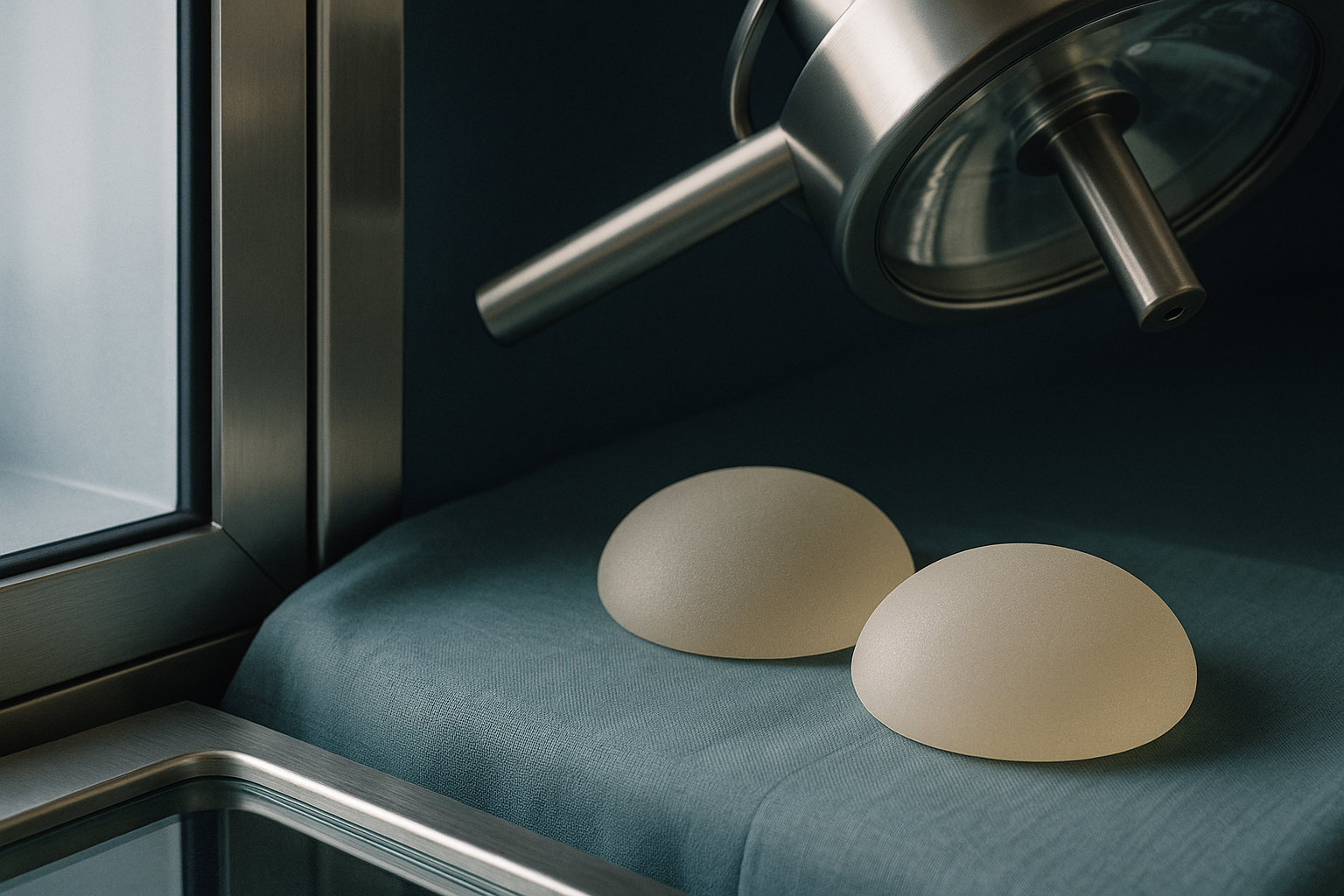
Considering breast augmentation in Turkey is an increasingly popular choice for many international patients seeking quality care and affordability. This comprehensive guide provides essential information about costs, timelines, safety, and what to expect from the experience.
Why Choose Turkey for Breast Augmentation?
Turkey has become a leading destination for medical tourism, particularly for cosmetic procedures like breast augmentation. The country offers high-quality medical care at competitive prices, making it an attractive option for international patients. Many clinics are internationally accredited, ensuring adherence to global healthcare standards. For instance, hospitals in Turkey frequently boast certifications from the Joint Commission International (JCI), which assures patients of stringent adherence to safety and quality benchmarks.
Additionally, Turkish surgeons are renowned for their expertise and experience in cosmetic surgery. Many have trained in Europe or the United States, bringing a wealth of international experience back to Turkey. This level of expertise ensures that patients are in capable hands, with surgeons employing the latest techniques and technologies in breast augmentation. The combination of skilled practitioners and modern facilities contributes to the growing popularity of breast augmentation in Turkey.
Choosing Turkey not only provides financial savings but also the opportunity to recover in a culturally rich environment. Patients can enjoy the historical and natural beauty of the country while recuperating. From the bustling bazaars of Istanbul to the tranquil beaches of Antalya, Turkey offers a unique blend of relaxation and cultural exploration, making the recovery process more enjoyable. Additionally, the warm climate and welcoming hospitality can enhance the overall experience, making it not just a medical journey but a holistic rejuvenation process.
What Are the Costs Involved?
One of the primary reasons patients consider breast augmentation in Turkey is the cost. On average, the procedure costs between £2,500 and £4,000, which is significantly lower than in many Western countries. In contrast, similar procedures in the United Kingdom or the United States can range from £5,000 to £7,500, highlighting the substantial savings available in Turkey. These prices typically include the surgery, anaesthesia, and hospital fees, providing a comprehensive package that ensures no hidden costs.
It’s important to note that additional costs, such as travel, accommodation, and post-operative care, should also be considered. Many clinics offer all-inclusive packages that cover these expenses, providing added convenience for international patients. Such packages might include airport transfers, hotel accommodations, and even guided tours, allowing patients to focus solely on their recovery and experience. It’s advisable to compare these packages carefully, considering the quality and inclusions each offers.
To ensure transparency, request a detailed breakdown of costs from any prospective clinic before making a decision. This will help avoid unexpected expenses and ensure a smooth experience. Be upfront about your budget and ask for a detailed quote that includes all potential costs, such as medication, follow-up visits, and any additional procedures that may be recommended. This proactive approach will help you manage your finances effectively and prevent any surprises. Moreover, understanding the financial commitment in advance allows for better planning and peace of mind.
How to Evaluate Clinic Accreditation and Surgeon Qualifications?
Ensuring the clinic’s accreditation and the surgeon’s qualifications is crucial for a safe and successful procedure. Look for clinics that have accreditation from international bodies like the Joint Commission International (JCI) or the International Society for Aesthetic Plastic Surgery (ISAPS). These organizations set high standards for safety and quality, ensuring that clinics adhere to rigorous protocols and practices. Accreditation also provides an extra layer of reassurance for patients, knowing they are receiving care that meets international standards.
Surgeons should have relevant certifications and be members of professional organisations. Verify their experience in performing breast augmentation and research patient reviews and testimonials for further insight into their reputation. Websites like RealSelf and Trustpilot can be valuable resources for finding unbiased reviews from previous patients. Additionally, consider the surgeon’s track record, looking at before-and-after photos and any published papers or contributions to the field of cosmetic surgery.
It’s also advisable to schedule a virtual consultation with the surgeon to discuss your expectations and any concerns. This interaction can provide reassurance and help establish a rapport before your arrival in Turkey. During this consultation, assess the surgeon’s communication style and willingness to answer questions. A good surgeon will listen to your goals, provide realistic expectations, and make you feel comfortable and informed about the procedure. This step is crucial in building trust and ensuring that your vision aligns with the surgeon’s approach.
What Are the Safety and Recovery Considerations?
Safety is a paramount concern for anyone considering breast augmentation abroad. In Turkey, most clinics adhere to strict safety protocols, but it’s essential to do your due diligence. Confirm the clinic’s compliance with health and safety regulations and their infection control practices. Ask about the sterilization processes they follow, the qualifications of the medical staff, and the emergency procedures in place. Understanding these aspects can provide peace of mind before undergoing surgery.
Post-operative care is equally important. The initial recovery period typically lasts 2-3 weeks, during which patients should avoid strenuous activities and follow their surgeon’s guidelines. This might include wearing a support garment, keeping the incision sites clean, and taking prescribed medications to minimize discomfort and prevent infection. Patients should also have access to medical support during this time and know whom to contact if they experience any complications.
Many clinics offer follow-up appointments and virtual check-ins to monitor progress. These follow-ups are crucial for ensuring the healing process is on track and for addressing any concerns that may arise. Understanding the recovery process and having realistic expectations can significantly impact the overall satisfaction with the results. Prepare for some swelling and bruising initially, with final results becoming more apparent after a few months. Patience and adherence to post-operative instructions are key to achieving optimal outcomes. Staying informed about potential setbacks and knowing when to seek medical advice is also critical for a smooth recovery.
What Should You Expect During the Procedure?
Before the surgery, patients will have a pre-operative assessment to discuss their medical history and desired outcomes. This assessment helps the surgeon understand the patient’s goals and tailor the procedure accordingly. The procedure itself usually takes 1-2 hours under general anaesthesia, during which patients will be completely unconscious and free from pain. The type of anaesthesia used is discussed beforehand, with options like local anaesthesia with sedation available in some cases.
The surgeon will make incisions in inconspicuous areas to minimise visible scarring. Common incision sites include the inframammary fold (under the breast), around the areola, or in the armpit. After placing the implants, which may be silicone or saline, the incisions are closed with sutures. The choice of implant type is based on the patient’s preferences, body type, and the surgeon’s recommendation.
Patients are typically discharged the same day, although some may require an overnight stay for observation. It’s normal to experience some discomfort and tightness in the chest area, which can be managed with prescribed pain relief. Understanding the surgical process can alleviate anxiety and help patients feel more prepared for their breast augmentation in Turkey. Being informed about each step, from incision placement to recovery, empowers patients and sets the stage for a successful experience. Clear communication with the medical team before and after the surgery is essential to address any uncertainties and ensure a smooth process.
How to Plan Your Trip for Breast Augmentation in Turkey?
Planning is essential for a successful medical trip to Turkey. Start by researching clinics and surgeons, then contact them to gather more information and arrange consultations. This initial research phase is crucial for building a list of potential clinics that meet your needs and standards. Consider factors such as the clinic’s reputation, the surgeon’s experience, and patient reviews to narrow down your options.
Consider the timing of your trip, allowing for sufficient recovery before returning home. It’s advisable to have a companion for support, especially during the initial recovery phase. A companion can assist with travel logistics, provide emotional support, and help with daily tasks while you recover. Ensure your companion is aware of their role and the duration of the trip, allowing them to plan accordingly.
- Ensure your passport is valid and check visa requirements. Some nationalities can enter Turkey visa-free, while others may need to apply for an e-visa online.
- Book flights and accommodation in advance. Consider staying in a hotel close to the clinic to minimize travel time post-surgery.
- Arrange for transportation to and from the clinic. Many clinics offer transfer services as part of their packages, ensuring a hassle-free experience.
Proper planning can lead to a smoother and more comfortable experience. Keep all important documents and contact information organized and readily accessible. Also, consider purchasing travel insurance that covers medical procedures abroad, offering an additional safety net should any issues arise during your trip. Having a comprehensive plan will also help in managing unexpected events, ensuring that your focus remains on recovery and enjoying your time in Turkey.
What Are the Benefits and Risks of Breast Augmentation?
Breast augmentation can enhance self-confidence and body image, but it’s important to weigh the benefits against potential risks. The procedure can lead to improved self-esteem, allowing individuals to feel more comfortable and satisfied with their appearance. Many patients report increased confidence in social and professional settings, as well as a more positive self-image.
However, common risks include infection, implant rupture, and changes in breast sensation. While rare, these complications can occur and may require additional treatment or surgery to resolve. Patients should discuss these risks with their surgeon and understand the measures taken to mitigate them. Surgeons typically outline the potential risks during consultations and offer strategies to minimize them, such as choosing high-quality implants and following post-operative care instructions diligently.
In many cases, the benefits outweigh the risks, leading to high patient satisfaction rates. According to studies, over 90% of breast augmentation patients report satisfaction with their results, citing improved aesthetics and quality of life. Being informed about the procedure can help patients make empowered decisions and achieve their desired results. By understanding both the potential benefits and risks, patients can make a well-rounded decision that aligns with their personal goals and expectations. It is essential to have realistic expectations and a clear understanding of the potential outcomes to ensure satisfaction.
Conclusion
Breast augmentation in Turkey offers a blend of affordability, expertise, and quality care. By considering costs, safety, and planning, patients can make informed decisions that align with their personal goals. With the right preparation, the journey to achieving desired aesthetic outcomes can be a rewarding experience. The combination of Turkey’s advanced medical infrastructure, experienced surgeons, and competitive pricing makes it an appealing choice for those seeking breast augmentation abroad. Ultimately, thorough research and careful planning are the keys to a successful and satisfying experience. Embracing this journey with a well-informed perspective can lead to fulfilling results and a positive transformation.
Proven result
23× monthly patients from the UK market in six years
Multi-specialty medical travel company (hair, plastic & bariatric surgery)
Frequently asked questions
Is breast augmentation in Turkey safe?
Yes, many clinics in Turkey adhere to international safety standards. Verify clinic accreditation and surgeon qualifications for assurance.
How much does breast augmentation cost in Turkey?
Costs range from £2,500 to £4,000, often including surgery, anaesthesia, and hospital fees. Additional expenses may apply.
What is the recovery time for breast augmentation?
The initial recovery typically lasts 2-3 weeks. Patients should avoid strenuous activities and follow post-operative care instructions.
How do I choose the right clinic in Turkey?
Research clinic accreditation, surgeon qualifications, and patient reviews. Schedule consultations to discuss your needs and expectations.
What are the risks of breast augmentation?
Risks include infection, implant rupture, and changes in sensation. Discuss these with your surgeon to understand preventive measures.
Related guides

Patient Experience That Drives Trust and Growth
A patient who has already uploaded medical records, compared providers, and arranged time away from work is not…

What Is a Medical Travel Facilitator and Why Use One?
A lower treatment quote can look compelling until you try to compare what it actually includes: surgeon fees,…

What Hospital Accreditation Reviews Really Tell You
A hospital can have polished facilities, prominent surgeons, and hundreds of five-star ratings, yet those signals do not…