
Guadalajara, Mexico, is emerging as a prominent destination for medical tourism, with costs expected to remain competitive by 2026. Patients considering international healthcare are drawn to its high-quality services and cost-effective options. This article explores the projected costs for medical tourism in Guadalajara, 2026, offering insights into treatment expenses, timelines, and safety considerations.
What Are the Projected Costs for Medical Tourism in Guadalajara, 2026?
As the global healthcare landscape evolves, Guadalajara, Mexico, is poised to become a significant hub for medical tourism by 2026. The projected costs for medical procedures in this vibrant city are anticipated to be significantly lower than those in countries such as the United States and Canada. For instance, patients seeking orthopaedic surgeries like hip replacements can expect to save between 50% and 70% compared to U.S. prices, where such procedures can cost upwards of $40,000. In Guadalajara, the same surgery may only cost between $10,000 and $15,000, depending on the specific facility and surgeon’s expertise.
These cost savings are largely due to Guadalajara’s lower operational costs, including labor and administrative expenses, which enable healthcare providers to offer competitive pricing without compromising on quality. Additionally, the city’s strategic focus on medical tourism has led to government incentives and collaborations with international healthcare organizations, further driving down costs. The Mexican peso’s favorable exchange rate against the U.S. dollar also plays a critical role in maintaining these cost advantages, making high-quality care accessible to a broader audience.
Beyond the direct costs of medical procedures, potential patients should budget for ancillary expenses, which may include accommodation, travel, and post-operative care. These additional costs can vary widely, with accommodation ranging from $30 to $150 per night, depending on the level of luxury and proximity to medical facilities. Overall, a comprehensive cost analysis reveals that medical tourism in Guadalajara offers a financially viable alternative for those seeking high-quality medical care abroad.
How Do Guadalajara’s Healthcare Facilities Compare?
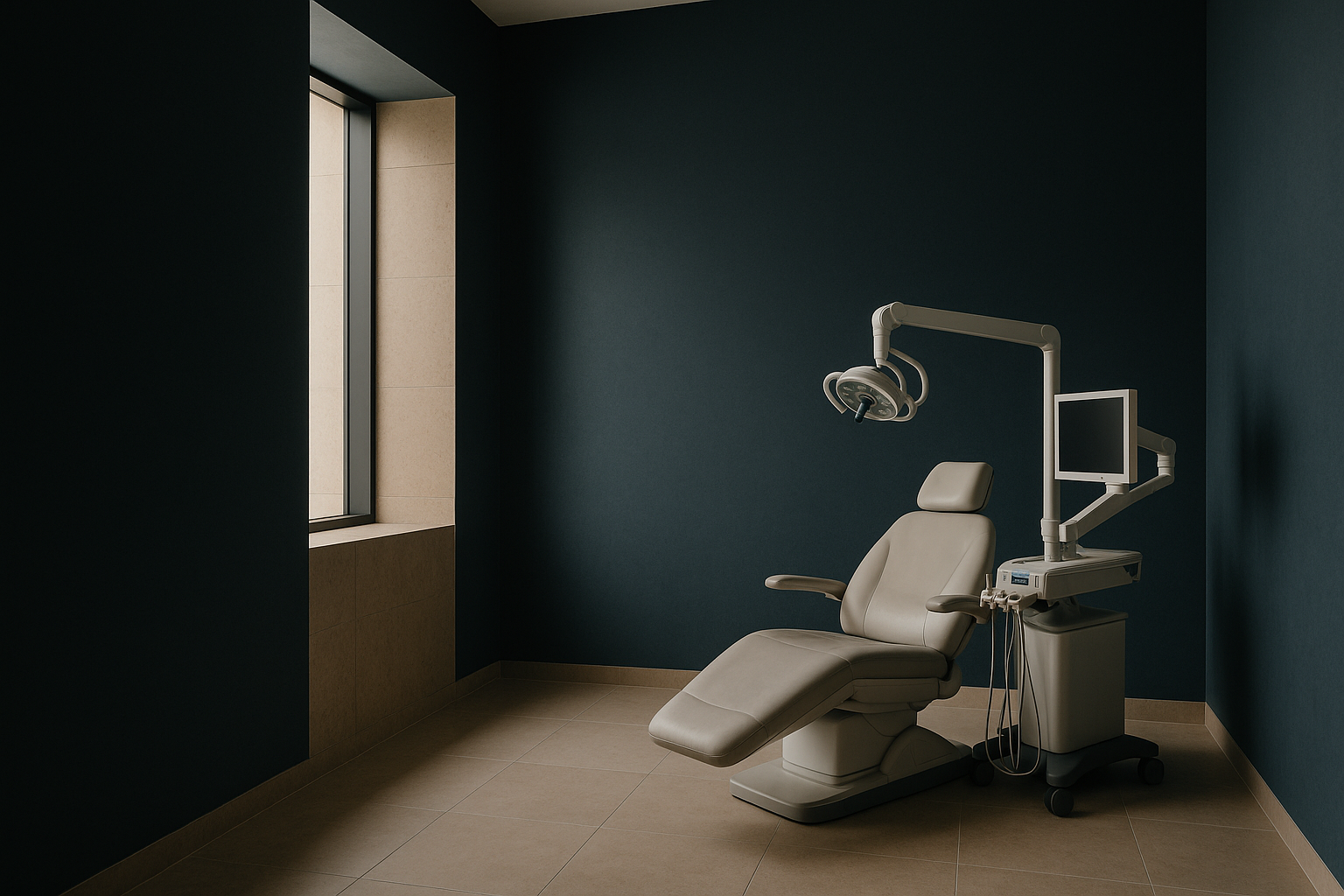
Guadalajara’s healthcare facilities are known for their commitment to excellence, often exceeding international standards. The city boasts a wide array of private hospitals and clinics that are equipped with cutting-edge technology and staffed by highly skilled professionals. Many of these institutions have gained accreditation from prestigious international bodies such as the Joint Commission International (JCI) and the International Organization for Standardization (ISO), ensuring adherence to rigorous global healthcare standards. This accreditation is a testament to the quality of care patients can expect, providing peace of mind to those traveling from abroad.
These healthcare facilities prioritize patient safety and comfort, employing state-of-the-art technologies such as robotic surgery systems and advanced imaging techniques. This technological edge not only enhances the precision and outcomes of medical procedures but also reduces recovery times, allowing patients to resume their daily activities sooner. Furthermore, Guadalajara’s medical professionals are often bilingual, offering consultations and care in both English and Spanish, which facilitates effective communication and enhances the patient experience.
The city’s healthcare landscape is diverse, encompassing a wide range of specialties from cardiology and oncology to fertility treatments and cosmetic surgery. This variety ensures that patients can access comprehensive care tailored to their specific medical needs. For example, a patient seeking both dental implants and cosmetic surgery can conveniently arrange for both treatments within the same healthcare network, streamlining logistics and potentially reducing overall costs. This integrated approach is one of the many reasons why Guadalajara is increasingly attracting international medical tourists.
What Are the Key Factors Influencing Medical Travel Expenses?
Several key factors influence the total expenses associated with medical tourism in Guadalajara. The type of procedure is a primary determinant, as the complexity and duration of the treatment can significantly affect costs. Procedures that require specialized equipment or extended hospital stays, such as cardiac surgeries, tend to be more expensive than outpatient treatments like dental work or cosmetic procedures. For example, a coronary artery bypass surgery might cost between $15,000 and $25,000 in Guadalajara, a fraction of the cost in Western countries.
The choice of healthcare facility also plays a crucial role in determining expenses. While all accredited facilities in Guadalajara provide high-quality care, costs can vary based on the hospital’s reputation, its location within the city, and the level of luxury and personalized service it offers. Some hospitals cater to international patients with amenities such as private suites, concierge services, and gourmet dining options, which can influence the overall expense.
- Type of procedure
- Healthcare facility chosen
- Duration of stay
- Additional services such as rehabilitation
- Travel and accommodation costs
Travel-related expenses, including airfare, visas, and local transportation, are additional considerations. Flights to Guadalajara from major U.S. cities can range from $200 to $600, depending on the season and booking time. Patients are encouraged to leverage travel packages that include accommodation and transfers to manage these costs effectively. Ultimately, thorough research and careful planning are essential for optimizing the financial aspects of medical tourism in Guadalajara.
What Safety Measures Are in Place for International Patients?
In Guadalajara, patient safety is of utmost importance, especially for international visitors. Healthcare facilities in the city adhere to stringent safety protocols designed to protect patients throughout their medical journey. These protocols include rigorous hygiene standards, comprehensive infection control measures, and robust emergency response systems that are on par with those found in top-tier hospitals worldwide. For example, hospitals often have dedicated infection control teams that conduct regular audits to ensure compliance with established guidelines.
The Mexican government, alongside private healthcare providers, has implemented a framework of regulations specifically aimed at safeguarding medical tourists. This includes licensing requirements for medical facilities, which are regularly inspected to ensure they meet international standards of care. Such measures provide an added layer of security for patients, assuring them of the facility’s commitment to quality and safety.
To further enhance safety, international patients are advised to purchase comprehensive travel insurance that covers medical procedures abroad. This insurance can provide coverage for unforeseen complications, emergency medical evacuations, and even trip cancellations, offering peace of mind. Additionally, patients should engage in open communication with their healthcare providers, express any concerns, and review the facility’s accreditation and patient testimonials before proceeding with treatment. These proactive steps can significantly mitigate risks and enhance the overall safety of the medical tourism experience in Guadalajara.
What Timelines Should Patients Expect?
Timelines for medical tourism in Guadalajara can vary considerably based on the type of treatment and the individual’s health condition, but generally follow a structured path. The process typically begins with an initial consultation, which can often be conducted virtually to accommodate international patients. During this consultation, medical history is reviewed, and a preliminary treatment plan is discussed. This step is crucial for setting expectations and outlining the next phases of the medical journey.
Following the initial consultation, a detailed treatment plan is developed, which includes scheduling the procedure and outlining post-operative care requirements. For elective surgeries, such as cosmetic procedures, patients can often schedule their surgery within weeks of the initial consultation, subject to surgeon availability and patient readiness. This flexibility is a significant advantage for those with specific timing constraints or preferences.
- Initial consultation
- Treatment plan development
- Procedure scheduling
- Post-operative care
- Recovery and follow-up consultations
Post-operative care is an integral part of the timeline and may include follow-up consultations, rehabilitation, and additional treatments if necessary. Patients are generally advised to plan for a stay of one to two weeks for non-emergency procedures, allowing ample time for recovery and any follow-up appointments. For more complex procedures, a longer stay or multiple visits may be required to ensure a thorough recovery. Effective communication with healthcare providers is essential for establishing a clear timeline and making necessary travel and accommodation arrangements.
What Are the Common Treatments Sought by Medical Tourists in Guadalajara?
Guadalajara is a sought-after destination for a variety of medical treatments, attracting patients from around the world. Orthopaedic surgeries, such as knee and hip replacements, are particularly popular due to the expertise of Guadalajara’s surgeons and the availability of advanced medical technology. These procedures have high success rates and are significantly more affordable than in countries like the United States, making them a top choice for international patients.
Dental care is another major draw, with treatments ranging from routine cleanings and fillings to complex procedures like dental implants and cosmetic dentistry. Patients can achieve savings of 50% or more on dental procedures, with implants costing between $1,000 and $2,000 per tooth, compared to $4,000 or more in the U.S. Besides cost savings, the quality of dental care in Guadalajara is comparable to that found in developed countries, thanks to the use of modern techniques and materials.
Cosmetic surgery is also highly sought after, with procedures such as facelifts, rhinoplasty, and liposuction being offered at competitive rates. Patients appreciate the combination of expert care and affordability, with procedures often costing 30-50% less than in the U.S. Fertility treatments, including in vitro fertilization (IVF), are available as well, attracting couples seeking effective and affordable reproductive solutions. Guadalajara’s comprehensive healthcare offerings and competitive pricing make it a prime destination for medical tourists seeking a wide range of treatments.
Conclusion
Guadalajara, Mexico, is set to remain a leading destination for medical tourism by 2026, offering high-quality healthcare at competitive prices. With a robust healthcare infrastructure, international accreditation, and a focus on patient safety, it provides an attractive option for international patients. As you consider your medical tourism journey, understanding the costs, timelines, and safety measures in place will help you make an informed decision. Whether you are seeking elective procedures or essential medical care, Guadalajara offers a trustworthy and economical solution.
Proven result
23× monthly patients from the UK market in six years
Multi-specialty medical travel company (hair, plastic & bariatric surgery)
Frequently asked questions
What is the average cost of surgery in Guadalajara?
The average cost of surgery in Guadalajara can vary widely, but patients may save 40-60% compared to US prices.
How safe is medical tourism in Guadalajara?
Medical tourism in Guadalajara is generally safe, with many facilities accredited internationally and adhering to strict safety protocols.
How long should I plan to stay in Guadalajara for treatment?
Plan for a stay of one to two weeks for most treatments, allowing time for recovery and follow-up appointments.
What types of treatments are popular in Guadalajara for international patients?
Popular treatments include orthopaedic surgeries, dental care, cosmetic procedures, and fertility treatments.
Related guides

Digital Marketing for Clinics That Drives Demand
A clinic can have exceptional physicians, advanced technology, and competitive pricing, yet still lose prospective patients before the…

How Overseas Surgery Insurance Really Works
A lower treatment quote can quickly lose its advantage if an unexpected complication extends your stay, requires emergency…

Analyzing the Medical Tourism Market: Current Trends
Quick answerThe medical tourism market is growing due to factors like cost-effective treatments, advanced medical technologies, and international…