
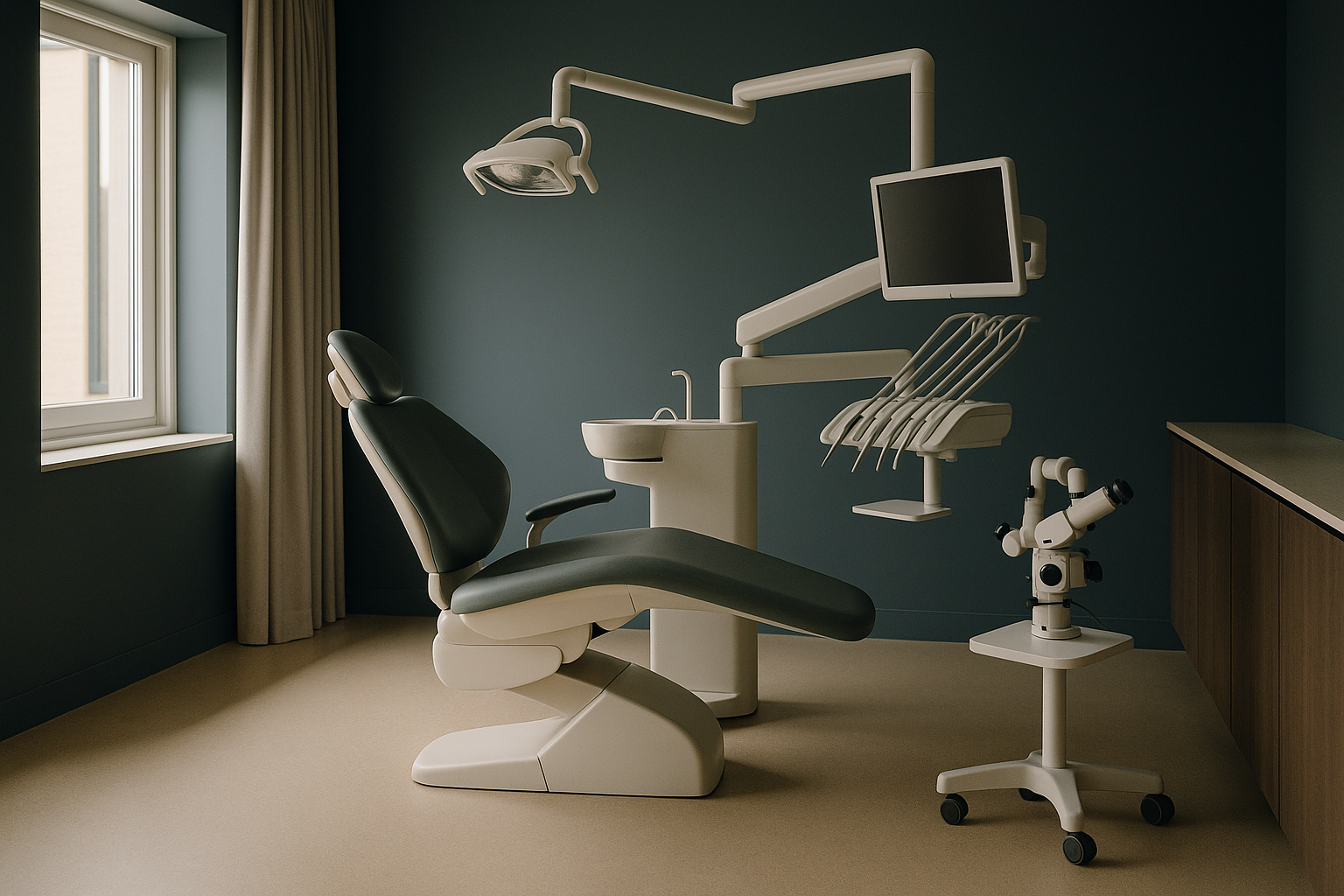
Finding affordable dental implants can be a crucial step in restoring your dental health without breaking the bank. This comprehensive guide will help you navigate the process, from understanding costs to selecting a reputable clinic.
What Are Dental Implants?
Dental implants are artificial tooth roots, typically made of titanium, that provide a permanent base for fixed or removable replacement teeth. They are designed to blend in with your natural teeth and offer a long-term solution for tooth loss. Understanding the components of dental implants can help you make informed decisions about your dental care. The implant itself is a small post that is inserted into the jawbone. Over time, it fuses with the bone in a process called osseointegration. This creates a stable foundation for the abutment, which connects the implant to the crown. This process can take several months, but it is crucial for the durability and effectiveness of the implant.
The implant procedure begins with a thorough evaluation by your dentist, who will assess the condition of your jawbone and overall oral health. This may involve imaging tests such as X-rays or CT scans to determine the precise placement of the implant. Once the implant is in place, a temporary crown may be fitted until the osseointegration process is complete. This allows for normal chewing and speaking functions while ensuring that the implant remains undisturbed during healing.
Dental implants are known for their durability and natural appearance. They require the same care as natural teeth, including regular brushing and flossing. Unlike dentures, which may slip or cause discomfort, implants offer a more stable and comfortable solution. The maintenance of dental implants involves routine dental check-ups to ensure the implants are functioning correctly and the surrounding tissues remain healthy. Patients should also be aware of the potential risks and complications, such as infection or implant failure, and should follow their dentist’s aftercare instructions closely to mitigate these risks.
How Can You Find Affordable Dental Implants?
Finding affordable dental implants involves researching and comparing options across different countries and clinics. Dental tourism is a popular choice, allowing patients to obtain high-quality care at reduced costs. However, this requires careful planning and consideration of various factors to ensure that you receive quality care. Research multiple clinics: Look for clinics with positive reviews and accreditation from reputable dental associations. Consider seeking recommendations from former patients who have undergone similar procedures. This can provide valuable insights into the patient experience and the quality of care provided by potential clinics.
Comparing costs is another critical step. Prices can vary significantly between countries and even within the same country. For example, the cost of implants in the United States can be double compared to what you might pay in countries like Mexico or India. It’s important to obtain detailed quotes that include all potential expenses, such as consultation fees, the implant procedure, the abutment, and the crown. Be wary of hidden costs that might not be apparent at first glance, ensuring that you have a comprehensive understanding of the total investment required.
Consult with professionals: Seek advice from dental professionals who can provide insights into the quality of care and potential risks. They can help you understand the differences in procedures and materials used in different regions. By taking these steps, you can find a clinic that offers affordable dental implants without compromising on quality. It’s essential to balance cost savings with the assurance of receiving safe and effective treatment. Additionally, consider the logistical aspects of traveling for dental care, such as travel arrangements, accommodation, and the potential need for follow-up visits.
What Are the Costs Associated with Dental Implants?
The cost of dental implants can vary based on several factors, including the complexity of the procedure, the materials used, and the location of the clinic. On average, a single implant can range from $1,000 to $3,000, excluding additional procedures such as bone grafting or sinus lifts. These additional procedures can add another $500 to $2,000 to the total cost, depending on the patient’s specific needs. It’s crucial to get a detailed breakdown of potential costs before committing to a procedure, ensuring transparency and preventing unexpected expenses.
Dental tourism can significantly reduce these costs. For example, countries like Mexico, Thailand, and Hungary offer competitive pricing for dental implants, often at a fraction of the cost in Western countries. In these locations, a full dental implant procedure, including the implant, abutment, and crown, might cost between $1,500 and $2,500. These savings can make dental tourism an attractive option, especially for patients without dental insurance. However, it’s important to weigh these savings against the potential challenges, such as language barriers and the need for extended time away from home.
It’s important to consider not only the initial cost but also any additional expenses such as travel, accommodation, and follow-up care. Planning for these expenses in advance can help avoid unexpected financial strain. Additionally, be sure to factor in the quality of care and potential need for multiple visits when considering the overall value of the procedure abroad. A comprehensive cost analysis should take into account the total cost of ownership, including maintenance and potential future treatments, to ensure that the investment in dental implants is both affordable and sustainable over the long term.
How Long Does the Dental Implant Process Take?
The dental implant process typically involves several stages and can take several months to complete. Initially, the implant is placed into the jawbone, where it will need time to heal and integrate with the bone, usually taking 3 to 6 months. This healing period is essential for ensuring the stability of the implant and the success of the procedure. During this time, patients need to follow specific care instructions to promote proper healing, such as maintaining good oral hygiene, avoiding hard foods, and attending regular dental check-ups.
Once the implant has successfully fused with the jawbone, the abutment is attached. This intermediate step ensures a stable base for the crown. The abutment sits above the gum line and serves as the connection between the implant and the crown. Some patients may experience minor discomfort during this stage, which can be managed with over-the-counter pain relief. It’s important to monitor the site for any signs of infection or complications and to communicate any concerns with your dental provider promptly.
The final stage involves placing the crown, which is custom-made to match the colour and shape of your natural teeth. This step can take an additional few weeks to complete as the crown is crafted in a dental lab. The entire process from start to finish can take anywhere from 5 months to over a year, depending on the patient’s healing process and any additional dental work required. Planning for this timeline is crucial, especially if you are considering dental tourism, as it may involve multiple trips or an extended stay. Patients should be prepared for the commitment and patience required to achieve the best possible outcomes with their dental implants.
What Safety Measures Should You Consider?
When seeking affordable dental implants, prioritising safety is paramount. Ensure the clinic you choose follows international standards for safety and sterilisation. Choosing a clinic with a commitment to high safety standards can significantly reduce the risks of complications such as infection or implant failure. Accreditation: Verify that the clinic is accredited by recognised dental associations. This accreditation is an indicator that the clinic meets specific standards of care and safety, providing reassurance that you are receiving treatment in a respected and reputable environment.
Professional qualifications: Check the credentials and experience of the dental professionals performing the procedure. Look for practitioners with specialised training in implant dentistry and a track record of successful procedures. Experienced professionals are better equipped to handle complex cases and potential complications, ensuring a higher likelihood of successful outcomes. Don’t hesitate to ask for references or testimonials from past patients to verify the practitioner’s expertise and patient satisfaction.
Hygiene standards: Ensure the clinic adheres to strict hygiene and sterilisation protocols to minimise the risk of infection. Ask about the clinic’s policies on equipment sterilisation and infection control. By taking these precautions, you can reduce the risks associated with dental implant procedures. Additionally, consider asking the clinic about its contingency plans in case of complications and whether they offer any follow-up care or support post-procedure. A proactive approach to safety and hygiene can significantly enhance your comfort and confidence throughout the implant process.
How Do You Choose the Right Dental Clinic?
Choosing a dental clinic involves evaluating several factors to ensure you receive the best possible care. Start by researching clinics with a proven track record in dental implant procedures. It’s important to review the clinic’s success rates and patient satisfaction scores as these metrics provide insight into the quality of care you can expect. Clinics with high success rates and positive reviews are more likely to deliver satisfactory outcomes, making them a safer choice for your dental implant needs.
Consider the clinic’s reputation, patient reviews, and the experience of its dental professionals. Look for testimonials from past patients and check online forums for unbiased opinions. It’s also important to assess the clinic’s facilities and whether they use up-to-date technology and techniques. State-of-the-art equipment and methods can enhance the precision and outcomes of implant procedures. Clinics that invest in the latest technology are often better equipped to handle complex cases and provide high-quality care.
Lastly, consider the level of customer service and aftercare provided. A clinic that offers comprehensive support before, during, and after the procedure can significantly enhance your experience. This includes clear communication about what to expect at each stage of the process, as well as access to support for any questions or concerns that arise during recovery. A strong aftercare program can ensure long-term success and satisfaction with your dental implants. The right clinic will prioritize patient education and support, helping you feel confident and informed throughout your dental journey.
What Are the Benefits of Dental Implants?
Dental implants offer numerous benefits, making them a preferred choice for tooth replacement. They provide a permanent solution that looks and functions like natural teeth, enhancing both aesthetics and oral health. Unlike dentures, which can be cumbersome and require adhesives, implants are secure and comfortable. This stability not only improves eating and speaking but also boosts overall confidence in social and professional situations.
Implants help preserve jawbone density, preventing bone loss that often accompanies missing teeth. This preservation of bone structure not only maintains facial aesthetics but also supports overall oral health. They also improve chewing efficiency and speech clarity, contributing to overall quality of life. Patients with implants often report improved confidence in eating and speaking, as they no longer worry about dentures slipping or shifting. This confidence can lead to a more active lifestyle and enhanced social interactions.
Additionally, dental implants do not require altering adjacent teeth, unlike traditional bridges, preserving the integrity of your natural teeth. This conservative approach to tooth replacement is a significant advantage, as it prevents unnecessary wear on surrounding teeth. With these benefits, dental implants are an investment in both your oral health and self-confidence. They offer a durable, long-term solution that can last a lifetime with proper care. Regular dental check-ups and good oral hygiene practices are essential to maintaining the longevity and functionality of your implants.
Conclusion
Affordable dental implants are attainable with careful research and planning. By considering factors such as costs, timelines, safety, and clinic reputation, you can make informed decisions that align with your dental health goals and budget. As the demand for dental tourism grows, more patients are accessing quality care at prices that suit their financial needs. It’s essential to weigh the pros and cons of traveling for dental work, including the potential for cost savings and the logistical challenges involved.
With the right approach, dental implants can provide a life-changing improvement to your oral health and quality of life. Whether you choose to stay local or explore options abroad, prioritizing quality and safety will ensure a successful outcome. The journey to finding affordable dental implants may require time and effort, but the benefits of improved oral health and confidence are well worth the investment. As you embark on this journey, remember to seek advice from trusted dental professionals and remain proactive in your research to achieve the best possible results.
Proven result
80 to 240 dental patients a month from France
High-volume dental clinic, Istanbul
Frequently asked questions
What are dental implants made of?
Dental implants are primarily made of titanium, known for its compatibility with the human body and durability.
Is dental tourism safe for implants?
Dental tourism can be safe if you choose accredited clinics that adhere to international safety standards and hire qualified professionals.
How long do dental implants last?
With proper care, dental implants can last 20 years or more. Regular dental check-ups are crucial for longevity.
Are there alternatives to dental implants?
Alternatives include dentures, bridges, and partial dentures, each with its own advantages and limitations.
Can anyone get dental implants?
Most adults can get implants, but factors like bone density and overall oral health must be assessed by a professional.
Related guides

What Is a Medical Travel Facilitator and Why Use One?
A lower treatment quote can look compelling until you try to compare what it actually includes: surgeon fees,…

What Hospital Accreditation Reviews Really Tell You
A hospital can have polished facilities, prominent surgeons, and hundreds of five-star ratings, yet those signals do not…

International Patient Onboarding Guide for Hospitals
An international patient inquiry is not simply a lead. It is a person weighing a major medical decision…