
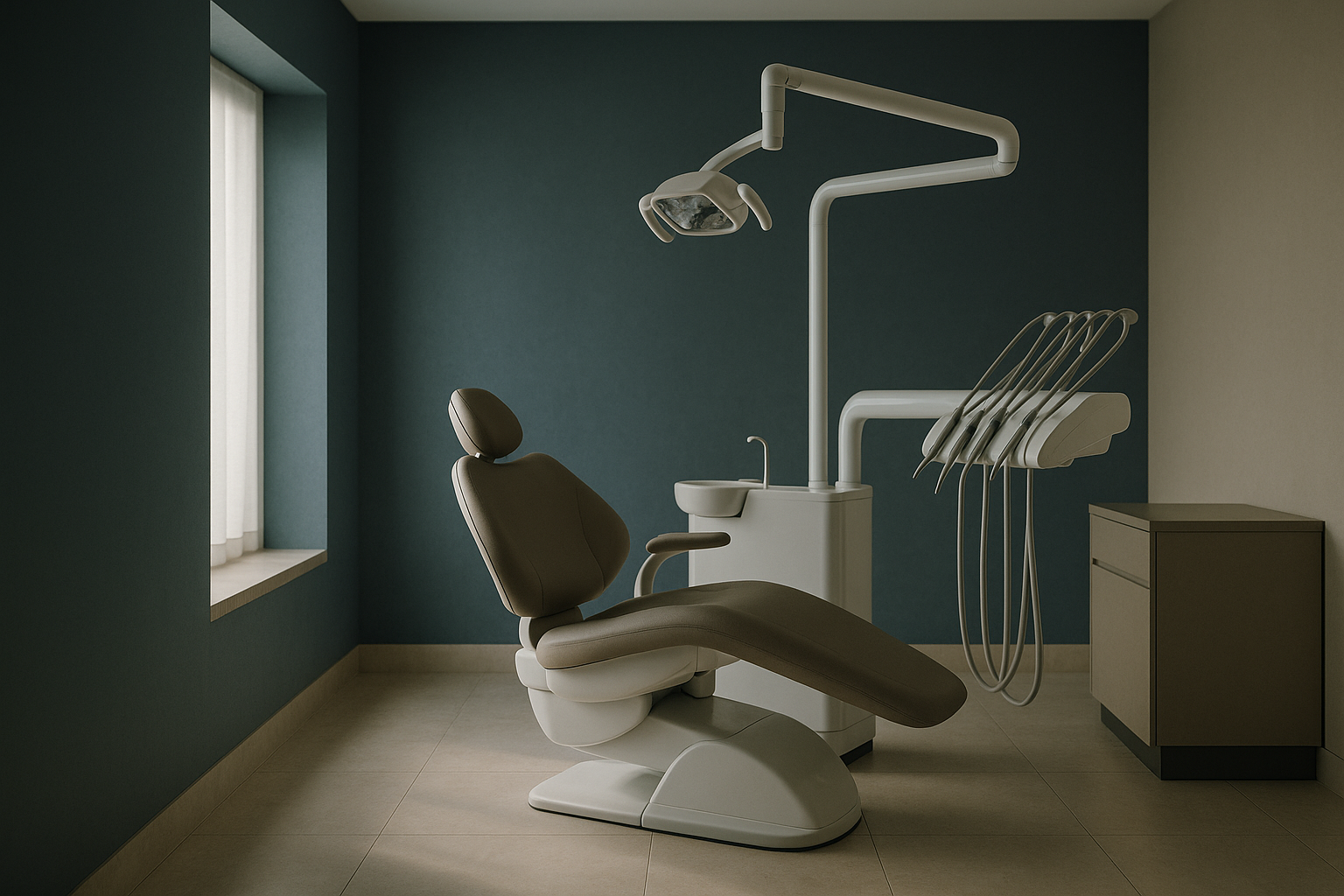
Considering dental implants in Mexico can be an appealing option due to potential cost savings and proximity for North American patients. However, understanding safety considerations is crucial for making an informed decision. This comprehensive guide provides insights into the safety, costs, and planning involved in undergoing dental procedures in Mexico.
Is It Safe to Get Dental Implants in Mexico?
Safety is a primary concern for anyone considering dental implants in Mexico. While many clinics offer high-quality care, it is essential to verify the credentials of both the clinic and the dentist. Look for clinics accredited by international bodies, ensuring they meet global standards of hygiene and care. In Mexico, many dentists receive training in the United States or Europe, which can further assure their expertise. An accreditation from organizations such as the Joint Commission International (JCI) can also be a strong indicator of a clinic’s commitment to maintaining international healthcare standards.
Moreover, patients should research online reviews and seek recommendations from past patients. A clinic’s reputation can be a strong indicator of the safety and quality of care provided. Additionally, speaking directly with the dentist about their experience and success rates with dental implants can offer further peace of mind. For instance, a dentist with a high success rate, often around 95% for implants, can be more reassuring. Furthermore, asking about the types of implants used, such as titanium or zirconia, and their compatibility with your needs is crucial in assessing safety.
It’s also important to consider the clinic’s approach to post-operative care. A clinic that provides comprehensive follow-up services, including check-ups and emergency contacts, can enhance overall safety. Patients should ensure that the clinic uses up-to-date technology and adheres to sterilization protocols to prevent infections. Ultimately, thorough research and direct communication with the clinic can significantly increase confidence in the safety of getting dental implants in Mexico.
What is the Cost of Dental Implants in Mexico?
The cost of dental implants in Mexico is significantly lower than in countries like the United States or Canada. On average, a single dental implant can cost between $700 and $1,200 USD in Mexico, compared to $3,000 to $5,000 in the US. This price difference makes Mexico an attractive destination for dental tourism. Despite these savings, it is essential to consider all underlying costs involved in the procedure, including consultation fees, X-rays, and additional surgeries such as bone grafting, which can add to the overall expense.
However, costs can vary depending on the complexity of the procedure, the materials used, and the clinic’s location. Urban areas with high competition may offer more competitive pricing, while rural clinics might charge less due to lower overhead costs. Patients should obtain detailed quotes from multiple clinics to compare prices and services offered. Some clinics might provide package deals that include accommodation and transportation, which can further reduce costs.
Moreover, it is beneficial to consider payment options available at different clinics. Some may offer financing plans or accept international insurance, which can ease the financial burden. Patients should also be aware of currency exchange rates, as fluctuations can affect the overall cost. By thoroughly assessing these factors, patients can make a more informed decision about the affordability of dental implants in Mexico.
How to Choose a Dental Clinic in Mexico?
Choosing the right dental clinic is crucial for ensuring a successful and safe procedure. Start by researching clinics online, focusing on those with positive reviews and high patient satisfaction. Look for clinics that have international accreditations, such as those from the Joint Commission International (JCI) or other reputable organizations. A clinic’s accreditation is a testament to its adherence to high standards of care and hygiene, which is paramount when considering dental implants.
It is also beneficial to contact clinics directly, asking about the dentists’ qualifications, the technology they use, and post-operative care. A reputable clinic should be transparent about their processes and willing to answer any questions you may have. Additionally, consider the language barrier and ensure there is staff fluent in your native language to facilitate communication. Some clinics employ bilingual staff or provide translation services to enhance the patient experience.
- Check for international accreditation
- Read online reviews and testimonials
- Contact the clinic for direct inquiries
- Ensure clear communication in your language
- Inquire about the dental technology and materials used
- Evaluate post-operative care services
Additionally, patients should inquire about the clinic’s emergency protocols and accessibility to follow-up care. This is particularly important for international patients who may face challenges in returning for additional treatment. Ensuring that the clinic offers remote consultations or has partnerships with local dentists in your home country can provide added peace of mind.
What Are the Risks Associated with Dental Implants in Mexico?
Like any medical procedure, dental implants carry certain risks. In Mexico, these risks are similar to those in other countries and include infection, implant failure, and damage to surrounding teeth or nerves. To mitigate these risks, choose a clinic that follows strict sterilization protocols and uses high-quality materials. Understanding the procedures and technology used by the clinic can also help in assessing potential risks.
Patients should also consider the risk of needing follow-up care. While initial costs are lower, any complications requiring further treatment could add to the overall expense. Discuss potential risks and complications with your dentist before proceeding with the procedure to understand what to expect. For instance, ask about the clinic’s policy on handling complications and whether additional costs are covered in the initial quote.
Moreover, consider the implications of traveling after surgery. Flights and long journeys can increase the risk of complications such as bleeding or implant movement, so it’s crucial to plan your travel carefully. Patients should allow adequate recovery time before returning home and ensure that they have access to medical support during their stay in Mexico. By understanding these risks and preparing for them, patients can make informed decisions about their dental care.
How Long Does the Dental Implant Process Take in Mexico?
The dental implant process in Mexico typically involves several visits over a few months. Initial consultations and preliminary work, such as extractions or bone grafts, are followed by the implant placement, which requires time for the jawbone to integrate with the implant. This process, known as osseointegration, is crucial for the long-term success of the implant and can take several months, depending on the patient’s bone health and healing ability.
On average, the entire process can take between 3 to 9 months from start to finish. This timeline can vary based on individual healing times and the complexity of the case. Patients should plan for multiple trips to Mexico or extended stays to accommodate these appointments. Some clinics offer accelerated procedures that may complete in a shorter timeframe, but these often come with increased risks and are not suitable for all patients.
Communication with the clinic about the expected timeline is essential to ensure proper planning and coordination. Patients should also consider the possibility of additional procedures, like temporary crowns, which may be required during the healing phase. By understanding the timeline and coordinating with the clinic, patients can manage their expectations and plan their visits accordingly.
What Should You Know About Travel and Accommodation?
Traveling to Mexico for dental treatment requires careful planning, especially regarding accommodation and transportation. Many clinics offer package deals that include hotel stays and airport transfers, which can simplify logistics for international patients. These packages often cater to the specific needs of medical tourists and ensure that patients have a seamless experience from arrival to departure.
Patients should also consider the location of the clinic in relation to their accommodation. Staying nearby can reduce stress and travel time between appointments. Additionally, ensure your passport is valid and consider purchasing travel insurance that covers medical procedures. Travel insurance can provide additional security in case of flight cancellations or other travel-related issues.
- Consider clinic package deals for convenience
- Stay near the clinic to reduce travel time
- Ensure passport validity and consider travel insurance
- Research transportation options and local amenities
Moreover, familiarize yourself with local customs and healthcare regulations to avoid any inconveniences. Understanding the local healthcare system can help in navigating any unforeseen circumstances during your stay. Lastly, consider the timing of your trip in relation to local holidays, as this may affect clinic availability and travel arrangements. Comprehensive travel planning can significantly enhance the overall experience of getting dental implants in Mexico.
Conclusion
Dental implants in Mexico can be a safe and cost-effective solution when due diligence is exercised. By thoroughly researching clinics, understanding the potential risks, and planning your trip carefully, you can enjoy the benefits of dental tourism in Mexico. Always consult with healthcare professionals to ensure the best outcomes for your dental health. Remember that preparation and informed decision-making are key to a successful dental implant procedure abroad.
Proven result
80 to 240 dental patients a month from France
High-volume dental clinic, Istanbul
Frequently asked questions
What is the cost of veneers in Mexico?
Veneers in Mexico typically cost between $250 and $550 USD per tooth, considerably less than in the United States.
How much does a nose job cost in Mexico?
In Mexico, a nose job or rhinoplasty can range from $3,000 to $5,000 USD, depending on the complexity of the procedure.
Is revision rhinoplasty more expensive?
Yes, revision rhinoplasty often costs more due to increased complexity, often ranging from $4,000 to $7,000 USD.
How can I ensure my dentist is qualified in Mexico?
Verify their credentials, look for international accreditations, and review patient testimonials to ensure quality and safety.
Are dental implants in Mexico covered by insurance?
Most international insurance policies do not cover dental work abroad, but financing options may be available through the clinic.
Related guides

What Is a Medical Travel Facilitator and Why Use One?
A lower treatment quote can look compelling until you try to compare what it actually includes: surgeon fees,…

What Hospital Accreditation Reviews Really Tell You
A hospital can have polished facilities, prominent surgeons, and hundreds of five-star ratings, yet those signals do not…

International Patient Onboarding Guide for Hospitals
An international patient inquiry is not simply a lead. It is a person weighing a major medical decision…