
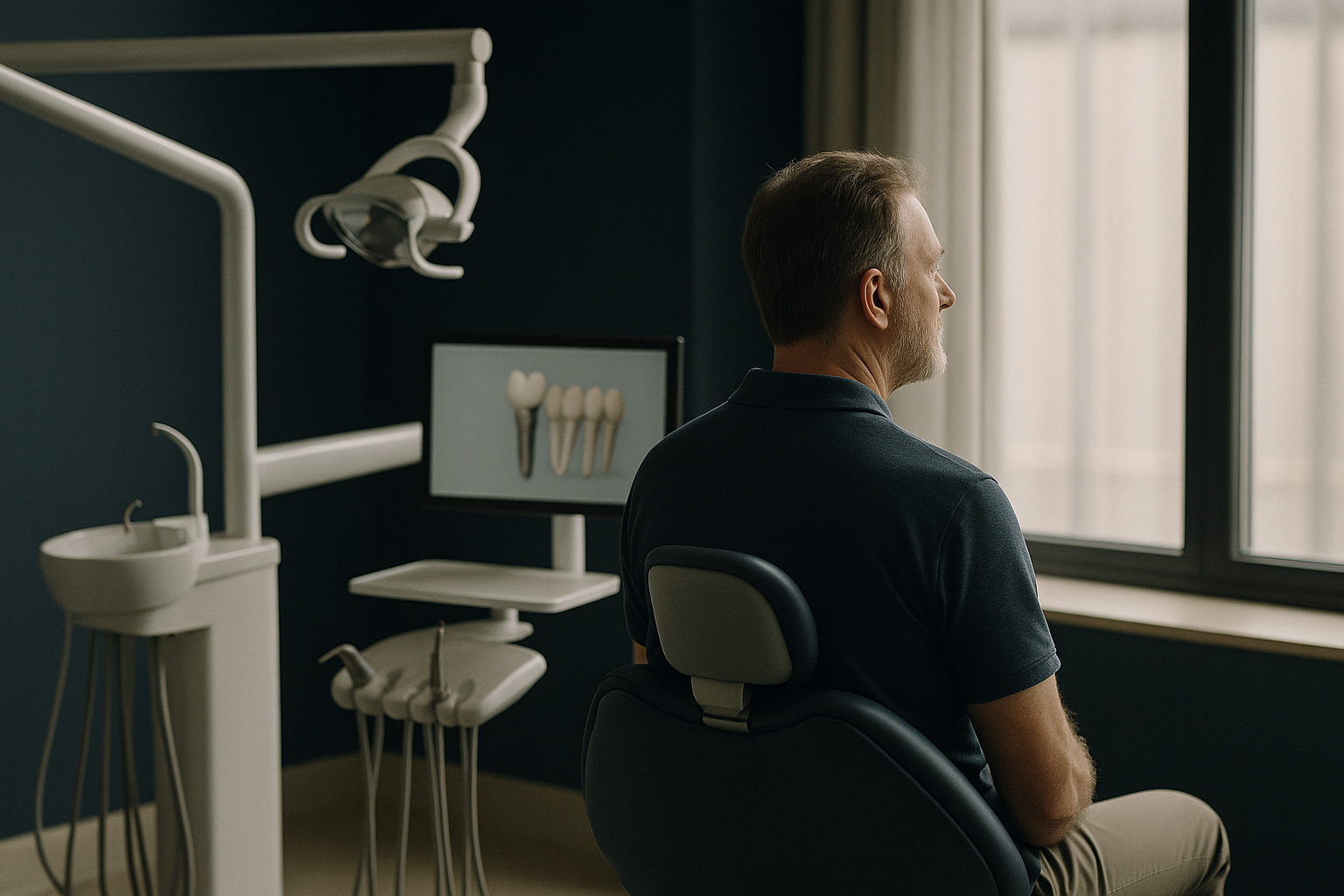
The average cost of dental implants is a crucial consideration for many prospective international patients. Understanding the factors affecting this cost can help you make informed decisions about your dental care abroad.
What is the Average Cost of Dental Implants?
The average cost of dental implants typically ranges between £1,200 and £3,500 per implant. This variation is due to several factors, including the location of the clinic, the dentist’s expertise, and the materials used in the implant. In some cases, additional procedures such as bone grafting or sinus lifts may be required, which can increase the overall cost by £500 to £2,000 per procedure. For instance, a straightforward implant procedure might cost around £1,200, but if a sinus lift is necessary, the total could rise to £3,200 or more.
In countries with lower living costs, dental procedures generally cost less. Conversely, countries with high living standards often charge more for the same procedures. For example, in the UK, the cost of living and high demand for qualified dentists can push prices towards the higher end of the spectrum. Meanwhile, in countries like Mexico or Thailand, the lower cost of living and competitive market can significantly reduce prices without compromising on quality. A dental implant in Thailand might cost as little as £1,000, while the same procedure in the UK could reach £3,500.
Additionally, the type of implant material, such as titanium or zirconia, can influence the price. Titanium is commonly used due to its durability and compatibility with the human body, while zirconia is preferred for its aesthetic qualities. Titanium implants are generally less expensive, while zirconia, being newer and more aesthetically pleasing, can cost about 20% more. It is essential to consider these factors when planning for dental treatment, as they can significantly affect the overall expense. For example, a titanium implant might cost £1,500, whereas a zirconia implant could be £1,800.
How Much Does the Average Dental Implant Cost Globally?
The global cost of dental implants varies significantly depending on the region. In North America and Western Europe, the average cost per implant may be higher due to the advanced healthcare infrastructure and higher living costs. For example, in the United States, the cost can range from £3,000 to £5,000 per implant due to high-quality standards and regulatory requirements. In Germany, renowned for its medical expertise, prices can similarly be high, ranging between £2,500 and £4,000. These countries often offer state-of-the-art facilities and top-notch expertise, which contribute to the higher costs.
In contrast, countries in Eastern Europe, Asia, and Latin America often offer more affordable options without compromising on quality. For instance, in Hungary, a well-known destination for dental tourism, prices range from £1,200 to £1,800. Similarly, in India, the cost is between £800 and £1,500, reflecting both the lower cost of living and the country’s investment in healthcare infrastructure. These regions have become popular for their balance of cost and quality, attracting patients from higher-cost countries.
For instance, in the United States, a single dental implant can cost upwards of £3,000, while in India or Hungary, the same procedure might be available for £1,200 to £1,500. This significant price difference is why many patients consider medical tourism for their dental needs. When evaluating the cost of dental implants, prospective patients should also factor in travel expenses, accommodation, and potential follow-up visits, which can add up to an additional £1,000 to £3,000, depending on the destination and length of stay. A trip to Hungary for dental implants might cost an additional £1,500 for travel and lodging, making it a viable option for cost-conscious patients.
What Factors Influence the Cost of Dental Implants?
Several factors influence the average cost of dental implants. These include the type of implant, the dentist’s experience, and the clinic’s location. A highly experienced dentist or clinic in a prestigious area may charge more due to their reputation and the quality of care they offer. For example, a specialist with 20 years of experience might charge 30% more than a newer practitioner. Patients should weigh the benefits of experience against cost to find the best value for their needs.
Additionally, pre-operative and post-operative care, such as consultations, X-rays, and follow-up visits, can add to the total cost. Comprehensive care packages that include these services can range from £500 to £1,500, depending on the complexity of the case and the number of consultations required. A comprehensive package can provide peace of mind and ensure all aspects of care are covered, but it is essential to understand what is included to avoid unexpected costs.
Implant materials such as titanium and zirconia differ in price. Titanium is widely used for its strength and biocompatibility, while zirconia is chosen for its natural appearance. The choice of material can significantly impact the cost, with zirconia implants often being 20% to 30% more expensive due to their aesthetic advantage. Patients should consider their personal preferences and budget when choosing the material, as both options offer excellent functionality.
The complexity of the procedure also affects the price. Simple cases may involve a straightforward implant placement, while complex cases may require bone grafts or sinus lifts, which can increase costs. Bone grafts can add £200 to £1,000 to the total cost, while sinus lifts might increase the expense by £500 to £2,000. Understanding these variables is crucial for accurate budgeting and planning. Patients should discuss potential complexities with their provider to ensure a clear understanding of potential costs.
What is the Average Cost of Veneers Compared to Implants?
Veneers and dental implants serve different purposes and have different costs. Veneers are thin shells placed over the front surface of teeth to improve appearance, while implants replace missing teeth entirely. The average cost of veneers ranges from £400 to £1,300 per tooth, depending on factors such as material and location. Composite veneers tend to be less expensive, costing between £250 and £500, but they may not last as long as porcelain veneers, which are priced higher due to their durability and natural appearance. Patients should consider longevity and initial cost when choosing veneer materials.
Porcelain veneers tend to be more expensive but offer a more natural look and durability compared to composite veneers. They can last 10 to 15 years, making them a worthwhile investment for those seeking long-term solutions. On the other hand, composite veneers typically last 5 to 7 years and may require more frequent replacements or repairs. The choice between porcelain and composite should consider both immediate and long-term costs.
In contrast, dental implants are typically more costly due to the surgical nature of the procedure and the materials involved. While veneers enhance the appearance of existing teeth, implants provide a complete tooth replacement solution, which involves more complex procedures and a higher quality of materials. The surgical aspect of implants also necessitates additional pre-and post-operative care, contributing to the higher costs.
However, both treatments can enhance dental aesthetics and function, making them popular choices for patients seeking dental improvements. Patients should consider their specific dental needs and budget when choosing between veneers and implants, as the long-term costs and benefits can vary significantly depending on the chosen treatment. A thorough consultation with a dental professional can help determine the most suitable option based on individual needs.
How Does the Cost of Rhinoplasty Compare to Dental Implants?
Rhinoplasty, commonly known as a nose job, is another popular procedure among medical tourists. The average rhinoplasty cost ranges from £3,000 to £6,000, depending on factors such as the surgeon’s expertise and the complexity of the surgery. In countries like the United States or the UK, the cost can be on the higher end due to the high demand for experienced surgeons and advanced surgical facilities. Patients should consider the surgeon’s reputation and expertise as critical factors in their decision-making process.
When comparing the cost of rhinoplasty to dental implants, it’s important to note that rhinoplasty is generally more expensive due to the intricacy of the procedure and the need for specialized surgical skills. A simple rhinoplasty might cost around £3,000, while more complex surgeries involving significant reshaping or reconstruction can exceed £6,000. The choice of procedure should take into account not only the cost but also the desired outcome and potential risks.
Patients should consider both the financial and physical aspects of the procedures when planning their medical tourism journey, as both require careful consideration and planning. While dental implants involve post-surgical follow-up and potentially multiple visits, rhinoplasty requires a significant recovery period, during which patients must follow strict care guidelines. Proper planning and understanding of the recovery process are essential for successful outcomes in both cases.
Ultimately, the decision will depend on individual needs, desired outcomes, and financial considerations. For those considering both procedures as part of a medical tourism package, it is essential to research and select providers with proven expertise and a track record of successful outcomes. Comprehensive planning and consultation with healthcare professionals can help ensure the best possible results.
What Should International Patients Consider for Dental Implants?
International patients seeking dental implants should consider several factors to ensure a successful and cost-effective treatment. Researching potential destinations and clinics is crucial, as this will help identify reputable providers with proven track records. Websites, reviews, and patient testimonials can provide valuable insights into the quality of care and outcomes achieved by different clinics. Online resources such as forums and patient advocacy groups can also offer support and guidance.
Accreditation by international healthcare organizations, such as the Joint Commission International (JCI), can offer reassurance of quality standards. Accreditation ensures that the clinic adheres to rigorous healthcare practices and maintains high standards of patient care. Patients should also inquire about the qualifications and experience of the dental professionals involved in their care, as experienced practitioners are more likely to provide successful outcomes. Verifying credentials and asking for patient references can further ensure the clinic’s reliability.
Additionally, understanding the full scope of costs, including travel, accommodation, and aftercare, is essential for effective budgeting and planning. Travel expenses can vary widely depending on the distance and mode of travel, while accommodation costs can add up quickly, especially in popular tourist destinations. Aftercare services, including follow-up visits and potential adjustments, should also be factored into the overall budget. Creating a detailed budget plan can help manage expectations and avoid financial surprises.
By thoroughly researching and planning these aspects, international patients can ensure a smooth and successful dental implant experience. It is also advisable to have a contingency plan in place for unexpected expenses or complications, ensuring peace of mind throughout the treatment journey. This might include setting aside an emergency fund or securing travel insurance that covers medical procedures.
Conclusion
The average cost of dental implants varies due to multiple factors, including geographic location, materials, and procedural complexity. By understanding these variables, international patients can better navigate the landscape of medical tourism and make informed decisions about their dental treatment abroad. It is crucial to balance cost considerations with the quality of care to achieve the best possible outcomes for dental health and overall well-being. Careful planning and research can lead to a successful and satisfying dental treatment experience.
Proven result
80 to 240 dental patients a month from France
High-volume dental clinic, Istanbul
Frequently asked questions
What is the average cost of a dental implant in the UK?
In the UK, the average cost of a single dental implant ranges from £2,000 to £3,000, depending on the clinic and material used.
Why do dental implant costs vary so much?
Costs vary due to factors like location, dentist’s expertise, implant material, and the complexity of the procedure.
Are dental implants cheaper abroad?
Yes, dental implants can be cheaper abroad, especially in countries with lower living costs, offering significant savings.
How long does a dental implant procedure take?
The dental implant process typically takes several months, including consultation, surgery, healing, and crown placement.
Is it safe to get dental implants overseas?
Yes, provided you choose accredited clinics and experienced professionals, ensuring high-quality care and safety standards.
What are the alternatives to dental implants?
Alternatives include bridges and dentures, which may be less expensive but offer different aesthetic and functional benefits.
Related guides

What Is a Medical Travel Facilitator and Why Use One?
A lower treatment quote can look compelling until you try to compare what it actually includes: surgeon fees,…

What Hospital Accreditation Reviews Really Tell You
A hospital can have polished facilities, prominent surgeons, and hundreds of five-star ratings, yet those signals do not…

International Patient Onboarding Guide for Hospitals
An international patient inquiry is not simply a lead. It is a person weighing a major medical decision…