
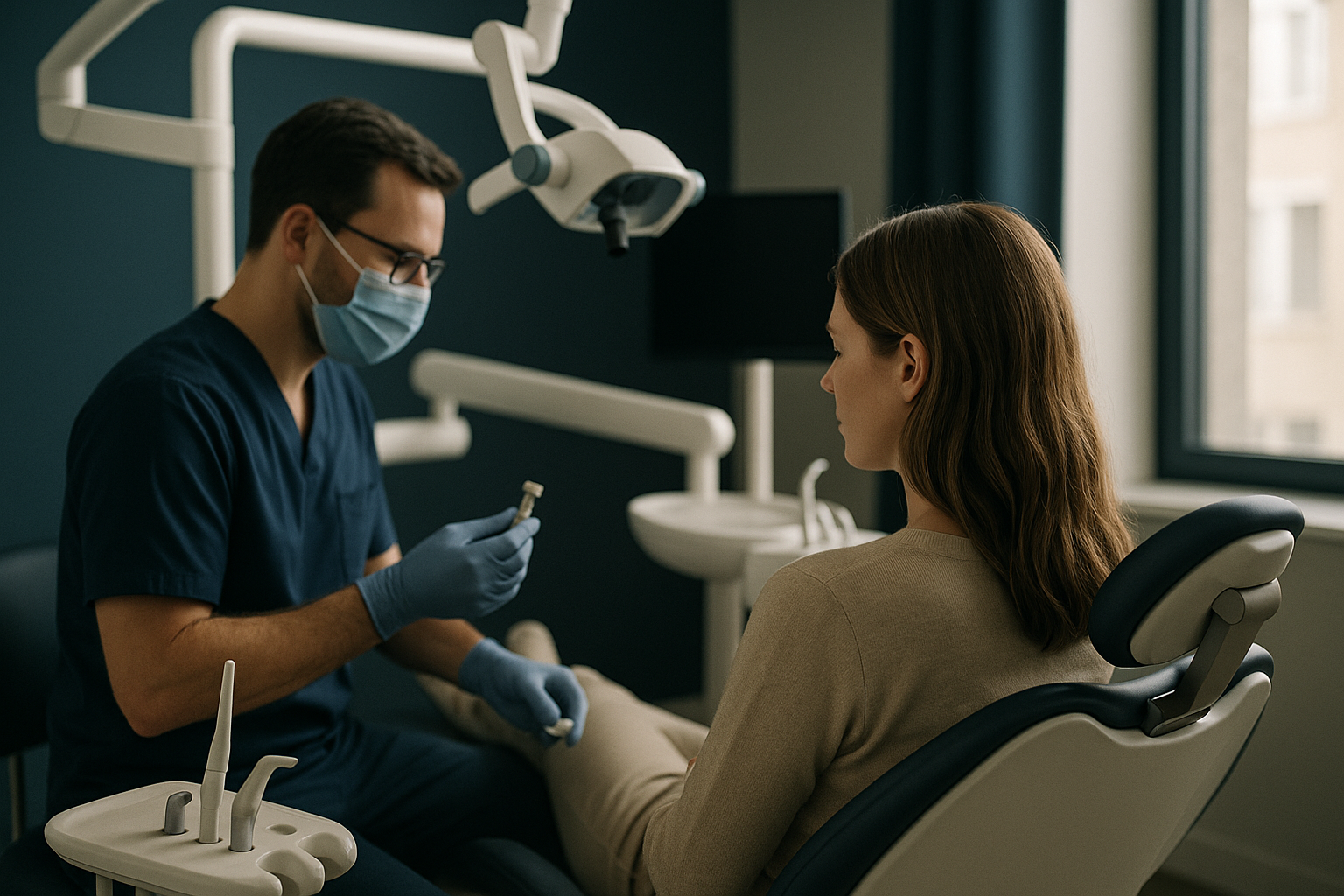
Dental implants are a popular solution for those seeking to replace missing teeth with a natural look and function. Understanding the types of dental implants cost is essential for prospective international patients considering treatment abroad. This article provides a comprehensive analysis of costs associated with different dental implant types, offering a global perspective to aid in informed decision-making.
What Are the Different Types of Dental Implants?
Dental implants come in various types, each with unique characteristics and costs. The most common types include endosteal and subperiosteal implants. Endosteal implants are inserted directly into the jawbone, serving as a sturdy base for artificial teeth. These are typically made of titanium and shaped like small screws. The choice of endosteal implants is often ideal for patients with adequate bone density since they require sufficient bone mass for stability and long-term success. The cost of endosteal implants can vary based on the complexity of the case and the materials used but generally ranges from £1,200 to £2,500 per implant. Patients should consider the material’s biocompatibility, as titanium is known for its ability to integrate with bone tissue effectively, reducing the risk of rejection or complications.
Subperiosteal implants, on the other hand, are positioned on top of the jawbone but underneath the gum tissue. These are often used for patients who do not have enough healthy bone and cannot undergo bone augmentation procedures. Subperiosteal implants are less invasive, which might make them a suitable option for patients looking to avoid extensive surgery. However, they tend to be less stable than endosteal implants, which can influence the longevity and overall cost, ranging from £1,500 to £3,000 per implant. The stability of subperiosteal implants can be enhanced through careful surgical planning and the use of advanced imaging techniques, ensuring precise placement and minimizing potential issues.
Additionally, zygomatic implants are an option for patients with severe bone loss in the upper jaw. These implants are longer and anchored into the zygomatic bone, or cheekbone, providing support where traditional implants cannot. Zygomatic implants are typically more expensive due to their complexity and the specialized surgical skills required, often costing between £2,500 and £4,000 each. The procedure for placing zygomatic implants is more involved, often necessitating a team of skilled surgeons and advanced technology to ensure successful outcomes. Understanding these types helps patients make informed decisions about their treatment options, considering both their anatomical needs and financial constraints.
How Much Do Single Dental Implants Cost?
The cost of a single dental implant can vary significantly depending on several factors. On average, a single implant ranges from £1,000 to £3,000, including the implant, abutment, and crown. However, prices can be higher in regions with elevated living costs or for procedures performed by highly experienced specialists. For instance, in metropolitan areas like London or New York, the cost might easily reach or exceed the upper range due to the demand for skilled practitioners and the higher cost of living. Patients should weigh the benefits of local expertise against potential savings available in other locations.
Geographical location plays a crucial role in determining costs. For instance, dental implant procedures in countries like the United States and the United Kingdom may be more expensive compared to those in countries renowned for medical tourism, such as Thailand or Mexico. In Thailand, for example, the cost for a single implant might be as low as £800, offering significant savings even after considering travel expenses. Patients should consider travel expenses, accommodation, and post-operative care when planning their treatment abroad, as these can add £1,000 to £3,000 to the overall cost. However, the quality of care and follow-up services in the chosen country should be thoroughly researched to ensure the best outcomes.
Additional costs may arise from pre-surgical assessments, imaging, and potential bone grafting. A comprehensive consultation with a dental specialist is essential to obtain an accurate estimate tailored to individual needs. Imaging techniques such as X-rays and CT scans ensure precise planning and placement, potentially adding £200 to £500 to the total cost. Patients should also factor in the possibility of bone grafting, which may be necessary for optimal implant success, costing between £200 and £2,000 depending on the procedure’s complexity. Careful assessment and planning can help mitigate unforeseen expenses and improve the chances of a successful implant.
What Influences the Cost of Full Mouth Dental Implants?
Full mouth dental implants, also known as full arch implants, involve replacing all teeth in a dental arch. The cost for this extensive procedure can range from £7,000 to £30,000 or more, depending on materials, technology, and location. These procedures often use advanced techniques, such as All-on-4 or All-on-6 implants, which can impact pricing. The All-on-4 method, for instance, typically involves placing four implants in strategic locations to support a full arch of prosthetic teeth, which can lower costs compared to individual implants for each tooth. This method not only reduces the number of implants required but also minimizes surgery time and recovery period.
Factors influencing costs include the number of implants required, the complexity of surgery, and the choice of materials. High-quality materials like zirconia may increase costs but offer superior aesthetics and durability. Zirconia is known for its strength and natural appearance, making it a popular choice for patients seeking a long-lasting and realistic solution. However, the use of zirconia can add £1,000 to £2,000 to the total cost of the procedure. Patients should consider the long-term benefits of investing in high-quality materials, as these can significantly impact the durability and appearance of the implants.
Technological advancements, such as computer-guided surgery, can also affect pricing but may enhance precision and outcomes. This technology allows for highly accurate implant placement, reducing the risk of complications and improving the implant’s longevity. The additional cost of computer-guided surgery may range from £500 to £1,500. Patients should evaluate the long-term benefits and potential savings from reduced maintenance compared to traditional dentures, considering both the financial and lifestyle impacts of their decision. Full mouth implants can significantly improve quality of life by providing superior comfort, stability, and functionality compared to removable dentures.
What Are the Additional Costs Associated with Dental Implants?
Beyond the implant itself, several additional costs may arise during the dental implant process. Pre-surgical assessments, including X-rays and CT scans, are vital for planning and can cost £100 to £500. These imaging techniques ensure accurate placement and long-term success of the implant. The clarity and detail provided by these scans can help dentists identify the best placement angle and position, minimizing the risk of implant failure. Investing in detailed pre-surgical assessments is crucial for identifying potential complications and ensuring the highest chance of success.
If bone augmentation is needed, the cost can increase significantly. Bone grafting ranges from £200 to £2,000, depending on the procedure’s complexity. This might involve harvesting bone from another part of the patient’s body or using synthetic or donated bone material. Sinus lifts, often necessary for upper jaw implants, can add another £1,000 to £2,000 to the total cost. This procedure elevates the sinus membrane and adds bone to the upper jaw, creating a solid foundation for the implants. Patients should discuss these potential procedures with their dentist to understand the full scope of their treatment plan and associated costs.
- Consultation Fees: Initial consultations may range from £50 to £200, providing an opportunity to discuss treatment options and tailor a plan to the patient’s needs. These meetings are essential for setting realistic expectations and clarifying all aspects of the procedure.
- Post-Surgery Care: Follow-up appointments and maintenance are crucial for implant success, potentially adding £100 to £500 annually. Regular check-ups ensure the implant is integrating well and that no complications are developing. Patients should plan for these recurring costs to maintain the health and longevity of their implants.
- Anesthesia Fees: Depending on the type of anesthesia used, costs can range from £200 to £1,000. Local anesthesia is typically less expensive than general anesthesia, which requires an anesthesiologist’s presence. The choice of anesthesia will depend on patient preference, procedure complexity, and the surgeon’s recommendation.
- Temporary Restoration: While waiting for the final crown, patients might need a temporary prosthetic, costing £100 to £500. This temporary solution allows patients to maintain functionality and aesthetics during the healing process. Understanding these potential expenses helps patients plan their budget effectively and avoid unexpected financial burdens. By anticipating these costs, patients can ensure they have sufficient resources for a successful and stress-free dental implant journey.
How Long Does the Dental Implant Process Take?
The dental implant process is multi-staged, typically taking several months to complete. After the initial consultation and assessments, surgical placement of the implant is the first step. This procedure usually requires local anaesthesia and takes about one to two hours per implant. The surgery involves making an incision in the gum to expose the bone, drilling a hole to place the implant, and then stitching the gum back over the implant. Patients should prepare for some discomfort and swelling following surgery, which can be managed with prescribed pain relief and anti-inflammatory medication.
Following surgery, a healing period of three to six months is necessary for osseointegration — the process where the implant fuses with the jawbone. This period is critical for ensuring the stability and longevity of the implant. During this time, patients may be advised to maintain a soft diet and avoid putting too much pressure on the healing area. The successful integration of the implant into the bone is crucial, as it forms the foundation for the abutment and crown. Regular check-ups will be necessary to monitor the healing process and address any issues that may arise.
Once healed, the abutment is placed, followed by the final crown. The abutment acts as a connector, securing the crown to the implant. In some cases, the abutment can be placed during the initial surgery, potentially shortening the treatment time. The entire process, from initial consultation to final restoration, can take six months to a year. Planning treatment abroad requires considering travel schedules and potential follow-up visits. Patients should ensure they have access to local dental care for any immediate concerns during the healing phase. This long-term commitment is a key consideration when planning for dental implants.
Are Dental Implants Safe and Accredited?
Dental implants are considered a safe and effective treatment with high success rates. Accreditation and regulation of dental clinics and practitioners are essential for ensuring patient safety. Prospective patients should seek clinics accredited by reputable organisations and staffed by qualified dental professionals. Clinics that adhere to strict guidelines and standards are more likely to provide high-quality care and successful outcomes. These certifications demonstrate a commitment to maintaining the highest levels of clinical excellence and patient care.
Accreditations from bodies such as the Joint Commission International (JCI), or the International Organization for Standardization (ISO), indicate adherence to high standards of care and safety. These organizations evaluate clinics on various factors, including staff qualifications, hygiene practices, and patient care protocols. Patients should verify the credentials and experience of the dental team, as well as the clinic’s track record with implant procedures. A team with extensive experience in implantology is more likely to achieve successful outcomes and handle any complications effectively. Researching patient reviews and testimonials can provide additional insights into the quality of care and outcomes at potential treatment facilities.
Online forums and review platforms can offer valuable first-hand accounts of other patients’ experiences, helping prospective patients make informed decisions about where to receive treatment. Ensuring that the chosen clinic has a history of successful implant procedures can give patients peace of mind and confidence in their choice. Patients are advised to contact previous clients if possible, or consult independent review sites for unbiased feedback. A well-chosen clinic not only ensures a higher likelihood of a successful procedure but also provides ongoing support for post-operative care and maintenance.
Conclusion: Making an Informed Decision
Understanding the types of dental implants cost is crucial for international patients considering treatment abroad. By evaluating the different types, associated costs, and influencing factors, patients can make informed decisions tailored to their needs and budget. Thorough research and consultation with experienced dental professionals can guide patients towards the most suitable implant option, ensuring both functional and aesthetic success.
Comprehensive research into clinics, procedures, and potential additional expenses ensures a smooth treatment journey. By preparing for all aspects of the implant process, including travel and post-operative care, patients can minimize complications and maximize their investment. With proper planning and consideration, dental implants can provide a long-lasting solution for a healthier and more confident smile. Patients are encouraged to weigh the immediate costs against the long-term benefits of improved function and appearance, ultimately enhancing their quality of life.
Proven result
80 to 240 dental patients a month from France
High-volume dental clinic, Istanbul
Frequently asked questions
What factors affect the cost of dental implants?
The cost is influenced by implant type, location, surgeon’s expertise, and additional procedures like bone grafting.
How long do dental implants last?
With proper care, dental implants can last 20 years or more, offering a durable solution for missing teeth.
Are dental implants covered by insurance?
Coverage varies by insurance provider and policy; it’s essential to check with your insurer about specific coverage details.
What is the recovery time for dental implants?
Recovery typically takes three to six months, allowing for osseointegration before the final crown is placed.
Do dental implants look and feel natural?
Yes, dental implants are designed to mimic natural teeth in appearance and function, offering a seamless look.
Related guides

What Is a Medical Travel Facilitator and Why Use One?
A lower treatment quote can look compelling until you try to compare what it actually includes: surgeon fees,…

What Hospital Accreditation Reviews Really Tell You
A hospital can have polished facilities, prominent surgeons, and hundreds of five-star ratings, yet those signals do not…

International Patient Onboarding Guide for Hospitals
An international patient inquiry is not simply a lead. It is a person weighing a major medical decision…