
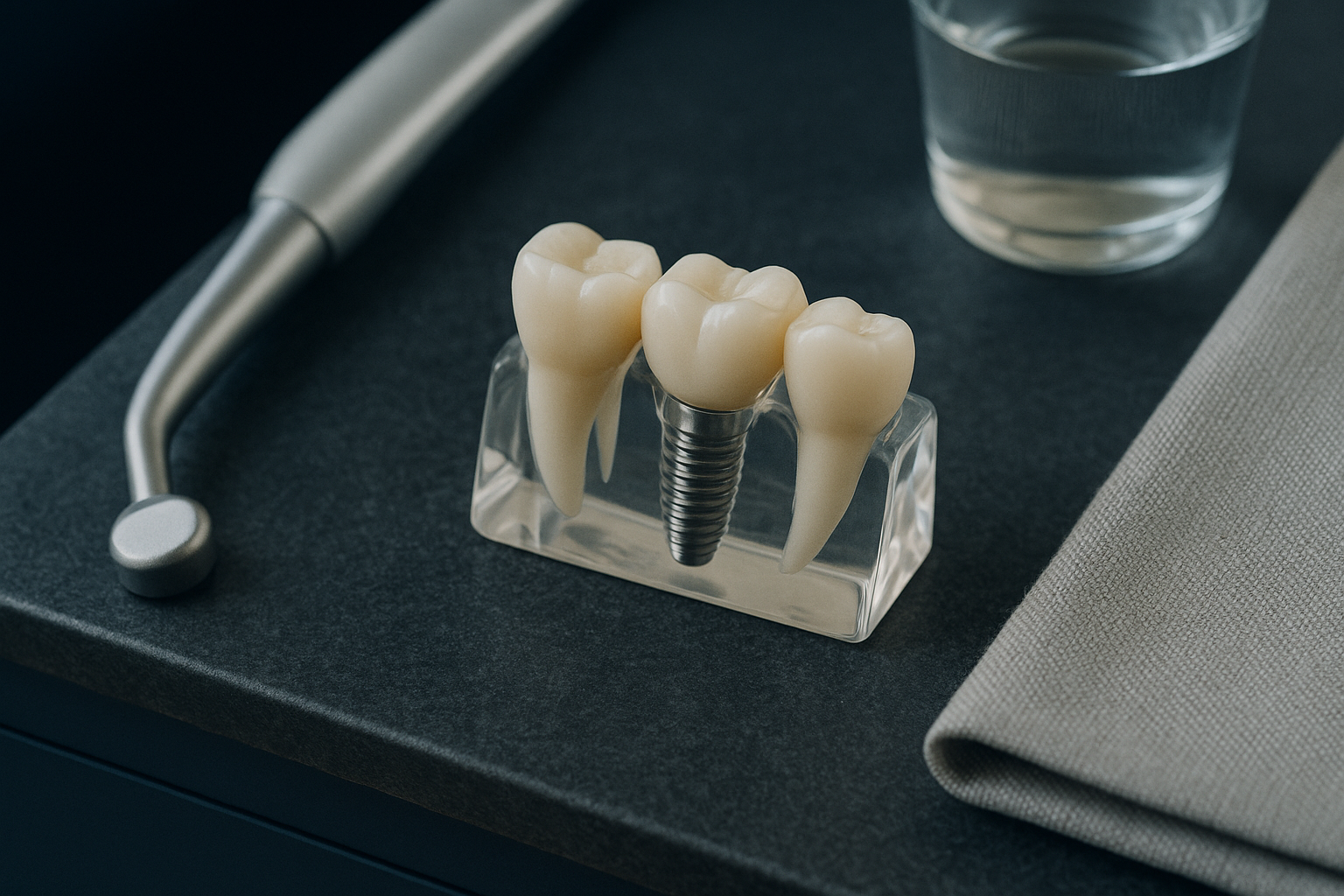
If you are considering dental implants, understanding the costs involved is crucial. Dental implants are a popular solution for replacing missing teeth, but they can be a significant investment. This article explores how much is a dental implant typically costs and factors influencing these prices.
What Factors Influence the Cost of a Dental Implant?
The cost of a dental implant can vary significantly depending on several factors, each playing a critical role in determining the final price. Firstly, the geographical location of the clinic is a major determinant. In urban centers, where the cost of living is higher, dental clinics often face increased overheads. For instance, in cities like London or New York, the high demand for dental services and the elevated cost of real estate and salaries contribute to higher prices for dental implants. Conversely, clinics situated in rural areas or smaller towns may offer more competitive pricing due to lower operating costs, making them an attractive option for patients willing to travel.
Secondly, the complexity of the dental procedure affects pricing. Simple cases with adequate bone structure for implant placement may incur only the base cost of the implant itself. However, more complex situations requiring additional interventions, such as bone grafts or sinus lifts, significantly increase the total cost. Bone grafts can add between £250 to £1,000 to the expense, depending on the complexity and extent of the grafting needed. Sinus lifts, which are necessary in cases where the upper jaw’s bone density is insufficient, might incur additional costs ranging from £1,000 to £2,500.
Another influential factor is the choice of materials used for the implant. High-quality materials, such as zirconia or titanium, are favored for their durability and aesthetic appeal but come at a premium. The implant’s brand and system, known for their success rates and integration properties, also affect costs. Furthermore, the experience and reputation of the dental surgeon can influence the pricing structure. Highly experienced professionals, known for their successful track records, often charge a premium, sometimes adding up to 20% more to the total cost. As such, patients are encouraged to weigh these factors carefully to ensure they receive quality care that justifies the investment.
How Much Does a Dental Implant Typically Cost?
On average, a single dental implant costs between £1,500 and £3,000 in the UK. This price usually encompasses the implant, abutment, and crown. However, the cost can escalate if additional procedures like bone grafts or sinus lifts are necessary. In the United States, the cost ranges from $3,000 to $5,000 per tooth. These figures are not set in stone and can fluctuate based on various case specifics, including the patient’s oral health condition and the choice of implant material.
For individuals wondering how much is a dental implant, consulting with a dental provider is essential to obtain a precise estimate tailored to their needs. A comprehensive evaluation, often involving X-rays or CT scans, helps assess bone density and structure, influencing the overall treatment plan and cost. Some clinics provide financing options to alleviate the financial burden, allowing patients to manage costs over time, thus making the procedure more accessible even for those who might find the upfront cost prohibitive.
When considering the cost of dental implants, it’s important to evaluate the long-term benefits they offer compared to alternatives like dentures or bridges. Although the initial expense might be higher, dental implants are a durable and permanent solution, often requiring less maintenance in the long run. This longevity can translate into significant savings over time, making implants a cost-effective choice. Patients should thoroughly discuss all available options and payment plans with their dental providers to make an informed decision that aligns with their financial situation and oral health objectives.
Comparing Dental Implant Costs Globally
For those exploring how much is a dental implant, understanding the global cost variations is essential. Countries like Turkey and Hungary are known for offering dental implants at a fraction of the cost found in the UK or the United States, with prices ranging from €800 to €1,500 per implant. This affordability has positioned these countries as popular destinations for dental tourism, attracting patients from regions where healthcare costs are considerably higher.
However, when considering international treatment, it is crucial to account for additional expenses such as travel and accommodation, which can quickly accumulate, potentially offsetting the procedural savings. A trip to Turkey for dental treatment may necessitate a stay of one to two weeks, with travel and accommodation expenses ranging from £500 to £1,500, depending on the season and the length of the stay.
Moreover, the standard of care and accreditation of the clinics should be thoroughly researched to ensure safety and quality. Patients should verify the qualifications and experience of the dental surgeons, as well as the hygiene standards of the facilities. Reading reviews and testimonials from previous patients can provide valuable insights into the clinic’s reputation and reliability. By carefully evaluating these factors, patients can make an informed decision about whether dental tourism is a viable and cost-effective option, ensuring they receive quality care without compromising safety.
| Country | Cost Range (per implant) |
|---|---|
| UK | £1,500 – £3,000 |
| USA | $3,000 – $5,000 |
| Turkey | €800 – €1,500 |
| Hungary | €900 – €1,600 |
Why Do Dental Implant Costs Vary?
Dental implant costs vary for several reasons, with one of the primary factors being the type of implant system used. Some systems are more advanced, incorporating features like specialized coatings or designs that promote faster integration with the bone, which can enhance the overall success rate of the implant. These advanced systems often come with a higher price tag due to their enhanced features and efficacy.
The number of implants required also directly impacts the total cost. While a single implant is generally less expensive, multiple implants may be necessary in cases of extensive tooth loss, significantly increasing the overall financial commitment. Additionally, preparatory procedures such as bone grafting or sinus lifts can add to the cost. Bone grafts might be necessary if there is insufficient bone density to support the implant, potentially adding several hundred to thousands of dollars to the bill.
Furthermore, individual patient needs and dental conditions can lead to variations in treatment plans and costs. Conditions such as periodontal disease must be addressed before implant placement, which can extend the treatment timeline and increase expenses. Consequently, it is advisable to obtain multiple quotes and treatment plans from various clinics before making a decision. In doing so, patients can compare costs, approaches, and the expertise of providers to find the best fit for their needs and budget, ensuring a successful outcome that aligns with their expectations.
How Do Dental Implants Compare with Other Cosmetic Procedures?
When compared to other cosmetic dental procedures, dental implants are often more expensive but offer a permanent solution for tooth replacement. For example, teeth veneers, used primarily to improve the appearance of teeth, can cost between £500 and £1,000 per tooth. While veneers provide aesthetic benefits, they do not offer the functional restoration that dental implants do, making them less suitable for replacing missing teeth.
Other cosmetic procedures, such as rhinoplasty or hair transplants, also come with varying costs. In the USA, a hair transplant can range from $4,000 to $15,000, while rhinoplasty might cost between £3,000 and £6,000, depending on the complexity of the surgery. Similar to dental implants, these procedures are generally considered elective and are often not covered by insurance, requiring patients to weigh the benefits against the financial investment.
Dental implants stand out for their ability to restore both function and aesthetics, offering a solution that can last for decades with proper care. This long-term value makes them a more cost-effective choice over time compared to other cosmetic procedures that may require frequent maintenance or replacement. Patients should carefully consider their personal goals and budget when deciding between implants and alternative treatments to ensure they achieve the desired outcome, balancing costs with the benefits and longevity of the procedure.
Are There Financing Options for Dental Implants?
Many dental clinics understand the financial burden that dental implants can impose and offer financing options to make them more manageable. These plans often come in the form of monthly payment schemes, which may include low or no interest, depending on the provider. Financing options can significantly ease the financial stress, enabling patients to receive the necessary dental care without the immediate pressure of paying the full amount upfront.
When considering financing, it’s crucial to read the terms and conditions of any plan carefully. Understanding the total repayment amount and any applicable fees is essential, as some plans may include hidden costs or penalties for early repayment. Discussing these options with your dental provider can help ensure you make an informed decision that aligns with your financial situation, allowing you to access dental implants without undue financial strain.
Additionally, some dental insurance plans may cover a portion of the implant cost, although coverage can vary widely between policies. Patients should thoroughly review their insurance coverage to determine what expenses will be covered and consider supplementary insurance if their current plan is insufficient. By exploring all available financing and insurance options, patients can better manage the costs associated with dental implants, making this valuable procedure more accessible and financially feasible.
Conclusion: Making an Informed Decision
Dental implants represent a significant investment in your oral health and overall quality of life. Understanding the costs and the factors influencing these expenses is essential in making an informed decision. Whether you choose to undergo treatment locally or explore dental tourism, selecting a reputable provider with a proven track record of successful outcomes is paramount.
Consulting with multiple dental professionals and investigating various financing options can facilitate a smoother and more affordable treatment process. Gathering detailed estimates and comparing treatment plans allows patients to ensure they receive the best care for their investment. It is also beneficial to read reviews and seek recommendations from trusted sources to assess the reliability and quality of potential providers.
Ultimately, the right choice will depend on your personal needs, budget, and long-term oral health goals. Dental implants offer a durable and effective solution for tooth replacement, but the decision to undergo this procedure should be approached with careful consideration and thorough research. By taking the time to understand all aspects of the process, patients can achieve a successful and satisfying outcome that enhances their oral health and overall well-being.
Proven result
80 to 240 dental patients a month from France
High-volume dental clinic, Istanbul
Frequently asked questions
How much does a hair transplant cost?
Hair transplant costs vary widely, typically ranging from $4,000 to $15,000, depending on the location and complexity of the procedure.
How much does a hair transplant cost in the USA?
In the USA, a hair transplant generally costs between $4,000 and $15,000, influenced by factors like the surgeon’s experience and the technique used.
How much do teeth veneers cost?
Teeth veneers usually cost between £500 and £1,000 per tooth, depending on the material and complexity of the procedure.
How much will rhinoplasty cost?
Rhinoplasty can cost between £3,000 and £6,000, varying based on the surgeon’s experience, the complexity of the surgery, and geographic location.
How much does a dental implant cost in Turkey?
In Turkey, dental implants typically cost between €800 and €1,500 per tooth, offering a more affordable option for many patients.
Related guides

What Is a Medical Travel Facilitator and Why Use One?
A lower treatment quote can look compelling until you try to compare what it actually includes: surgeon fees,…

What Hospital Accreditation Reviews Really Tell You
A hospital can have polished facilities, prominent surgeons, and hundreds of five-star ratings, yet those signals do not…

International Patient Onboarding Guide for Hospitals
An international patient inquiry is not simply a lead. It is a person weighing a major medical decision…