
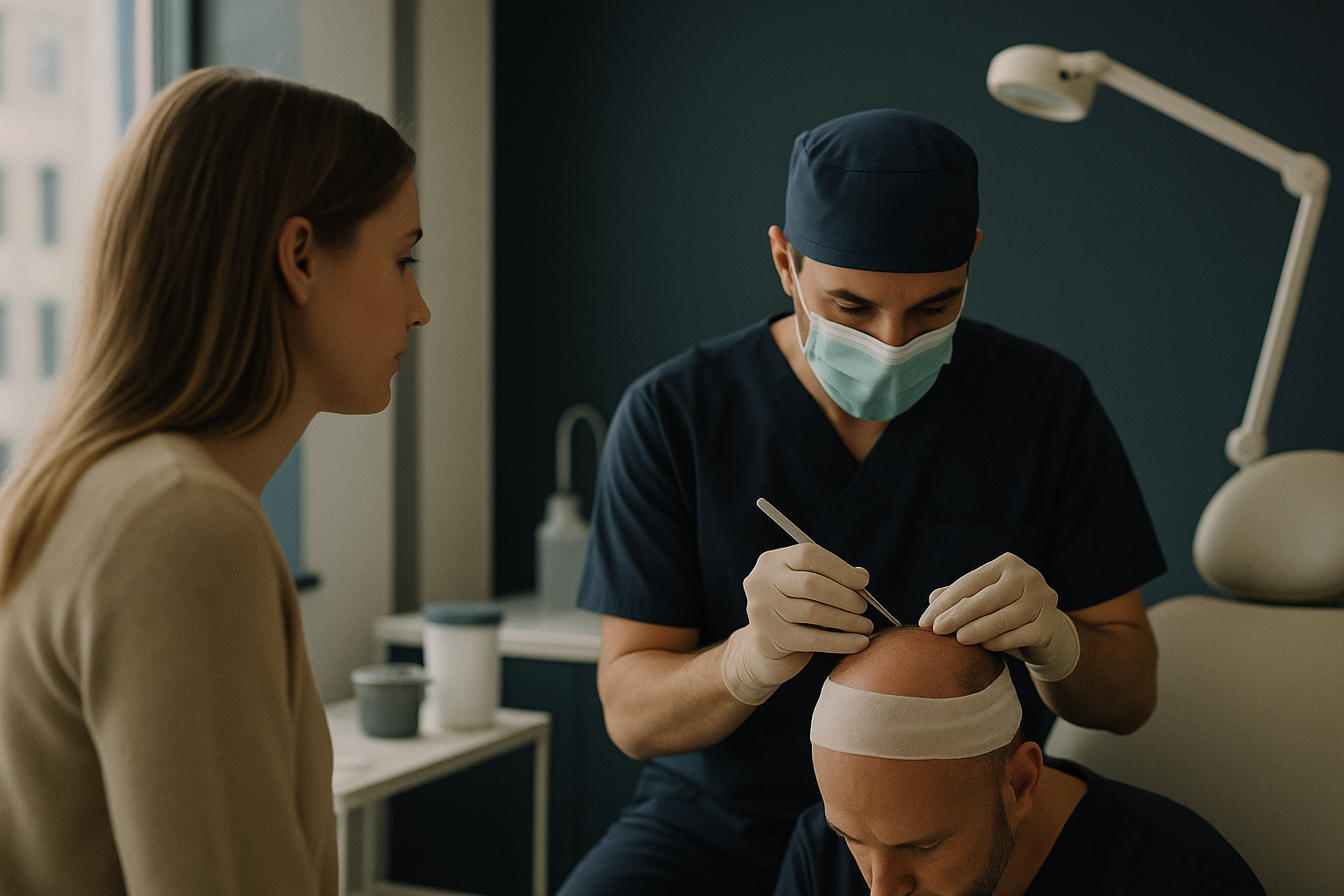
Hair plantation, often referred to as hair transplant, is a surgical procedure designed to restore hair in individuals experiencing baldness or thinning. This guide explores the intricacies of hair plantation, including costs, timelines, and safety considerations for those contemplating international treatment.
What Is Hair Plantation?
Hair plantation, medically known as hair transplantation, is a sophisticated surgical process wherein hair follicles are moved from a donor site, usually at the back or sides of the scalp, to areas experiencing hair loss. This procedure primarily addresses male pattern baldness, but it’s versatile enough to restore hair on eyebrows, eyelashes, and even facial hair like beards. The two predominant techniques used in hair plantation are Follicular Unit Transplantation (FUT) and Follicular Unit Extraction (FUE). Each method offers distinct advantages that cater to different patient needs and conditions.
In FUT, a strip of scalp bearing hair follicles is removed and dissected into individual grafts that are then implanted into the recipient area. This method is particularly beneficial for patients who require a large number of grafts, as it allows surgeons to harvest numerous follicles in one session. Typically, FUT is ideal for those who need more than 2,500 grafts, allowing for efficient coverage of larger bald areas. It is often considered when a patient prioritizes quantity over the visibility of the donor area scar.
On the other hand, FUE involves extracting individual hair follicles directly from the scalp, which are then transplanted to the desired area. While FUE is less invasive and offers quicker recovery times with minimal scarring, it might be more time-consuming for larger areas. FUE is often chosen by patients who prefer a less noticeable scar, as it leaves tiny dot scars that are less visible, especially when wearing short hair. Both methods require careful consideration of the patient’s hair type, extent of hair loss, and desired outcome to determine the most suitable approach.
Beyond the technical aspects, understanding the underlying causes of hair loss is essential. Factors such as genetics, hormonal changes, medical conditions, and lifestyle choices can all contribute to hair thinning. For example, androgenetic alopecia, commonly known as male pattern baldness, is genetically inherited and affects millions worldwide. A comprehensive consultation with a specialist can help determine the most effective strategy for hair restoration, taking into account individual circumstances and expectations. With advancements in technology and techniques, hair plantation continues to evolve, offering more natural and lasting results.
What Does a Hair Transplant Cost?
The cost of a hair transplant can vary widely, influenced by the chosen technique, the extent of hair loss, and the geographic location of the clinic. On average, patients can expect to pay between $4,000 and $15,000. This range is determined by several factors, including the number of grafts required, the complexity of the procedure, and the surgeon’s expertise. For instance, the cost per graft can range from $2 to $10, with FUE generally being more expensive than FUT due to its time-intensive nature. Clinics in countries with lower operational costs, like Turkey or India, may offer more competitive pricing, but it is crucial for patients to ensure that these options do not compromise on quality and safety standards.
Additionally, the cost structure often includes more than just the surgical procedure. Patients must account for pre-operative consultations, which can range from $100 to $300, post-operative care, medication, and follow-up visits. For those considering treatment abroad, travel and accommodation expenses can significantly add to the overall cost. Some clinics offer comprehensive packages that include these additional services, providing a clearer picture of the total financial commitment. It is advisable for patients to thoroughly research and compare different clinics, not just for pricing but also for the quality of care and success rates.
Moreover, insurance coverage for hair transplantation is typically limited, as it is often viewed as a cosmetic procedure. This means that patients should plan their budget accordingly, taking into consideration any financial assistance or payment plans that may be offered by clinics. Some clinics may offer financing options or installment plans to make the procedure more affordable. Ultimately, while cost is an important factor, the priority should be on selecting a reputable clinic with a proven track record of successful outcomes to ensure the best possible results.
How Long Does the Hair Plantation Process Take?
The timeline for a hair plantation procedure can vary significantly depending on several factors, including the technique employed and the extent of the area being treated. Generally, a single session can last anywhere from four to eight hours. This duration includes the preparation, the actual transplantation of grafts, and the immediate post-operative care. For instance, a session involving 1,000 to 1,500 grafts might take approximately four to five hours, while larger sessions of 3,000 grafts could extend to eight hours. For patients with extensive hair loss, multiple sessions might be necessary, each spaced several months apart to allow adequate healing and hair growth.
Recovery time is another critical aspect of the hair plantation process. Most patients are able to resume their normal activities within a week, though they might experience some swelling, redness, or discomfort in the treated areas. Typically, any visible signs of the procedure subside within 10 to 14 days. It is essential to follow the surgeon’s post-operative care instructions diligently to facilitate healing and prevent complications. This might include avoiding strenuous activities for two weeks, protecting the scalp from direct sunlight, and adhering to prescribed medication regimens to minimize inflammation and infection risk.
Full results from a hair transplant can take six to twelve months to materialize, as the transplanted hair goes through its natural growth cycles. Initially, the transplanted hair might shed, a normal part of the process, before new hair growth begins. Patients should maintain realistic expectations and be patient as the hair gradually thickens and blends with the existing hair. Regular follow-up appointments with the surgeon can help monitor progress and address any concerns during the recovery period. In some cases, additional sessions may be recommended to achieve optimal density and coverage.
What Are the Safety Considerations for Hair Plantation?
Safety is of paramount importance when considering a hair transplantation procedure. It is crucial for prospective patients to conduct thorough research into potential clinics and surgeons, focusing particularly on their accreditation, experience, and patient reviews. Accreditation from reputable international organizations, such as the Joint Commission International (JCI), serves as a strong indicator of a clinic’s commitment to maintaining global health standards and ensuring patient safety. Additionally, membership in professional bodies like the International Society of Hair Restoration Surgery (ISHRS) can be indicative of a surgeon’s commitment to continued education and ethical practices.
Patients should also engage in open discussions with their chosen surgeon about potential risks and complications. These can include infection, excessive bleeding, scarring, and the possibility of unnatural-looking results. To mitigate these risks, it is essential that the surgical team is well-trained and adheres to strict sterilization protocols throughout the procedure. This includes using state-of-the-art equipment and maintaining a sterile operating environment to prevent infections. Additionally, some clinics utilize advanced technologies such as robotic-assisted FUE, which can enhance precision and safety.
Furthermore, patients should provide their full medical history during consultations to help the surgeon assess any pre-existing conditions that might affect surgery outcomes. Conditions like diabetes or autoimmune disorders can influence healing and the overall success of the procedure. This comprehensive review can help tailor the procedure to minimize risks specific to the patient. Choosing a clinic that prioritizes patient safety and offers a supportive environment throughout the treatment process is key to achieving satisfactory results and a smooth recovery. Post-operative care, including regular check-ins and access to medical advice, also plays a crucial role in maintaining safety standards.
How to Choose the Right Clinic for Hair Restoration?
Choosing the right clinic for hair restoration requires careful deliberation and research. Prospective patients should begin by evaluating the clinic’s reputation, the credentials and experience of the surgeon, and the technology utilized in procedures. Reviewing before-and-after photos of previous patients can provide insight into the potential results and the clinic’s level of expertise. It’s advisable to consult multiple clinics to compare their offerings and verify their success rates and patient satisfaction levels. A clinic’s track record of successful outcomes can provide valuable insights into the quality of care and expertise available.
Transparent communication is a fundamental criterion; patients should feel comfortable discussing their concerns and expectations with the surgeon. Clinics that offer detailed consultations, including thorough pre-operative assessments and clear explanations of the procedure, demonstrate a commitment to patient care and informed decision-making. It is also beneficial to inquire about post-operative support and follow-up care, as these play a significant role in the recovery process. Some clinics offer dedicated patient coordinators to assist with every stage of the process, from initial consultation to post-surgery care.
Furthermore, prospective patients should seek out clinics that provide personalized treatment plans tailored to individual needs and conditions. This bespoke approach ensures that each patient’s unique circumstances are taken into account, leading to more satisfactory outcomes. For example, a patient with a history of alopecia areata should receive a different treatment plan compared to someone with androgenetic alopecia. By prioritizing these considerations, patients can choose a clinic that aligns with their goals and offers the highest standards of care. Additionally, looking for clinics that invest in the latest technologies and continuous staff training can further assure patients of receiving top-tier medical services.
What Are the Alternatives to Hair Plantation?
For individuals hesitant about undergoing surgical intervention, several non-surgical alternatives are available to address hair loss. Topical treatments, such as minoxidil, and oral medications, like finasteride, are commonly used to slow hair loss and, in some cases, promote regrowth. Minoxidil, available over the counter, is applied directly to the scalp and can help increase blood flow to hair follicles, while finasteride is a prescription medication that reduces hormone levels responsible for hair loss. These treatments require ongoing usage and can vary in effectiveness depending on individual response and the underlying cause of hair loss.
Low-level laser therapy (LLLT) is another non-invasive option that has gained popularity in recent years. This treatment involves using laser devices to stimulate hair follicles and encourage growth. Devices like laser combs or helmets are available for home use, offering convenient and cost-effective solutions. While results can be promising, they tend to be less dramatic compared to surgical options and require consistent application over time to maintain benefits. Users typically need to commit to several sessions per week for several months to see noticeable improvements.
Recent advancements in regenerative medicine, such as platelet-rich plasma (PRP) therapy and stem cell treatments, offer new avenues for hair restoration. PRP involves injecting concentrated platelets from the patient’s blood into the scalp to stimulate follicle activity, showing promising results in hair density improvement. Meanwhile, stem cell treatments aim to regenerate hair growth through cellular therapy, although they are still undergoing research to determine their long-term efficacy and safety for widespread use. Patients should consult with a specialist to explore these alternatives and determine the most suitable course of action based on their specific needs and preferences, considering factors like cost, commitment to ongoing treatments, and potential side effects.
Conclusion
Hair plantation is a viable solution for those seeking to address hair loss with permanent and natural-looking results. By understanding the procedure, costs, and safety considerations, prospective patients can make informed decisions about their treatment options. Thorough research and careful selection of a qualified clinic can enhance the likelihood of a successful outcome. Additionally, exploring non-surgical alternatives and emerging therapies can provide further options for individuals looking to restore their hair without surgery. Ultimately, the choice of treatment should be guided by individual goals, medical advice, and a comprehensive understanding of the available options. Whether opting for surgical or non-surgical methods, the key lies in setting realistic expectations and maintaining open communication with healthcare providers to ensure the best possible outcome.
Proven result
6.4× monthly patient volume since 2022
Istanbul-based hair transplant clinic
Frequently asked questions
What does a hair transplant cost?
Hair transplant costs range from $4,000 to $15,000, depending on the technique, number of grafts, and clinic location.
How long does hair transplantation take?
The procedure typically lasts 4-8 hours per session, with full results visible in 6-12 months.
Is hair transplantation safe?
Hair transplantation is generally safe when performed by accredited surgeons in reputable clinics, though risks like infection exist.
What are non-surgical alternatives to hair transplantation?
Non-surgical options include minoxidil, finasteride, and low-level laser therapy, which can slow hair loss and promote regrowth.
Related guides

What Is a Medical Travel Facilitator and Why Use One?
A lower treatment quote can look compelling until you try to compare what it actually includes: surgeon fees,…

What Hospital Accreditation Reviews Really Tell You
A hospital can have polished facilities, prominent surgeons, and hundreds of five-star ratings, yet those signals do not…

International Patient Onboarding Guide for Hospitals
An international patient inquiry is not simply a lead. It is a person weighing a major medical decision…