
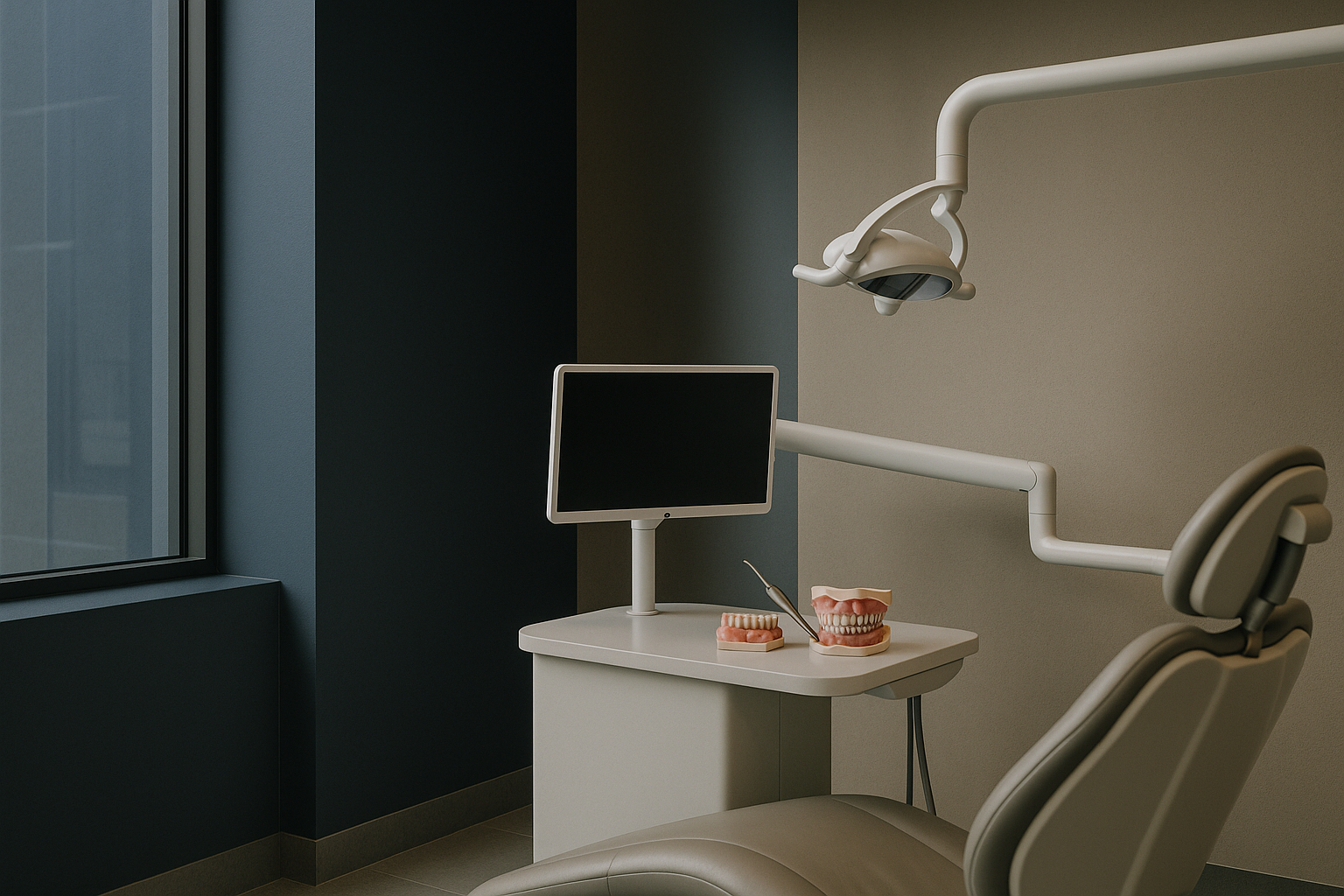
All-on-4 dental implants provide a revolutionary solution for those seeking to regain their smile and oral functionality. This innovative dental procedure uses just four implants to support a full arch of teeth, making it both efficient and effective for patients worldwide.
What Are All-on-4 Dental Implants?
All-on-4 dental implants are a modern dental procedure designed to replace a full set of teeth with just four implants per arch. These implants serve as a stable foundation for a bridge, which holds the replacement teeth. The all on four dental technique offers a permanent solution, eliminating the need for removable dentures and providing a more natural look and feel. This method not only enhances aesthetics but also significantly improves oral function, allowing patients to chew and speak with ease.
Unlike traditional implants, which may require one implant per tooth, the all-on-4 method strategically places four implants in the jawbone. These implants are positioned at precise angles to maximize support and stability. This approach is particularly beneficial for patients with bone loss, as it often avoids the need for bone grafting. By using the denser parts of the jawbone, often at the front of the mouth, the procedure can provide a secure fit even in situations where bone density is compromised.
The procedure begins with a thorough dental examination, including X-rays and 3D imaging, to assess the condition of the patient’s jawbone and plan the optimal placement of the implants. Digital planning ensures a custom fit for the bridge, resulting in a personalized and comfortable outcome. After the surgery, the patient is usually fitted with a temporary bridge until the implants have fully integrated into the bone, a process that takes several months. This integration, known as osseointegration, is crucial for the durability and success of the implants.
How Much Do All-on-4 Dental Implants Cost?
The cost of all-on-4 dental implants can vary significantly based on the location, the dentist’s expertise, and the materials used. On average, the procedure can range from $20,000 to $30,000 per arch. In some regions, the cost may be lower due to differing healthcare systems and economic factors. For instance, dental tourism destinations such as Mexico or Thailand might offer lower prices, but quality and safety should be carefully considered.
It’s important to consider all related expenses, including initial consultations, the dental implants themselves, the creation of the dental bridge, and any follow-up care. These costs can add up, so it’s advisable to request a detailed breakdown from your dental clinic to understand the full financial commitment. Financing options or payment plans may also be available to help manage the expense.
Medical tourism for dental procedures can sometimes offer cost savings, but it’s crucial to ensure the provider is accredited and has a strong reputation. The potential risks of traveling for dental care include complications that may arise post-surgery and the difficulty of obtaining follow-up care. Therefore, weighing the cost savings against these risks is essential. Additionally, check if your dental insurance covers any part of the procedure, as some plans may offer partial reimbursement.
How to Clean All-on-4 Dental Implants
Maintaining hygiene for all-on-4 dental implants is vital to their longevity and your overall oral health. Regular cleaning helps prevent plaque accumulation and gum disease, which can compromise the implants. Begin by brushing twice a day with a soft-bristled toothbrush and non-abrasive toothpaste. This routine is essential to remove food particles and bacteria that can lead to oral health issues.
It’s also recommended to use a water flosser or an interdental brush to clean around the implants and bridge. These tools help reach areas that a regular toothbrush might miss, ensuring thorough cleaning. Additionally, antimicrobial mouth rinses can aid in reducing bacterial buildup. Regular dental check-ups are essential to monitor the health of your implants and to receive professional cleanings. Your dentist may also advise on specific oral care products tailored to your needs.
Professional cleanings are crucial because dentists can access and clean areas that are difficult to reach at home. They can also check for any early signs of complications, such as gum inflammation or implant loosening. Following your dental professional’s advice on oral hygiene practices will help ensure the longevity of your implants. Furthermore, adopting a healthy lifestyle, including a balanced diet and avoiding tobacco, can contribute to maintaining implant health.
How Long After All-on-4 Dental Implants Can I Eat Normally?
After receiving all-on-4 dental implants, patients typically need to follow a soft diet for the first few weeks. This allows the implants to integrate with the jawbone, a process known as osseointegration. Eating hard or crunchy foods too soon can disrupt this healing process and potentially lead to complications such as implant failure.
Most patients can gradually introduce more solid foods after about 6 to 8 weeks. However, it’s important to follow your dentist’s specific recommendations, as healing times can vary. Foods to initially avoid include nuts, hard candies, and tough meats, which require significant chewing force. Instead, opt for foods like mashed potatoes, scrambled eggs, and cooked vegetables during the initial recovery phase.
Once fully healed, all-on-4 implants allow for normal eating, including most foods you previously enjoyed. The stability of the implants means you can enjoy a diet without major restrictions. However, maintaining a balanced diet rich in calcium and vitamin D can support bone health and the longevity of the implants. Regular dental visits should continue to ensure the implants remain in good condition and address any issues that may arise over time.
The Benefits of All-on-4 Dental Implants
All-on-4 dental implants offer numerous benefits beyond aesthetics. They provide a stable and secure fit, improving the ability to chew and speak clearly. Unlike dentures, all-on-4 implants do not slip or shift, offering greater comfort and confidence. This secure fit enables patients to enjoy social activities without worry about their teeth moving.
Additionally, this procedure helps preserve jawbone health, preventing the bone loss that often accompanies missing teeth. The implants stimulate the jawbone, maintaining its density and structure over time. This not only supports oral health but also maintains facial contours and prevents premature aging. Patients often report an improvement in their overall quality of life, feeling more youthful and energetic.
Moreover, the all-on-4 technique minimizes the need for bone grafts, which are often required with traditional implants. This reduces the overall treatment time and cost, making it a more accessible option for many patients. The long-lasting nature of the implants means fewer replacements and adjustments over the years, contributing to their overall cost-effectiveness. These factors make all-on-4 implants a preferred choice for those seeking a long-term solution to tooth loss.
Safety and Accreditation in All-on-4 Procedures
When considering all-on-4 dental implants, it’s essential to choose a provider with proper credentials and accreditation. Look for dentists with certifications from recognized dental associations and ample experience in implant dentistry. Researching patient reviews and before-and-after photos can provide insight into the quality of care. This preliminary research is crucial to ensure that you receive the highest standard of care.
Accredited clinics adhere to strict safety standards, ensuring procedures are performed in sterile environments with high-quality materials. This reduces the risk of complications and promotes optimal outcomes. Always inquire about the clinic’s accreditation and the dentist’s qualifications before proceeding with treatment. A reputable clinic will be transparent about their procedures and willing to answer any questions you might have.
Furthermore, discussing the procedure’s risks and benefits with your chosen provider can help set realistic expectations. Understanding the entire process, from preparation to recovery, ensures you are well-prepared for the journey. Safety should never be compromised for cost, as the potential long-term complications from poorly executed procedures can outweigh any initial savings. It’s always wise to prioritize quality and safety over price.
Comparing All-on-4 to Other Dental Solutions
When considering tooth replacement options, it’s beneficial to compare all-on-4 implants with other available solutions. Traditional dentures are often a more affordable choice but may lack the stability and comfort of implants. They also require adhesives and may need frequent adjustments, which can be cumbersome for long-term users. The maintenance and potential for movement during activities make dentures less appealing to many patients.
| Solution | Stability | Longevity | Cost |
|---|---|---|---|
| All-on-4 Implants | High | Long-lasting | Moderate to High |
| Traditional Dentures | Low | Short to Medium | Low |
| Single Tooth Implants | High | Long-lasting | High per tooth |
All-on-4 implants offer a solution that combines the stability of single tooth implants with the coverage of dentures. For those seeking a permanent solution with minimal maintenance, all-on-4 implants are often the preferred choice. However, individual needs and circumstances will dictate the best option. Factors such as oral health, budget, and lifestyle should all be considered when making a decision.
In some cases, a combination of solutions might be the best approach. For example, partial dentures or single implants may be suitable for patients who only need to replace a few teeth. Consulting with a dental professional can provide personalized advice and help create a treatment plan tailored to your specific needs and goals.
Conclusion
All-on-4 dental implants represent a significant advancement in restorative dentistry, offering patients a durable and aesthetically pleasing solution for missing teeth. By understanding the procedure, costs, and aftercare involved, prospective patients can make informed decisions about their dental health. Consulting with a qualified and accredited dental professional is the first step toward restoring a beautiful and functional smile. With the right care and maintenance, all-on-4 implants can provide a lifetime of benefits, enhancing both oral health and overall quality of life.
Proven result
80 to 240 dental patients a month from France
High-volume dental clinic, Istanbul
Frequently asked questions
What is all on 4 dental implants?
All-on-4 dental implants are a dental procedure that replaces a full arch of teeth using four strategically placed implants as a foundation.
How to clean all on 4 dental implants?
Clean all-on-4 implants by brushing twice daily with a soft-bristled brush and using a water flosser or interdental brush to remove plaque.
How much do all on 4 dental implants cost?
The cost of all-on-4 dental implants typically ranges from $20,000 to $30,000 per arch, depending on various factors.
How long after all-on-4 dental implants can I eat normally?
Most patients can return to a normal diet about 6 to 8 weeks after the procedure, following their dentist’s guidance.
Related guides

What Is a Medical Travel Facilitator and Why Use One?
A lower treatment quote can look compelling until you try to compare what it actually includes: surgeon fees,…

What Hospital Accreditation Reviews Really Tell You
A hospital can have polished facilities, prominent surgeons, and hundreds of five-star ratings, yet those signals do not…

International Patient Onboarding Guide for Hospitals
An international patient inquiry is not simply a lead. It is a person weighing a major medical decision…