
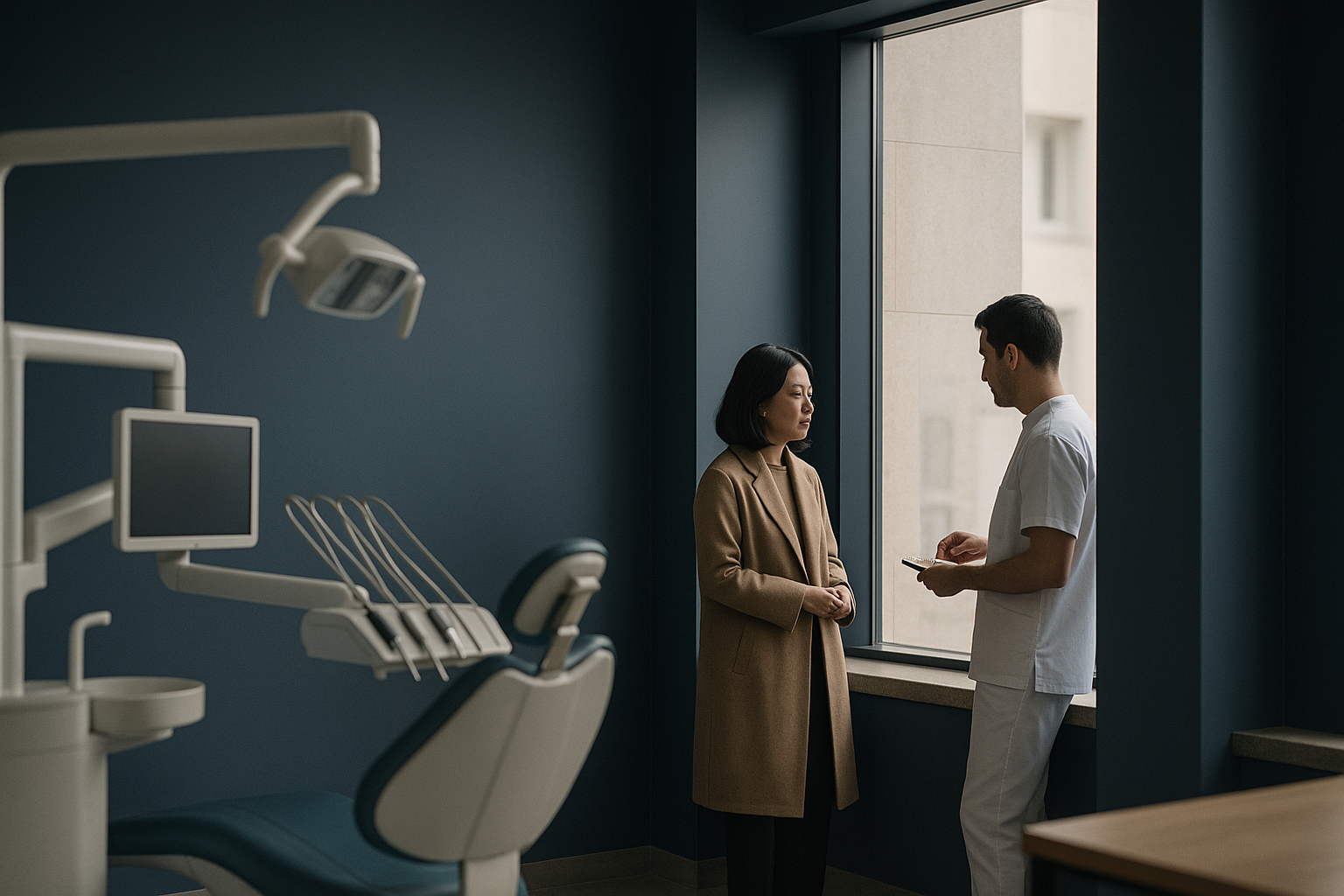
The term ‘turkey tooth’ is often associated with the affordable and high-quality dental procedures available in Turkey. For those considering dental tourism, understanding the options, costs, and safety measures is crucial. This guide provides comprehensive insights into dental procedures in Turkey, helping you make informed decisions.
Why Choose Turkey for Dental Procedures?
Turkey has gained a reputation as a leading destination for dental tourism, offering high-quality treatment at significantly lower costs than many Western countries. The country is home to a large number of accredited dental clinics equipped with state-of-the-art technology. These clinics often employ highly skilled and internationally trained dentists. This is complemented by the fact that many Turkish dental schools maintain rigorous standards, ensuring a steady stream of well-trained professionals. Furthermore, the Turkish government has invested heavily in healthcare infrastructure, which has enhanced the overall quality and reliability of services.
One of the primary reasons for the popularity of dental procedures in Turkey is the cost-effectiveness. Patients can save up to 70% on treatments like veneers and implants. For instance, while a dental veneer might cost upwards of $1,000 in the United States or the United Kingdom, the same procedure can be performed in Turkey for a fraction of the cost. Additionally, the clinics often offer packages that include accommodation and transportation, making the experience convenient and hassle-free. These packages can be customized based on the patient’s needs, often including luxury accommodations and guided tours, turning a medical trip into a vacation.
Moreover, Turkey’s strategic location makes it easily accessible from Europe, Asia, and the Middle East, further boosting its appeal as a dental tourism hub. Istanbul, for example, is a major international flight hub with numerous airlines offering direct flights from major cities across the globe. This accessibility, combined with Turkey’s rich cultural heritage and stunning landscapes, makes it an attractive destination for those looking to combine medical care with leisure. The ability to explore historical sites such as the Hagia Sophia or enjoy the scenic beauty of Cappadocia adds a unique value to the dental tourism experience.
Understanding Turkey Tooth and Dental Veneers
The term ‘turkey tooth’ often refers to veneers or crowns fitted in Turkish dental clinics. Veneers are thin shells that cover the front surface of the teeth, enhancing their appearance. They are a popular choice for those looking to improve their smile aesthetics. The appeal of veneers is their ability to correct a range of dental issues, from discoloration and chipping to gaps and misalignment. The materials used can vary, with porcelain and composite resin being the most common. Porcelain veneers tend to be more durable and stain-resistant, while composite veneers are generally more affordable and quicker to apply.
When considering veneers in Turkey, it’s essential to understand the process. It typically involves an initial consultation, preparation of the teeth, and fitting the veneers. The entire process can take a few days to a week, allowing for a quick transformation. During the initial consultation, a detailed examination is conducted to determine the suitability of veneers for the patient. This may include X-rays and digital imaging to plan the treatment accurately. After preparation, which involves reshaping the enamel, temporary veneers may be fitted while the final versions are crafted.
Costs for veneers in Turkey vary depending on the material used and the clinic’s location. On average, veneers can cost between $150 to $300 per tooth, which is considerably lower than in many Western countries. This affordability does not come at the expense of quality; many Turkish clinics use materials sourced from reputable international suppliers. Patients are often encouraged to inquire about the brands and types of materials used to ensure they receive top-notch treatment. Additionally, a detailed cost breakdown can help in planning the budget and avoiding any surprise expenses. Clinics in major cities like Istanbul and Ankara might charge slightly higher due to demand, but they also offer cutting-edge facilities and services.
How to Choose a Reputable Turkey Dentist
Choosing a reputable dentist is crucial for a successful dental procedure. Start by researching clinics that have international accreditations and positive reviews from past patients. Accreditation from bodies such as the Joint Commission International (JCI) or the Turkish Ministry of Health can be a reliable indicator of a clinic’s commitment to quality. Online platforms and forums can also provide insights into patient experiences and satisfaction levels. Reading reviews and testimonials can highlight both positive aspects and potential red flags, helping prospective patients make informed choices.
Consider the dentist’s qualifications and experience. Many Turkish dentists have undergone training abroad and are members of international dental associations. Their profiles often list their educational background, areas of specialization, and years of practice, which can be critical factors in decision-making. Communication is also key, so ensure that the staff can communicate effectively in your preferred language. This is particularly important for discussing detailed treatment plans and managing expectations. Clinics with multilingual staff or translation services can significantly enhance the patient experience.
Consulting with multiple clinics and asking for detailed treatment plans and cost estimates can help you make an informed decision. Look for clinics that offer comprehensive support, including follow-up care after the procedure. Some clinics provide video consultations, which can be a convenient way to discuss treatment options and get to know the dental team before traveling. Follow-up care is vital for monitoring recovery and addressing any post-treatment issues, so it’s worth considering clinics that offer remote consultations or have partnerships with dentists in your home country. Some clinics may also offer guarantees on their work, providing additional peace of mind for patients traveling from afar.
Costs and Timelines for Dental Implants in Turkey
Dental implants are another popular procedure for those visiting Turkey. The cost of implants in Turkey is generally lower than in many Western countries, with prices ranging from $500 to $1,200 per implant. This price includes the implant itself, the abutment, and the crown. The affordability of these procedures makes them accessible to a broader range of patients. Moreover, the use of high-quality materials from reputable manufacturers ensures that patients receive durable and long-lasting results.
The timeline for dental implants can vary based on individual cases. The process typically involves an initial consultation, implant placement, and a healing period before the final crown is attached. This can take anywhere from three to six months. The initial phase involves a comprehensive examination and planning using advanced imaging techniques to ensure precise placement. After the implant is placed, a period of osseointegration is necessary, where the implant fuses with the jawbone. This step is crucial for the stability and success of the implant.
Patients should consider travel and accommodation when planning their visit. Many clinics offer packages that include these elements, making the overall process more convenient. These packages can include airport transfers, accommodation in nearby hotels, and even guided tours of local attractions. Some clinics also collaborate with travel agencies to offer complete travel solutions. Planning these logistics in advance not only ensures a smoother experience but also allows patients to enjoy their time in Turkey while undergoing treatment. It is advisable to factor in additional time for potential follow-up visits as part of the healing process.
Safety and Accreditation of Dental Clinics in Turkey
Safety is a top concern for international patients. It’s important to choose clinics that are accredited by reputable organizations such as the Joint Commission International (JCI) or the Turkish Ministry of Health. Accreditation signifies that a clinic adheres to strict standards of quality and safety, providing assurance to patients about the level of care they can expect. These standards cover various aspects, including patient safety protocols, hygiene practices, and the qualifications of medical staff.
Accredited clinics follow strict standards for hygiene and patient care, ensuring a safe environment for dental procedures. Patients should inquire about the clinic’s sterilization processes and safety protocols during the initial consultation. This might include asking about the use of disposable tools, sterilization equipment, and infection control measures. Understanding these protocols can provide peace of mind and help patients feel more confident about the care they will receive.
Additionally, many clinics offer warranties on procedures such as implants and veneers, providing peace of mind for international patients. These warranties can cover issues such as implant failure or veneer damage, offering additional security for patients. It is advisable to discuss the specifics of these warranties beforehand to understand the terms and conditions fully. This proactive approach ensures that patients are well-informed and prepared for any eventualities post-treatment. Some clinics also have partnerships with international insurance companies, which can offer further reassurance and support.
Comparing Turkey Dental Procedures with Other Destinations
When considering dental tourism, comparing Turkey with other popular destinations can be helpful. Countries like Hungary, Thailand, and Mexico also offer competitive dental procedures. Each of these countries has developed a robust infrastructure to support medical tourism, attracting patients with the promise of quality care at reduced prices. However, differences in cost, quality, and convenience can influence the choice of destination, making it crucial for patients to evaluate these factors carefully.
| Country | Average Cost of Veneers | Accreditation |
|---|---|---|
| Turkey | $150-$300 per tooth | JCI, Ministry of Health |
| Hungary | $200-$400 per tooth | ISO, CE |
| Thailand | $250-$450 per tooth | JCI, ISO |
| Mexico | $300-$500 per tooth | ISO, COFEPRIS |
While costs are a significant factor, patients should also consider the quality of care, travel convenience, and language barriers when choosing a destination. For instance, Hungary is known for its high standard of care and proximity to Western Europe, while Thailand combines dental care with exotic tourism experiences. Mexico is a convenient choice for North American patients due to its proximity and shared language in many areas. Each destination offers unique advantages, and the final decision should align with the patient’s personal preferences and priorities.
Beyond cost and convenience, the cultural experience and healthcare infrastructure can also influence the decision. Turkey, for example, offers a unique blend of Eastern and Western cultures and is known for its hospitality, which can enhance the overall experience for patients. In contrast, Thailand’s reputation for hospitality and wellness tourism provides additional appeal. As medical tourism continues to grow, these countries are likely to continue investing in healthcare infrastructure and services, further enhancing their appeal as dental tourism destinations.
Conclusion
Dental procedures in Turkey offer a compelling combination of quality, affordability, and convenience for international patients. By conducting thorough research and choosing accredited clinics with experienced professionals, patients can achieve desirable outcomes. Whether you’re considering veneers or implants, Turkey remains a top destination for dental tourism. The combination of advanced technology, skilled practitioners, and attractive pricing provides a strong value proposition for those seeking dental care abroad. As the industry continues to grow, patients can expect even more innovations and improvements in the services offered.
Proven result
80 to 240 dental patients a month from France
High-volume dental clinic, Istanbul
Frequently asked questions
How much do veneers cost in Turkey?
Veneers in Turkey typically cost between $150 and $300 per tooth, depending on the material and clinic.
What is the meaning of 'turkey tooth'?
‘Turkey tooth’ refers to dental procedures like veneers or crowns performed in Turkey, known for affordability and quality.
Who has had veneers done in Turkey?
Many international patients, including some celebrities, opt for veneers in Turkey due to cost savings and quality care.
How do I choose a reputable dentist in Turkey?
Research clinics with international accreditations, read patient reviews, and verify dentist qualifications and experience.
How safe are dental clinics in Turkey?
Accredited clinics in Turkey adhere to international safety and hygiene standards, ensuring patient safety and care quality.
Related guides

What Is a Medical Travel Facilitator and Why Use One?
A lower treatment quote can look compelling until you try to compare what it actually includes: surgeon fees,…

What Hospital Accreditation Reviews Really Tell You
A hospital can have polished facilities, prominent surgeons, and hundreds of five-star ratings, yet those signals do not…

International Patient Onboarding Guide for Hospitals
An international patient inquiry is not simply a lead. It is a person weighing a major medical decision…