
LASIK eye surgery is a popular procedure known for correcting vision issues such as myopia, hyperopia, and astigmatism. However, a common question arises: can LASIK eye surgery change eye color? This article aims to address this query, dispelling myths and presenting facts about LASIK eye surgery, its impact on eye color, and other relevant considerations.
Does LASIK Eye Surgery Change Eye Colour?
One of the most pervasive myths surrounding LASIK eye surgery is that it can change a person’s eye colour. This is not true. LASIK surgery works by reshaping the cornea, the clear front part of the eye, to improve vision. It does not affect the iris, which is the part of the eye responsible for eye colour. Therefore, LASIK cannot change the pigmentation of the eye.
The iris contains pigments that determine eye colour, and these pigments remain untouched by the LASIK procedure. Any perception of a change in eye colour after LASIK is likely due to changes in lighting or perception, not an actual change in pigmentation. This misunderstanding often arises because the cornea’s clarity might improve, allowing more light to pass through and enhancing the vibrancy of the existing eye colour. However, this effect is purely optical and not a change in the iris itself.
It’s important to note that while LASIK cannot change eye colour, there are other procedures designed to do so, such as iris implant surgery. These procedures are not related to LASIK and carry their own risks and considerations. Therefore, anyone interested in altering their eye colour should consult with a specialist in that specific field. Additionally, understanding the difference between LASIK and cosmetic procedures can prevent misaligned expectations and ensure that individuals seek the appropriate treatment for their desired outcomes.
Understanding the LASIK Procedure
During LASIK surgery, a laser is used to create a thin flap in the cornea. The cornea is then reshaped to correct refractive errors, allowing light to properly focus on the retina, thereby improving vision. The procedure is typically quick, taking about 15 minutes for both eyes, and recovery is usually swift. Most patients notice a significant improvement in vision within 24 hours, although it can take a few days for vision to stabilize.
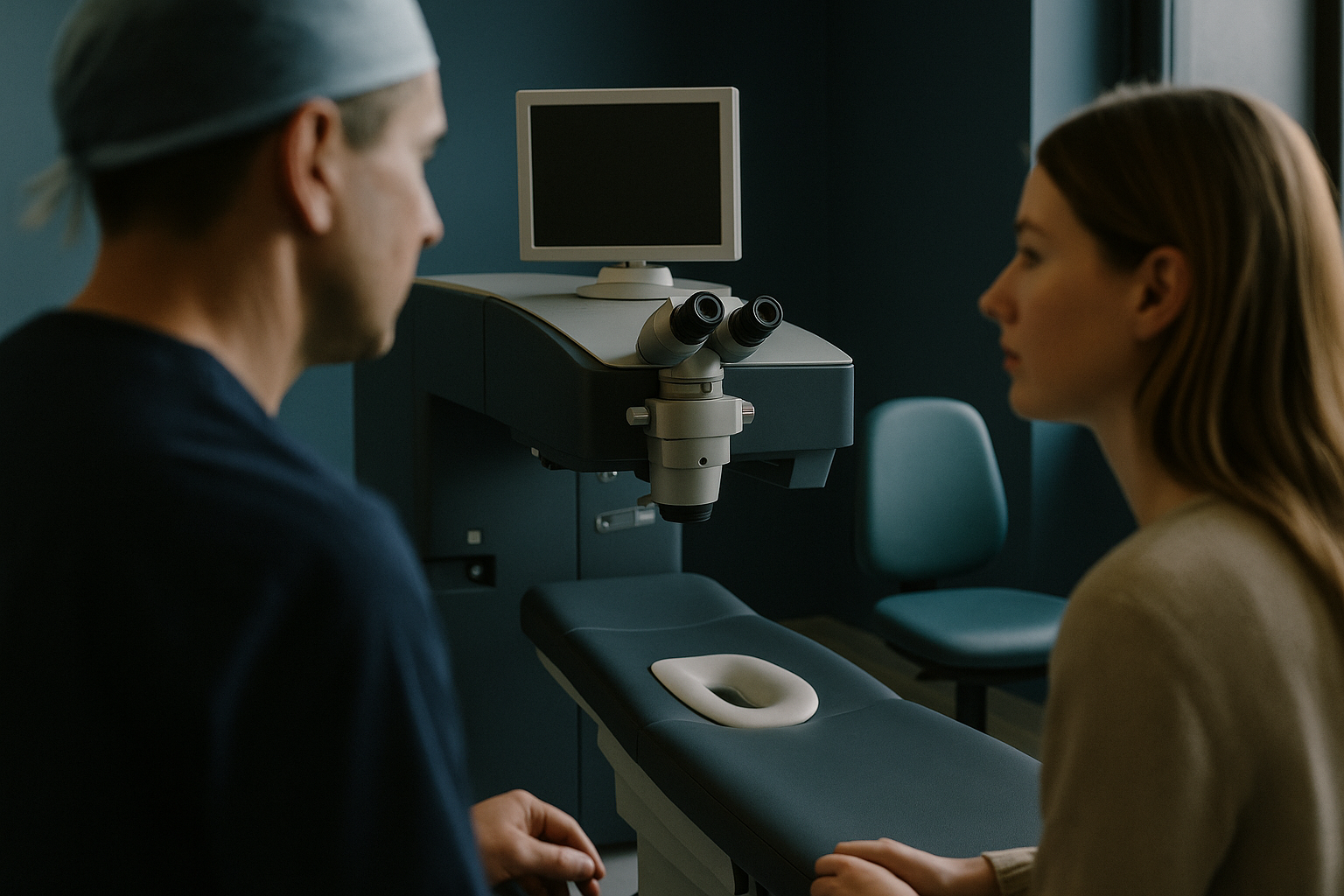
The LASIK procedure begins with numbing eye drops, ensuring the patient feels no pain during the surgery. A special device is then used to keep the eyelids open. The surgeon uses a femtosecond laser to create a thin flap in the cornea. This flap is folded back, and another laser (an excimer laser) reshapes the corneal tissue. Once the cornea is reshaped, the flap is laid back in place, where it naturally adheres without the need for stitches.
Patients may experience improved vision almost immediately, although it can take a few days for vision to stabilize. The procedure is designed to reduce dependency on glasses or contact lenses, but it does not alter the physical appearance of the eye, including eye colour. Post-surgery care includes using prescribed eye drops to prevent infection and inflammation, and attending follow-up visits to monitor healing and ensure optimal results. Understanding these steps can help alleviate anxiety and prepare patients for what to expect during and after the procedure.
Common Myths About Eye Colour Change
Several myths circulate about LASIK and eye colour changes. Some believe that different lighting conditions after surgery may affect how eye colour appears. While lighting can affect how eye colour is perceived, it does not actually change the colour of the eye. The myth likely stems from the fact that LASIK can improve the clarity and brightness of vision, which might make eye colour appear more vibrant due to enhanced light entry.
Another myth is that the laser used in LASIK can cause changes in eye pigmentation. The laser specifically targets the corneal tissue and does not interact with the iris. Thus, it has no effect on eye colour. This misconception may arise from confusion with cosmetic procedures intended to change eye colour, which are not the same as LASIK.
Furthermore, some believe that LASIK can influence the production of melanin in the iris, leading to a colour change. This is scientifically inaccurate, as the localised treatment of the cornea does not extend to the iris or influence its pigmentation. The persistence of such myths underscores the importance of consulting credible sources and professionals when considering eye surgery. By understanding these myths, potential patients can better differentiate between fact and fiction, allowing for more informed decision-making.
Factors Influencing Eye Colour Perception
Although LASIK does not change eye colour, certain factors can influence how eye colour is perceived. These include:
- Lighting: Different lighting conditions can make eye colours appear lighter or darker. For example, bright sunlight can highlight the intricate patterns and depth of the iris, making eyes appear more vibrant.
- Clothing: Colours worn near the face can reflect and alter the perceived hue of the eyes. Wearing clothes that complement your eye colour can enhance their appearance, making them look more pronounced or shifting their perceived shade.
- Health Conditions: Certain health issues or medications can affect eye appearance, but not due to LASIK. Conditions like jaundice can cause a yellowing of the eyes, and some medications can lead to changes in eye brightness or moisture, which might affect perception.
- Makeup: The use of eye makeup, such as eyeliner and eyeshadow, can accentuate eye colour. Certain shades can make the natural eye colour pop, altering how it is perceived by others.
These factors may lead some to mistakenly believe that their eye colour has changed post-surgery. It’s crucial to understand that while the perception of eye colour can be influenced by external elements, the biological pigmentation remains constant unless altered by specific medical or cosmetic procedures. Educating oneself on these factors can help manage expectations and provide clarity for those considering LASIK surgery.
The Cost of LASIK Surgery
The cost of LASIK surgery varies depending on several factors, including the location, surgeon’s experience, and technology used. On average, the cost can range from $2,000 to $3,000 per eye. It is important for patients to understand that while LASIK can significantly improve vision, it does not alter the eye’s physical characteristics such as colour.
When evaluating the expense of LASIK, prospective patients should consider the long-term savings from reduced reliance on glasses and contact lenses. Many patients find that the initial cost is offset over time by the elimination of eyewear expenses and the convenience of unaided vision.
It is advisable for patients to seek consultations from multiple providers to compare costs and services. Some clinics offer financing plans or discounts for bilateral procedures, which can make the surgery more affordable. Additionally, understanding what is included in the cost, such as post-operative care and follow-up visits, is crucial for making an informed decision.
Patients should also inquire about the technologies used in the procedure, as newer lasers and techniques, like wavefront-guided LASIK, may come at a premium but offer enhanced precision. Ultimately, the decision should balance cost, technology, and the experience of the surgeon to ensure the best possible outcome. This comprehensive approach to evaluating costs can help patients feel more confident in their investment in LASIK surgery.
Safety and Accreditation of LASIK Surgery
LASIK surgery is generally considered safe, with a high success rate. However, as with any surgical procedure, it carries some risks. It is crucial to choose a qualified and accredited surgeon to minimize these risks. Patients should verify the credentials of their chosen provider and ensure the clinic follows international safety standards.
Accreditation from bodies such as the International Organization for Standardization (ISO) or the Joint Commission International (JCI) can provide additional assurance of the clinic’s commitment to safety and quality. These accreditations signify that the clinic adheres to rigorous standards of care and continually evaluates its procedures and outcomes.
In addition to accreditation, prospective patients should look for a surgeon with extensive experience and a strong track record of successful outcomes. Reading reviews and testimonials from former patients can provide insights into the surgeon’s approach and patient satisfaction. Asking about the complication rate at the clinic and how they handle any potential issues is also important.
Safety in LASIK also involves understanding the pre-surgery evaluation process. A thorough examination can determine if a patient is a suitable candidate for the procedure, which is crucial for minimizing risks. This evaluation includes assessing corneal thickness, pupil size, and overall eye health, ensuring that the surgery is tailored to the individual’s needs. This due diligence can significantly enhance patient safety and satisfaction.
Can I Use Indian Toilet After ICSI Treatment?
While this question diverges slightly from LASIK, it is relevant for international patients considering various medical procedures. After ICSI treatment, patients are generally advised to avoid strenuous activities, including squatting, which is commonly required for using Indian toilets. This is because squatting can exert pressure on the abdominal area, which may not be advisable immediately following the procedure.
Patients should consult their healthcare provider for personalised advice, as recommendations can vary based on individual health and the specifics of the treatment received. Alternative options like using a Western-style toilet or utilizing support aids during bathroom use can be considered to ensure comfort and safety.
For LASIK patients, there are typically no restrictions on using any type of toilet post-surgery, as the procedure involves minimal physical limitations during recovery. Patients are usually advised to avoid rubbing their eyes and to protect them from excessive water exposure, but normal activities like using the toilet do not generally pose a risk to recovery. Understanding these distinctions can help patients navigate post-operative care more effectively.
Conclusion: Separating Fact from Fiction
In summary, LASIK eye surgery is a highly effective procedure for correcting vision but does not change eye colour. Myths about eye colour changes stem from misunderstandings about the procedure’s effects. By understanding the facts, patients can make informed decisions about their vision correction options.
For more detailed information on LASIK and its implications, patients are encouraged to consult authoritative sources such as the World Health Organization or peer-reviewed medical journals. Additionally, discussing concerns with a qualified eye surgeon can provide clarity and peace of mind, ensuring that patients have realistic expectations and are well-prepared for the surgery and its outcomes. This proactive approach can significantly improve the overall experience and results of LASIK surgery.
Proven result
8× US patient volume since 2024
Plastic & aesthetic surgery clinic
Frequently asked questions
Does LASIK eye surgery change eye colour?
No, LASIK eye surgery does not change eye colour. It only reshapes the cornea to correct vision.
What is the primary function of LASIK surgery?
LASIK surgery is primarily used to correct refractive errors such as myopia, hyperopia, and astigmatism.
Are there any risks associated with LASIK surgery?
While LASIK is generally safe, risks include dry eyes and vision fluctuations. Choose an accredited surgeon to mitigate risks.
How long does LASIK recovery take?
Most patients experience improved vision within a day, but full recovery can take a few weeks.
Can I use an Indian toilet after LASIK surgery?
Yes, LASIK surgery does not impose restrictions on using any type of toilet post-procedure.
What factors affect eye colour perception post-surgery?
Lighting, clothing, and certain health conditions can affect how eye colour is perceived, but LASIK does not change it.
Related guides

What Is a Medical Travel Facilitator and Why Use One?
A lower treatment quote can look compelling until you try to compare what it actually includes: surgeon fees,…

What Hospital Accreditation Reviews Really Tell You
A hospital can have polished facilities, prominent surgeons, and hundreds of five-star ratings, yet those signals do not…

International Patient Onboarding Guide for Hospitals
An international patient inquiry is not simply a lead. It is a person weighing a major medical decision…