
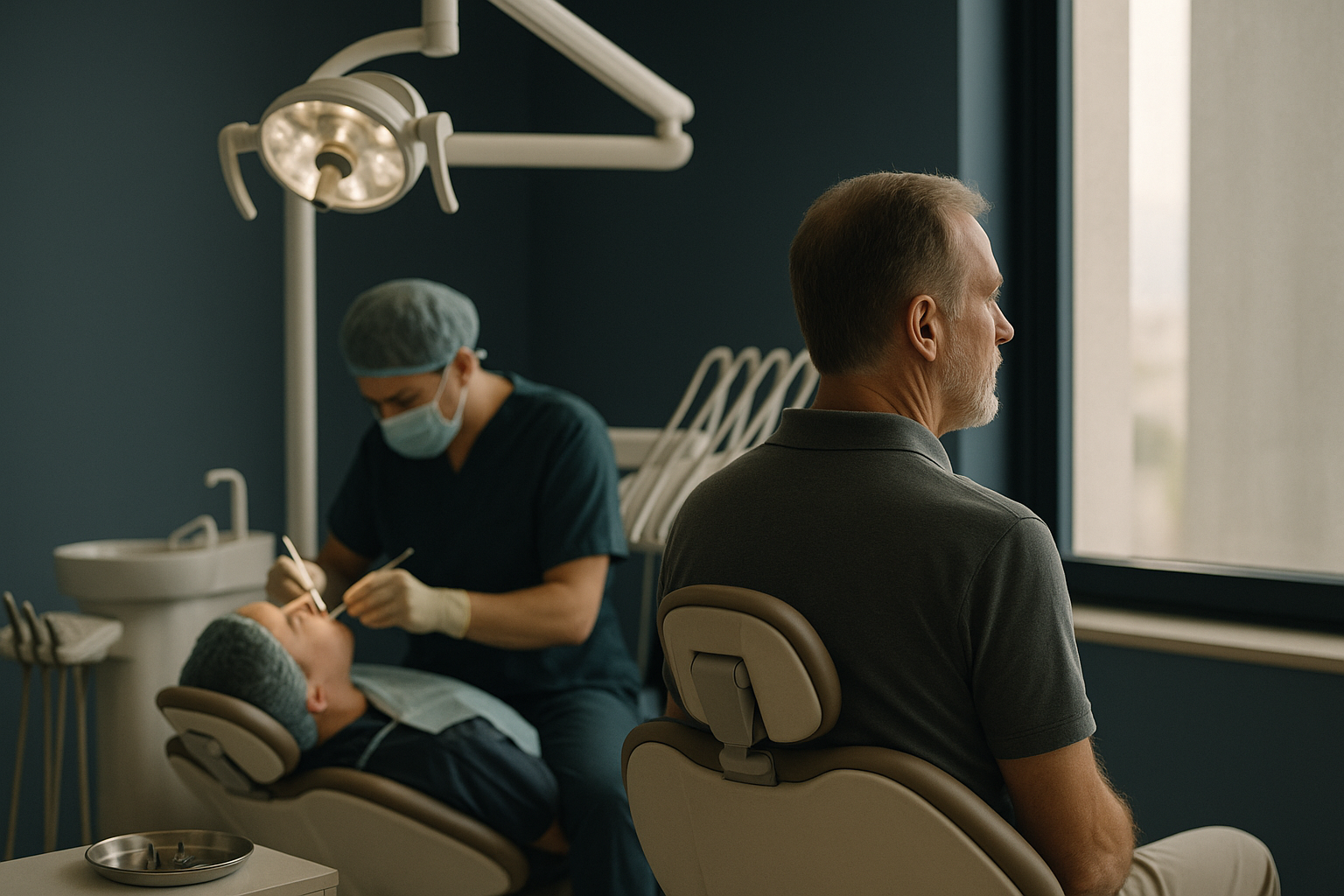
Turkey has become a popular destination for dental implants due to its cost-effective treatments and skilled professionals. Understanding the dental implants Turkey cost is crucial for prospective patients considering this option.
What is the Cost of Dental Implants in Turkey?
The cost of dental implants in Turkey varies based on several factors, including the complexity of the case, the materials used, and the specific clinic chosen. Typically, the price ranges from £400 to £1,000 per implant. This cost generally includes the implant itself, the abutment, and the crown. However, additional procedures like bone grafting may incur extra charges, often ranging from £100 to £300, depending on the extent of the graft required.
Compared to countries like the UK or the US, where implants can cost between £2,000 to £3,500 per tooth, Turkey offers substantial savings. It’s important to consider that low cost does not always equate to lower quality. Many Turkish dental clinics maintain high standards and use the latest technology, such as computer-aided design and manufacturing (CAD/CAM) for precision in implant placement and crown fabrication.
To ensure transparency, always request a detailed quote from the clinic, including any potential additional costs such as pre-surgery consultations or aftercare services. Consider the full package, including travel and accommodation, to gauge the total expense. For example, flights and a week’s stay can add approximately £500 to £1,000 to your budget, which is still economical compared to domestic treatment prices. Additionally, some clinics offer package deals, which may include airport transfers, accommodation, and even sightseeing tours, further enhancing the value proposition and experience for international patients.
Why Choose Turkey for Dental Treatment?
Turkey is a leader in medical tourism, attracting numerous international patients for dental treatment. The country offers highly qualified dental professionals, many of whom have received training abroad. These professionals are skilled in the latest dental technologies and techniques, such as digital impressions and guided implant surgery, ensuring precision and efficiency in their procedures. The advanced use of technology not only enhances the accuracy of treatments but also reduces the overall chair time, making the entire process more comfortable for patients.
The combination of affordable prices and high-quality care makes Turkey an attractive option for dental implants. Moreover, the country’s strategic location at the crossroads of Europe and Asia, its rich cultural heritage, and pleasant climate add to its appeal as a medical tourism hub. Visitors can enjoy exploring historical sites like the Hagia Sophia or the stunning beaches of Antalya, turning their treatment trip into a vacation experience. This unique blend of medical care and tourism provides patients with an opportunity to recuperate in a relaxing and culturally enriching environment.
Before making a decision, research potential clinics thoroughly. Look for those with international accreditation and positive patient reviews, which can be found on platforms such as Google Reviews or Trustpilot. This ensures you receive quality care comparable to what you would expect in your home country. Additionally, check if the clinic offers comprehensive post-treatment support, as this is crucial for long-term success and satisfaction. Many clinics provide follow-up consultations via video calls, allowing patients to maintain communication with their dentist even after returning home, ensuring continuity of care and peace of mind.
How is Dental Treatment Performed in Turkey?
Dentists in Turkey follow a systematic approach to dental implants. The process begins with a comprehensive dental examination to assess the patient’s oral health and determine the best treatment plan. This initial assessment often includes advanced imaging techniques, such as 3D scans or cone beam computed tomography (CBCT), to ensure accurate planning and placement of the implant. These technologies allow for precise mapping of the jawbone structure, helping to avoid complications and ensuring optimal results.
The implant procedure is typically performed under local anaesthesia, though sedation options are available for anxious patients. The dentist places the titanium implant into the jawbone, which serves as a root for the artificial tooth. It usually takes three to six months for the implant to integrate with the bone, a process known as osseointegration, critical for the stability and success of the implant. During this period, patients are advised to follow specific care instructions to facilitate healing and integration.
Once integration is complete, the dentist attaches an abutment and a custom-made crown to the implant. This results in a natural-looking and functional tooth replacement that matches the patient’s existing teeth in colour and shape. Patients generally experience minimal discomfort during the procedure and recovery, with most resuming normal activities within a few days. Follow-up visits ensure the implant is functioning correctly and the surrounding gum tissue remains healthy. Furthermore, clinics often provide detailed aftercare instructions and hygiene tips to prolong the lifespan of the implants and maintain oral health.
How Safe is Dental Treatment in Turkey?
Safety is a primary concern for anyone seeking dental treatment abroad. In Turkey, many dental clinics adhere to international standards of hygiene and patient care. It’s crucial to select a clinic with proper accreditation, such as ISO certification, which demonstrates compliance with global healthcare standards, and experienced dental professionals who are members of international dental associations. These certifications are a testament to the clinic’s commitment to maintaining high standards in treatment quality and patient safety.
Patients should inquire about the clinic’s infection control protocols, including the sterilization of instruments and the use of disposable materials. High-quality, certified materials, such as titanium implants from reputable manufacturers, ensure the longevity and safety of dental implants. Many clinics also use digital records and imaging to enhance treatment accuracy and patient safety. Digital systems reduce the risk of errors and streamline the treatment process, resulting in better outcomes for patients.
- Accreditation: Look for clinics accredited by recognised international bodies, such as the Joint Commission International (JCI).
- Experience: Choose dentists with extensive experience in dental implants, ideally those who have completed additional specialist training in implantology.
- Patient reviews: Check testimonials from previous patients for insights into the clinic’s service quality, focusing on aspects such as communication, comfort, and overall satisfaction.
By taking these precautions, patients can ensure a safe and successful dental treatment experience in Turkey, with outcomes that meet or exceed their expectations. In addition, many clinics provide multilingual staff to assist international patients, ensuring clear communication and reducing the risk of misunderstandings during treatment and post-operative care.
Can NHS Pay for Dental Treatment in Turkey?
The National Health Service (NHS) in the UK typically does not cover the cost of dental treatment abroad, including Turkey. The NHS provides dental services primarily within the UK, and patients opting for treatment overseas are generally responsible for the associated expenses. However, patients can discuss plans and recommendations with their NHS dentist before proceeding, ensuring continuity of care when they return. This discussion can also provide insights into maintaining oral health and managing any potential issues that may arise after the treatment.
However, some private health insurance plans may offer partial coverage for international dental treatment. Patients should check with their insurance provider to understand what costs, if any, might be reimbursed. It’s advisable to obtain pre-approval for treatment abroad to avoid unexpected expenses and confirm what documentation is required for reimbursement. This can include detailed invoices, treatment plans, and proof of payment, which should be collected and organized during the treatment process.
Considering the significant cost savings of dental treatments in Turkey, many patients find the out-of-pocket expenses worthwhile. It’s essential to weigh these costs against the benefits of receiving quality care at a lower price, along with the opportunity to combine treatment with travel experiences. Some patients choose to budget the savings for additional procedures, enhancing their dental health and aesthetics further. Planning for the potential savings can allow patients to explore more comprehensive dental care options, addressing multiple oral health needs in one visit.
How to Choose the Right Dental Clinic in Turkey?
Choosing the right dental clinic is a crucial step in ensuring a successful outcome for dental implants. Start by researching clinics’ credentials and the qualifications of their dental professionals. A reputable clinic will have dentists who are members of international dental associations, such as the European Association of Dental Implantologists (EDI) or similar bodies. This membership often indicates a commitment to ongoing education and adherence to the latest industry standards and practices.
It’s also important to consider the clinic’s location and accessibility. Clinics situated in major cities like Istanbul or Ankara may offer more comprehensive services and easier access for international travellers, including airport transfers and accommodation assistance. These cities also provide a wide range of cultural and leisure activities, enhancing the overall experience of medical tourism. The availability of direct flights from many countries to these cities further simplifies travel logistics for patients.
- Check for international accreditation: This assures adherence to global healthcare standards and practices.
- Read patient reviews and testimonials: Focus on detailed accounts that discuss the quality of care, communication, and results.
- Contact the clinic for a consultation: Discuss your treatment plan and costs, ask for a virtual tour, and inquire about post-operative care and support.
By conducting thorough research and planning, patients can find a clinic that meets their needs and ensures a positive dental treatment experience. It’s also beneficial to prepare a list of questions and concerns to discuss during the initial consultation, ensuring all aspects of the treatment are clearly understood and agreed upon. Many clinics offer the option of virtual consultations, allowing patients to discuss their needs and plans from the comfort of their homes before making any travel commitments.
Conclusion: Making an Informed Decision
Dental implants in Turkey provide a cost-effective solution for those seeking dental treatment abroad. By understanding the dental implants Turkey cost and the factors influencing it, patients can make informed decisions. Key considerations include the quality of care, the credentials of the dental professionals, and the overall experience offered by the clinic. It’s crucial to balance cost savings with the assurance of receiving high-quality care and satisfactory treatment outcomes.
Ensuring safety and quality by choosing the right clinic and understanding the treatment process is vital. With proper research and planning, patients can achieve successful outcomes and enjoy the benefits of enhanced dental health and aesthetics. This preparation includes arranging for language support, travel logistics, and post-treatment care. Additionally, understanding the cultural and logistical aspects of traveling for medical treatment can enhance the overall experience, making it both a health and personal enrichment journey.
Ultimately, the decision to undergo dental implant treatment in Turkey should be based on thorough research, consideration of costs, and prioritising safety and quality. By doing so, patients can confidently embark on their journey to improved dental health, backed by the expertise and affordability that Turkey’s dental tourism industry offers. This choice not only promises significant cost savings but also the potential for a transformative experience that rejuvenates both dental function and overall well-being.
Proven result
80 to 240 dental patients a month from France
High-volume dental clinic, Istanbul
Frequently asked questions
How much does dental treatment cost in Turkey?
Dental treatment costs in Turkey vary widely, with implants ranging from £400 to £1,000 per tooth. Prices depend on complexity and materials.
Is dental treatment in Turkey safe?
Yes, dental treatment in Turkey is generally safe, provided you choose accredited clinics with experienced professionals adhering to international standards.
Can NHS pay for dental treatment in Turkey?
The NHS typically does not cover dental treatment abroad. Patients are usually responsible for all expenses incurred for overseas care.
How is dental treatment performed in Turkey?
Dental treatment in Turkey involves a thorough examination, advanced imaging, and implant placement under local anaesthesia, ensuring minimal discomfort.
Related guides
Full Mouth Dental Implants in Turkey: Price Insights
Quick answerThe price for full mouth dental implants in Turkey typically ranges from £4,000 to £8,000, depending on…
Why Spain is a Top Destination for Egg Freezing
Quick answerSpain is a top destination for egg freezing due to its advanced medical facilities, competitive costs, and…
An Overview of Turkish Medical Tourism: Key Benefits
Quick answerTurkish medical tourism offers affordable, high-quality healthcare with internationally accredited hospitals and experienced professionals, making it a…