
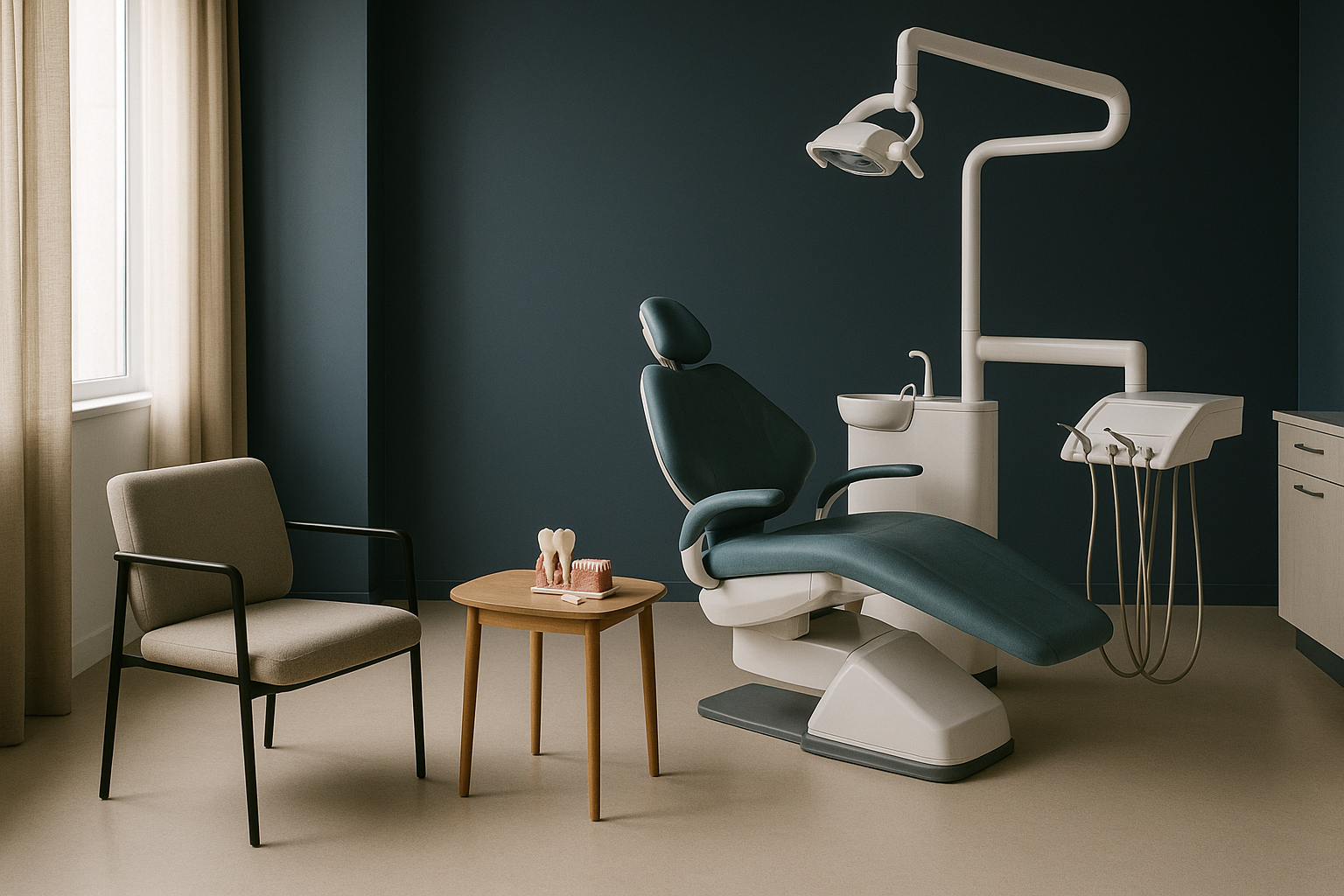
Finding affordable dental implants can significantly benefit individuals seeking cost-effective dental solutions. By exploring international options, patients can save on costs without compromising on quality. Understanding the process and potential savings is crucial for making informed decisions.
What Are Dental Implants?
Dental implants serve as artificial roots for teeth, providing a strong foundation for permanent or removable replacement teeth. They are crafted from biocompatible materials, typically titanium, ensuring durability and a natural look. Titanium is favored due to its ability to fuse with bone, a property known as osseointegration, which is critical for the implant’s success. The implants are designed to mimic the root of a natural tooth and integrate seamlessly with the jawbone, providing a stable base for crowns, bridges, or dentures.
The process involves surgically placing the implant into the jawbone, where it fuses with the bone over time. Osseointegration typically takes a few months, during which the patient must maintain good oral hygiene and possibly adhere to a modified diet to ensure proper healing. Once the implant has successfully integrated with the bone, a custom-made crown is attached. This crown is designed to match the color, shape, and size of the patient’s natural teeth for a cohesive appearance.
Dental implants provide a functional and aesthetic solution for missing teeth, improving oral health and confidence. They help prevent the deterioration of the jawbone that can occur with missing teeth and provide stability for eating and speaking. Unlike dentures, which can shift in the mouth and require adhesives, implants are permanently fixed, offering a long-term solution that can last many years with proper care.
Why Consider Affordable Dental Implants Abroad?
Many patients consider traveling abroad for dental implants due to the substantial cost savings. Countries like Hungary, Mexico, and Thailand offer high-quality care at a fraction of the cost compared to countries like the United States or the United Kingdom. For example, a single implant that might cost $3,000 to $5,000 in the U.S. could be priced between $1,000 and $2,000 in these dental tourism hotspots.
These savings are primarily due to lower living costs and operational expenses in these countries, allowing clinics to offer competitive prices without sacrificing quality. Additionally, many international clinics are accredited by reputable organizations, ensuring adherence to global healthcare standards. Clinics often cater to international patients by providing English-speaking staff and comprehensive packages that include transportation, accommodation, and aftercare.
Patients should research and choose clinics with a proven track record of success, skilled professionals, and positive patient reviews to ensure a safe and satisfactory experience. Resources like online forums, dental tourism agencies, and medical accreditation websites can help patients assess the credibility and quality of overseas clinics. It’s crucial to balance cost savings with safety and quality to ensure that the treatment meets the patient’s expectations and health standards.
What Are the Costs Involved?
The cost of dental implants can vary widely depending on several factors, including location, the complexity of the procedure, and the materials used. In the United States, the cost can range from $3,000 to $5,000 per implant. This price includes the implant post, the abutment, and the crown, but not additional procedures such as bone grafts or sinus lifts that might be necessary for certain patients.
In contrast, countries known for dental tourism may offer the same treatments for $1,000 to $2,000 per implant. Some countries, such as India or Turkey, might offer even lower prices. This price difference can result in substantial savings, especially for patients needing multiple implants. For example, a patient requiring four implants could save upwards of $8,000 when opting for treatment in Hungary instead of the U.S.
It is essential to consider all costs, including travel, accommodation, and potential follow-up visits, to evaluate the overall affordability of international dental care. Patients should also factor in the time required for the procedure and healing, as well as any potential complications that might necessitate additional travel. Comprehensive budget planning ensures that patients can enjoy the financial benefits of dental tourism without unexpected expenses.
How to Ensure Safety and Quality?
Ensuring safety and quality when seeking dental implants abroad involves thorough research and planning. Patients should verify the accreditation of the clinic and the qualifications of the dental professionals involved. Reputable clinics will often display their accreditations and certifications prominently on their websites, and patients can cross-check these with the issuing bodies.
Accredited clinics adhere to international healthcare standards, providing assurance of the quality and safety of the procedures. Patients can check for accreditations from organizations such as the Joint Commission International (JCI) or the International Organization for Standardization (ISO). These bodies conduct rigorous evaluations of healthcare facilities to ensure they meet global standards of care and safety.
Additionally, seeking recommendations from former patients and reading reviews can provide insights into the clinic’s reputation and the experiences of others. Online forums and social media groups dedicated to dental tourism are valuable resources for first-hand accounts and tips. Patients should also consider direct communication with potential clinics to gauge responsiveness and professionalism, which are indicative of the level of care they can expect.
What Is the Implant Treatment Process Like?
The dental implant process typically involves several stages, starting with an initial consultation and assessment to determine the patient’s suitability for implants. During this consultation, the dentist will evaluate the patient’s oral health, take X-rays or 3D scans, and discuss any pre-existing conditions that might affect the treatment. This step is crucial to identify the need for any preliminary procedures like extractions or bone grafts.
Once deemed suitable, the implant is surgically placed into the jawbone. The surgery is usually performed under local anesthesia, and sedation options may be available for anxious patients. After placement, a healing period is necessary to allow osseointegration to occur. This can take several months, and during this time, the patient must follow specific care instructions to promote healing.
After successful integration, a custom-made crown is attached to the implant, restoring the function and appearance of the tooth. The crown is typically made from ceramic or porcelain for a natural appearance and durability. Follow-up visits may be required to ensure the implant’s success and address any concerns. Regular dental check-ups are essential to monitor the health of the implant and surrounding teeth.
What Are the Benefits of Dental Implants?
Dental implants offer numerous benefits, including improved appearance, speech, and comfort. They function like natural teeth, enabling patients to eat without difficulty and enjoy a varied diet. This functionality is particularly beneficial for those who have struggled with removable dentures or missing teeth, as implants provide the stability needed for chewing tougher foods.
Implants also contribute to better oral health by preventing bone loss and maintaining the structure of the jawbone. When a tooth is lost, the bone that once supported it begins to deteriorate. Implants act as a stimulus for the bone, similar to natural tooth roots, thereby maintaining the integrity of the jaw. Unlike removable dentures, they do not require altering adjacent teeth, preserving natural tooth structure.
Overall, dental implants provide a durable, long-term solution for missing teeth, enhancing the quality of life and confidence of patients. They eliminate the inconvenience and maintenance associated with dentures and can last a lifetime with proper care. For many patients, the investment in dental implants is justified by the significant improvement in their oral health and self-esteem.
Conclusion: Making an Informed Decision
Choosing to undergo dental implant treatment abroad can be an effective way to access affordable dental care without compromising on quality. By thoroughly researching and planning, patients can ensure a safe and satisfying experience. It’s important to weigh the potential cost savings against the logistics and time investment required for travel and recovery.
It is essential to consider all aspects, including costs, accreditation, and personal comfort, when selecting a clinic for treatment. Patients should prioritize clinics with proven track records and transparent practices. With the right approach, patients can achieve significant savings and successful outcomes, enjoying the benefits of dental implants for years to come.
Proven result
80 to 240 dental patients a month from France
High-volume dental clinic, Istanbul
Frequently asked questions
What are dental implants?
Dental implants are artificial roots placed into the jawbone to support replacement teeth, offering a durable and natural-looking solution.
Why are dental implants cheaper abroad?
Dental implants are often cheaper abroad due to lower living and operational costs, allowing clinics to offer competitive prices.
How can I ensure quality when getting dental implants abroad?
Ensure quality by choosing accredited clinics, verifying professional qualifications, and reading patient reviews for reassurance.
What is the recovery process like after getting dental implants?
Recovery involves a healing period for osseointegration, which can take several months, followed by attaching a crown to complete the restoration.
What are the benefits of choosing dental implants?
Dental implants offer improved appearance, function like natural teeth, and maintain oral health by preventing bone loss.
Related guides
Full Mouth Dental Implants: A Cost Analysis
Quick answerThe cost of full mouth dental implants varies globally, typically ranging from $20,000 to $45,000, depending on…

Projected Costs of Medical Tourism in Guadalajara, 2026
Quick answerIn 2026, medical tourism in Guadalajara, Mexico is expected to be cost-effective, with procedures typically 40-60% cheaper…
Radiofrequency Microneedling for Turkey Neck: A Comprehensive Guide
Quick answerRadiofrequency microneedling for turkey neck combines microneedling and radiofrequency energy to tighten and rejuvenate neck skin, offering…