
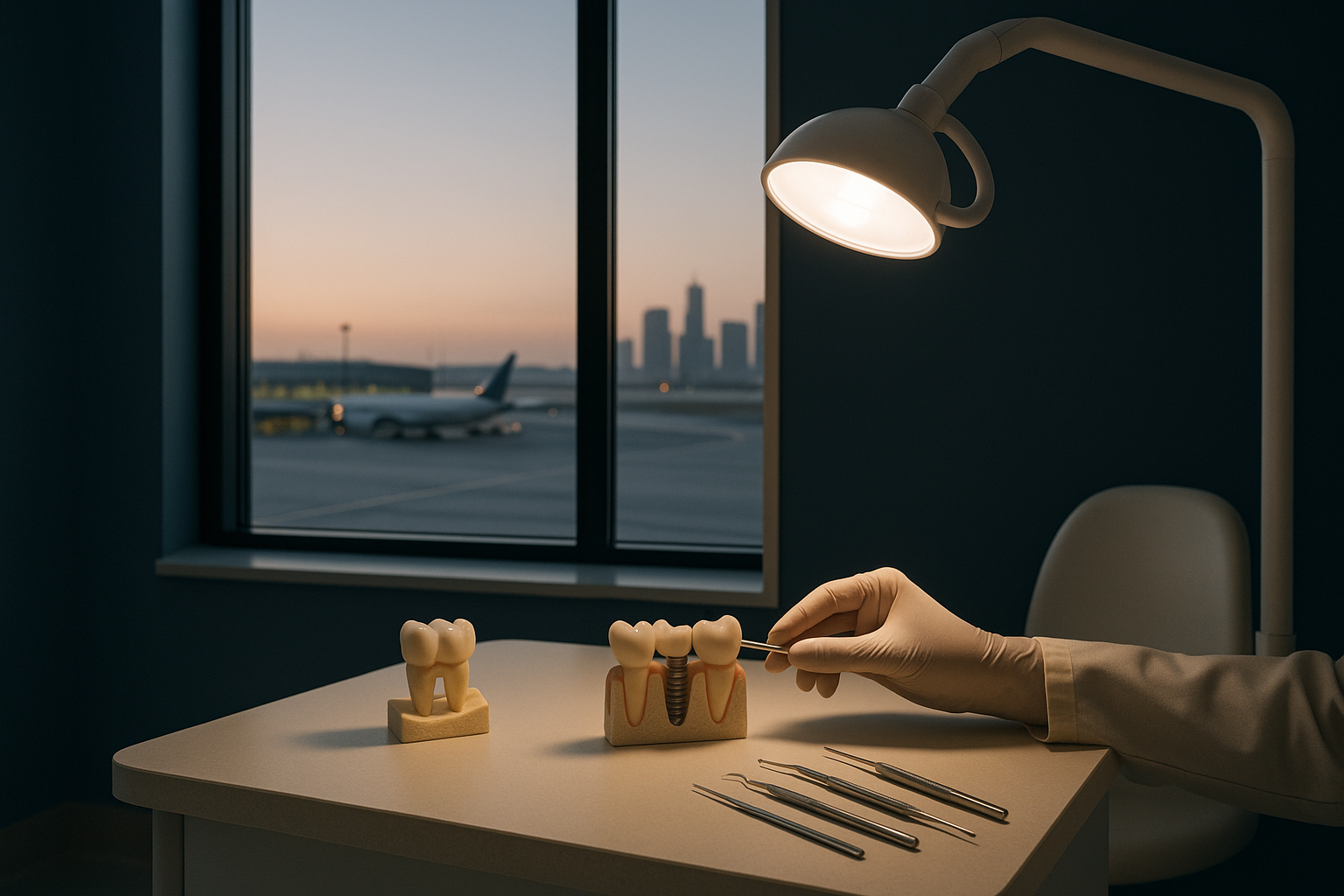
Full mouth dental implants offer a comprehensive solution for individuals seeking to restore their smile and oral functionality. Understanding the cost implications is crucial for prospective international patients considering this treatment. This article provides a detailed analysis of the costs involved, timelines, and factors affecting pricing globally.
What Are Full Mouth Dental Implants?
Full mouth dental implants are an advanced restorative dental treatment designed to replace all teeth in the upper and lower jaws. This involves the strategic placement of multiple dental implants, which serve as artificial tooth roots, onto which a full set of prosthetic teeth, such as dentures or bridges, are attached. The implants provide superior stability and functionality, closely mimicking the natural strength and appearance of real teeth.
The primary benefit of full mouth dental implants is their ability to restore full chewing efficiency and enhance the aesthetic appeal of a patient’s smile, which can significantly improve their overall quality of life. This procedure is particularly beneficial for individuals who have lost most or all of their teeth due to chronic dental diseases, extensive decay, or traumatic injuries. By opting for full mouth dental implants, patients can regain the confidence to engage in everyday activities such as smiling, speaking, and eating without discomfort or self-consciousness, which can profoundly impact their social and professional interactions.
However, due to the complexity and precision required for this procedure, full mouth dental implants tend to be more expensive than other dental treatments. Patients should be prepared for a multi-step process that typically spans several months. This includes initial consultations, advanced diagnostic imaging, multiple surgical procedures, and the final fitting of the prosthetic teeth. Each stage requires meticulous attention to detail and a high level of expertise, which contributes to the overall cost. It is essential for patients to recognize that investing in high-quality implants and experienced dental professionals is crucial to achieving durable, aesthetically pleasing, and long-lasting results.
How Much Does Full Mouth Dental Implants Cost Globally?
The cost of full mouth dental implants can vary significantly across different regions, influenced by factors such as the choice of materials, the expertise of the dental team, and the local economic conditions. On average, the cost ranges from $20,000 to $45,000. This price typically includes the cost of the implants, the surgical procedures, and the prosthetic components, such as dentures or bridges. In countries like the United States, where healthcare expenses are generally higher, the cost of this procedure can be on the upper end of the spectrum, often reaching or even exceeding $50,000.
Conversely, countries like Turkey and India, which are known for medical tourism, frequently offer more competitive pricing due to lower operational costs and favorable exchange rates. In these countries, the total cost can be as low as $10,000 to $20,000, making them attractive options for international patients seeking affordable yet high-quality dental care. However, it is important for patients to consider additional expenses, such as travel, accommodation, and potential follow-up visits, when calculating the overall cost of receiving treatment abroad. Despite the lower prices, many clinics in these countries adhere to stringent international standards of care, providing quality services that rival those available in more expensive regions.
When planning for full mouth dental implants, prospective patients should not only focus on the initial treatment costs but also factor in any associated expenses related to travel, accommodation, and post-operative care when considering treatment overseas. Furthermore, evaluating the quality of care and the level of post-operative support offered by the clinic is crucial, as these elements can significantly influence the success of the procedure and the overall patient experience. Conducting thorough research and consulting with healthcare professionals can assist patients in making well-informed decisions regarding where to undergo this transformative treatment.
Factors Affecting the Cost of Dental Implants
Several critical factors can significantly influence the cost of full mouth dental implants. One of the primary determinants is the type of materials used for the implants. Titanium and zirconia are the most common materials, each offering distinct advantages. Titanium is widely favored for its exceptional biocompatibility and strength, making it a reliable choice for long-term durability. On the other hand, zirconia is prized for its superior aesthetics, as it closely resembles the natural color of teeth, but it generally comes at a higher cost. The choice between titanium and zirconia should be based on the patient’s specific needs, preferences, and budget.
- The number of implants required is another crucial factor. Some patients may need more implants depending on the condition of their jawbone and the design of the prosthetic. A typical full mouth restoration might involve 4 to 8 implants per arch, but this can vary based on individual circumstances, such as bone density and desired prosthetic design. The more implants needed, the higher the overall cost.
- The experience and reputation of the dental surgeon also play a significant role. Highly skilled professionals with a strong track record in implant dentistry tend to charge more for their services. However, their expertise can lead to better outcomes, reduced risk of complications, and a smoother overall experience.
- Geographical location impacts pricing as well. Costs can vary dramatically between different countries and even regions within a country. In metropolitan areas, prices may be higher due to increased demand and operational expenses.
Understanding these factors can help patients make informed decisions when selecting the best treatment options to suit their needs and budget. It is advisable for patients to seek consultations with multiple providers to compare costs and services, ensuring they receive comprehensive care tailored to their individual circumstances. Additionally, discussing financing options or payment plans with dental clinics can make the procedure more accessible to those concerned about affordability, allowing more patients to benefit from this life-changing treatment.
Comparing Costs: Dental Implants vs. Other Cosmetic Procedures
When considering full mouth dental implants, it’s beneficial to compare the investment with other cosmetic dental and medical procedures to appreciate the value it offers. For instance, the cost of porcelain veneers ranges from $1,000 to $2,500 per tooth, which, while effective for cosmetic enhancement, do not provide the functional benefits of implants. Similarly, nose reshaping surgery, a common cosmetic procedure, can cost between $5,000 and $10,000, depending on the complexity and location of the surgery.
Furthermore, a procedure like sleeve gastrectomy, which is popular for weight loss, typically costs between $10,000 and $20,000. These comparisons highlight the significant financial investment required for full mouth dental implants; however, they also underscore their comprehensive nature and durability, which many other treatments cannot match. Unlike veneers that only cover the front surface of teeth, implants replace the entire tooth structure, providing a stable and lasting result that significantly enhances oral health and function.
| Procedure | Average Cost |
|---|---|
| Full Mouth Dental Implants | $20,000 – $45,000 |
| Porcelain Veneers | $1,000 – $2,500 per tooth |
| Nose Reshaping | $5,000 – $10,000 |
| Sleeve Gastrectomy Surgery | $10,000 – $20,000 |
By evaluating the costs and benefits of various procedures, patients can better prioritize their health goals and make informed decisions about their treatment plans. Full mouth dental implants stand out for their ability to fully restore oral functionality and significantly improve the quality of life, making them a worthwhile consideration for those seeking a transformative and permanent solution to dental issues.
Timelines and Recovery for Full Mouth Dental Implants
The timeline for completing full mouth dental implants can vary depending on individual patient needs and the specifics of their treatment plan. Generally, the entire process involves several distinct stages spread over a period of 3 to 9 months. This extended timeframe is necessary to ensure proper healing and integration of the implants with the jawbone, a critical component for the success and longevity of the treatment.
The process begins with an initial consultation and planning phase, during which dental professionals conduct a thorough assessment of the patient’s oral health. Detailed impressions are taken, and a custom treatment plan is developed. Advanced diagnostic imaging, such as 3D scans, is often utilized to evaluate the patient’s bone structure and to meticulously plan the precise placement of each implant.
Following the planning phase, the surgical placement of the implants is performed. This surgery is followed by a healing period to allow the implants to integrate with the jawbone, a process known as osseointegration, which typically takes several months. During this time, patients may be provided with temporary dentures to maintain functionality and aesthetics. The final phase involves the fitting of the permanent dentures or bridges, which completes the restoration process. It’s essential for patients to adhere to post-operative care instructions and attend regular follow-up appointments to monitor healing and ensure the longevity of the implants.
Throughout the recovery period, patients should maintain excellent oral hygiene and follow dietary recommendations to promote healing. Regular follow-up visits allow the dental team to monitor progress and address any potential issues early on. By understanding the timeline and recovery expectations, patients can better plan their schedules and ensure they receive the best possible outcome from their treatment, maximizing the benefits of their investment in full mouth dental implants.
Safety and Accreditation Considerations
Safety is paramount when undergoing full mouth dental implants, and patients should prioritize treatment from accredited clinics and certified dental professionals to ensure the highest standards of care. Accreditation from recognized organizations, such as the Joint Commission International (JCI), serves as a vital reassurance of a clinic’s commitment to quality and safety. This accreditation indicates adherence to strict healthcare standards and protocols, providing patients with peace of mind regarding the level of care they will receive.
In addition to accreditation, researching patient reviews and testimonials can offer valuable insights into the clinic’s reputation and the experiences of previous patients. Positive feedback from past patients can be a strong indicator of the clinic’s reliability and the quality of care provided. Before proceeding with treatment, it is advisable for patients to engage in comprehensive discussions with the dental team about the procedure’s risks, benefits, and expected outcomes to make a well-informed decision.
Understanding the clinic’s infection control protocols and the qualifications of the dental team is another essential step in selecting the right provider. Patients should feel comfortable asking questions about all aspects of the procedure and expressing any concerns they may have. This open communication builds trust and ensures a positive treatment experience. By prioritizing safety and accreditation, patients can minimize the risk of complications and achieve successful outcomes with their dental implants, securing a healthy and confident future.
Conclusion: Making an Informed Choice
Full mouth dental implants represent a significant investment with the potential to greatly enhance oral health and overall quality of life. Understanding the complex cost implications, timelines, and essential safety considerations is crucial for prospective international patients. By carefully evaluating these factors and consulting with experienced dental professionals, patients can make informed decisions about their treatment options and achieve their desired results.
For more detailed information on dental and other medical procedures, patients can refer to resources from the World Health Organization (WHO) and other reputable health organizations. These resources offer valuable insights into global healthcare standards and can help patients navigate their treatment journey with confidence. By staying informed and taking a proactive approach, patients can maximize the benefits of their investment in full mouth dental implants, ensuring a successful and rewarding outcome.
Proven result
80 to 240 dental patients a month from France
High-volume dental clinic, Istanbul
Frequently asked questions
How much does a hair transplant cost?
The cost of a hair transplant varies widely, typically ranging from $4,000 to $15,000, depending on the number of grafts and location.
How much does a hair transplant cost in the USA?
In the USA, a hair transplant can cost between $6,000 and $20,000, influenced by the extent of hair loss and clinic reputation.
How much does a hair transplant cost in Turkey?
In Turkey, hair transplants are more affordable, generally costing between $2,000 and $7,000, attracting many international patients.
What affects the cost of full mouth dental implants?
Costs are affected by implant materials, the number of implants needed, surgeon expertise, and geographical location.
Related guides
Dental Implants: Understanding Pricing and Value
Quick answerDental implants can range from £1,200 to £3,000 per implant in the UK, depending on complexity and…

Affordable Dental Implants: A Cost-Benefit Comparison
Quick answerAffordable dental implants offer a cost-effective solution for tooth replacement. By considering international options, patients can access…

Projected Costs of Medical Tourism in Guadalajara, 2026
Quick answerIn 2026, medical tourism in Guadalajara, Mexico is expected to be cost-effective, with procedures typically 40-60% cheaper…