
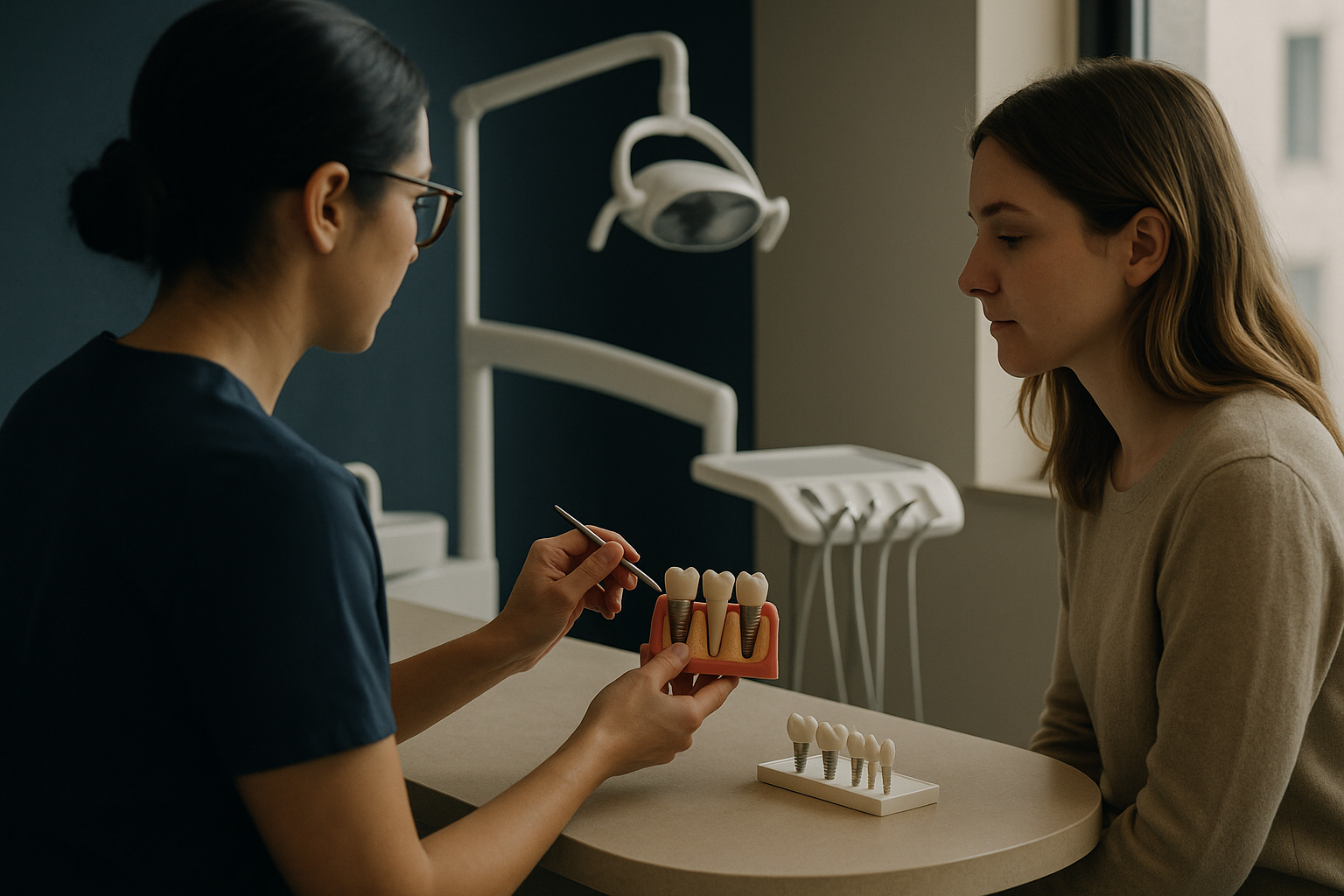
Dental implants have become a popular option for those seeking to replace missing teeth. They offer a durable and natural-looking solution that can significantly improve oral health and appearance. Understanding the cost of dental implants is crucial for anyone considering this procedure, as prices can vary greatly depending on numerous factors.
What Determines the Cost of Dental Implants?
The cost of dental implants is influenced by several factors, including the location of the treatment, the dentist’s expertise, and the materials used. Geographical differences can see costs range from as low as $1,500 to as high as $6,000 per implant. For instance, in rural areas where the cost of living is generally lower, dental clinics may offer more competitive pricing compared to metropolitan centers. Urban areas with a high cost of living may see higher prices due to increased overhead for dental offices, from rent to utilities. Moreover, regions with fewer qualified implant specialists might also drive prices up due to limited competition.
Materials play a significant role in determining cost. Titanium implants, known for their durability and compatibility with the human body, might be more expensive than other options. Zirconia is another material that is gaining popularity for its aesthetic advantages and biocompatibility, though it may also come at a higher price point. Furthermore, the expertise of the dental practitioner can also affect pricing, with more experienced professionals often charging higher fees. This is usually justified by the higher success rates and lower risks associated with seasoned practitioners, who may have extensive training and a proven track record of successful procedures.
- Location of the clinic
- Materials used for implants
- Dentist’s experience and reputation
- Additional procedures required (e.g., bone grafts)
- Technology and equipment used
Cost of Full Mouth Dental Implants
Full mouth dental implants involve replacing all teeth in the upper and/or lower jaw, and this comprehensive treatment can be costlier. Typically, the cost ranges from $20,000 to $50,000 per arch. This price includes the implants themselves, as well as abutments and crowns. Different techniques can influence the cost, such as All-on-4, which uses four strategically placed implants to support a full arch, potentially reducing the number of implants needed. The All-on-4 technique can lower costs by minimizing the materials and surgical interventions required, yet still providing robust support for a full set of teeth.
While the upfront cost might seem substantial, it’s important to consider the longevity and quality of life improvements that full mouth dental implants offer. They can last a lifetime with proper care, unlike dentures, which may require replacement every five to ten years. Moreover, implants help maintain jawbone health by preventing bone loss, a common issue with traditional dentures. The prevention of bone resorption is crucial not only for maintaining the facial structure but also for ensuring the stability and longevity of the implants themselves.
Patients should also factor in additional costs such as preliminary consultations, diagnostic tests like X-rays, and any necessary preparatory surgeries. These preparatory procedures may include bone grafts if there is insufficient bone density to support implants, adding to the initial investment but ensuring the long-term success of the implants. Diagnostic imaging and planning are critical steps that ensure the implants are placed accurately, enhancing both the functional and aesthetic outcomes of the treatment.
Comparing Dental Implants to Other Cosmetic Procedures
For those exploring cosmetic dental options, understanding how the cost of dental implants compares to other procedures like veneers is essential. For example, the cost of veneers dental can range from $250 to $2,500 per tooth, depending on the material and complexity of the procedure. Veneers are typically chosen for aesthetic reasons and are not a replacement for missing teeth. They cover the front surface of the tooth to improve appearance but do not address underlying structural issues or provide the functional benefits of implants.
In contrast, dental implants serve a functional purpose by replacing the entire tooth structure, which can help preserve the integrity of the jawbone and surrounding teeth. This functional advantage often justifies the higher cost of dental implants when compared to veneers. Additionally, while veneers may need to be replaced every 10 to 15 years, implants are designed to last a lifetime with proper care. This longevity and structural support often make implants a more cost-effective solution over time, particularly for those with significant tooth loss.
It’s also valuable to compare implants with more general cosmetic surgeries. For instance, nose reduction (rhinoplasty) ranges from $5,000 to $15,000 and sleeve gastrectomy surgery from $10,000 to $20,000. While these procedures address different aesthetic and health concerns, they highlight the varying costs involved in cosmetic enhancements, making it important for patients to weigh their options based on personal priorities and potential outcomes. Considering both the aesthetic and functional benefits of implants can help patients decide if they offer the most value for their investment.
| Procedure | Average Cost |
|---|---|
| Dental Implants | $1,500 – $6,000 per implant |
| Full Mouth Dental Implants | $20,000 – $50,000 per arch |
| Veneers | $250 – $2,500 per tooth |
| Nose Reduction (Rhinoplasty) | $5,000 – $15,000 |
| Sleeve Gastrectomy Surgery | $10,000 – $20,000 |
Is the Cost of Dental Implants Worth It?
The question of whether the cost of dental implants is justified depends on individual needs and circumstances. Implants offer numerous benefits, such as improved oral function, aesthetics, and self-esteem. They can significantly enhance the quality of life, making them a worthwhile investment for many patients. For those with multiple missing teeth, the impact on daily life can be profound, affecting everything from eating habits to speech clarity. Restoring these functions can improve not only physical health but also mental well-being and social interactions.
When evaluating cost, consider the long-term benefits and compare them with the potential ongoing costs of other dental solutions like dentures or bridges. Implants are often more cost-effective over time due to their durability and low maintenance. Unlike dentures, which may require regular adjustments and replacements, implants are fixed and require only routine dental check-ups and good oral hygiene. This stability and ease of care make implants a convenient and reliable solution for many patients.
Consulting with a qualified dental professional can provide clarity on whether dental implants are the right choice for you, taking into consideration your dental health, budget, and aesthetic goals. They can also offer insights into financing options or payment plans, making the investment more manageable. Many dental practices offer financing arrangements or work with third-party lenders to spread the cost over time, easing the financial burden on patients. Ultimately, the decision should balance the financial outlay with the anticipated improvement in quality of life and oral health.
How to Choose a Provider for Dental Implants
Choosing the right provider for dental implants is crucial. Look for practitioners with extensive experience and positive patient reviews. Accreditation from reputable dental organisations is also a good indicator of quality. Such accreditations might include membership in the American Academy of Implant Dentistry (AAID) or board certification by the American Board of Oral Implantology (ABOI). These certifications indicate that a practitioner has met rigorous standards of education and proficiency in implant dentistry.
During initial consultations, ask about the practitioner’s experience with dental implants, the types of materials used, and the expected timeline for the procedure. It’s also wise to inquire about follow-up care and any warranty or guarantees offered. Many providers offer warranties on the implant itself, which can be reassuring should any issues arise post-procedure. A solid warranty can indicate a provider’s confidence in their materials and techniques, providing peace of mind for the patient.
- Check practitioner experience
- Review patient testimonials
- Confirm accreditation and certifications
- Inquire about follow-up care and warranties
- Discuss financing options
Understanding the Procedure and Recovery
The dental implant procedure typically involves several stages, starting with a comprehensive dental evaluation and planning. This initial phase often includes diagnostic imaging like X-rays or CT scans to assess the jawbone’s health and structure. Such imaging is crucial for identifying any potential complications and ensuring that the implants are placed in the optimal position for both function and aesthetics. The implant is then surgically placed into the jawbone, followed by a healing period of several months to allow the bone to fuse with the implant, a process known as osseointegration.
Once the implant has integrated with the bone, an abutment is placed to connect the implant to the replacement tooth. This involves a minor surgical procedure to expose the implant. The final step involves placing the crown, which is custom-made to match the natural teeth in colour and shape. This crown is crafted in a dental laboratory and is the visible part of the implant that functions like a natural tooth. The precision in crafting and placing the crown is vital for a seamless look and feel, ensuring the implant functions effectively as part of the natural dentition.
Recovery time can vary, but most patients can return to normal activities within a few days. It’s important to follow the dentist’s post-operative care instructions to ensure a smooth recovery and optimal results. This includes maintaining oral hygiene, avoiding hard foods, and attending follow-up appointments. Complications are rare, but they can include infection or implant failure, emphasizing the importance of choosing a skilled surgeon and adhering to care guidelines. Adverse outcomes are minimized with careful planning, skilled execution, and patient compliance with post-operative instructions.
Conclusion
Understanding the cost of dental implants is a critical step in making an informed decision about your oral health care. While the investment can be significant, the long-term benefits of improved oral function and aesthetics often make it a worthwhile choice for those seeking a permanent solution to missing teeth. The choice to invest in dental implants should be carefully considered, weighing both financial and health benefits. Evaluating personal priorities and potential outcomes ensures that patients choose the best option for their unique circumstances.
By considering all factors, from the materials and expertise involved to the procedure’s long-term benefits, you can decide if dental implants are the right option for you. Always consult with a trusted dental professional to discuss your specific needs and expectations. With the right information and guidance, dental implants can offer a lifetime of benefits, enhancing both your smile and quality of life. The decision to proceed with implants is a commitment to enhancing your oral health, confidence, and overall well-being.
Proven result
80 to 240 dental patients a month from France
High-volume dental clinic, Istanbul
Frequently asked questions
How much does a hair transplant cost?
The cost of a hair transplant varies widely depending on location and the extent of the procedure, typically ranging from $4,000 to $15,000.
How much does a hair transplant cost in the USA?
In the USA, the cost of a hair transplant can range from $4,000 to $15,000, depending on the clinic and the number of grafts needed.
How much does a hair transplant cost in Turkey?
Turkey offers competitive hair transplant prices, often between $2,000 and $7,000, making it a popular destination for medical tourism.
What should I consider when choosing a dental implant provider?
Consider the provider’s experience, patient reviews, accreditation, and the materials used. It’s important to ensure they have a good track record with dental implants.
Are dental implants a permanent solution?
Yes, dental implants are designed to be a permanent solution for missing teeth, offering durability and longevity with proper care.
Related guides

How to Use a Dental Implants Cost Calculator Effectively
Quick answerA dental implants cost calculator helps estimate expenses by considering factors like location, materials, and additional procedures,…
Dental Implants: Understanding Pricing and Value
Quick answerDental implants can range from £1,200 to £3,000 per implant in the UK, depending on complexity and…
Full Mouth Dental Implants: A Cost Analysis
Quick answerThe cost of full mouth dental implants varies globally, typically ranging from $20,000 to $45,000, depending on…