
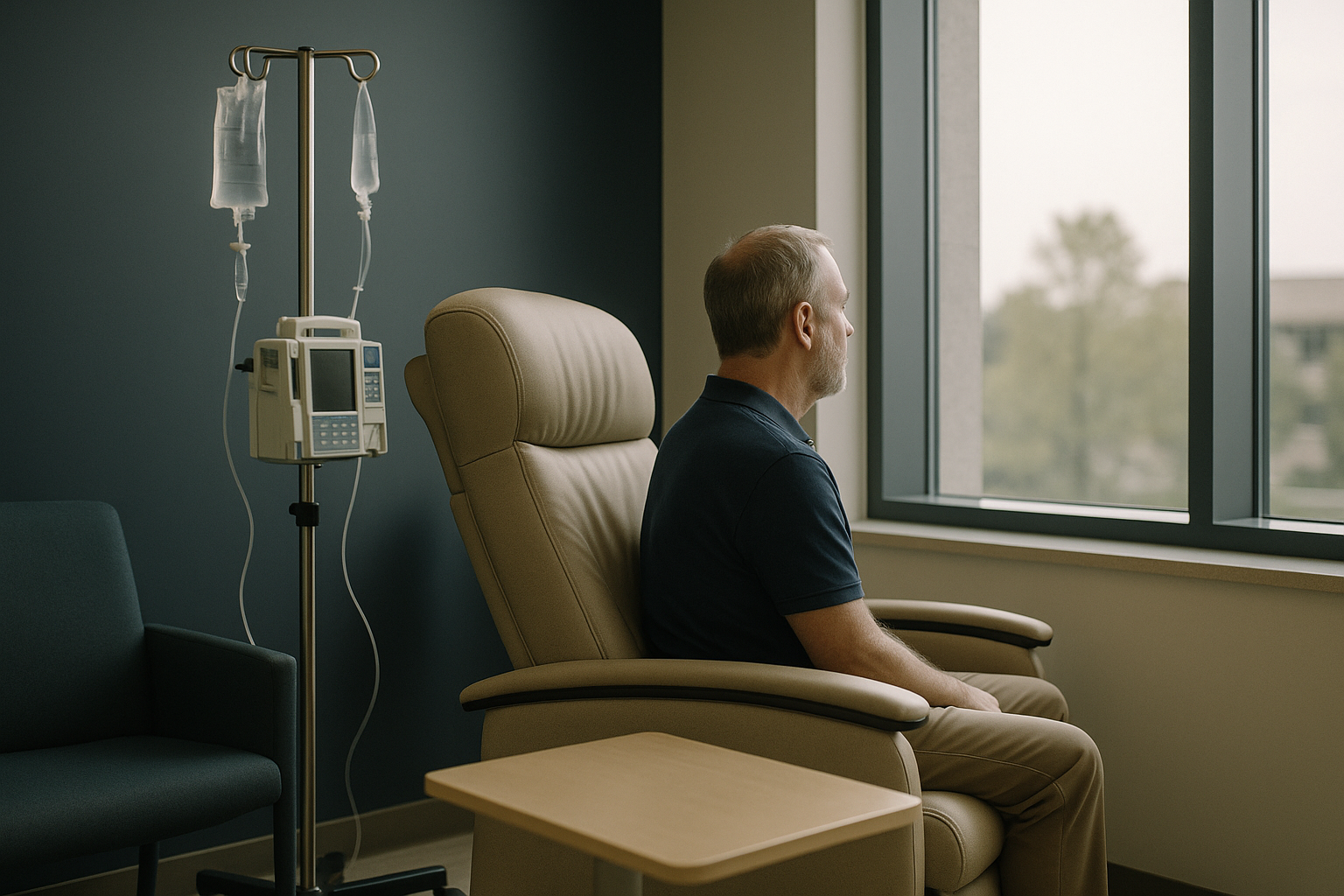
When considering the best cancer treatment in the world, several countries stand out for their advanced medical facilities, expert oncologists, and innovative therapies. Patients seeking treatment abroad typically look for destinations that combine high-quality care with comprehensive support systems.
Here, we explore the top global destinations for cancer treatments, providing practical guidance on what to expect in terms of procedures, costs, and safety.
What Makes a Country the Best for Cancer Treatment?
Several critical factors contribute to a country’s reputation as a top destination for cancer treatment. Foremost among these is the availability of state-of-the-art medical technology that enables accurate diagnosis and effective treatment plans. For instance, proton therapy centers, robotic surgery systems, and advanced imaging technologies are essential tools that enhance the precision and effectiveness of cancer treatments. A country that invests heavily in research and development, such as the United States, often leads in offering these innovative solutions.
In addition to technology, the presence of highly skilled medical professionals, including oncologists, radiologists, and surgeons, is crucial. These experts often have access to the latest training and research, allowing them to employ cutting-edge treatment strategies effectively. Countries that prioritize continuous medical education and international exchange programs tend to have healthcare professionals who are well-versed in the latest global medical practices, further improving patient outcomes.
Moreover, international accreditation by bodies such as the Joint Commission International (JCI) ensures that hospitals meet high standards of care, further cementing a country’s status as a top treatment destination. Accreditation acts as a benchmark for quality, requiring hospitals to adhere to stringent protocols in patient care, safety, and operational efficiency. This not only reassures patients about the quality of care but also ensures that they receive consistent treatment experiences across different facilities.
Furthermore, comprehensive care approaches that integrate conventional and complementary therapies can significantly improve patient outcomes. For example, countries like Germany emphasize personalized medicine, tailoring treatment plans to the genetic profile of the patient, which can lead to better success rates. This approach often involves genomic testing and precision medicine strategies that are designed to target specific cancer mutations, thereby increasing the efficacy of the treatment. Ultimately, what makes a country the best for cancer treatment is its ability to provide individualized care that considers a patient’s specific needs, cancer type, and overall health.
Which Countries Offer the Best Cancer Treatment?
The United States is often cited as offering some of the best cancer treatments in the world, thanks to its leading cancer research institutions and comprehensive care facilities. Hospitals such as the Mayo Clinic and MD Anderson Cancer Center are renowned for their innovative treatments, including immunotherapy and precision medicine, which are widely available. Precision medicine, for example, allows for treatments that are tailored to the genetic makeup of a patient’s cancer, increasing the likelihood of successful outcomes.
These institutions are at the forefront of cancer research, participating in numerous clinical trials that explore new drugs and therapies. For instance, MD Anderson Cancer Center offers over 1,200 clinical trials annually, providing patients access to cutting-edge treatments that may not yet be available in other parts of the world. Such opportunities for advanced treatment options make the U.S. a preferred destination for many patients seeking the best cancer treatment in the world.
Germany is another top destination, known for its advanced medical technology and personalized treatment plans. The country excels in offering integrated approaches that combine conventional treatments like chemotherapy and radiation with complementary therapies such as hyperthermia, which uses heat to enhance the effectiveness of cancer treatments. German hospitals are also well-versed in the use of cutting-edge technologies like proton therapy, making them a preferred choice for many international patients.
In addition to its technological advancements, Germany is recognized for its patient-centered approach to healthcare. Many German hospitals offer holistic treatment plans that include psychological support, nutrition counseling, and rehabilitation services, ensuring that patients receive comprehensive care throughout their treatment journey. Such integrative care models not only improve patient outcomes but also enhance the overall treatment experience by addressing all aspects of a patient’s well-being.
Japan also stands out due to its focus on early detection and the use of cutting-edge technologies. The country’s healthcare system prioritizes patient-centered care, ensuring high survival rates for many cancers. In Japan, advanced diagnostic techniques, such as PET scans and molecular imaging, are commonly used to detect cancer at an early stage, which can significantly improve treatment outcomes. Additionally, Japan’s emphasis on minimally invasive surgery and targeted therapies contributes to its reputation as a leader in cancer care.
Japan’s approach to cancer treatment is characterized by its use of technology and innovation. The country is a leader in developing new diagnostic modalities, such as liquid biopsies, which allow for the detection of cancer markers in blood samples. This non-invasive method is gaining popularity for its ability to detect cancer early and monitor treatment progress, offering patients a less burdensome alternative to traditional biopsy procedures. These advancements contribute to Japan’s standing as one of the top destinations for the best cancer treatment in the world.
How Much Does Cancer Treatment Abroad Cost?
The cost of cancer treatment abroad varies significantly depending on the country, type of treatment, and healthcare facility. In the United States, treatment can be expensive, with costs ranging from tens of thousands to hundreds of thousands of dollars. For instance, a full course of immunotherapy can range from $100,000 to $200,000, not including additional costs for hospital stays or supportive care. However, many patients find that the comprehensive care and advanced treatments available justify the higher costs.
In Germany, while still costly, treatment is generally more affordable than in the U.S., with many patients opting for private insurance coverage to manage expenses. For example, a typical course of chemotherapy might cost between $50,000 and $100,000, depending on the specific drugs used and the duration of treatment. Many German hospitals offer packages that include accommodation and transportation, which can help international patients manage their expenses more effectively.
- United States: $100,000 – $500,000
- Germany: $50,000 – $150,000
- Japan: $40,000 – $120,000
Japan offers competitive pricing, with a strong emphasis on quality care at reasonable rates. A comprehensive cancer treatment plan, including surgery, radiation, and chemotherapy, might range from $40,000 to $120,000, depending on the complexity of the case. Patients should consider additional expenses such as travel, accommodation, and post-treatment care when evaluating costs. Evaluating the total cost of treatment abroad requires careful planning and consideration of all potential expenses.
When planning for cancer treatment abroad, it is crucial to consider the value of the investment in terms of expected outcomes and quality of life improvements. Some patients opt for medical tourism companies that offer bundled packages, which can include medical treatment, lodging, and local transportation. This option can streamline the process and potentially reduce overall costs, providing a more predictable financial commitment. Additionally, patients should inquire about any available government subsidies or financial aid programs that might offset some treatment costs, thereby making the best cancer treatment in the world more accessible.
How to Ensure Safety and Accreditation in International Cancer Treatment
Safety is paramount when seeking cancer treatment abroad. Patients should look for hospitals accredited by recognized international bodies such as the Joint Commission International (JCI) or the International Organization for Standardization (ISO). These accreditations ensure that the healthcare facility adheres to stringent safety and quality standards, providing reassurance to patients about the level of care they will receive.
Researching the medical credentials of oncologists and the success rates of specific treatments is essential. Many top cancer hospitals offer detailed information about their services and patient outcomes online, which can be a valuable resource for prospective patients. Reviewing patient testimonials and interacting with patient support groups can provide additional insights into the experiences of others who have received treatment at the facility.
- Check for accreditation from bodies like JCI
- Review patient testimonials and success rates
- Consult with healthcare professionals about safety concerns
Patients are encouraged to communicate directly with hospitals to understand the safety protocols in place and to clarify any doubts about the treatment process. This includes asking about infection control measures, the availability of emergency services, and the hospital’s policy on managing complications. By taking these steps, patients can ensure that they are choosing a safe and accredited facility for their cancer treatment abroad.
To further enhance safety, patients should consider seeking a second opinion from a local oncologist before finalizing their treatment decision. This can provide additional assurance about the proposed treatment plan and highlight any potential areas of concern. Additionally, understanding the legal and regulatory framework of the country where treatment will be received is important, as it can affect patient rights and avenues for recourse in the event of medical malpractice. Being well-informed about these factors contributes to a safer and more secure treatment experience.
What is the Timeline for Receiving Cancer Treatment Abroad?
Planning and timing are crucial when seeking cancer treatment abroad. The timeline can vary based on the type of cancer, the chosen country, and the specific treatment required. Initial consultations and diagnostic tests may take several weeks. For example, in the United States, it might take one to two weeks to schedule an initial consultation with a specialist and another week for diagnostic tests to be completed.
Following diagnosis, treatment plans are typically developed within a few days to a week. Patients should also account for potential waiting times for specific therapies or surgeries, particularly in high-demand facilities. In countries like Germany, patients might experience waiting periods of up to two weeks for certain surgeries or specialized therapies, depending on the hospital’s schedule and the availability of medical equipment.
The entire process, from initial consultation to post-treatment recovery, can span several months. For instance, a patient undergoing chemotherapy might receive treatment over a three to six-month period, with additional time required for recovery and follow-up appointments. Patients are advised to discuss detailed timelines with their healthcare providers to ensure a smooth treatment journey and to make any necessary arrangements for extended stays abroad.
Patients should also consider the logistics of post-treatment care, which may include follow-up visits, rehabilitation, and ongoing monitoring. This is especially important for those who plan to return to their home country immediately after treatment. Arranging for seamless communication between the international treatment team and local healthcare providers can help ensure continuity of care and address any ongoing health needs. Understanding the full timeline and preparing accordingly can minimize disruptions and contribute to a successful treatment experience.
How to Prepare for Cancer Treatment Abroad?
Preparation is key to a successful treatment experience abroad. Patients should start by gathering all relevant medical records and understanding their treatment options. Consulting with local healthcare providers to get referrals or recommendations can be beneficial. It is also important to obtain a comprehensive medical summary, including pathology reports, imaging results, and treatment history, to share with the international medical team.
It’s essential to arrange travel logistics, including visas, accommodation, and transportation. Some countries offer services to assist international patients with these preparations. For example, many hospitals in Germany and Japan have dedicated international patient departments that can help with visa applications, finding suitable accommodation, and arranging airport transfers. Utilizing these services can greatly ease the logistical burden on patients and their families.
Financial planning is also crucial. Patients should explore insurance coverage options and set a budget for their treatment journey, considering all potential costs. This includes not only medical expenses but also living costs during their stay abroad. Some patients might choose to purchase international health insurance plans that cover treatment in foreign countries, which can provide added financial security. By preparing thoroughly, patients can focus on their treatment and recovery without the added stress of logistical challenges.
Additionally, patients should be cognizant of the cultural differences that may impact their treatment experience. Understanding local customs, language barriers, and healthcare norms can help ease the transition and improve communication with the medical team. Learning some basic phrases in the local language or hiring a translator can be particularly helpful. Preparing mentally and emotionally for the treatment journey is equally important, as it can help build resilience and maintain a positive outlook throughout the treatment process.
Conclusion: Making Informed Decisions for Cancer Treatment Abroad
Choosing the best cancer treatment in the world requires careful consideration of multiple factors, including the reputation of the healthcare system, cost, safety, and personal needs. By thoroughly researching and preparing for treatment abroad, patients can make informed decisions that enhance their chances of a successful outcome. This involves evaluating the quality of care, understanding the financial implications, and preparing for the realities of receiving treatment in a foreign country.
Ultimately, the goal is to find a treatment plan that offers the best chance of recovery and quality of life, supported by a healthcare system that prioritizes patient-centered care. Patients should seek out facilities that not only offer advanced medical treatments but also provide comprehensive support services, including psychological support, rehabilitation, and follow-up care. Making informed decisions involves careful planning, open communication with healthcare providers, and a willingness to explore all available options.
Patients are advised to take advantage of resources such as international patient coordinators and medical tourism agencies, which can provide valuable assistance in navigating the complexities of treatment abroad. Staying informed about ongoing advancements in cancer treatment and maintaining an open line of communication with the medical team are crucial components of a successful treatment journey. By being proactive and well-prepared, patients can maximize their chances of achieving the best possible outcomes in their fight against cancer.
Proven result
80 to 240 dental patients a month from France
High-volume dental clinic, Istanbul
Frequently asked questions
What is the best country for cancer treatment?
The best countries for cancer treatment often include the USA, Germany, and Japan, known for their advanced medical facilities and high success rates.
How can I ensure the safety of cancer treatment abroad?
Ensure the hospital is accredited by bodies like JCI and ISO, review success rates, and consult with healthcare professionals before proceeding.
What are the costs of cancer treatment in the USA?
Cancer treatment costs in the USA can range from $100,000 to $500,000, depending on the type and complexity of the treatment.
How long does cancer treatment abroad take?
The timeline varies based on the type of cancer and treatment, but the entire process can span several months from consultation to recovery.
What should I prepare for cancer treatment abroad?
Gather medical records, arrange travel logistics, and explore insurance and financial options to prepare for treatment abroad.
Related guides

Turkey Hospitals vs Local Hospitals Compared
A lower procedure quote can get a patient’s attention. It should not make the decision on its own.…

Patient Experience That Drives Trust and Growth
A patient who has already uploaded medical records, compared providers, and arranged time away from work is not…

What Is a Medical Travel Facilitator and Why Use One?
A lower treatment quote can look compelling until you try to compare what it actually includes: surgeon fees,…