
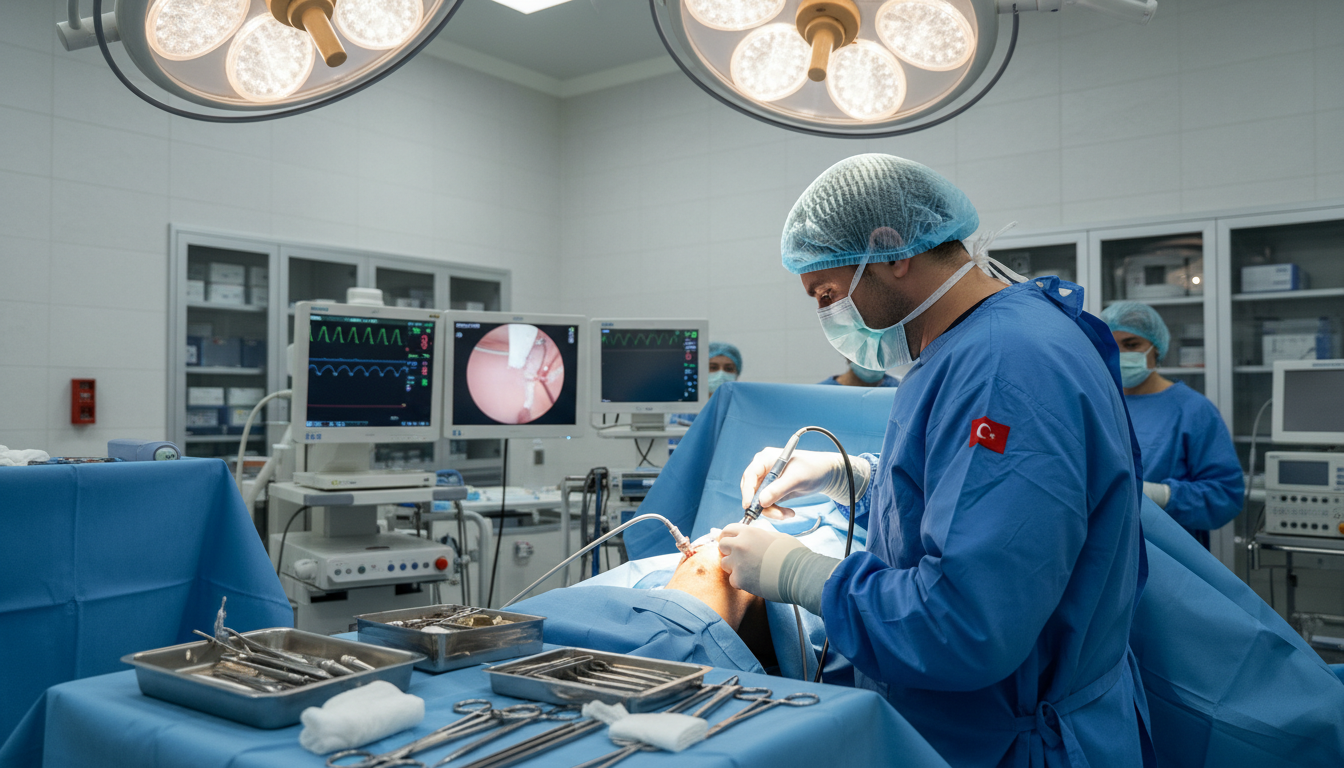
Many active people in the UK are now looking abroad for sports injury solutions. They choose Turkey for top-notch medical care and lower costs. This choice is driven by a desire for world-class clinical expertise and savings.
Opting for ACL Reconstruction Surgery in Turkey means getting access to cutting-edge technology. It also means working with skilled orthopaedic specialists. This choice helps athletes and active individuals get back to their favourite activities with confidence.
By focusing on both quality and affordability, patients can make their recovery smoother. This ensures their journey back to full health is as easy as possible.
Key Takeaways
- Turkey is a top choice for those seeking specialised orthopaedic care.
- It offers a unique mix of affordability and advanced medical standards.
- High-quality ACL Reconstruction Surgery helps people regain full mobility.
- Clinical teams in Turkey use the latest evidence-based practices for the best results.
- Choosing international care can lead to a faster recovery and a better quality of life.
Understanding the Anatomy and Function of the Anterior Cruciate Ligament
The knee joint is like a hinge, needing ligaments to stay strong. The anterior cruciate ligament (ACL) is key in keeping it stable. Many look into anterior cruciate ligament surgery to fix this.
The Role of the ACL in Knee Stability
The ACL connects the femur to the tibia. It stops the tibia from sliding too far forward. It also helps with rotational stability during movements.
Without a healthy ACL, the knee can feel unstable. This can lead to other injuries, like meniscal tears. Keeping the knee stable is what surgery aims to do.
Mechanisms of Injury in Professional and Amateur Sports
ACL injuries happen a lot in sports. They often occur during non-contact movements, like sudden stops or changes in direction. These actions put too much stress on the knee.
In sports like football, a sudden pivot can cause a tear. Amateur athletes are also at risk, mainly in high-impact sports without proper training. Knowing how injuries happen is important for those facing anterior cruciate ligament surgery.
Common Causes and Symptoms of ACL Injuries
Most ACL injuries happen during sports that need quick changes in direction. These sports put a lot of stress on the knee. Knowing these risks helps prevent injuries.
Recognising the Signs of a Torn Ligament
When an injury happens, the body usually gives a clear sign. Many people hear or feel a distinct pop in their knee. This is followed by swelling that makes it hard to stand or balance.
After the pain, you might feel your knee is unstable. This feeling is a big sign that something is wrong. If you feel this, stop moving and see a doctor right away.
Diagnostic Procedures and Imaging Techniques
Getting a diagnosis starts with a doctor’s exam. The doctor will do tests like the Lachman test to check the ligament. These tests help find out if the ACL is damaged.
To really see what’s wrong, doctors use imaging. An MRI scan shows soft tissues clearly. It helps doctors plan the best way to fix your injury.
| Symptom or Procedure | Primary Characteristic | Clinical Significance |
|---|---|---|
| Audible Pop | Sudden sound at impact | High indicator of ligament rupture |
| Joint Swelling | Rapid fluid accumulation | Signals internal trauma |
| Physical Exam | Manual stress testing | Confirms mechanical instability |
| MRI Scan | High-resolution imaging | Definitive diagnosis of tear severity |
The Importance of Timely Knee Injury Treatment
It’s vital to treat a knee injury quickly to keep your joint healthy for the long term. When your knee gets hurt, your body tries to make up for the lost stability. Getting knee injury treatment early can stop the injury from getting worse and keep you moving well.
Risks of Delaying Surgical Intervention
Many people wait, hoping the pain will go away by itself. But waiting too long for anterior cruciate ligament surgery can cause more harm. Without a stable ligament, your knee bones might move the wrong way.
This can lead to painful tears in the meniscus and wear down the cartilage faster. These problems can cause osteoarthritis to start early. Getting help early is the best way to keep your knee strong.
Non-Surgical Management Versus Surgical Repair
Some people start with physiotherapy, but it has its limits, mainly for those who are active. Physio can make the muscles stronger, but it can’t replace the stability of a new ligament. Surgery is a more definitive solution for those wanting to play sports again.
| Feature | Non-Surgical Management | Surgical Repair |
|---|---|---|
| Primary Goal | Muscle strengthening | Mechanical stability |
| Return to Sport | Often restricted | High success rate |
| Joint Protection | Moderate | High |
| Recovery Time | Variable | Structured protocol |
Choosing the right treatment depends on how active you are and how bad the tear is. Talking to an orthopaedic specialist can help decide if anterior cruciate ligament surgery is right for you. Good knee injury treatment is key to a successful recovery.
Why Turkey Has Become a Hub for Orthopaedic Surgery
Turkey has become a top choice for medical tourism, including orthopaedic surgery. People from the UK are picking Turkey for its top-notch care and good prices.
This rise is not by chance. Turkey has focused hard on improving its healthcare. It has put a lot of effort into making sure patients get the best care and results.
Investment in Modern Medical Infrastructure
Turkey has invested a lot in modern hospitals. These places have the latest technology for orthopaedic surgery.
These hospitals are designed for comfort and safety. They have advanced imaging technology and top-notch operating rooms. This means surgeons can do very detailed and precise surgeries.
Accreditation Standards for Turkish Hospitals
Turkish hospitals stick to very high international standards. Many have big names like the Joint Commission International (JCI) accreditation. This shows they follow strict safety rules.
These accreditation standards make patients feel secure. They know they will get top-quality care. Turkish clinics follow global standards from start to finish.
This focus on quality builds trust with patients from abroad. Continuous monitoring and improvement keep Turkey’s medical reputation high.
The Surgical Procedure for ACL Reconstruction Explained
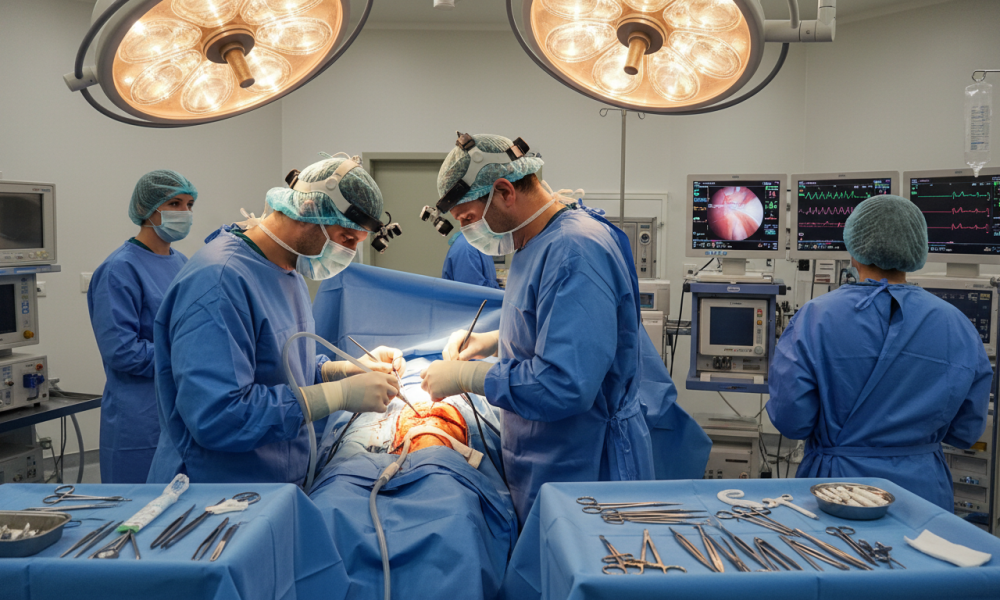
Modern orthopaedic medicine has made the surgical procedure for ACL better. It ensures your knee is stable and healthy for a long time. Knowing the details of the surgery can make you feel more confident.
Before you choose a clinic, it’s good to know how to pick the right one. A guide to choosing the right orthopedic clinic in Turkey can help you get top-notch care.
Graft Selection Options for Knee Ligament Repair
The success of knee ligament repair depends on the graft used. Surgeons often use autografts, which come from the patient’s own body. The most common are the hamstring tendon and the patellar tendon.
Each graft has its own benefits. Your surgeon will talk about these during your pre-op visit. They will help choose the best graft for you.
| Graft Type | Source Location | Primary Benefit |
|---|---|---|
| Patellar Tendon | Knee cap area | Excellent bone-to-bone healing |
| Hamstring Tendon | Back of the thigh | Less donor site morbidity |
| Quadriceps Tendon | Above the knee | High strength and versatility |
Step-by-Step Overview of the Operation
The surgical procedure for ACL uses minimally invasive arthroscopic techniques. This method lets the surgeon see inside the joint through small cuts. It causes less damage to the surrounding tissues.
First, the surgeon removes the damaged ligament and prepares the area for the new graft. Then, they drill precise tunnels in the femur and tibia for the graft.
After placing the graft, it’s secured with advanced devices like screws or buttons. This keeps the new ligament stable while it heals. After the knee ligament repair, the incisions are closed. The patient then starts their recovery under professional care.
Advanced Techniques in Knee Joint Reconstruction
Medical technology has greatly improved knee joint reconstruction. Surgeons now use high-definition images and precise tools. This makes the surgical procedure for ACL repair more successful than ever.
Minimally Invasive Arthroscopic Approaches
Minimally invasive arthroscopic surgery has changed recovery for many. Surgeons use small openings instead of big cuts. This reduces tissue damage and scarring.
Patients can move faster after these surgeries. The muscles and ligaments around the knee are less disturbed. This makes recovery easier. Now, this method is the top choice for surgical procedure for ACL repair.
Innovations in Fixation Devices
Modern knee joint reconstruction needs strong graft support during healing. New fixation devices, like bio-absorbable screws, offer great strength. They keep the graft in place while the body heals.
These devices support the graft during early exercises. They help patients start moving sooner without risking the repair. Below is a comparison of old and new surgical methods.
| Feature | Traditional Surgery | Modern Arthroscopic Surgery |
|---|---|---|
| Incision Size | Large (Open) | Small (Keyhole) |
| Recovery Time | Extended | Accelerated |
| Scarring | Significant | Minimal |
| Fixation Strength | Standard | High-Precision |
Selecting the Right Surgeon and Clinic in Turkey
Finding a qualified surgeon in Turkey for your ACL Reconstruction Surgery is key. It’s a complex procedure that needs a skilled specialist. Make sure your medical team is up to the task to feel confident in your recovery.
Verifying Surgeon Credentials and Experience
First, check if your surgeon is board-certified in orthopaedic surgery. Look for those who are part of respected medical associations. These groups set high standards for their members.
Also, ask about their experience with knee ligament repairs. A surgeon who does many of these surgeries is likely to be very good. Ask about their success rates and how they handle injuries like yours.
Evaluating Patient Reviews and Success Rates
Reading patient testimonials can give you a good idea of a clinic’s quality. Look for feedback that covers the whole experience, from the first visit to aftercare. Consistency in positive reviews is important.
While results can vary, seeing many positive outcomes is a good sign. Also, check if the clinic is accredited by international bodies. This means they follow strict safety rules. Use the table below to compare different clinics.
| Criteria | What to Look For | Why It Matters |
|---|---|---|
| Board Certification | Specialist in orthopaedic surgery | Ensures formal training |
| Procedure Volume | High number of ACL cases | Demonstrates technical skill |
| Patient Feedback | Consistent positive reviews | Reflects quality of care |
| Facility Accreditation | International standards (e.g., JCI) | Guarantees safety protocols |
Preparing for Your Medical Trip from the United Kingdom
Traveling from the United Kingdom for medical care is easy when you’re prepared. Focus on the details early to make your journey for knee joint reconstruction smooth and efficient.
Logistics and Travel Arrangements for UK Patients
Top clinics in Turkey offer packages that make travel easy. These include airport transfers, nearby accommodation, and support staff to help you.
Book flights to arrive a day before your surgery. This lets you rest and get ready for your knee injury treatment. Also, check your return flight dates with your surgeon to match your recovery.
Pre-Operative Consultations and Medical Clearance
Before leaving, you’ll have virtual meetings with your team. They’ll review your health history and discuss your knee joint reconstruction goals. Be ready to share MRI scans and GP reports.
Getting medical clearance is key. Your surgeon will check if you’re fit for the surgery. This step reduces risks and makes sure your team knows your health needs.
What to Expect During Your Hospital Stay
Starting your knee surgery recovery in a private room is the first step. Patients from the UK often say the care in Turkish hospitals is better than they expected. They find a tranquil and professional place to heal.
Nursing Care and Multidisciplinary Support
After your surgical procedure for ACL, a dedicated nursing team will watch over you. They are ready to check your vital signs and help with any urgent needs 24/7.
You’ll also get help from a multidisciplinary support system. This team includes orthopaedic specialists, physiotherapists, and patient coordinators. They work together to help you get better. If you’re looking at medical treatment options, this teamwork is a key part of Turkish healthcare.
Pain Management Strategies Post-Surgery
Managing pain well is very important in the first part of your recovery. Doctors use both intravenous and oral painkillers to keep you comfortable while you rest.
The team will check on you often to adjust your pain treatment as needed. This helps you focus on healing without too much pain. It also helps avoid any problems and keeps your surgical procedure for ACL on track from the start.
Post-Operative Care and Immediate Knee Surgery Recovery
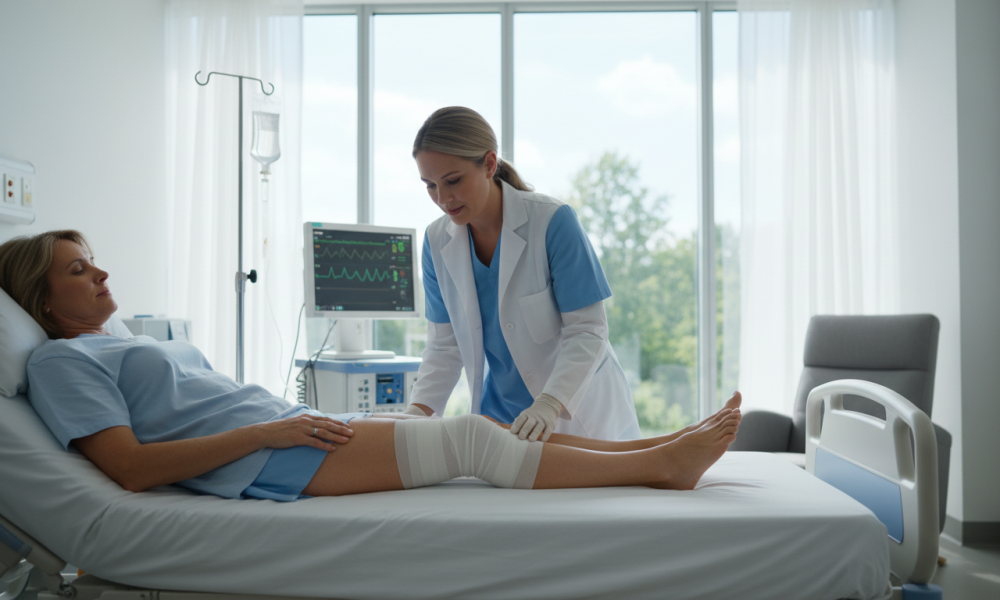
The first week after your surgery is key for reducing swelling and getting basic movement back. Your hard work in these early days is critical for a good knee surgery recovery. By listening to your doctor, you can lessen pain and get your joint ready for the next steps.
Managing Swelling and Mobility in the First Week
Reducing swelling is the main goal in the first week. Rest and elevating your leg can help. Using ice packs as your doctor suggests will also help with pain.
It’s important to balance rest with gentle movement. You might need to use crutches to protect the graft. Sticking to these rules is key to keeping your new ligament stable.
- Keep the leg elevated above the level of your heart to reduce swelling.
- Apply cold therapy packs for 15 to 20 minutes every few hours.
- Follow your surgeon’s specific instructions regarding weight-bearing status.
- Monitor your incision site for any signs of infection or excessive redness.
Early Physiotherapy Exercises
Being active in your rehab is vital for a good outcome. Your physio will teach you simple exercises to avoid stiffness and keep muscles active. These exercises are essential for your knee surgery recovery.
You’ll start with basic exercises and gentle movements. These help the quadriceps and improve blood flow. Doing these exercises every day helps your knee ligament repair succeed.
Comprehensive Sports Injury Rehabilitation Protocols
Getting back to normal after knee surgery recovery needs a dedicated rehabilitation plan. A structured approach helps your joint regain its full strength and flexibility. This is key for a successful recovery.
Phases of Recovery and Strength Building
The recovery journey has different stages, starting with protecting the knee and ending with high-intensity activities. At first, the goal is to reduce swelling and improve basic movement. This is done through gentle, controlled exercises.
Later, the focus shifts to progressive strength building and improving muscle control. This stage is critical for teaching the muscles around the knee to support it during various activities. Consistency is the key to a safe and effective recovery.
Working with Physiotherapists for Optimal Results
Having a professional sports injury rehabilitation plan is vital for a safe return to activities you love. A skilled physiotherapist will watch your progress and adjust exercises as needed. They tailor the plan to your healing pace.
They offer the knowledge to avoid setbacks that could slow down your knee surgery recovery. With their help, you learn the right way to move. Professional guidance lowers the chance of future problems and boosts your confidence in your physical abilities.
Comparing Costs and Quality of Care Between the UK and Turkey
When planning for ACL Reconstruction Surgery, the cost difference between the UK and Turkey is key. The National Health Service in the UK offers great care but has long waiting lists. This leads many to look for private options abroad. It’s important to understand the costs to make a good choice for your health.
Financial Considerations for International Patients
Medical tourism is driven by the lower costs in Turkish clinics. The total cost for surgery, including hospital and surgeon fees, is often much less than in the UK. Despite the lower prices, Turkish clinics maintain high standards of care.
Patients can budget well for their knee injury treatment thanks to clear pricing. A reputable clinic will give a detailed quote for the whole surgery. This makes planning less stressful.
Value-Added Services in Turkish Medical Packages
Turkish medical providers stand out by including all-inclusive packages. These packages often include luxury accommodation, private airport transfers, and a patient coordinator. This means you can focus on getting better without worrying about the details.
The table below shows the main differences between UK private care and Turkish packages:
| Service Feature | UK Private Care | Turkish Medical Package |
|---|---|---|
| Surgical Expertise | High | High |
| Airport Transfers | Not Included | Included |
| Patient Coordinator | Limited | Dedicated 24/7 |
| Accommodation | Separate Cost | Included |
By adding these extra services, clinics make the knee injury treatment journey smooth. This is why many choose Turkey for their ACL Reconstruction Surgery. The mix of top-notch medical care and support makes Turkey a great choice for patients.
Managing Risks and Ensuring Patient Safety Abroad
Choosing to have orthopaedic surgery abroad means focusing on the quality of care and safety. It’s important to find accredited facilities to reduce risks. This ensures your safety during complex procedures.
Infection Control and Post-Surgical Monitoring
Hospitals in Turkey have strict infection control, similar to the UK. They use advanced clean theatres and strict hygiene. This lowers the risk of problems during anterior cruciate ligament surgery.
They also have systems to watch your health closely. This means any problems are caught early by experts. You can trust that your care is top-notch.
Communication and Continuity of Care
It’s key to keep in touch with your surgical team and local doctor. Before you go, make sure your doctor gives you full medical reports. This helps your UK physiotherapist understand your treatment.
Good care after surgery means clear medical records and instructions. Your local doctors can then help with your recovery. This teamwork makes sure you get the best care after you’re back home.
| Safety Feature | Standard Practice | Patient Benefit |
|---|---|---|
| Infection Control | ISO Certified Protocols | Reduced complication risk |
| Monitoring | 24/7 Clinical Oversight | Early issue detection |
| Communication | Detailed Medical Records | Seamless UK follow-up |
| Continuity | Direct Surgeon Liaison | Consistent recovery plan |
Long-Term Outcomes and Returning to Physical Activity
Getting back to your favourite sports is a big goal after a knee ligament repair. The first healing phase is key, but your long-term success also depends on your dedication. You need patience, expert advice, and to know your body’s limits.
Setting Realistic Milestones for Return to Sport
Think of your recovery as a long journey, not a quick race. Most experts suggest a step-by-step approach. You should only move forward when you’ve reached certain strength and stability goals. Hurrying can harm your graft and cause setbacks.
Your sports injury rehabilitation plan should have clear, achievable goals. These might include:
- Having full movement without pain or swelling.
- Showing equal muscle strength in both legs.
- Passing tests like single-leg hops or agility drills.
- Getting the green light from your orthopaedic specialist.
Preventing Re-Injury Through Proper Conditioning
Keeping your surgery results means constant effort. Even after you’re back playing, keep up with consistent conditioning to protect your knee. Skipping strength training can make your knee more prone to injury.
To keep your joint healthy, remember these important steps:
- Maintain core and glute strength: These muscles help keep your knee stable during intense activities.
- Focus on landing mechanics: Good jumping and pivoting technique helps avoid putting too much strain on the ligament.
- Prioritise warm-ups: Always do dynamic stretching and activation exercises before intense physical activities.
- Listen to your body: If you feel ongoing pain or swelling, reduce your activity and talk to your physiotherapist right away.
By making these habits part of your life, you can have a safe and active future. Sports injury rehabilitation is the start, but your daily efforts are what keep you successful after a knee ligament repair.
Conclusion
Choosing Turkey for your medical journey is a smart move. It offers top-notch surgical skills and modern facilities. Patients from the UK find knee joint reconstruction both affordable and of high quality here.
Advanced technology supports a successful recovery. This means you can get back to your favourite activities sooner.
Recovery success depends on your commitment to a structured plan. Professional sports injury rehabilitation helps your knee regain strength and stability. This dedication turns surgery into a long-term win for your health.
Your journey to mobility begins with making informed choices and seeking expert advice. Contact top clinics in Istanbul or Antalya to talk about your needs. Taking this step ensures your future performance and lets you move with confidence again.
FAQ
Q: Why is Turkey considered a leading destination for ACL Reconstruction Surgery among UK patients?
A: Turkey is a top choice for orthopaedic surgery thanks to its modern medical setup and low prices. The Acıbadem Healthcare Group and Memorial Hospitals Group offer top-notch care at a lower cost than in the UK. Patients get JCI-accredited care and surgeons with UK or USA training, ensuring high-quality knee ligament repair.
Q: What is the primary function of the anterior cruciate ligament, and how is it injured?
A: The anterior cruciate ligament keeps the knee stable. It stops the shin bone from sliding in front of the thigh bone. Injuries often happen during sports, like football or rugby, when players suddenly change direction or land awkwardly. This can cause a complete tear, needing anterior cruciate ligament surgery to fix the knee.
Q: What are the immediate signs that I might require knee injury treatment for an ACL tear?
A: Patients often hear a ‘pop’ in their knee when it happens. Then, they notice swelling and feel like the knee is unstable. Doctors use tests like the Lachman test and MRI scans to check the damage before surgery.
Q: Why should I not delay my surgical procedure for ACL?
A: Waiting too long can cause more problems in the knee. An unstable knee can lead to other injuries or arthritis. Getting surgery early helps keep the knee healthy and makes recovery easier.
Q: What does the surgical procedure for ACL reconstruction involve?
A: The surgery uses minimally invasive arthroscopic methods. The surgeon replaces the torn ligament with a graft from the patient’s own tissue. They use special tools to secure the graft, making the recovery faster and with less scarring.
Q: How long is the typical knee surgery recovery and rehabilitation period?
A: Recovery is a long process. The first week focuses on swelling and basic movement. By two to four weeks, most patients can stop using crutches. But, full recovery and getting back to sports takes six to nine months. This time is needed to build strength and control.
Q: How do Turkish hospitals ensure patient safety for international orthopaedic surgery?
A: Turkish clinics follow strict international patient safety goals. They have strict infection control, use ISO-certified equipment, and monitor patients closely. They also have coordinators to help with communication between Turkey and the UK, ensuring care continues smoothly.
Q: What value-added services are included in Turkish knee joint reconstruction packages?
A: Most packages for ACL Reconstruction Surgery in Turkey are all-inclusive for UK patients. They cover the surgery, hospital fees, tests, and MRI imaging. They also include hotel stays, airport transfers, and initial physiotherapy sessions, making the experience stress-free.
Q: Can I return to professional-level sports after knee ligament repair?
A: Yes, most patients can get back to their sports level after proper care. Success depends on the surgeon’s skill and the patient’s dedication to rehabilitation. Working with a physiotherapist is key to a safe return to sports.
Related guides

Healthcare Content Compliance Guide for Growth
A high-performing treatment page can generate international patient inquiries within hours. It can also create material risk if…

Turkey Hospitals vs Local Hospitals Compared
A lower procedure quote can get a patient’s attention. It should not make the decision on its own.…

Patient Experience That Drives Trust and Growth
A patient who has already uploaded medical records, compared providers, and arranged time away from work is not…