
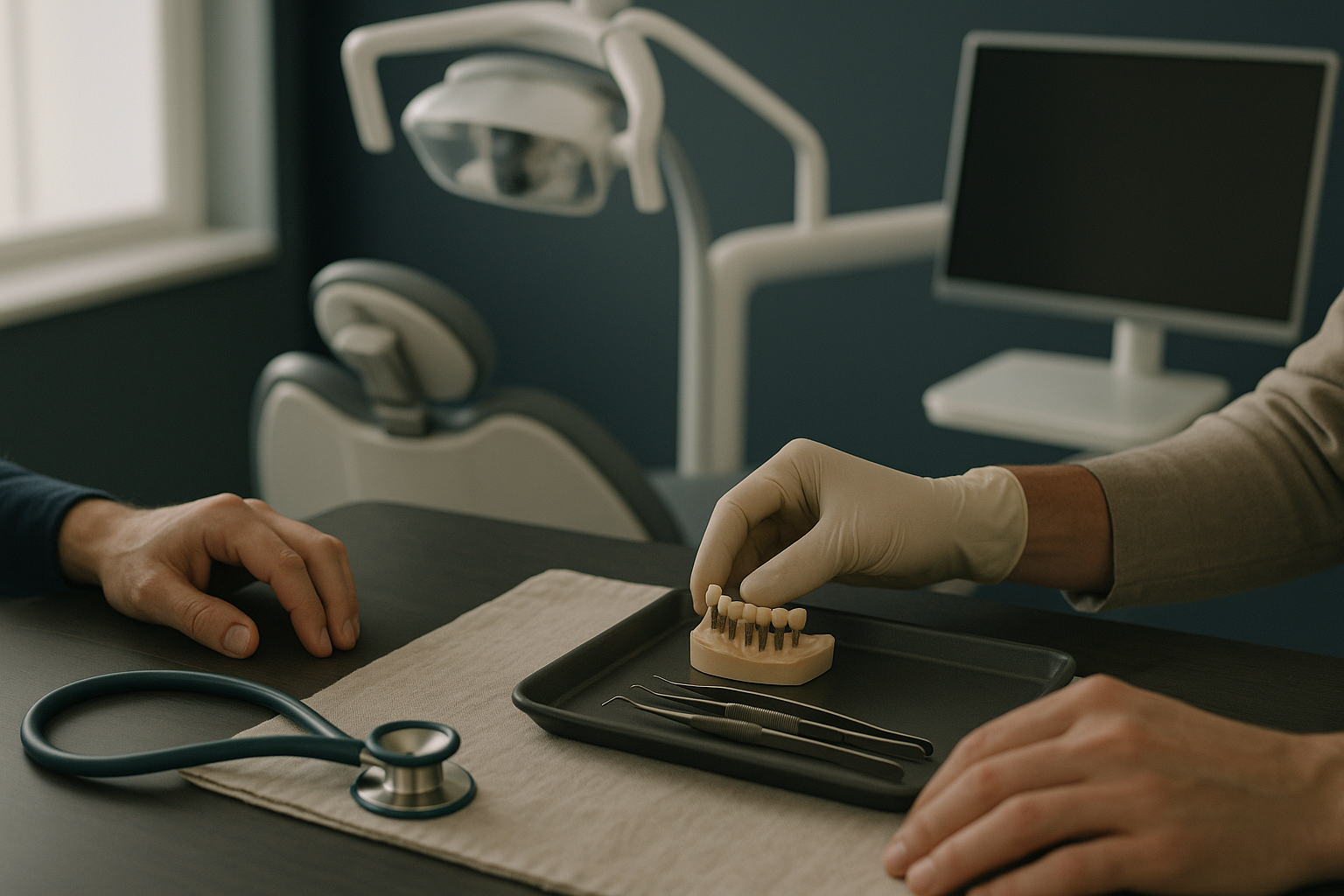
Understanding the cost of All-on-4 dental implants is crucial for prospective international patients. These implants offer a permanent solution for missing teeth, but understanding their financial implications is essential. This article provides a detailed analysis of costs, timelines, and safety measures.
What are All-on-4 Dental Implants?
All-on-4 dental implants represent a groundbreaking advancement in restorative dentistry, designed to provide individuals with a comprehensive solution for significant tooth loss. This innovative procedure involves the strategic placement of four dental implants within the jawbone to support an entire arch of prosthetic teeth. Such a method is often favored due to its efficiency and effectiveness, offering patients a stable and long-lasting solution to their dental woes.
The All-on-4 technique deviates from traditional implant methods, which typically require more implants and thus longer treatment durations. By utilizing only four implants, this procedure reduces the complexity, surgical time, and recovery period for patients, while still delivering comparable aesthetic and functional outcomes. This makes it an appealing choice for many, especially those looking to minimize their time in the dental chair.
Individuals considering All-on-4 dental implants should be well-informed about the procedure’s benefits and costs. Beyond improving oral health, these implants can significantly enhance one’s quality of life by restoring the ability to eat, speak, and smile with confidence. It is crucial for patients to weigh these advantages against the financial investment required, ensuring that they are prepared for both the immediate and long-term commitments involved.
How Much Do All-on-4 Dental Implants Cost?
The cost of All-on-4 dental implants can vary significantly based on several factors such as geographic location, the expertise of the dental clinic, and the range of services included. Typically, the cost per arch ranges from $15,000 to $30,000 in the United States, with prices potentially lower in countries with reduced healthcare costs. In regions like Mexico or Eastern Europe, patients might find procedures priced between $10,000 and $20,000, making these destinations attractive for dental tourism.
However, when considering international options, patients must account for additional expenses such as travel, accommodation, and potential follow-up visits. These can add $3,000 to $5,000 to the overall budget, depending on the distance and duration of the stay. It is important to calculate these costs comprehensively to avoid unexpected financial burdens.
Consulting multiple providers and obtaining detailed quotes is essential. Some clinics offer package deals that cover not only the procedure but also accommodation and transportation, which can be particularly beneficial for international patients. These packages often include several days of recovery stay at a nearby facility, ensuring that patients receive adequate postoperative care and support. By thoroughly examining these options, patients can make informed decisions that align with their financial and personal needs.
What is the Timeline for All-on-4 Dental Implants?
The timeline for All-on-4 dental implants involves several critical stages, typically spanning several months. It begins with initial consultations and pre-surgery assessments, where dental professionals evaluate the patient’s oral health, bone density, and overall suitability for implants. This phase can include diagnostic imaging such as X-rays or CT scans to ensure precise planning.
The surgical procedure itself generally occurs over one or two days. During this time, the dental surgeon places the four implants strategically in areas of the jaw where bone density is sufficient to support the prosthetics. This phase requires precision and skill to ensure optimal placement and stability.
Post-surgery, patients enter a healing period that can last three to six months. During this time, the implants undergo osseointegration, a process where they fuse with the jawbone to create a stable foundation for the prosthetic teeth. Temporary prosthetics are often provided during this healing phase to maintain functionality and aesthetics, allowing patients to go about their daily lives with minimal disruption.
Once osseointegration is complete, final prosthetic teeth are fitted. Patients should plan carefully for this timeline, especially if traveling internationally, to accommodate the necessary follow-up visits and ensure successful outcomes. Understanding the entire process helps in aligning expectations and preparing for the logistical aspects of travel and recovery.
How to Ensure Safety and Accreditation?
Ensuring safety and accreditation is a paramount concern for anyone considering All-on-4 dental implants, particularly for international patients unfamiliar with local healthcare regulations. The first step is to verify that the clinic is accredited by recognized international dental associations, which assures adherence to high standards of hygiene, patient care, and procedural success rates.
- Verify the credentials and experience of the dental surgeon. Look for surgeons with extensive experience in performing All-on-4 procedures and those who have received specialized training in implant dentistry.
- Ensure the clinic utilizes modern technology and adheres to international safety standards. This includes the use of advanced imaging techniques for precise implant placement and the employment of sterilization protocols that meet global health guidelines.
- Read patient reviews and testimonials to gauge the clinic’s reputation. Online reviews and patient testimonials can provide insights into the quality of care and the overall patient experience at a given clinic.
Accreditation is crucial as it ensures the clinic maintains rigorous standards that protect patient safety and enhance the likelihood of successful outcomes. For international patients, it is wise to engage with a medical tourism facilitator or consultant who can assist in vetting potential providers and navigating the complexities of receiving medical care abroad. This added layer of scrutiny can provide peace of mind and help ensure that patients receive the highest quality of care.
How Does Allianz Travel Insurance Support Medical Travellers?
Allianz travel insurance offers a comprehensive suite of benefits tailored to the needs of medical travelers, providing essential coverage for unforeseen circumstances that may arise during treatment abroad. This coverage can include protection against unexpected cancellations, medical emergencies, and even certain aspects of dental treatment, ensuring that patients are financially safeguarded during their healthcare journey.
For instance, in the event of a medical emergency that requires treatment beyond what was initially planned, Allianz travel insurance can cover additional expenses, such as extended hospital stays or emergency medical evacuation. This is particularly valuable for patients undergoing complex procedures like All-on-4 dental implants, where complications, although rare, can occur.
Patients are advised to thoroughly review their insurance policy to understand the extent of coverage, paying particular attention to any exclusions or limitations related to dental procedures. Engaging with an insurance advisor can provide clarity on the terms of the policy and help ensure that the coverage meets the specific needs of the patient.
Overall, having a reliable travel insurance policy in place can offer peace of mind and financial protection, allowing patients to focus on their treatment and recovery without the added stress of potential financial pitfalls. This safety net is an important consideration for anyone traveling abroad for medical care, ensuring that they are protected against the unpredictable nature of healthcare journeys.
What Are the Alternatives to All-on-4 Dental Implants?
While All-on-4 dental implants are a popular choice for many seeking comprehensive restoration of their oral health, there are several viable alternatives for those who may require different solutions. Each alternative has its own set of advantages and drawbacks, making it crucial for patients to consult with their dental professional to determine the best option for their specific needs.
| Option | Pros | Cons |
|---|---|---|
| Traditional Implants | Highly stable and long-lasting, ideal for replacing individual teeth or smaller sections. | More invasive procedure, longer treatment time due to the need for more implants and healing phases. |
| Dentures | Less invasive and removable, providing an affordable solution for full arch replacement. | Less stable than fixed implants, requires regular maintenance and adjustments. |
| Bridges | Non-surgical and quick to install, bridges can effectively replace missing teeth without extensive procedures. | Less durable than implants, can impact adjacent teeth and may require future replacements. |
Each option presents unique considerations, such as the patient’s dental health, budget, and personal preferences. For instance, younger patients with healthy bone density might prefer traditional implants for their longevity, whereas older patients might opt for dentures due to their non-invasive nature. Dental professionals can provide valuable insights into which solution best aligns with the patient’s lifestyle and long-term oral health goals, ensuring that they make an informed decision that meets their expectations and needs.
Conclusion
Opting for All-on-4 dental implants is a significant decision that involves careful consideration of costs, timelines, and safety measures. Prospective international patients should conduct thorough research and consult with multiple providers to make an informed decision.
With proper planning and the right support, including travel insurance, patients can achieve successful outcomes and improved quality of life through this advanced dental procedure. By understanding the full scope of the process, from initial consultation to final restoration, patients can confidently embark on their journey to enhanced oral health and aesthetic satisfaction. The investment in All-on-4 dental implants can yield transformative results, empowering individuals to reclaim their smiles and live their lives with renewed confidence and comfort.
Proven result
80 to 240 dental patients a month from France
High-volume dental clinic, Istanbul
Frequently asked questions
How can hospitals use PSWP internally for patient safety?
Hospitals can utilise Patient Safety Work Product (PSWP) to analyse and improve patient safety by identifying trends and developing safety protocols.
How do I stop calls from a healthcare enrolment centre?
To stop calls, you can register your number with a Do Not Call list and directly request the centre to remove your number from their call list.
What time does United Healthcare call centre open?
United Healthcare call centre typically opens at 8:00 AM local time, but it’s best to check their official website for specific hours in your region.
How does AI reduce healthcare call centre costs?
AI reduces costs by automating routine inquiries, providing 24/7 service, and increasing efficiency through intelligent data management and predictive analytics.
Related guides

What Is a Medical Travel Facilitator and Why Use One?
A lower treatment quote can look compelling until you try to compare what it actually includes: surgeon fees,…

What Hospital Accreditation Reviews Really Tell You
A hospital can have polished facilities, prominent surgeons, and hundreds of five-star ratings, yet those signals do not…

International Patient Onboarding Guide for Hospitals
An international patient inquiry is not simply a lead. It is a person weighing a major medical decision…