
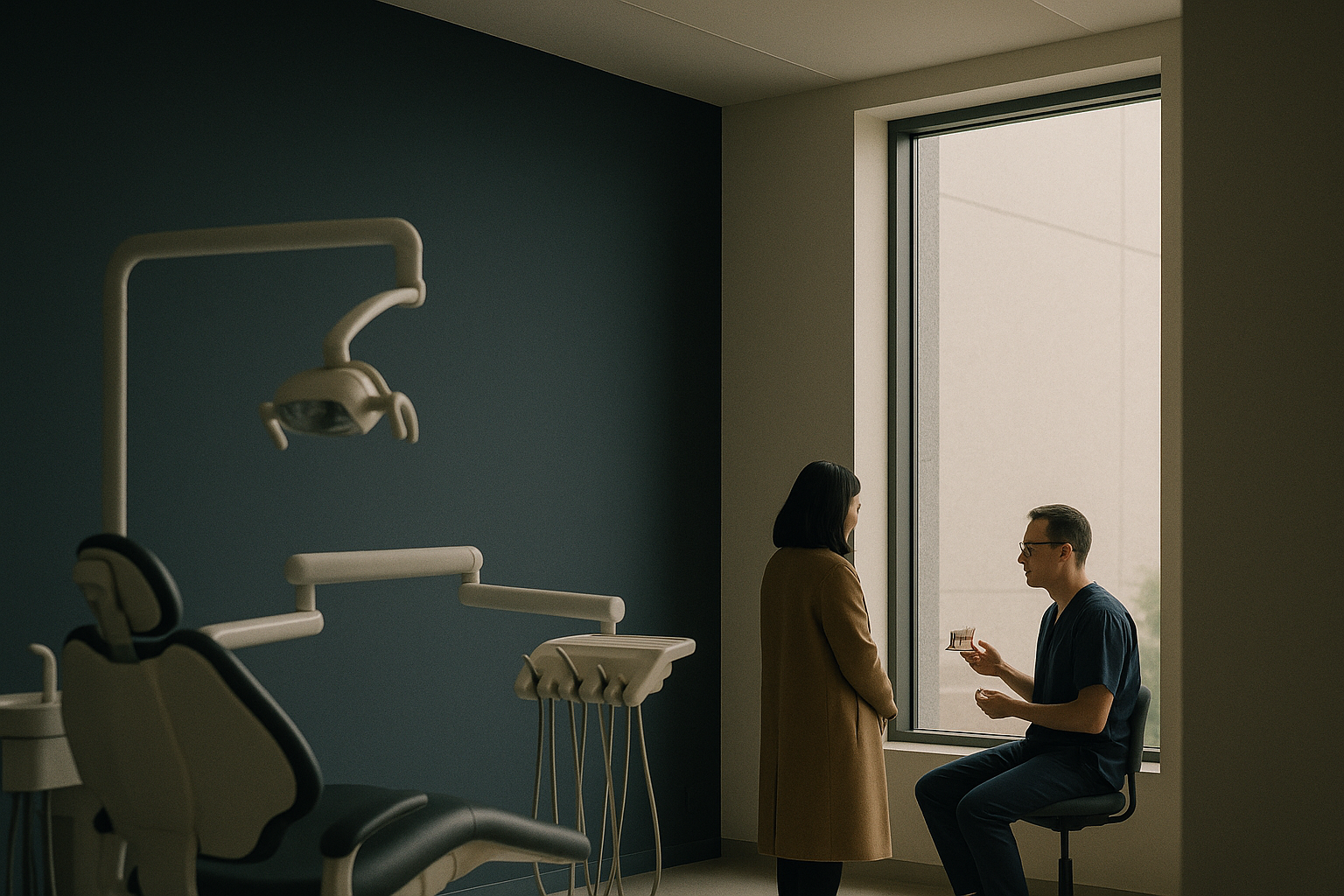
All on 4 implants are revolutionising dental restorations by providing a full-arch solution with just four implants. This technique is known for its efficiency and cost-effectiveness, making it a popular choice for those seeking dental rehabilitation abroad. This article delves into the practical aspects of all on 4 implants, offering insights into costs, procedures, and post-operative care.
What Are All on 4 Dental Implants?
All on 4 dental implants represent a significant advancement in dental restoration techniques, designed to replace an entire arch of teeth using only four strategically placed implants. This method contrasts with traditional dental implants, which typically require a separate implant for each missing tooth, thus involving a more invasive and prolonged surgical procedure. The all on 4 approach not only simplifies the surgical process but also significantly reduces recovery time, making it an attractive option for patients with extensive tooth loss.
The process begins with a comprehensive evaluation of the patient’s oral health and bone density. This assessment is crucial to determine whether the patient has sufficient bone support for the implants. For those with adequate bone structure, the procedure can proceed without the need for additional interventions such as bone grafting. The implants are placed with two positioned anteriorly and two posteriorly at an angle, which maximizes the use of available bone and provides superior stability.
This technique is particularly beneficial for individuals who have experienced significant bone resorption, as it often eliminates the need for bone augmentation procedures. By angling the posterior implants, dental professionals can avoid critical anatomical structures, such as the sinus cavities in the upper jaw, which further simplifies the procedure. Ultimately, patients are provided with a stable, aesthetically pleasing set of teeth that not only restores oral function but also enhances facial aesthetics, contributing to improved confidence and quality of life.
How Much Do All on 4 Dental Implants Cost?
The cost of all on 4 dental implants is a critical consideration for many patients, as it represents a significant financial investment. The price can vary widely, typically ranging from £12,000 to £20,000 per arch in countries like the UK. These figures are influenced by several factors, including the geographic location of the clinic, the expertise and reputation of the dental surgeon, and any additional procedures that might be necessary prior to implant placement, such as extractions or temporary prosthetics.
While the upfront cost may seem high, it is important to recognize that these implants are a long-term solution designed to last many years, often decades, with proper care. This longevity can make the initial investment more palatable when compared to other dental solutions that may require frequent replacements or adjustments. Moreover, the comprehensive nature of the procedure, which includes pre-operative assessments, surgical placement, and the final prosthetic, contributes to its value.
For those seeking to manage costs, financing options are often available, allowing patients to pay over time. Additionally, some individuals opt for dental tourism, traveling to countries where the procedure may be more affordable. However, it’s essential to ensure that the chosen facility adheres to international healthcare standards to avoid compromising on quality. Patients should consider not just the cost but also the credentials of the healthcare provider and the potential risks associated with the procedure.
How to Clean All on 4 Dental Implants
Proper maintenance of all on 4 dental implants is imperative to ensure their longevity and to maintain oral health. The cleaning regimen for these implants should be as meticulous as that of natural teeth, if not more so, given the investment involved. Patients are advised to brush their teeth at least twice a day using a soft-bristled toothbrush combined with non-abrasive toothpaste. This helps in gently removing plaque and preventing gum irritation around the implants.
Flossing remains an essential aspect of daily oral care. However, due to the unique structure of all on 4 implants, patients might benefit from using specialized floss or interdental brushes specifically designed to clean around implants. These tools can effectively navigate the spaces between the gums and the prosthetic teeth, ensuring thorough cleaning where standard floss might not reach.
Regular dental check-ups should be scheduled every six months, during which professional cleanings can be performed. This not only helps in maintaining the implants but also allows the dentist to monitor the overall health of the patient’s mouth, catching any potential issues early. Some patients find that incorporating a water flosser into their daily routine adds an extra layer of cleanliness, as it can effectively dislodge food particles and plaque from difficult-to-reach areas, thus maintaining the health of the implants and surrounding gums.
How Long After All on 4 Dental Implants Can I Eat Normally?
The recovery period following the placement of all on 4 dental implants is a critical phase that requires adherence to specific dietary guidelines to ensure successful osseointegration and avoid complications. Initially, patients are recommended to adhere to a soft food diet for the first few weeks post-surgery. This means consuming foods that do not require heavy chewing, such as soups, yogurt, mashed potatoes, and smoothies, which minimize stress on the newly placed implants.
As the healing progresses, which typically takes about two to three months, patients can gradually reintroduce more solid foods into their diet. This gradual transition is crucial as it allows the implants to integrate securely with the jawbone. By around the three-month mark, most patients can resume normal eating habits without restrictions, though it’s always advisable to avoid overly hard or sticky foods that could potentially damage the implants.
Throughout this period, regular follow-up appointments with the dental professional are essential. These visits allow the dentist to assess the healing process and provide personalized dietary recommendations. If any issues arise, such as discomfort or improper healing, they can be addressed promptly to ensure the best possible outcome. Patients should always prioritize their dentist’s advice over general recommendations, as individual healing times can vary significantly.
Benefits and Considerations of All on 4 Dental Implants
The all on 4 dental implant system offers numerous advantages, fundamentally transforming both the function and aesthetics of a patient’s smile. One of the most compelling benefits is the immediate improvement in oral function, as these implants allow patients to chew, speak, and smile with confidence, closely mimicking the experience of having natural teeth. This can be particularly life-changing for individuals who have struggled with ill-fitting dentures or significant tooth loss.
In addition to functionality, all on 4 implants play a vital role in preserving the jawbone, which tends to deteriorate in the absence of natural teeth. By providing the necessary stimulation to the jawbone, these implants prevent bone loss, thereby maintaining facial structure and preventing the sunken appearance often associated with missing teeth. This not only enhances aesthetic appeal but also contributes to long-term oral health.
However, there are considerations to take into account, such as the potential risks of implant failure or infection. While these risks are relatively low, they underscore the importance of selecting a qualified dental professional with extensive experience in implantology. Patients should also be aware of the commitment required in terms of oral hygiene and regular dental visits to ensure the longevity of their implants. Thus, while the benefits are significant, they come with responsibilities that patients must be prepared to undertake.
Accreditation and Safety in Dental Tourism
For individuals exploring dental tourism as an option for obtaining all on 4 implants, ensuring the safety and accreditation of the chosen facility is paramount. Clinics abroad can offer cost savings, but it is crucial to verify that they comply with international standards of care. Accreditation from organizations such as the Joint Commission International (JCI) or the Global Clinic Rating (GCR) serves as a quality assurance marker, indicating that the clinic meets rigorous safety and quality benchmarks.
Patients should conduct thorough research into the credentials and experience of the dental professionals involved. This includes reviewing the dentist’s qualifications, the clinic’s track record, and patient testimonials, which can provide valuable insights into the quality of care provided. It is also advisable to communicate directly with the clinic prior to making any commitments, to address any questions or concerns regarding the procedure and post-operative care.
Ultimately, while the allure of reduced costs can be tempting, it should not outweigh the importance of receiving high-quality care. Patients must weigh the potential risks against the benefits and make an informed decision. Prioritizing safety and the expertise of the healthcare provider will help ensure a successful and satisfactory outcome, regardless of the location of the procedure.
Conclusion
All on 4 implants offer an efficient and transformative solution for those seeking to restore their smiles. With proper planning, budgeting, and care, patients can achieve outstanding results that enhance both aesthetics and functionality. Whether pursued locally or abroad, it is essential to choose experienced professionals and accredited facilities to ensure the best outcome.
Proven result
80 to 240 dental patients a month from France
High-volume dental clinic, Istanbul
Frequently asked questions
What is all on 4 dental implants?
All on 4 dental implants involve placing four implants in the jaw to support a full arch of teeth, offering a stable and aesthetic solution.
How much is all on 4 dental implants?
The cost varies, typically ranging from £12,000 to £20,000 per arch, depending on location and additional procedures required.
How to clean all on 4 dental implants?
Use a soft-bristled toothbrush and non-abrasive toothpaste twice daily, floss regularly, and consider using a water flosser for optimal hygiene.
How long after all-on-4 dental implants can I eat normally?
Patients can usually resume normal eating habits after two to three months, following an initial soft food diet.
Related guides

Digital Marketing for Clinics That Drives Demand
A clinic can have exceptional physicians, advanced technology, and competitive pricing, yet still lose prospective patients before the…

How Overseas Surgery Insurance Really Works
A lower treatment quote can quickly lose its advantage if an unexpected complication extends your stay, requires emergency…

Analyzing the Medical Tourism Market: Current Trends
Quick answerThe medical tourism market is growing due to factors like cost-effective treatments, advanced medical technologies, and international…