
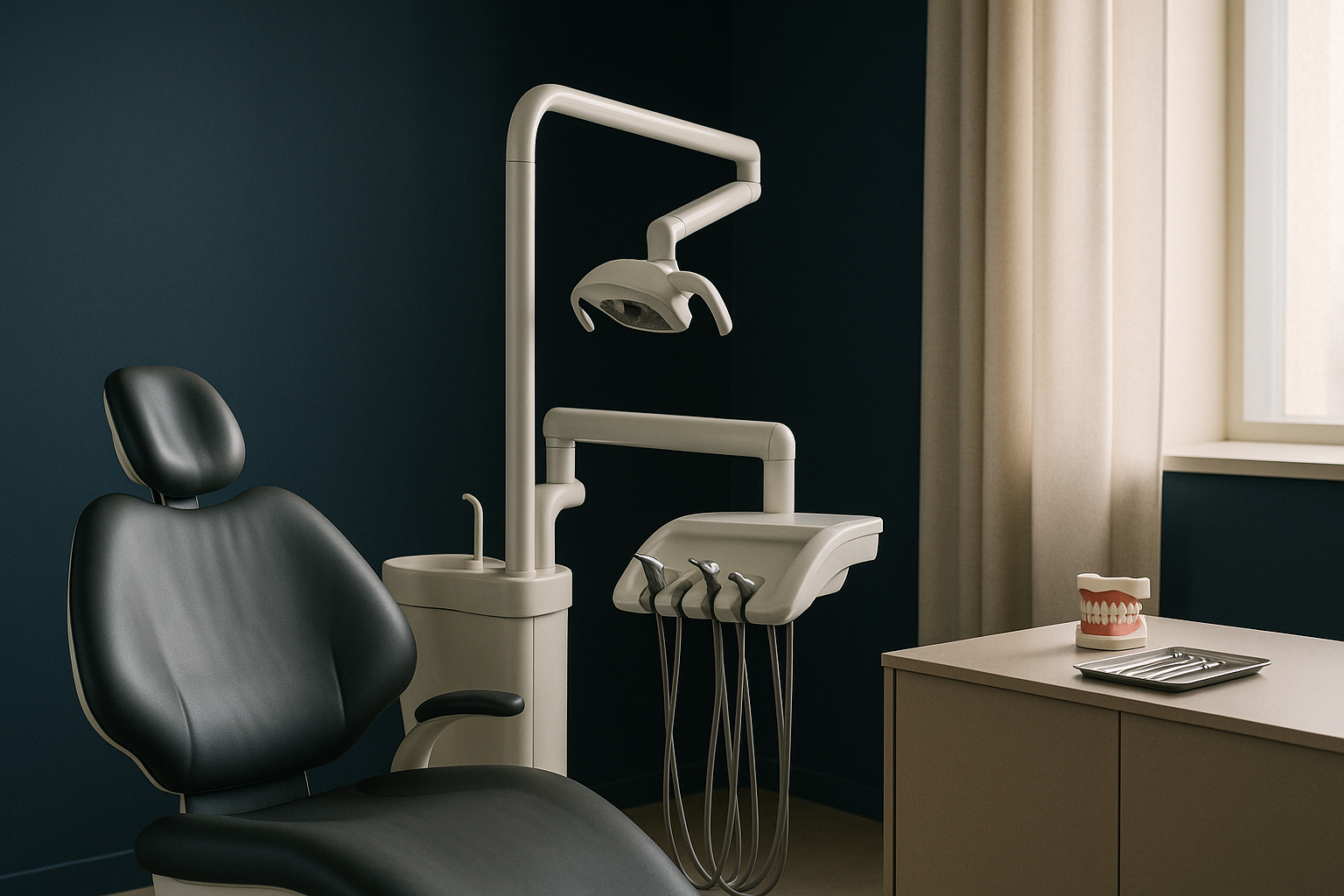
The All-on-4 dental technique represents a significant advancement in implant dentistry, offering a full arch replacement with just four implants. This innovative approach is designed to provide a stable and natural-looking solution for individuals with missing teeth.
What is All-on-4 Dental Implants?
All-on-4 dental implants are a revolutionary method for replacing an entire arch of teeth using only four implants. This method strategically places two implants at the front of the jaw and two at the back, angled to provide optimal support. By doing so, it creates a robust foundation, allowing for the secure attachment of a full dental bridge, effectively restoring both function and aesthetics. This configuration is particularly advantageous for patients who have lost multiple teeth due to decay, injury, or other dental issues, as it minimizes the need for bone grafting even in cases where bone density is compromised.
The procedure itself is typically completed in a single day, a significant advantage over traditional methods that may require multiple visits. Patients leave the clinic with a temporary set of teeth that closely mimic the final result. After a period of healing, during which the jawbone integrates fully with the implants, a permanent bridge is fitted. This permanent setup provides a durable and long-lasting solution to tooth loss, often lasting several decades with proper care. The convenience and reduced recovery time make All-on-4 an attractive option for those seeking immediate improvements and decreased downtime.
In addition to the convenience, All-on-4 dental implants offer various benefits in terms of oral health. By replacing missing teeth, these implants help maintain jawbone density, which can otherwise deteriorate over time. This preservation of the jawbone helps maintain facial structure, preventing the sunken appearance often associated with severe tooth loss. Furthermore, the implants function like natural teeth, allowing for a diverse diet and improved nutritional intake, contributing to overall health improvement. The ability to eat a wide range of foods without restriction enhances quality of life significantly.
How to Clean All-on-4 Dental Implants
Maintaining oral hygiene is crucial with All-on-4 dental implants to ensure their longevity and functionality. Regular cleaning helps prevent plaque build-up, which can lead to gum disease and other issues that might compromise the stability of the implants. Patients are advised to brush twice daily using a soft-bristled toothbrush and non-abrasive toothpaste to avoid damaging the bridge and implants. Special attention should be paid to the gum line and the spaces between the implants, where plaque can easily accumulate.
In addition to brushing, using an oral irrigator can significantly enhance cleaning efficiency. This device helps clean around the implants and under the bridge, effectively removing food particles and bacteria that regular brushing might miss. This reduces the risk of infection and gum disease, both of which can jeopardize the health of the implants. An oral irrigator should be used daily, ideally after meals, to maintain optimal oral hygiene. The pulsating water action is especially effective in reaching areas that are otherwise difficult to clean.
Regular dental check-ups are essential to monitor the health of the implants and surrounding tissues. During these visits, your dentist can perform professional cleanings and check for any signs of complications. They can also provide guidance on any adjustments needed in your cleaning routine. Periodic X-rays may be taken to assess the integration of the implants with the jawbone and to identify any issues early on. By adhering to a strict hygiene routine and scheduling regular dental visits, patients can maximize the lifespan of their All-on-4 dental implants, ensuring a lifetime of healthy smiles.
How Much Do All-on-4 Dental Implants Cost?
The cost of All-on-4 dental implants can vary significantly depending on several factors, including the location of the clinic, the expertise of the dental surgeon, and any additional procedures required. On average, patients can expect to pay between £10,000 and £25,000 for a full arch restoration. This price range reflects the complexity of the procedure and the high-quality materials used in the implants and bridge. It’s essential to factor in the geographic location, as urban centers often have higher costs due to increased overheads.
While the initial cost may seem high, it’s important to consider the long-term benefits and potential savings that All-on-4 implants offer. Traditional dentures, while initially cheaper, often require frequent replacements and adjustments, which can add up over time. In contrast, All-on-4 implants provide a permanent, stable solution that eliminates the need for such ongoing expenses. Furthermore, the improved quality of life and confidence that comes with having a secure and natural-looking set of teeth can be invaluable. For many, this investment translates to increased personal and professional opportunities.
Patients should also explore financing options that many dental clinics offer. These plans can make the cost more manageable by spreading payments over a period of time. Insurance coverage may also play a role, though it varies by provider and plan. Some insurance policies may cover part of the procedure, especially if it’s deemed medically necessary. Consulting with both the dental clinic and insurance provider can provide a clearer understanding of the financial commitments involved and help in planning accordingly. It’s also wise to consider potential tax deductions for medical expenses, if applicable.
How Long After All-on-4 Dental Implants Can I Eat Normally?
Patients can typically begin eating soft foods the day after surgery. It’s essential to follow dietary guidelines provided by the dental surgeon to ensure proper healing. These guidelines are designed to prevent undue stress on the newly placed implants, which need time to integrate with the jawbone. Soft foods, such as yogurt, mashed potatoes, and smoothies, are ideal during this initial recovery phase, as they require minimal chewing and are gentle on the surgical sites.
Gradually, patients can reintroduce firmer foods into their diet over the following weeks. This gradual progression allows the jawbone to adapt to the implants and helps ensure successful integration. By the end of the first month, many patients can comfortably eat foods like pasta, fish, and cooked vegetables. It’s crucial to avoid hard, crunchy, or sticky foods, such as nuts, chips, and candy, during the early stages to prevent any damage to the implants or bridge. Adhering to these dietary restrictions is vital for promoting proper healing and avoiding complications.
Complete integration of the implants with the jawbone usually takes a few months. After this period, patients can enjoy a wider variety of foods, including harder items, without discomfort. However, it’s always wise to exercise caution and avoid excessive force when biting down on hard foods. Regular follow-ups with the dental surgeon are important during this time to monitor healing progress and make any necessary dietary adjustments. Adhering to these guidelines not only ensures successful healing but also maximizes the longevity of the All-on-4 implants, allowing patients to enjoy a flexible diet for years to come.
Safety and Accreditation Guidance for All-on-4
When considering All-on-4 dental implants, it’s vital to choose a qualified dental professional accredited by recognized institutions. Accreditation ensures that the dentist adheres to high standards of practice and is skilled in performing the procedure. This is crucial for the success of the implants and the safety of the patient. Accredited professionals have undergone extensive training and are regularly evaluated to maintain their credentials, ensuring they are up-to-date with the latest techniques and technologies.
Patients should verify the credentials of their dental surgeon and inquire about their experience with All-on-4 implants. This can often be done by checking online directories of accredited professionals or by asking the clinic directly. It’s also beneficial to ask how many All-on-4 procedures the dentist has performed, as experience can be a strong indicator of proficiency. Reviewing before-and-after photos of previous patients can provide additional insight into the surgeon’s capabilities and the potential outcomes of the procedure. These visual examples can reassure prospective patients of the quality of work they can expect.
Checking reviews and seeking recommendations can also provide insight into the quality of care offered by the clinic. Online reviews, testimonials, and word-of-mouth recommendations from friends or family can help gauge the reputation and reliability of a dental practice. Furthermore, a consultation with the dentist can clarify any questions or concerns, providing an opportunity to discuss the procedure, expected outcomes, and any potential risks. By thoroughly researching and choosing an experienced, accredited dental professional, patients can enhance their chances of a successful All-on-4 dental implant experience, minimizing the likelihood of any complications.
Comparing All-on-4 with Traditional Dentures
All-on-4 dental implants offer several advantages over traditional dentures. While dentures are removable and may require adhesives, All-on-4 implants provide a permanent solution that mimics the natural look and feel of real teeth. This permanence is a significant advantage for those seeking a hassle-free, stable solution to tooth loss. With All-on-4, patients avoid the daily inconvenience of removing dentures for cleaning and the potential embarrassment of them slipping during conversations or meals.
The stability that All-on-4 implants offer translates to improved comfort and functionality. Unlike dentures, which can cause sore spots and may affect speech, All-on-4 implants are fixed and provide a consistent fit. This enhances the patient’s ability to speak clearly and enjoy a varied diet without the limitations often associated with dentures. The implants help maintain jawbone density, reducing the bone loss that can occur with dentures, which fail to stimulate the jawbone effectively. This aspect is particularly important in preserving facial structure and appearance over time.
| Feature | All-on-4 | Dentures |
|---|---|---|
| Stability | Permanent | Removable |
| Maintenance | Low | High |
| Comfort | High | Variable |
| Cost Over Time | Lower | Higher |
| Bone Health | Maintains | May Deteriorate |
While both options aim to restore function and aesthetics, All-on-4 implants provide a more secure and comfortable fit, making them a preferred choice for many patients. The initial investment in All-on-4 is offset by the reduced need for maintenance and replacements, which are common with dentures. For those looking for a long-term, effective solution to tooth loss, All-on-4 implants represent a superior choice, offering both aesthetic and functional benefits that enhance quality of life. The ability to maintain normal activities without the fear of dental issues is a profound advantage.
Conclusion
The All-on-4 dental technique offers a transformative solution for those seeking to replace missing teeth. With proper care and maintenance, these implants can provide lasting benefits and significantly improve quality of life. Understanding the procedure, costs, and aftercare involved is crucial for making informed decisions about dental health. Patients who choose All-on-4 implants can enjoy a natural-looking smile, improved oral health, and the confidence that comes with a permanent dental solution.
By choosing an experienced, accredited dental professional and adhering to recommended care practices, patients can maximize the lifespan and effectiveness of their All-on-4 implants. Regular follow-ups and a commitment to oral hygiene are essential to maintaining the health and stability of the implants. As more individuals seek lasting solutions to tooth loss, All-on-4 dental implants continue to gain popularity for their ability to restore both function and aesthetics in a reliable, durable manner. This technique stands as a testament to the advancements in dental technology and patient care.
Proven result
80 to 240 dental patients a month from France
High-volume dental clinic, Istanbul
Frequently asked questions
What is All-on-4 dental implants?
All-on-4 dental implants are a method of replacing a full arch of teeth using four strategically placed implants. This technique provides a stable and permanent restoration.
How much do All-on-4 dental implants cost?
The cost of All-on-4 dental implants can range from £10,000 to £25,000, depending on factors such as location and additional procedures.
How to clean All-on-4 dental implants?
Clean All-on-4 implants by brushing twice daily with a soft-bristled toothbrush, using non-abrasive toothpaste, and employing an oral irrigator.
How long after All-on-4 dental implants can I eat normally?
Soft foods can be eaten the day after surgery, with a gradual return to a regular diet over a few months.
Related guides

What Is a Medical Travel Facilitator and Why Use One?
A lower treatment quote can look compelling until you try to compare what it actually includes: surgeon fees,…

What Hospital Accreditation Reviews Really Tell You
A hospital can have polished facilities, prominent surgeons, and hundreds of five-star ratings, yet those signals do not…

International Patient Onboarding Guide for Hospitals
An international patient inquiry is not simply a lead. It is a person weighing a major medical decision…