
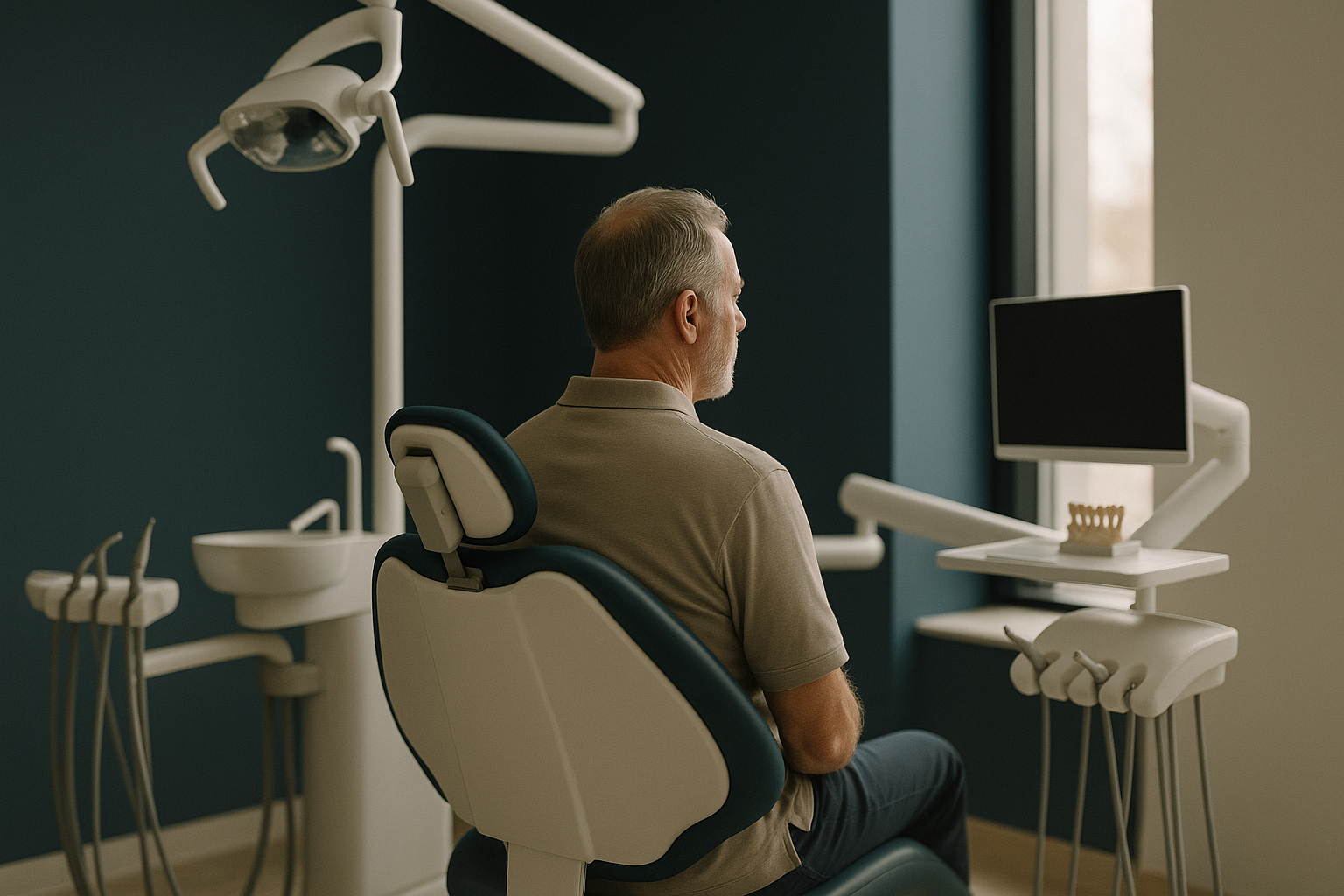
When considering dental restoration, all-on-four dental solutions offer an innovative approach that combines effectiveness with cost efficiency. This article explores the benefits, costs, and safety considerations for international patients seeking this treatment.
What Are All-on-Four Dental Solutions?
All-on-four dental solutions involve using four strategically placed implants to support an entire arch of teeth. This method is particularly advantageous for patients with significant tooth loss, providing a stable and permanent alternative to dentures. The technique was pioneered to address the needs of those who have lost most or all of their teeth, offering a quicker and often less invasive solution compared to traditional implant methods. The strategic placement of only four implants in areas with the most bone density not only ensures stability but also minimizes the need for bone augmentation procedures.
The procedure is designed to maximize the use of available bone, often eliminating the need for bone grafting. This can significantly reduce treatment time and cost, making it an attractive option for those traveling for medical care. Patients typically undergo a thorough evaluation, including 3D imaging techniques like CBCT scans, to determine bone volume and the best implant placement. This precision reduces surgical time and enhances the success rate of implant integration.
Furthermore, the recovery period for all-on-four implants is generally shorter compared to traditional implants, allowing patients to return to their daily activities sooner. Most patients can expect to resume normal activities within a few days to a week, though full osseointegration of the implants may take several months. The reduced recovery time, along with the immediate placement of a fixed provisional prosthesis, means that patients do not have to endure the discomfort of removable dentures in the interim period.
How Much Do All-on-Four Dental Implants Cost?
Costs for all-on-four dental implants can vary significantly depending on the country and clinic. On average, patients can expect to pay between $15,000 and $30,000 per arch. However, some international destinations offer more competitive pricing, which can be appealing to medical tourists. For instance, countries like Mexico, Thailand, and Hungary are known for providing high-quality dental care at a fraction of the cost found in the US or Western Europe. In these countries, the cost might range from $8,000 to $15,000 per arch.
It’s crucial to factor in additional costs such as travel, accommodation, and possible follow-up visits. Allianz travel insurance can be a valuable resource in covering unexpected medical expenses during your trip. Patients should also consider the cost of initial consultations and any pre-operative assessments that might be required. While the upfront cost might be lower abroad, these additional expenses can add up, so a comprehensive budget plan is essential.
It’s recommended to obtain a detailed quote from your chosen clinic, ensuring transparency in costs and services provided. Many clinics offer package deals that include the procedure, prosthesis, and follow-up care, which can help patients manage their budget more effectively. Patients should also inquire about the longevity and warranty of the prosthesis, as well as the policy on revisions or replacements.
What Are the Benefits of Seeking Treatment Abroad?
International patients may find several benefits in seeking all-on-four dental solutions abroad. These include access to advanced technology, experienced specialists, and potentially lower costs compared to their home country. For instance, dental clinics in countries renowned for medical tourism often invest in state-of-the-art equipment and training, ensuring that they meet international standards of care. This can mean access to technologies such as guided implant surgery and CAD/CAM prosthetics that may not be readily available or financially accessible at home.
Medical tourism often provides the opportunity to combine treatment with travel, exploring new cultures while receiving necessary healthcare. However, it’s important to research and select accredited facilities to ensure safety and quality of care. Accreditation by organizations such as the Joint Commission International (JCI) or ISO certification can give patients peace of mind regarding the standards of care they will receive. Additionally, many clinics offer concierge services to assist international patients with travel arrangements and local accommodations.
Patients should also consider the convenience of scheduling and the availability of post-operative support when choosing a destination for their dental treatment. Some clinics offer remote follow-up consultations or partner with local dentists in the patient’s home country for ongoing care. This ensures continuity of care and provides a contact point for any post-procedure complications that may arise, which is a key consideration in selecting a treatment destination abroad.
How Can Patients Ensure Safety and Quality?
Ensuring safety and quality in all-on-four dental procedures involves several key steps. First, select a clinic that holds international accreditations and has a solid reputation for patient care. By researching the clinic’s credentials and reviews, patients can gauge the quality of service they might receive. Accreditation from recognized bodies such as the JCI or the European Society of Cosmetic Dentistry can be a strong indicator of a clinic’s commitment to high standards.
Research the qualifications and experience of the dental professionals performing the procedure. Patient reviews and testimonials can provide valuable insights into the level of care provided. Additionally, consulting platforms that offer peer reviews and ratings of dental professionals can help verify their expertise and patient satisfaction rates. It’s also beneficial to review before-and-after photos of previous patients to assess the quality of work performed by a specific dentist or clinic.
Hospitals can utilize Patient Safety Work Product (PSWP) internally to enhance patient safety by analyzing data on procedure outcomes and implementing improvements. This practice involves the systematic collection and analysis of safety data to identify trends and areas for improvement. Moreover, clinics often have a team approach to care, involving prosthodontists, oral surgeons, and dental technicians to ensure comprehensive treatment planning and execution.
How Does AI Enhance Healthcare Call Centres?
AI is increasingly used to reduce costs and improve service in healthcare call centres. By automating routine inquiries and directing patients to appropriate resources, AI systems can significantly enhance efficiency. For instance, AI chatbots can handle initial patient inquiries, such as booking appointments or providing information about procedures like all-on-four dental solutions, allowing human agents to focus on more complex tasks.
For international patients, AI can provide seamless communication, ensuring inquiries about treatments like all-on-four dental solutions are handled promptly and accurately. This technology also allows for better resource allocation and faster response times. AI systems can manage large volumes of data to predict peak times and ensure adequate staffing, thus reducing wait times and improving patient experience.
AI’s ability to analyze data can help healthcare providers predict patient needs and streamline the scheduling process, improving overall patient satisfaction. Predictive analytics can anticipate patient inquiries based on historical data, allowing for proactive engagement strategies. Additionally, AI tools are being integrated with customer relationship management (CRM) systems to personalize patient interactions, tailoring communication and follow-up care to individual needs, which enhances the patient journey from inquiry to post-treatment.
How to Prepare for All-on-Four Dental Treatment?
Preparation for all-on-four dental treatment involves several steps. Initial consultations with your chosen dental professional are crucial to assess your suitability for the procedure. During these consultations, a comprehensive assessment including digital imaging and oral health evaluations will be conducted to ensure the all-on-four approach is right for you. This is also the stage to discuss any medical conditions or medications that might affect the procedure.
Patients should ensure they have a clear understanding of the treatment plan, including the timeline, costs, and post-operative care requirements. It’s advisable to arrange accommodation and travel logistics well in advance of the procedure date. Many clinics offer package deals that include airport transfers, hotel accommodations, and even guided tours, which can be convenient for those combining treatment with leisure travel.
Additionally, securing all necessary documentation, such as medical records and travel insurance like Allianz travel insurance, is essential to ensure a smooth treatment experience abroad. Patients should also prepare by following pre-operative instructions provided by their dental team, which may include dietary restrictions or changes to medication regimens. Planning for post-operative care is equally important, ensuring that you have all necessary supplies and support arranged for your recovery period.
Conclusion
All-on-four dental solutions offer a transformative option for those seeking comprehensive dental restoration. With proper research and preparation, international patients can benefit significantly from the procedure, enjoying both improved oral health and the opportunity to explore new destinations. By choosing a reputable clinic, understanding the full scope of costs, and preparing thoroughly for the procedure, patients can ensure a successful and satisfying dental restoration experience that aligns with their health goals and travel aspirations.
Proven result
80 to 240 dental patients a month from France
High-volume dental clinic, Istanbul
Frequently asked questions
How can hospitals use PSWP internally for patient safety?
Hospitals can use Patient Safety Work Product (PSWP) to analyse data, improve procedures, and enhance overall patient safety.
How do I stop calls from healthcare enrolment centres?
To stop calls, register your number with a do-not-call list and directly request removal from their contact list.
What time does United Healthcare call centre open?
United Healthcare call centres typically open at 8 AM local time, but it’s best to confirm with your specific location.
How does AI reduce healthcare call centre costs?
AI reduces costs by automating routine tasks, improving resource allocation, and enhancing the efficiency of call handling.
Related guides

How Overseas Surgery Insurance Really Works
A lower treatment quote can quickly lose its advantage if an unexpected complication extends your stay, requires emergency…

Analyzing the Medical Tourism Market: Current Trends
Quick answerThe medical tourism market is growing due to factors like cost-effective treatments, advanced medical technologies, and international…

Best Country for Cancer Treatment: Top Countries for Advanced Cancer Treatment Options
Quick answerCountries like the USA, Germany, and Japan offer some of the best cancer treatment in the world,…