
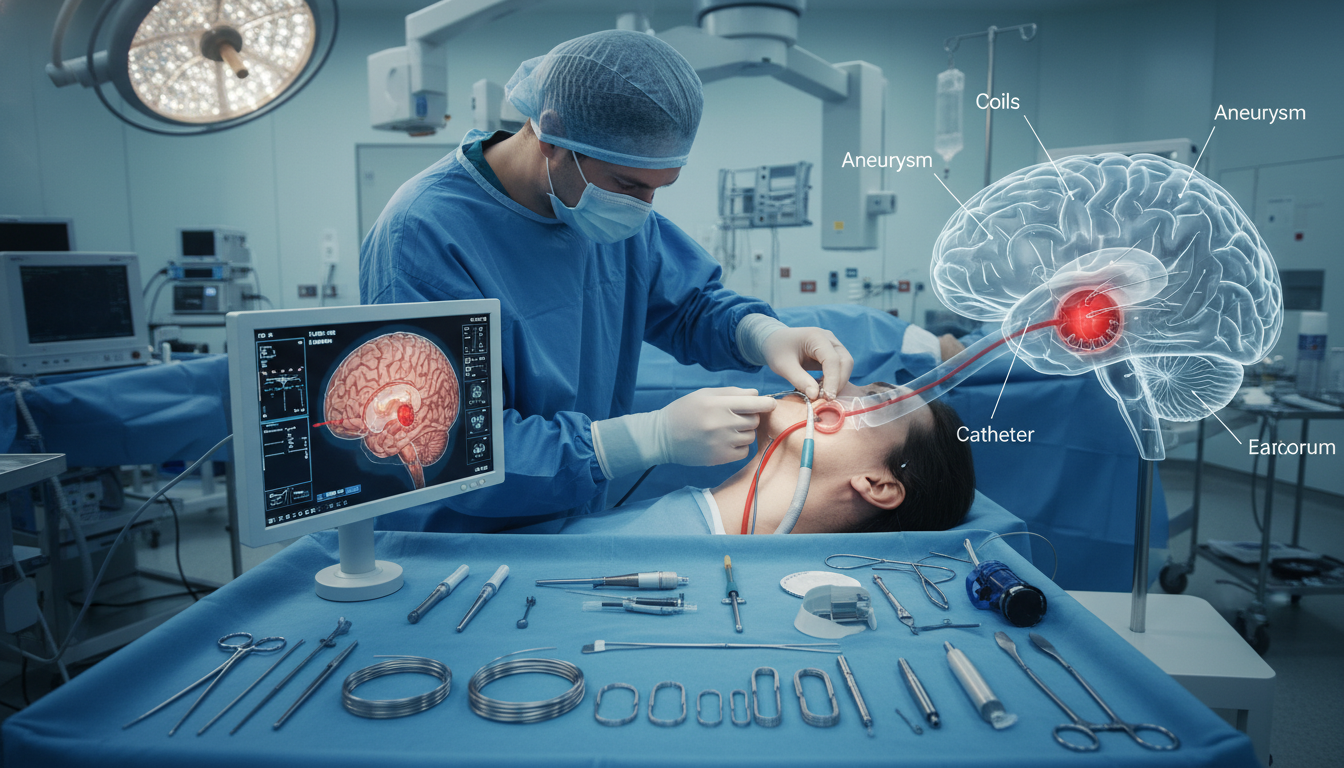
Turkey is now a top choice worldwide for those needing top neurovascular care. Many people from the UK go to Turkey for brain surgeries. They want the best care available.
The country uses cutting-edge technology and has very skilled doctors. This ensures patients get the best results. It’s why Aneurysm (Endovascular) Coiling is a popular choice for those looking for safety and precision.
Choosing to have this procedure in Turkey means shorter waits and care tailored just for you. Modern tools help doctors do the surgery with unmatched precision. This gives patients peace of mind.
Key Takeaways
- Turkey is a leading hub for advanced neurovascular medical interventions.
- Patients receive care from highly qualified specialists using modern technology.
- The country offers a seamless experience for those travelling from the United Kingdom.
- Medical centres prioritise patient safety and high-quality clinical standards.
- Shorter waiting lists make these procedures more accessible for international patients.
Understanding Brain Aneurysms and the Need for Intervention
Learning about brain aneurysms is key to managing them well. These issues happen when a weak spot in an artery wall bulges out. Over time, blood pressure can make this bulge bigger, posing a serious health risk.
Pathophysiology of Cerebral Aneurysms
Aneurysms often start from a mix of genes and environmental factors. When an artery wall weakens, blood pressure pushes it to stretch. This can happen quietly, with many not knowing until it’s too late.
It’s critical to treat aneurysms early to avoid serious problems. If the wall gets too thin, the risk of bleeding increases. Doctors aim to spot these weaknesses early to prevent major issues.
Symptoms and Diagnostic Indicators
The symptoms of a brain aneurysm vary based on its size and where it is. Small ones might not cause any symptoms, while bigger ones can press on nerves, leading to vision changes or pain. If you’re worried about your blood vessels, you can find more information after brain aneurysm surgery.
Tests like MRI or CT angiography are best for finding these issues. They let doctors see the arteries clearly without surgery. After finding an aneurysm, a treatment plan is made to lower future risks.
| Aneurysm Type | Primary Risk Factor | Diagnostic Method |
|---|---|---|
| Saccular | Genetic Predisposition | CT Angiography |
| Fusiform | Atherosclerosis | MRI Scan |
| Mycotic | Infection | Digital Subtraction Angiography |
It’s important to act fast if you have a brain aneurysm. Quick action can stop serious brain damage and improve your life. Always talk to a neurointerventionalist about your diagnosis and treatment options.
The Evolution of Aneurysm (Endovascular) Coiling
The journey to safer brain treatments started with bold experiments. The goal was to reduce patient trauma. For years, treating brain aneurysms meant open craniotomy, a risky procedure with long recovery times.
Now, endovascular procedures offer a less invasive way to heal. This change has set a new standard in care.
Historical Context of Vascular Neurosurgery
Early vascular neurosurgery used direct brain access. Surgeons placed metal clips on aneurysm necks, saving lives but taxing patients. This method required a long hospital stay.
Seeking better ways, doctors turned to minimally invasive techniques. They accessed the brain through the femoral artery, avoiding skull incisions.
Technological Advancements in Neurointerventional Radiology
Neurointerventional radiology has driven clinical progress. High-resolution imaging lets surgeons see the brain’s details in real-time. This precision is key for navigating tiny vessels.
Today’s endovascular procedures use micro-catheters and soft coils. These tools seal aneurysms safely, redirecting blood flow. Patients now enjoy shorter stays and improved outcomes.
These advanced technologies make endovascular procedures the top choice for many. Expert teams use top-notch equipment for safer treatments. This shows a global effort to protect the brain.
Why Turkey Has Become a Global Hub for Vascular Procedures
Turkey’s rise as a top medical hub is not by chance. It’s the result of careful planning and big investments. The country has focused on health, drawing patients from all over, including the UK. This is seen in endovascular procedures, where Turkish clinics offer top-notch care.
Investment in Modern Medical Infrastructure
Turkey has built high-tech hospitals with the latest equipment. These places are perfect for complex neurointerventional tasks. Patients get access to advanced imaging, like digital subtraction angiography, for better results.
These technologies help surgeons do endovascular procedures with great precision. The use of digital health records and modern patient systems makes treatment smooth. This means a better experience for patients, from start to finish.
Accreditation and International Standards in Turkish Hospitals
Turkey’s success comes from following international clinical standards. Many top hospitals are accredited by the Joint Commission International (JCI). This shows a strong focus on patient safety and quality care.
These standards give international patients confidence in Turkish hospitals. The table below shows what makes these facilities stand out.
| Standard Category | Turkish Hospital Practice | Global Benchmark |
|---|---|---|
| Clinical Governance | Strict adherence to JCI protocols | High compliance |
| Technology | Latest generation imaging suites | State-of-the-art |
| Patient Safety | Continuous monitoring systems | Gold standard |
| Endovascular procedures | Expert-led, high-volume centres | Specialised excellence |
Turkey’s commitment to quality makes it a leading choice for medical care. The mix of modern facilities and strict rules ensures patients get the best treatment in a safe place.
The Procedure: What to Expect During Endovascular Coiling
Getting ready for Aneurysm (Endovascular) Coiling means going through many detailed medical steps. These steps are designed to keep you safe and help you get the best results. If you’re going to Turkey for this, you’ll find the care is top-notch from the start.
The team makes sure you know what’s happening every step of the way. They use a clear plan to tackle tough vascular problems with great precision.
Pre-operative Assessment and Imaging Protocols
First, you’ll have a detailed check-up to understand your blood vessels. Doctors use Magnetic Resonance Angiography (MRA) or CT angiography to see the aneurysm’s details.
This step is key for planning the procedure. It helps the neurointerventionalist pick the right coils for you.
Step-by-Step Breakdown of the Coiling Technique
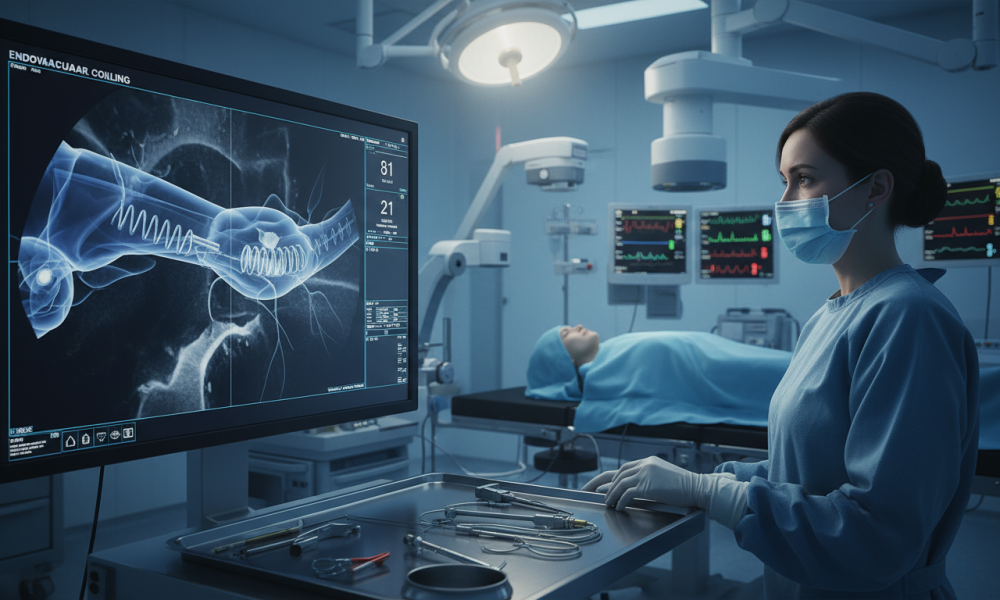
The coiling technique is a small, non-invasive surgery done under live X-ray. The doctor puts a tiny catheter in your groin’s artery. Then, they guide it to the aneurysm.
When the catheter reaches the aneurysm, they release small, soft coils. These coils help stop bleeding by clotting the aneurysm, sealing it off.
Anaesthesia and Patient Comfort Measures
Comfort is a big deal in Turkish hospitals. Most surgeries are done under general anaesthesia. This keeps you pain-free and perfectly steady during the procedure.
They use top-notch equipment to watch your vital signs closely. This careful approach means they can quickly respond to any changes, making the whole process safe and smooth.
| Procedural Stage | Primary Objective | Patient Experience |
|---|---|---|
| Assessment | Anatomical Mapping | Non-invasive imaging |
| Coiling technique | Aneurysm Occlusion | Under general anaesthesia |
| Recovery | Haemostasis | Close clinical monitoring |
Comparing Endovascular Coiling with Traditional Surgical Clipping
It’s important to know the differences between surgical clipping and endovascular procedures. Patients often have to choose between these two when dealing with vascular health issues. Each method has its own benefits, depending on the aneurysm’s location and shape.
Minimally Invasive Benefits vs Open Craniotomy
The coiling technique is a big step towards less invasive medicine. It’s different from open craniotomy, which needs a surgeon to open the skull. Instead, a catheter is used to reach the aneurysm through the blood vessels.
This method avoids a big incision, which means less damage to the brain. Many patients choose it because it’s safer than major surgery. It’s a precise way to treat vascular problems without harming the skull.
Recovery Timelines and Post-operative Outcomes
When it comes to aneurysm surgery, recovery time is a big concern. Patients who get coiled usually stay in the hospital for less time. They can get back to their daily life in a few weeks, unlike open surgery which takes longer.
Here’s a table that shows the main differences between these two methods. It can help you decide what’s best for you:
| Feature | Endovascular Coiling | Open Craniotomy |
|---|---|---|
| Invasiveness | Minimally invasive | Highly invasive |
| Access Method | Catheter via artery | Skull opening |
| Recovery Time | Short (days to weeks) | Long (weeks to months) |
| Hospital Stay | Typically 1-3 days | Typically 5-10 days |
The right choice between these methods depends on your specific situation. Your doctors will look at the aneurysm’s details to suggest the best option. Both aim to stop the aneurysm from rupturing and keep your blood vessels healthy for the long term.
Safety Profiles and Managing Endovascular Coiling Risks
It’s key to know the safety of medical treatments before making a choice. When looking into Aneurysm (Endovascular) Coiling, patients want to know the good and the bad. Hospitals in Turkey are open about this, aiming for the best results for patients.
Potential Complications and Mitigation Strategies
Even though it’s a small procedure, there are risks. Worries include damage to blood vessels, blood clots, or not fully closing the aneurysm. But, thanks to neurointerventional radiology, these risks are much lower.
Hospitals use top-notch imaging to guide the procedure. This lets them make changes as they go. To keep risks down, doctors use several strategies:
- Comprehensive pre-operative screening to understand each patient’s blood vessels.
- Antiplatelet therapy to stop blood clots during the procedure.
- Monitoring brain function during the operation.
- 3D rotational angiography for accurate coil placement.
The Role of Experienced Neurointerventionalists
The success of Aneurysm (Endovascular) Coiling depends on the doctor’s skill. A seasoned neurointerventionalist uses their knowledge to handle even tough cases with utmost precision. Their skill in working with the brain’s blood vessels is key to avoiding risks.
Patients should know that Turkish hospitals only hire top neurovascular teams. By picking a hospital that values excellence, patients get a safe care environment. This focus on safety helps protect their health and recovery.
Selecting the Right Clinic and Surgeon in Turkey
Your journey to successful aneurysm therapy starts with choosing a top clinic and surgeon. It’s key to make a smart choice about your medical care when going abroad for treatment. Doing your homework means your health is in the best hands every step of the way.
Criteria for Evaluating Medical Facilities
When checking out hospitals, look for international accreditation first. Hospitals with Joint Commission International (JCI) certification show they follow global safety standards. This means they focus on cleanliness, patient care, and managing the clinic well.
Modern facilities are also key for good aneurysm therapy. Make sure the clinic has the latest neuro-imaging tech and top-notch catheterisation labs. For more on medical standards, see a guide to choosing the right orthopedic clinic in Turkey.
Verifying Surgeon Credentials and Experience
The skill of your neurointerventionalist is the most important for a good result. Always check if your surgeon is board-certified and trained in endovascular neurosurgery. Experience is key, so ask about their yearly procedure numbers.
Good communication is also important for your comfort. A skilled surgeon will explain the risks and benefits of your aneurysm therapy clearly. Make sure the team answers your questions and shares their success rates and support plans after surgery.
The Patient Journey: From UK Consultation to Turkish Recovery
Going from a UK diagnosis to getting care in Turkey is a clear, supportive path. Patients often feel scared when first told they have a brain aneurysm. But, modern medical tourism aims to make each step clear and comforting.

Remote Consultations and Medical Records Transfer
Your journey starts with a comprehensive remote consultation. You’ll talk to top Turkish neurointerventionalists via secure video calls. They’ll discuss your specific needs.
Your medical records, like MRI or CT scans, are sent securely. This lets the team review your brain aneurysm details before you leave the UK. Clear communication is key for a treatment plan that fits you.
Logistics of Travelling for Medical Care
After your treatment plan is set, patient coordinators take care of the trip details. They book flights and arrange private airport transfers in Turkey.
They also book your stay close to the hospital. This makes your recovery area calm and stress-free. You’ll get a detailed plan for your stay, keeping you supported from the UK to your return.
Post-operative Care and Long-term Follow-up Requirements
Successful aneurysm therapy needs careful post-operative care as much as the surgery itself. After the surgery, the focus is on keeping the area stable and avoiding complications during the healing time.
Immediate Recovery in the Hospital Setting
Patients stay in a special neuro-intensive care unit for 24 to 48 hours. Medical staff watch their vital signs and brain function closely. This ensures the coiling is secure and the patient is healing well.
Before you go home, your team will give you a detailed recovery plan. They’ll tell you about activity levels, medication, and when to seek urgent medical help. Following these instructions is essential for a smooth recovery at home.
Coordinating Follow-up Care with UK Specialists
It’s important to keep your care going when you return to the UK after aneurysm therapy abroad. Make sure all your medical records and test results are sent to your GP or neurologist.
Book a follow-up with a UK specialist within a few weeks of coming back. This lets them check on your progress and make sure you’re getting the right ongoing care. This includes regular MRI or MRA scans for your ongoing health management.
| Care Phase | Primary Focus | Duration |
|---|---|---|
| Immediate | Haemodynamic stability | 1-3 Days |
| Intermediate | Wound healing & medication | 2-6 Weeks |
| Long-term | Imaging surveillance | 6-12 Months |
Keeping in touch with your international team and local doctors is key. This way, you make sure the benefits of your aneurysm therapy last. Regular follow-ups are the best way to keep your vascular health good and give you peace of mind.
Cost-Effectiveness and Financial Considerations for UK Patients
Planning your medical journey is more than just looking at treatments. You need to understand the financial side too. Many UK patients find that getting aneurysm treatment in Turkey is cheaper but just as good.
Comparing Treatment Costs: Turkey vs the United Kingdom
The main reason for medical tourism is the big price difference between countries. Turkey’s lower costs come from less overhead and better exchange rates.
In Turkey, the total cost includes more than just surgery. It also covers your stay, surgeon fees, and follow-up visits.
| Service Component | United Kingdom | Turkey |
|---|---|---|
| Consultation Fees | High | Moderate |
| Surgical Procedure | Premium | Cost-Effective |
| Hospital Stay | Variable | Inclusive |
Insurance Coverage and Payment Options
Dealing with insurance for aneurysm treatment abroad can be tricky. But, many providers are getting more flexible. It’s key to talk to your UK private medical insurer to see if they cover treatments abroad.
If your insurance doesn’t cover everything, there are ways to pay that fit your budget. Here are some common options for international patients:
- Direct Payment: Many clinics accept major credit cards or bank transfers for the full amount.
- Medical Loans: Some patients choose medical financing plans to pay over time.
- Reimbursement Schemes: Some policies let you pay upfront and claim back part of the costs when you return to the UK.
Make sure you get a clear, written quote before agreeing to any financial deal. This should show exactly what’s included in your aneurysm treatment plan. This way, you won’t face any surprise costs during your recovery.
Patient Success Stories and Clinical Outcomes
Looking into aneurysm surgery in Turkey means checking both numbers and personal stories. People want to know their chosen place is safe and precise. By looking at the data, they can decide about their health.
Analysing Statistical Success Rates in Turkish Centres
Turkish medical centres use the latest technology for brain surgeries. This leads to very good results. Audits in Istanbul and Ankara show that most endovascular coiling procedures are successful. This shows the skill of the surgeons who do these complex operations every day.
The table below shows what happens in top Turkish brain surgery units:
| Metric | Turkish Centre Average | Clinical Significance |
|---|---|---|
| Technical Success Rate | 96% – 98% | High precision in coil placement |
| Procedure Duration | 60 – 90 Minutes | Reduced anaesthesia exposure |
| Average Hospital Stay | 2 – 3 Days | Faster return to home environment |
These numbers show how safe and effective aneurysm surgery is. These centres keep high standards, which draws patients looking for good care.
Testimonials and Quality of Life Improvements
The real effect of treatment is seen in patients’ lives. Many from the UK say their life got better after surgery. They talk about how easy it was from start to finish.
What patients often say includes:
- Less recovery time than old surgery methods.
- Being happy with the multilingual support staff.
- Feeling less worried about their unruptured aneurysm.
- Being helped a lot with post-operative rehabilitation by the team.
These stories prove the care in Turkey is top-notch. Choosing aneurysm surgery in a place that cares about comfort and health can really help your recovery.
Legal and Ethical Considerations in Medical Tourism
When you think about getting medical care abroad, it’s not just about the doctor’s skills. You also need to know about the legal and ethical rules. If you’re going to Turkey for neurovascular care, make sure you know your rights. It’s important to understand the endovascular coiling risks to make a well-informed choice.
Patient Rights and Informed Consent
Informed consent is key in medical ethics, everywhere you go. Before any treatment, you must know all about it. This includes the endovascular coiling risks and what you can expect. It makes you a part of your healthcare.
Clinics in Turkey that follow global standards will give you documents in English. These will explain the treatment and your rights. It’s important to read these carefully and ask questions until you’re sure.
Navigating Cross-border Healthcare Regulations
Understanding the rules is vital for UK patients going abroad for care. Turkey has modern medical facilities, but check if your hospital meets standards. These rules help keep you safe and reduce endovascular coiling risks.
Also, think about what legal help you might need if something goes wrong. Knowing the laws in the UK and Turkey helps set clear expectations. Choose hospitals with a good international reputation for the best care.
| Feature | UK Standards | Turkish Standards |
|---|---|---|
| Informed Consent | Mandatory/Regulated | Mandatory/Regulated |
| Accreditation | CQC/NHS Standards | JCI/International Standards |
| Legal Recourse | Local Courts | International/Local Arbitration |
| Patient Records | Digital/Centralised | Digital/Transferable |
Conclusion
Choosing the right path for your vascular health is key. Turkey offers a unique mix of advanced medical care and top neurointerventionalists. This makes it a great choice for your health.
Patients from the UK get top-notch care in Turkey. It’s all about good communication between your local doctors and the specialists in Turkey. This teamwork helps your recovery go smoothly when you get back home.
Looking after your health means doing your homework. Pick places with good credentials and skilled surgeons. By doing this, you’re putting your health in the best hands. Start now to get the best care for your future health.
FAQ
Q: What exactly is aneurysm (endovascular) coiling, and how does it work?
A: Aneurysm (endovascular) coiling is a new way to treat brain aneurysms. A doctor uses a tiny catheter to reach the aneurysm through the groin artery. They then fill the aneurysm with soft coils to stop blood flow and prevent rupture.
Q: Why is Turkey considered a leading destination for endovascular procedures?
A: Turkey has top-notch hospitals like Acıbadem Healthcare Group and Memorial Hospitals Group. They have the latest technology and skilled doctors. British patients choose Turkey for quick treatment and high safety standards.
Q: How does the coiling technique differ from traditional aneurysm surgery?
A: The coiling method is less invasive than traditional surgery. It doesn’t need to open the skull. This means less damage, shorter hospital stays, and quicker recovery for patients.
Q: What are the primary endovascular coiling risks I should be aware of?
A: While safer than open surgery, coiling risks include blood clots and vessel damage. Top Turkish hospitals use advanced monitoring and expert doctors to reduce these risks.
Q: What is the typical recovery timeline following aneurysm therapy in Turkey?
A: Patients usually leave the hospital within 24 to 48 hours. Recovery is quick, with most back to normal in one to two weeks. It’s best to stay in Turkey for 7 to 10 days for a final check before returning to the UK.
Q: How are follow-up appointments managed once I return to the United Kingdom?
A: Leading Turkish hospitals share medical records and scans with UK doctors. This ensures smooth monitoring and scans to check the coiling’s success.
Q: Is the cost of aneurysm treatment in Turkey significantly lower than in the UK?
A: Yes, Turkey’s aneurysm treatment costs are 40% to 70% lower than in the UK. This doesn’t mean lower quality but lower costs and favourable exchange rates.
Q: Are the medical specialists in Turkey suitably qualified for complex brain procedures?
A: Yes, Turkey’s neurointerventionalists are board-certified and have fellowships from top institutions. They stay updated with the latest in neurointerventional radiology.
Related guides

Healthcare Content Compliance Guide for Growth
A high-performing treatment page can generate international patient inquiries within hours. It can also create material risk if…

Turkey Hospitals vs Local Hospitals Compared
A lower procedure quote can get a patient’s attention. It should not make the decision on its own.…

Patient Experience That Drives Trust and Growth
A patient who has already uploaded medical records, compared providers, and arranged time away from work is not…