
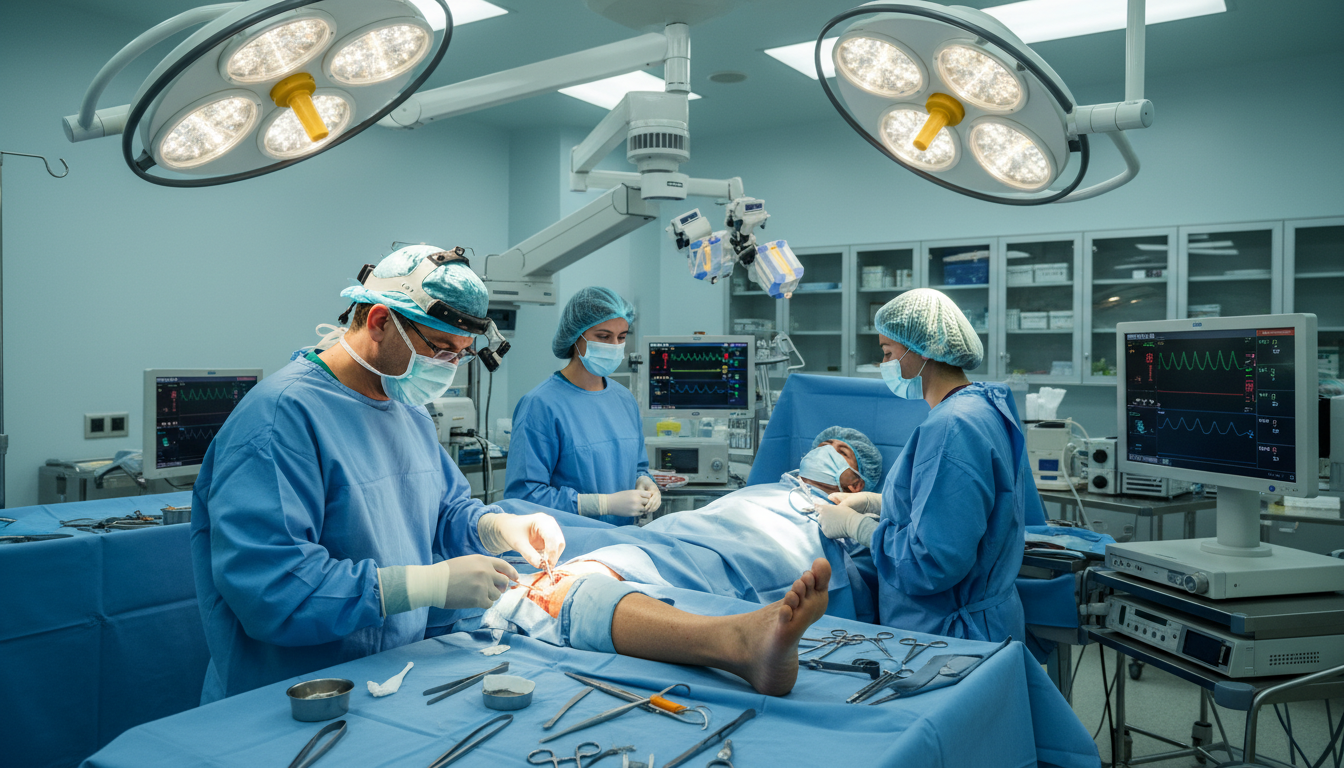
More and more patients from the UK are looking abroad for top-notch orthopaedic care. Turkey is becoming a top choice for Ankle Replacement Surgery. It’s known for its excellent medical facilities and skilled consultants.
Chronic joint pain can really affect your life and how you move. Going abroad for treatment means you can get advanced clinical standards at a lower cost than in the UK. Turkish hospitals focus on making patients comfortable and use the latest tech for the best results.
This trend shows a big change in how we handle our health. By choosing Ankle Replacement Surgery in a top setting, you can get your life back. You can start living an active life again with confidence.
Key Takeaways
- Turkey offers high-quality orthopaedic care for international patients.
- Clinics maintain rigorous professional standards for all procedures.
- Patients can access cost-effective solutions for chronic joint pain.
- Modern facilities utilise advanced technology to improve recovery times.
- Choosing a reputable centre ensures a safe and comfortable experience.
Understanding Ankle Arthritis and the Need for Surgical Intervention
First, we need to understand how ankle joint degeneration works. When cartilage wears away, bones rub together, causing pain and swelling. This often means we need a detailed plan for ankle arthritis treatment to get our joints working right again.
Symptoms and Progression of Ankle Joint Degeneration
Ankle arthritis starts with a bit of pain after exercise. It then gets worse, with persistent stiffness in the morning or after rest. The joint may swell and moving it becomes hard.
Even simple tasks like walking or climbing stairs get tough. This can make us less active, which makes the problem worse. Spotting these signs early is key to managing the condition well.
When Conservative Treatments Fail
Doctors first try non-surgical ways to ease symptoms. These include physiotherapy, medicine, and special shoe inserts. But, when these don’t work, surgery might be needed.
If your joint damage is severe, surgery is often the best option. It’s important to find a top orthopedic clinic for the best care. Making the right choice for surgery is critical for a good recovery.
| Stage of Condition | Primary Symptoms | Recommended Approach |
|---|---|---|
| Early Stage | Mild stiffness, occasional pain | Physiotherapy and lifestyle changes |
| Moderate Stage | Persistent swelling, limited mobility | Advanced ankle arthritis treatment |
| Advanced Stage | Severe pain, bone-on-bone friction | Surgical intervention |
The Rise of Medical Tourism for Orthopaedic Procedures
Medical tourism has grown from a small idea to a big choice for those needing orthopaedic procedures. As healthcare systems get busier, many look abroad for better care. They want quick access to top-notch medical facilities and expert care.
Why Patients from the United Kingdom Choose Turkey
More patients from the UK are choosing Turkey for surgeries. They avoid long waits by going there. Medical tourism agencies help make the journey smooth, from start to finish.
The main reason is cost. Turkey’s care is cheaper than in the UK. This lets patients afford better prosthetics and rehab, things they might not get at home.
Standards of Care in Turkish Private Hospitals
Turkish private hospitals meet high standards. They have the latest tech and equipment. This means patients get the best care, fast.
These hospitals follow strict rules to keep patients safe. They are checked often to make sure care is top-notch. This gives patients confidence in their treatment.
| Feature | Turkish Private Healthcare | Standard UK Private Care |
|---|---|---|
| Waiting Times | Minimal to None | Variable |
| Technology | Advanced/Modern | Standard |
| Regulatory Oversight | Strict National Standards | CQC Regulated |
| Cost Efficiency | High | Moderate |
Ankle Replacement Surgery in Turkey: A Complete Guide
Understanding the ankle replacement procedure is key for those thinking about treatment abroad. This surgery aims to make movement pain-free by replacing damaged joint parts with artificial ones. Turkey offers top-notch medical care, focusing on patient safety and long-term results.
The Surgical Procedure Explained
The ankle replacement surgery starts with a precise cut to reach the damaged joint. The goal is to remove painful and stiffened bone surfaces. After that, the bone is prepared for the new prosthetic parts.
The artificial joint is then fitted carefully to match the patient’s natural anatomy. This meticulous process helps the ankle regain its stability and movement. Surgeons in Turkey follow strict protocols to ensure accuracy at every step.
Modern Prosthetic Designs and Materials
The last decade has seen big improvements in ankle joint replacement technology. Modern implants are made from strong materials like titanium and ultra-high-molecular-weight polyethylene. These materials are chosen for their durability and ability to reduce wear over time.
These prosthetics are designed to mimic the natural biomechanics of the human ankle. They help patients walk more naturally and comfortably. Choosing an ankle joint replacement with these advanced materials is vital for long-term success.
Selecting the Right Ankle Replacement Specialist
Finding the right surgeon is key to your journey to pain-free mobility. A skilled ankle replacement specialist can greatly affect your surgery’s success and recovery.
Choose professionals who understand complex orthopaedic conditions well. It’s important to trust the medical team caring for you.
Qualifications and Experience to Look For
When looking at surgeons, focus on their training in foot and ankle reconstruction. A good ankle replacement specialist should have board certifications showing their advanced skills.
Here are key things to check in a surgeon’s background:
- Specialised Fellowship Training: Look for surgeons with fellowships in foot and ankle surgery.
- Surgical Volume: Find out how many ankle arthroplasty surgeries they do each year.
- Professional Memberships: Check if they are active in reputable orthopaedic associations.
- Peer-Reviewed Research: Surgeons who write for medical journals often know the latest techniques.
Verifying Surgeon Credentials and Hospital Accreditations
The place where you have surgery is also very important for your safety. Make sure the clinic or hospital follows strict international standards for patient care.
Check if the facility has recognised accreditations, like those from the Joint Commission International (JCI). These show the hospital follows strict rules on hygiene, safety, and monitoring after surgery.
| Verification Factor | Why It Matters | Action to Take |
|---|---|---|
| Surgeon Certification | Ensures formal training | Request board registration details |
| Hospital Accreditation | Guarantees safety standards | Check for JCI or ISO status |
| Patient Outcomes | Reflects clinical success | Review anonymised success rates |
Spending time to research these details can give you peace of mind. Transparency in medical practice is a sign of top-notch healthcare.
Pre-operative Assessment and Planning
Getting ready for ankle replacement starts long before you fly. It’s important to check your health first. This makes sure you’re a good fit for surgery and helps your team plan just for you.

Diagnostic Imaging and Physical Evaluations
Your specialist will need a detailed look at your joint before orthopaedic surgery. They use high-resolution images to see how much cartilage is lost and how your bones are aligned.
Here’s what you can expect in your first check-up:
- Weight-bearing X-rays: These show how your bones line up when you stand.
- MRI or CT scans: These give a 3D view of soft tissues and bone density.
- Physical examinations: Your surgeon will check your movement and stability to confirm the diagnosis.
These steps are key to deciding if a prosthetic is right for you. They help your team pick the best plan for your bones.
Preparing for Your Medical Journey Abroad
Going for medical tourism needs good planning for a smooth trip. You’ll need to gather all your medical records, like past reports and what medicines you’re taking, for your Turkish team.
Here are important steps to get ready for your trip:
- Health screenings: Do all blood tests and heart checks before you leave.
- Documentation: Have digital and paper copies of your passport, insurance, and medical history.
- Logistics: Make sure your travel and recovery stay are booked in advance.
Talking clearly with your clinic helps avoid any problems. By following these tips, your medical trip will be safe, efficient, and all about your recovery.
The Ankle Replacement Procedure: What to Expect
Understanding what happens during your ankle replacement procedure can reduce anxiety. Knowing the clinical environment helps patients feel more ready for their treatment in Turkey.
The surgical team focuses on your comfort and safety from the start. They ensure every step is handled with care and expertise.
Anaesthesia and Surgical Techniques
Your anaesthetist will talk about the best anaesthesia for you. Most get general anaesthesia or a nerve block to numb the lower limb.
The surgeon makes a precise incision to access the joint. They remove the worn bone surfaces and prepare for the new prosthetic. Precision is vital to align the metal and plastic parts for natural movement.
Duration of the Operation and Immediate Post-operative Care
The surgery usually takes 90 to 120 minutes, depending on the case. After, you’ll go to a recovery ward for close monitoring.
Pain management is a priority. You’ll get medication to stay comfortable as the anaesthesia fades. Nurses will also check your foot’s circulation and sensation early on.
| Phase | Focus Area | Patient Goal |
|---|---|---|
| Pre-Op | Anaesthesia choice | Total comfort |
| Intra-Op | Joint alignment | Prosthetic stability |
| Post-Op | Pain management | Safe recovery |
Benefits of Choosing Turkey for Foot Surgery
Turkey is a top choice for medical tourism, including orthopaedic care. People from the UK are picking it for ankle surgery. The quality of care and facilities make it a great option.
Cost-Effectiveness Compared to the United Kingdom
Turkish clinics are much cheaper than private healthcare in the UK. This cost-effectiveness doesn’t mean lower quality. Many hospitals meet international standards.
Traveling for treatment means avoiding long waits. It’s a smart way to save money and recover better. Getting foot surgery in Turkey is a wise choice for many.
Access to Advanced Technology and Minimally Invasive Methods
Turkish medical centres use the latest technology. They have robotic-assisted systems for precise surgery. This leads to better results for patients.
They also use minimally invasive methods. These methods mean smaller cuts and less pain. Patients heal faster and get back to their lives sooner after ankle surgery.
These modern techniques mean top-notch care for foot surgery. Turkish hospitals focus on innovation and patient safety. This is why many trust Turkish specialists with their health.
Ankle Replacement Recovery and Rehabilitation
Recovering from ankle replacement surgery in Turkey starts the moment you wake up. The surgery is a big step, but how well you recover is key to success. A good plan helps your new joint work well and move naturally.
The Initial Weeks Post-Surgery
In the first weeks, focus on protecting the surgical site and reducing swelling. You might wear a cast or boot to keep the ankle stable. Elevating your leg helps with swelling and pain.
Avoid weight on the operated foot unless your doctor says it’s okay. Following these steps is important for a smooth recovery. You’ll get detailed advice on wound care and managing pain before you go home.
Physiotherapy Programmes and Long-term Mobility
After healing, you’ll start a physiotherapy programme. This is key for getting strong and moving better. Sticking to your exercises is important for the best results.
Your rehab will include:
- Range of motion exercises to avoid stiffness.
- Strengthening routines for the muscles around the implant.
- Balance and proprioception training for better walking.
- Gradual weight-bearing activities for everyday tasks.
Long-term mobility comes from sticking to your exercises for months. Committing to physiotherapy means a more active and pain-free life. Remember, slow progress is worth it for better mobility in the future.
Managing Risks and Complications
Ankle replacement surgery can change lives, but it’s important to know about possible complications. Every patient should carefully consider the benefits and risks of an orthopaedic procedure. It’s key for medical care in Turkey to be open about these outcomes.
Understanding Possible Surgical Risks
Every big surgery has risks, and ankle replacement is no different. Patients need to know about the challenges that can happen during or after surgery. Knowing these risks helps prepare better and act quickly if problems arise.
Surgeons watch out for a few main concerns:
- Infection: Though rare, it’s a big worry for any joint replacement.
- Implant Loosening: The prosthetic might move over time, needing more checks.
- Nerve Irritation: You might feel numbness or tingling around the cut area.
- Delayed Healing: Smoking or diabetes can slow down recovery.
Mitigation Strategies and Follow-up Care
Turkish medical places put a lot of effort into keeping patients safe. They do detailed checks before surgery to spot any health issues that might make recovery harder. This helps make the surgery safer for everyone.
The table below shows how Turkish medical teams work to ensure the best results for your ankle replacement:
| Phase | Strategy | Goal |
|---|---|---|
| Pre-operative | Health Screening | Find any risks early |
| Intra-operative | Sterile Environment | Stop infections |
| Post-operative | Regular Follow-up | Keep an eye on the joint |
Regular follow-up care is key for your new joint to last. Regular visits help your surgeon check how well the implant is working. Talking openly with your team helps keep your recovery on track.
Comparing Ankle Replacement with Ankle Fusion
Patients with end-stage ankle arthritis often consider two options: total ankle replacement or ankle fusion. Both aim to reduce pain and improve walking. Yet, they do so in different ways.
Functional Outcomes and Patient Satisfaction
The main difference is in joint movement. Ankle replacement uses a prosthetic to mimic natural motion.
Ankle fusion joins the bones, stopping pain but losing joint movement. Patients report:
- Ankle replacement helps maintain a natural gait and more movement.
- Ankle fusion offers great stability and is seen as a lasting fix.
- Both keep patients happy, depending on their lifestyle and hopes.
| Feature | Ankle Replacement | Ankle Fusion |
|---|---|---|
| Motion | Preserved | Eliminated |
| Primary Benefit | Natural gait | High stability |
| Best For | Active, lower-impact lifestyles | High-demand physical labour |
Determining the Best Option for Your Lifestyle
Choosing the right procedure depends on your daily activities and health goals. If you’re active but not too hard, a replacement might suit you.
For those in heavy labour or sports, fusion could be better. It’s known for lasting longer and needing fewer surgeries. Talking to a specialist helps pick the best option for your life.
Logistics of Your Medical Trip to Turkey
Your journey to recovery starts with the details that make your trip stress-free. When you travel for an ankle replacement, focus on your health and the surgery ahead. Turkey’s clinics offer support to handle all your trip’s details.
Travel Arrangements and Accommodation
Hospitals in Turkey help with travel plans to ensure a smooth arrival. They work with hotels that are specifically designed for post-operative recovery. These hotels have easy access and are close to the clinic.
Flight options are flexible, allowing you to pick times that fit your comfort. Many patients arrive a day or two early to rest and do final checks. Having a clear plan helps reduce stress and prepares you for Turkey.
Support Services for International Patients
Patient coordinators are your main contact throughout your journey. They arrange airport transfers so a private car is waiting to take you to your hotel or hospital. This service eases the stress of using public transport while you’re recovering.
Clinics also offer support to help with cultural and language differences. You’ll have staff who speak many languages to help with hospital admissions and talking to your surgical team. This personalised approach makes you feel supported and informed at every step.
| Service Feature | Standard Support | Premium Patient Care |
|---|---|---|
| Airport Transfers | Included | Private VIP Vehicle |
| Accommodation | Partner Hotel | Luxury Recovery Suite |
| Patient Coordinator | Email Support | 24/7 Dedicated Liaison |
| Language Assistance | Basic Translation | Full-time Interpreter |
Financial Considerations and Insurance
Many patients find the total cost of their procedure more manageable with a clear breakdown of expenses. Understanding the financial side of your treatment helps you focus on recovery and mobility. This upfront knowledge makes your journey smoother.
Breakdown of Ankle Replacement Cost
When looking at the ankle replacement cost, consider the full package. Reputable clinics in Turkey offer an all-inclusive price. This covers everything you need for your care.
The total fee includes:
- Surgeon fees for the primary procedure and consultations.
- Hospital charges, including the operating theatre and anaesthesia.
- Prosthetic device costs and high-quality medical materials.
- Initial post-operative care and necessary medications.
Here’s a general overview of how these costs are structured for international patients:
| Service Category | Inclusion Details | Financial Impact |
|---|---|---|
| Surgical Team | Consultant and anaesthetist fees | High |
| Hospital Facility | Room, nursing, and theatre usage | Moderate |
| Prosthetic Implant | Advanced medical hardware | Moderate |
| Follow-up Care | Initial dressings and check-ups | Low |
Navigating Private Health Insurance and Funding
Managing the financial side of your Ankle Replacement Surgery can be complex. Many UK patients use private health insurance. Contact your provider early to see if they cover international procedures or offer reimbursement for elective surgeries.
If your insurance doesn’t cover the full amount, consider these options:
- Medical loans: UK banks offer personal loans for healthcare.
- Payment plans: Some clinics let you spread the cost over months.
- Savings and budgeting: Saving for your procedure avoids financial stress.
Always get a written quote that details your ankle replacement cost before setting a date. Clear information ensures your medical trip is positive and stress-free.
Life After Ankle Replacement
Modern orthopaedic advancements have greatly improved life after ankle joint replacement. After the healing phase, patients often see a big improvement in their quality of life. They can return to many activities they love.
Returning to Daily Activities and Sports
The main goal of surgery is to make movement pain-free for daily tasks. Most people can start walking, swimming, and cycling a few months after ankle joint replacement.
It’s important to stick to low-impact activities to keep the new joint safe. Avoid high-impact sports like running or contact games to prevent damage to the prosthetic.
Longevity of the Prosthetic Joint
Modern implants are made to last many years with proper care. The longevity of your ankle joint replacement depends on keeping a healthy weight and following your surgeon’s advice.
Regular check-ups are key to keeping an eye on the implant’s stability. A consistent physiotherapy programme helps keep muscles strong. This support is vital for the joint’s health.
| Activity Category | Recommended Status | Notes for Patients |
|---|---|---|
| Walking & Hiking | Highly Recommended | Excellent for joint mobility |
| Swimming & Cycling | Recommended | Low-impact, safe for implants |
| Running & Jumping | Not Recommended | Increases wear on the ankle joint replacement |
| Contact Sports | Avoid | High risk of injury to the prosthesis |
Patient Testimonials and Success Stories
Many patients from the United Kingdom have changed their lives by getting orthopaedic care in Turkish clinics. Their stories offer invaluable insight into why Turkey is a great choice for ankle surgery.
Real-world Experiences of UK Patients
Sarah, a keen hiker from Manchester, had chronic joint pain for years. She chose Turkey for her ankle surgery after researching. She found the initial consultation thorough, giving her a clear plan for treatment and recovery.
David from London was impressed by the clinic’s support services. From the start, he felt fully supported by the medical team. His journey, from first assessment to final check-up, was smooth and professional.
Assessing Quality of Life Improvements
The main goal for most patients is to live without pain. Many say their mobility has significantly improved, letting them do things they thought were impossible. This improvement is often the most rewarding part of their choice.
Patients also talk about a big boost in their overall well-being. Being able to walk without pain changes how they see the world. These stories are a powerful testament to the quality of care and the life-changing effects of modern orthopaedic procedures.
Legal and Ethical Standards in Turkish Healthcare
Turkey has set up a strong system to make sure international patients get safe and ethical care. The country has updated its health sector a lot. It now meets international standards, giving top-notch care to visitors from the UK and more.
The government makes sure everyone is safe, creating a secure place for those needing orthopaedic care. By sticking to global health rules, Turkey keeps building trust in the medical world.
Patient Rights and Regulatory Oversight
The Turkish Ministry of Health is in charge, checking both private and public hospitals. They make sure these places follow strict safety rules. Every patient has rights that are protected by law, ensuring their treatment is top-notch.
These rules cover everything from keeping surgeries clean to the doctors’ qualifications. Patients can count on these protections during their visit:
- Access to medical records: You can ask for and get all your medical records.
- Informed consent: Doctors must explain all risks and benefits before starting any treatment.
- Privacy and confidentiality: Your health data is kept safe under strict laws.
- Right to a second opinion: You can ask for another opinion if you want to.

Ensuring Transparency in Medical Tourism
Transparency is key in Turkey’s medical tourism. Good clinics give clear info on costs, recovery times, and what to expect. This openness helps patients make smart choices without worrying about hidden costs or surprises.
Ethical practices are watched closely to stop any unfair treatment. By picking approved places, you get clear communication and a focus on doing the right thing. This lets you focus on getting better and improving your mobility.
Conclusion
Deciding to have ankle replacement surgery is a big step towards getting back to your active life. Turkey is a great place for this, with top-notch surgeons and affordable care for UK patients.
Success depends on doing your homework and picking a skilled orthopaedic doctor. Make sure the surgeon and hospital are well-recognised. This way, you get the best care possible.
Today’s prosthetics are strong and can help with long-term joint pain. Working with a trusted clinic means you get the latest technology and a recovery plan made just for you.
Start improving your health by contacting top medical teams in Turkey. Your path to better mobility and less pain starts with smart choices and expert advice.
FAQ
Q: What exactly does Ankle Replacement Surgery involve?
A: Ankle Replacement Surgery, also known as total ankle arthroplasty, is a complex foot surgery. It replaces a damaged or arthritic joint with a prosthetic implant. The surgeon removes the worn-out surfaces of the tibia and talus.
They are then replaced with durable metal and medical-grade plastic components. These are designed to mimic natural joint movement and restore mobility.
Q: When should I consider professional ankle arthritis treatment?
A: Seek specialised ankle arthritis treatment when conservative methods no longer work. This includes physiotherapy, steroid injections, or orthotic inserts. If you experience chronic pain, persistent inflammation, and joint stiffness, it’s time to consider surgery.
If your daily life is severely affected and you have bone-on-bone friction, a specialist may recommend surgery. This can help regain functional movement.
Q: Why do patients from the United Kingdom choose Turkey for ankle surgery?
A: British patients choose Turkey for ankle surgery due to high clinical standards and cost-effectiveness. Turkish private hospitals offer state-of-the-art infrastructure and shorter waiting times.
They also have world-renowned surgeons who are members of international bodies like the European Board of Orthopaedics and Traumatology.
Q: How much does the typical ankle replacement cost in Turkey?
A: The cost of ankle replacement in Turkey is 50% to 70% lower than in the UK. This includes the prosthetic joint, surgeon’s fees, hospitalisation, and initial rehabilitation.
Despite the lower price, the quality of care is world-class. Turkish clinics have lower overhead costs and a competitive medical tourism sector.
Q: How do I identify a qualified ankle replacement specialist in Turkey?
A: Look for an ankle replacement specialist with board certifications and specific experience in orthopaedic joint replacement. Ensure they are recognised by the Turkish Medical Association and have international fellowships.
It’s also important to check if the facility is accredited by global organisations like Joint Commission International (JCI). This guarantees patient safety and high-quality outcomes.
Q: What does the ankle replacement recovery process look like?
A: Recovery from ankle replacement surgery is gradual. It starts with a period of non-weight bearing to allow the prosthetic implant to integrate with the bone.
After this, patients begin structured physiotherapy programmes to restore strength and range of motion. Most patients can return to low-impact daily activities within a few months, provided they follow their post-operative clinical guidance.
Q: Is an ankle joint replacement better than ankle fusion?
A: The choice between ankle joint replacement and ankle fusion depends on your lifestyle and joint condition. Fusion provides excellent pain relief by locking the joint.
An ankle replacement preserves more natural movement. It’s preferred for patients who wish to maintain a more fluid gait and protect adjacent joints from secondary arthritis.
Q: What are the risks associated with this type of foot surgery?
A: Risks include infection, blood clots, or implant loosening over time. Turkish specialists use advanced minimally invasive methods and rigorous sterilisation protocols to reduce these risks.
Comprehensive pre-operative assessments, including diagnostic imaging and health screenings, are performed. This ensures every patient is a suitable candidate for surgery.
Q: How long can I expect the prosthetic joint to last?
A: Modern ankle joint replacement implants are made with advanced materials like cobalt-chrome and titanium. With proper care and avoiding high-impact sports, a prosthesis can last 10 to 15 years, and often longer.
Regular follow-up appointments with your ankle replacement specialist are essential. They help monitor the longevity and function of the implant.
Q: What support services are available for international patients in Turkey?
A: Leading clinics in Turkey offer extensive support for international patients. This includes airport transfers, dedicated patient coordinators who speak fluent English, and assistance with local accommodation.
These services aim to make the journey for Ankle Replacement Surgery as smooth and stress-free as possible. This allows patients to focus entirely on their healing and recovery.
Related guides

Patient Experience That Drives Trust and Growth
A patient who has already uploaded medical records, compared providers, and arranged time away from work is not…

What Is a Medical Travel Facilitator and Why Use One?
A lower treatment quote can look compelling until you try to compare what it actually includes: surgeon fees,…

What Hospital Accreditation Reviews Really Tell You
A hospital can have polished facilities, prominent surgeons, and hundreds of five-star ratings, yet those signals do not…