
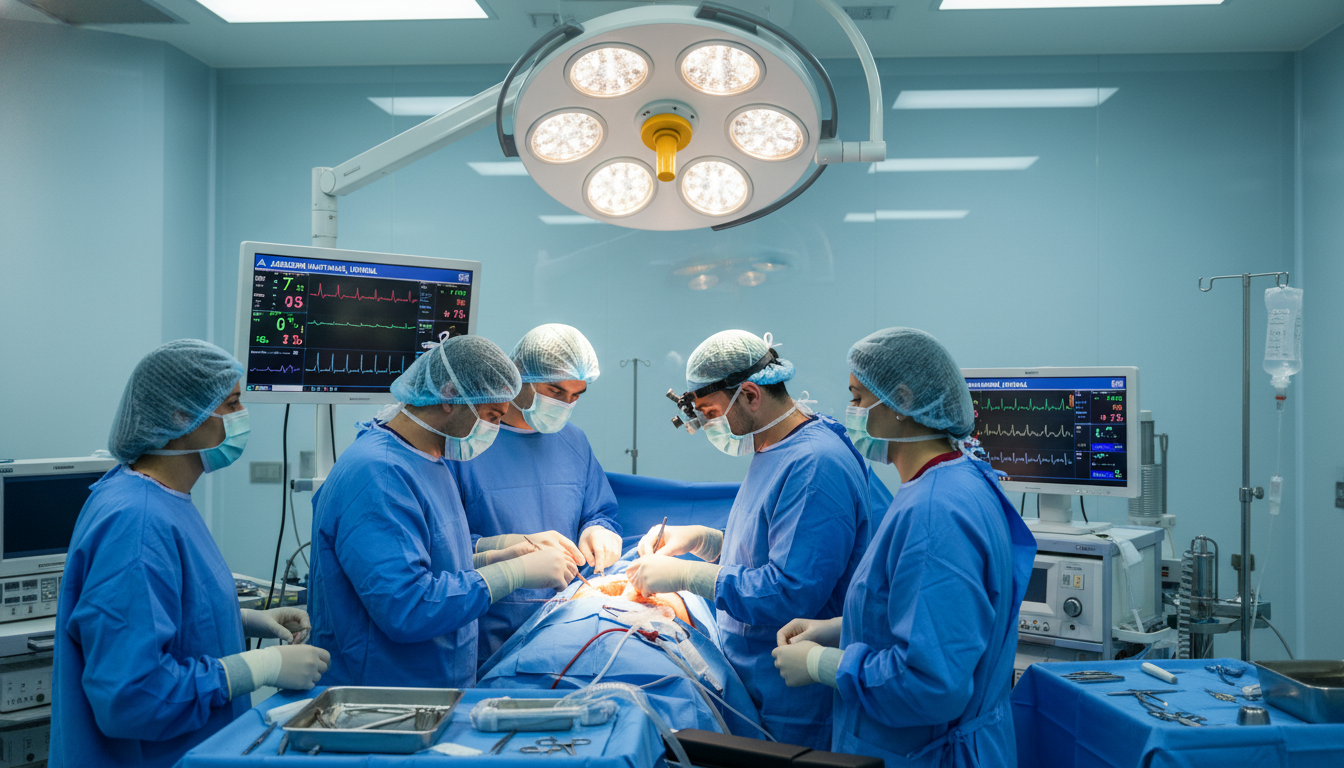
More and more patients from the UK are looking abroad for specialised heart care. They want quick access to top-notch medical treatments without long waits. Aortic valve surgery is a key procedure for those who value health and efficiency.
Turkey is becoming a top choice for complex heart treatments. It offers clinical excellence and modern facilities. This means patients get world-class care while saving money.
Starting this medical journey needs careful planning and informed choices. Knowing what to expect helps patients feel confident. This guide will help you understand what to expect, supporting you every step of the way.
Key Takeaways
- Patients from the UK are increasingly choosing overseas centres for cardiac procedures.
- Turkey offers a unique combination of affordability and high-level medical expertise.
- Modern hospitals in the region utilise advanced technology for complex heart interventions.
- Clinical excellence remains the top priority for international health providers in the area.
- Proper preparation and research are essential for a successful medical experience abroad.
Understanding Aortic Stenosis and Valve Dysfunction
Aortic stenosis makes it hard for your heart to pump blood. This narrowing affects your heart health and energy levels. The heart works harder, leading to long-term strain.
Symptoms and Clinical Indicators
People often notice changes in their energy before seeing a doctor. Signs include persistent shortness of breath and fatigue. Chest pain or tightness is also common.
If you find it hard to do everyday tasks, see a specialist. Early diagnosis is key. Ignoring symptoms can lead to serious problems needing urgent cardiac procedure.
Diagnostic Procedures in Modern Cardiology
Modern cardiology uses detailed imaging to check valve problems. An echocardiogram is often the first step. It shows the valve’s condition and blood flow.
For complex cases, cardiac catheterisation might be needed. This test gives a detailed view of the heart’s pressures. These tools help plan the best cardiac procedure for you. They ensure the chosen treatment is effective for your recovery.
The Rise of Turkey as a Global Hub for Cardiac Care
Turkey has become a key player in heart medicine. Over the last ten years, it has invested a lot in its healthcare. This has made it a top choice for people looking for heart surgery worldwide.
Accreditation and International Standards
Turkish hospitals focus on getting international recognition. Many hold the Joint Commission International (JCI) accreditation. This shows they meet top global standards for patient care.
By following strict rules, Turkish clinics show they care about quality and safety. Patients know they are in good hands. This trust has made Turkey a go-to place for heart treatments.
Technological Advancements in Turkish Hospitals
Turkey is now known for its advanced medical technology. Hospitals use robotic systems for unparalleled precision in surgeries. They also have top-notch imaging tools for detailed views of the heart.
These new technologies help patients get the best heart surgery. Here’s what makes Turkish cardiac centres stand out:
| Feature | Turkish Cardiac Centres | Standard Regional Clinics |
|---|---|---|
| JCI Accreditation | Widely Implemented | Variable |
| Robotic Systems | Advanced Integration | Limited Access |
| Imaging Tech | High-Resolution 3D | Standard 2D |
| Safety Protocols | International Standards | Local Regulations |
Aortic Valve Surgery in Turkey: Surgical Techniques
Looking into heart treatment abroad means understanding the surgery methods. Turkish cardiac centres offer various effective treatments for complex valve issues. Working with a specialist helps find the best method for you.
Traditional Open-Heart Valve Replacement
The traditional aortic valve surgery involves a median sternotomy. This means the surgeon cuts down the centre of the chest. It gives the team direct access to the heart and the valve.
This method is reliable but takes longer to recover from. Turkish surgeons are very skilled in this valve replacement procedure. They focus on keeping patients safe with strict standards.
Minimally Invasive Cardiac Surgery Options
Minimally invasive surgery is a modern choice. It uses smaller incisions, often between the ribs, to reach the heart. This way, it causes less damage and helps you recover faster.
Turkish hospitals lead in using these new technologies, like robotic systems. This option can mean less pain and a shorter hospital stay. Your team will check if you’re right for this innovative minimally invasive surgery during your valve replacement journey.
The Role of Cardiothoracic Surgeons in Turkey
In Turkey, a team of skilled surgeons is behind every successful heart operation. They are key to the country’s growing fame in cardiothoracic surgery. Their focus on safety and precision means patients get top-notch care.
Training and Qualifications of Specialists
Surgeons in Turkey have gone through tough training. Many have done prestigious fellowships at top medical schools in Europe and North America. This experience lets them use the newest surgical methods in their clinics.
These doctors also keep up with the latest in cardiothoracic surgery by joining global conferences. They stay current with new practices, ensuring patients get the best care.
Multidisciplinary Heart Teams
Heart care today needs a team effort, not just a skilled surgeon. Turkish hospitals have multidisciplinary heart teams for every patient. This team approach makes sure every part of a patient’s health is checked before, during, and after surgery.
The main team members are:
- Cardiothoracic surgeons who do the complex surgeries.
- Interventional cardiologists who help with tests and checks before surgery.
- Specialised anaesthetists who look after patient safety during surgery.
- Cardiac nurses and physiotherapists who help with recovery and getting better.
Together, these experts make personalised treatment plans for each patient. This team effort leads to better results and reassurance for patients from the UK.
Benefits of Choosing Turkey for Heart Surgery
Turkey is now a top choice for heart surgery worldwide. Many from the United Kingdom see it as a trusted place for heart health. Turkish clinics offer top-notch care and a focus on patients, making them a great option for urgent needs.
Cost-Effectiveness Compared to the United Kingdom
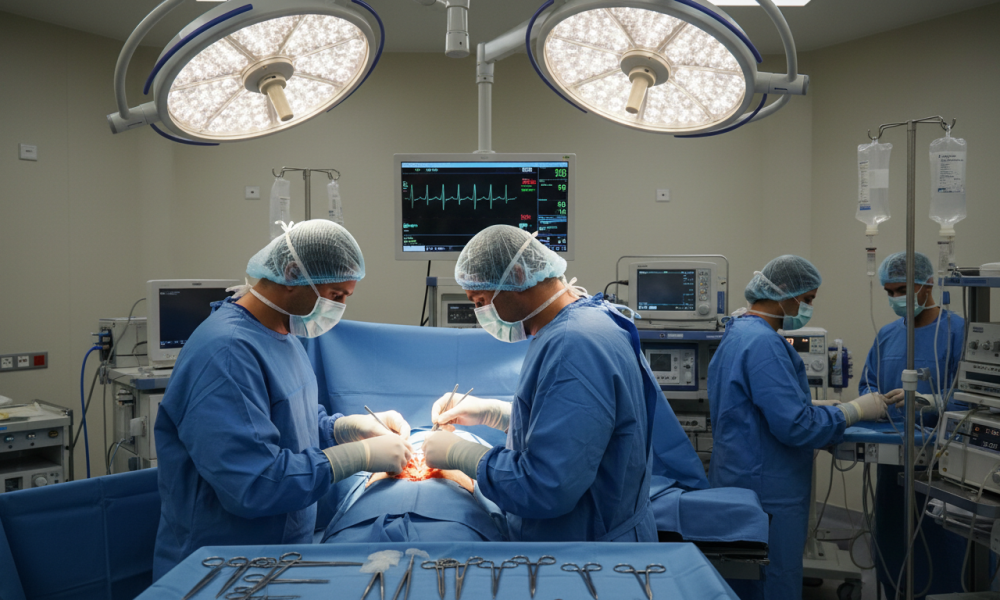
Private clinics in Turkey are much cheaper than in the UK. This means heart surgery costs less, without sacrificing quality. Many Turkish hospitals meet international standards.
Traveling for surgery lets people get top care and save money. These savings can cover travel and stay costs, making it a smart choice for many.
Reduced Waiting Times for Critical Procedures
Time is key with heart issues, as delays can worsen conditions. Turkey’s fast access to heart procedures is a big plus. It helps avoid long UK waiting lists.
Quickly getting a surgery date reduces stress. Being able to plan a procedure in weeks, not months, is a huge benefit for urgent cases.
| Feature | United Kingdom (Private) | Turkey (Private) |
|---|---|---|
| Average Cost | High | Competitive |
| Waiting Time | Variable | Minimal |
| Heart surgery Access | Limited | Immediate |
| Clinical Standards | High | High |
Pre-operative Assessment and Patient Preparation
Starting your journey to better heart health begins at home. A detailed preparation process ensures your surgical treatment is precise and caring.
Remote Consultations and Medical Records Review
Today, you can meet top specialists online, skipping the long flight. You can share your health history and scans securely.
This online review is key to seeing if you’re right for certain surgeries. Make sure to check your doctor’s credentials to be sure. Clear communication with your team helps tailor your treatment to fit you perfectly.
Travel Logistics and Pre-flight Health Checks
After confirming your surgical treatment plan, focus on travel details. Make sure your travel dates match the hospital’s schedule to avoid delays.
Before flying, a pre-flight health check is vital. Your team will guide you on managing your meds and staying active. These steps reduce risks and prepare you for your surgery.
The Surgical Experience: What to Expect in Hospital
Your time in the hospital is designed to keep you safe and comfortable. From the start of your cardiac procedure, a team of experts is there for you. Knowing what to expect can help reduce your worries and prepare you for recovery.
Anaesthesia and Intraoperative Monitoring
Before surgery, you’ll talk to an anaesthetist about your care. They use advanced anaesthesia protocols to keep you comfortable and pain-free. This care is key for both open-heart surgery and minimally invasive surgery.
During surgery, your vital signs are watched closely. This ensures your safety and stability. The team keeps an eye on your heart rhythm and blood pressure to control the surgery.
Post-operative Care in the Intensive Care Unit
After surgery, you’ll go to the Intensive Care Unit (ICU). Here, you’ll be closely monitored by skilled nurses. They check on you often as you start to recover.
The ICU at places like the HCor Hospital do Coracao has the latest technology. Specialists manage your pain and check how your body is doing. This careful approach is important for your health and recovery.
| Stage of Care | Primary Focus | Staff Involved |
|---|---|---|
| Pre-operative | Patient stabilisation | Anaesthetists |
| Intraoperative | Continuous monitoring | Surgeons and Technicians |
| Post-operative | Recovery and comfort | ICU Nursing Team |
Recovery Pathways and Rehabilitation
Your journey to full health starts when you wake up after surgery. A good recovery plan is key to healing right after cardiothoracic surgery. By sticking to these guidelines, you can get back to your life in the United Kingdom with confidence.
Early Mobilisation and Physiotherapy
Rehab starts within a day of your surgery. Early mobilisation is important to avoid problems like blood clots and breathing issues. You’ll work with physiotherapists who help you with gentle exercises and breathing.
These sessions are made just for you. You’ll start with sitting up and then move to short walks. This proactive approach helps a lot after complex surgery.
Monitoring Progress Before Returning to the United Kingdom
Your team will check your progress before you can travel. They look at your vital signs, wound healing, and heart function. This is essential for your safety and peace of mind.
Your team will also check your medication and give you care instructions. They make sure you’re ready for the journey home after your surgery. When they say you’re stable, you can head back to the United Kingdom feeling good about your recovery.
Safety Protocols and Quality Assurance
Thinking about a valve replacement abroad? It’s key to know the safety steps taken. Top Turkish cardiac facilities follow strict international rules to protect patients. They know that clinical excellence starts with careful checks and constant watching.
Infection Control and Sterile Environments
Keeping the environment clean is key to avoiding problems after surgery. Turkish hospitals use HEPA filtration systems and control their operating rooms well. This helps cut down the chance of germs spreading.
Every surgical team member follows strict cleaning rules before surgery. This careful approach helps keep patients safe during their recovery.
Patient Outcomes and Success Rates
Good cardiac centres in Turkey are open about their results. They track important signs to make sure each valve replacement meets high standards. This helps them keep getting better at helping patients stay healthy long-term.
Patients should look at these success rates when choosing a hospital. This information builds trust and shows the hospital’s dedication to accountability and excellence. Here’s a table showing the main safety standards of top facilities.
| Safety Metric | Standard Protocol | Patient Benefit |
|---|---|---|
| Infection Control | ISO Certified Sterilisation | Reduced complication risk |
| Surgical Success | Data-driven valve replacement | Improved long-term outcomes |
| Staff Training | Continuous Medical Education | Expert clinical care |
| Monitoring | 24/7 Intensive Care oversight | Rapid response to needs |
Navigating the Healthcare System as an International Patient
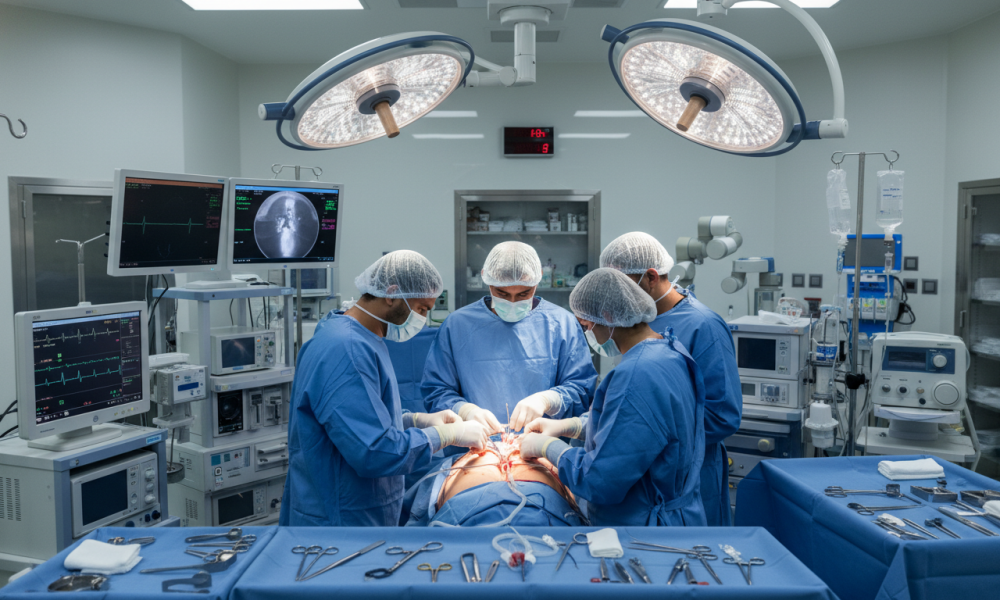
Getting around a foreign healthcare system can be tough for international patients. But, Turkish medical centres have made it easier. They ensure every cardiac procedure is handled clearly and with care. These systems are designed to make things smooth for those from the United Kingdom.
Language Support and Patient Liaison Services
Good communication is key in medical care. To help with language issues, top hospitals in Turkey have dedicated patient liaison officers. These experts speak English well and help you from start to finish.
These services give you lots of help, including:
- 24/7 translation help during visits and stays.
- Help with all the paperwork and medical records.
- Support for you and your family during recovery.
Understanding Medical Insurance and Payment Options
Handling the money side of your cardiac procedure should be easy. Turkish hospitals often deal directly with international insurance, so you don’t have to pay upfront. Make sure your insurance covers you before you go.
If your insurance doesn’t cover everything, clinics have other payment options. You can pay in several ways, including:
- Bank transfers via international wire services.
- Credit and debit card payments at the hospital.
- Payment plans for cardiac procedure packages.
Transparency is a top priority in these places. You’ll get a clear cost breakdown before any treatment starts. Choosing a hospital with a strong international department means your financial and medical needs are in good hands.
Potential Risks and Complications of Valve Replacement
Every surgery has risks, and knowing them helps with recovery. Valve replacement is a top choice for aortic stenosis. But, it’s key to stay alert about your health. Knowing these risks lets you team up with your doctors to avoid them.
Managing Post-surgical Risks
Right after surgery, watch out for common problems. Doctors and nurses work hard to stop infections and watch for bleeding. Spotting these issues early is key for a good outcome.
Moving around early helps avoid blood clots. Listening to your heart team can lower risks. Talking openly with your doctors is the best way to stay safe.
Long-term Follow-up and Medication Management
Recovery from valve replacement goes beyond the hospital. Keeping up with check-ups is vital. Echocardiograms track your valve’s health and catch problems early.
Sticking to your meds is also critical. Some patients need blood thinners to stop clots. Regular visits and meds keep your heart in top shape.
| Potential Risk | Management Strategy | Patient Action |
|---|---|---|
| Infection | Sterile wound care | Monitor site daily |
| Blood Clots | Anticoagulant therapy | Strict medication adherence |
| Valve Dysfunction | Regular echocardiograms | Attend all follow-up appointments |
| Arrhythmia | Cardiac monitoring | Report palpitations immediately |
Comparing Turkish Cardiac Facilities with the NHS
Choosing heart surgery in Turkey means entering a healthcare world focused on you. The NHS offers a wide, universal service. But, Turkish private hospitals aim for a more personal experience, focusing on your comfort and efficiency.
Service Delivery and Patient-Centred Care
Private clinics in Turkey are known for their highly personalised care. They have dedicated officers to help with everything, making your stay smooth and stress-free.
These clinics offer private recovery rooms and quick access to teams of experts. This setup lets doctors focus more on your care and comfort, without worrying about paperwork.
Continuity of Care Upon Returning Home
It’s important to make your return to the UK as smooth as possible. Ask for a detailed summary of your treatment and any images before you leave.
See your GP soon after coming back to talk about your heart surgery care. Give them all the details from your treatment abroad. This helps keep your care consistent with what you received in Turkey.
| Feature | Turkish Private Hospital | NHS Cardiac Care |
|---|---|---|
| Patient Liaison | Dedicated personal support | Standard clinical support |
| Waiting Times | Minimal or non-existent | Variable based on priority |
| Heart surgery focus | High-touch, bespoke care | Evidence-based, universal care |
| Follow-up | Remote digital monitoring | Local GP and specialist clinics |
Legal and Ethical Considerations for Medical Tourism
Deciding to have heart surgery abroad comes with big ethical and legal questions. It’s key to know the local rules to keep your health and safety first. This is true when you travel for surgical treatment.
Patient Rights and Informed Consent
Every patient has the right to clear, detailed info about their medical care. Before starting any surgical treatment, you must get a full explanation. This includes risks, expected results, and other options.
Informed consent is vital in Turkish hospitals. It makes sure you can make choices about your heart health openly. This way, your surgeon will have talked through all your worries before surgery.
Regulatory Oversight of Private Clinics
The Turkish Ministry of Health closely watches the quality in private medical places. These clinics must follow strict national and international standards for surgical treatment and safety.
They get checked regularly and must get accredited. This means hospitals keep high standards of cleanliness and care. By picking a place that meets these strict rules, you know your care is top-notch. This is to protect patients from abroad and make sure they get the best care.
Lifestyle Adjustments Following Aortic Valve Surgery
Getting used to a new routine is key to keeping your heart healthy. The surgery is a big step, but how you live after it matters most. Making these changes will keep your heart strong and improve your life after aortic valve surgery.
Dietary Recommendations and Cardiac Health
Eating right is vital for your heart. Eat whole grains, lean proteins, and lots of fresh veggies to help you heal. Cutting down on salt is also important to avoid fluid buildup, which can stress your heart.
Drinking enough water is also important. It keeps your blood healthy and helps your kidneys, which is key if you’re on new meds. Always talk to your cardiologist before changing your diet or adding supplements after aortic valve surgery.
Physical Activity and Return to Work
Getting back to normal should be slow and gentle. Start with light walking to build up your strength at home. It’s very important to listen to your body and not do too much too soon.
When you can go back to work depends on your job and how fast you recover. People with jobs that don’t require much physical effort might get back sooner. Here are some general recovery stages to help you know what to expect after aortic valve surgery.
| Recovery Phase | Activity Level | Work Status |
|---|---|---|
| Weeks 1-4 | Light walking only | Rest and recovery |
| Weeks 5-8 | Increased duration | Phased return possible |
| Months 3+ | Regular exercise | Full-time duties |
By sticking to these guidelines, your aortic valve surgery can really pay off. Keeping an eye on your health and being proactive will help you get back to your daily life with energy and confidence.
Conclusion
Managing a serious heart condition needs both expert advice and your own effort. Turkey has a strong setup for top-notch surgeries. Now, you can make informed choices with confidence.
Success comes from doing your homework and talking openly with your medical team. Choosing places that follow international standards is key. This way, you get the best care for your heart condition.
Recovery is a big part of getting back to health. Stick to your rehab plan and keep up with check-ups. You’re ready to move forward and regain your strength.
Quality heart care is available for those who plan well. Picking skilled surgeons and trusted clinics leads to good results. This chance can greatly improve your life and future.
FAQ
Q: Why is Turkey considered a premier destination for aortic valve surgery compared to the United Kingdom?
A: Turkey is chosen by many from the UK for its top-notch care and value. The Acıbadem Healthcare Group is a leading example, with world-class facilities and skilled doctors. The quick treatment times in Turkey help patients get help fast, stopping their heart condition from getting worse.
Q: What are the primary symptoms of aortic stenosis that require professional evaluation?
A: Symptoms include shortness of breath, feeling very tired, and chest pain, often when you’re active. Dizziness or fainting is also a warning sign. Turkish specialists use advanced tests to see if surgery is needed to fix blood flow.
Q: How do Turkish hospitals maintain international standards for heart surgery?
A: Top Turkish hospitals, like Memorial Hospitals Group, have Joint Commission International (JCI) accreditation. This is a top mark in healthcare worldwide. They follow strict safety rules, making sure surgeries are safe and successful, just like in Western Europe.
Q: What is the difference between traditional valve replacement and minimally invasive surgery?
A: Traditional surgery opens the chest, needing a longer recovery. Minimally invasive surgery uses smaller cuts, often between the ribs. This method, used at places like Florence Nightingale Hospital, means less pain, less scarring, and a quicker recovery.
Q: Are the cardiothoracic surgeons in Turkey appropriately qualified for complex cardiac procedures?
A: Yes, Turkish heart surgeons are very skilled. Many have trained in the UK, Europe, or the US. They work with a team of doctors to give each patient a custom care plan.
Q: How is the pre-operative assessment conducted for international patients?
A: It starts with online talks where Turkish doctors review your health records and scans. This checks if you’re a good candidate for surgery before you travel. In Turkey, more checks are done to make sure you’re safe for surgery.
Q: What should I expect during the recovery phase in a Turkish hospital?
A: Right after surgery, you’ll be in a top ICU unit. The team will focus on getting you moving and doing exercises. Places like Anadolu Medical Center make sure you’re comfortable and ready to go home or back to the UK.
Q: Is there language support available for English-speaking patients?
A: Yes, most big hospitals in Turkey have teams that speak English. They help with everything, making sure your treatment is smooth and you can communicate easily.
Q: How are the risks and complications of valve replacement managed?
A: Turkish hospitals take strict measures to avoid problems. They watch you closely during surgery and give you careful care after. They also teach you how to take your medicines and follow up with your doctor to keep your new valve healthy.
Q: What lifestyle adjustments are recommended after undergoing aortic valve surgery?
A: You’ll be advised to eat well and start exercising slowly. Turkish doctors give you tips to keep your heart healthy long-term. It’s important to see your UK doctor regularly to check on your progress and the success of your surgery.
Q: Who provides regulatory oversight for private cardiac clinics in Turkey?
A: The Turkish Ministry of Health watches over all private health care. This means every hospital doing heart surgery meets high standards, giving patients safe and quality care.
Related guides

Turkey Hospitals vs Local Hospitals Compared
A lower procedure quote can get a patient’s attention. It should not make the decision on its own.…

Patient Experience That Drives Trust and Growth
A patient who has already uploaded medical records, compared providers, and arranged time away from work is not…

What Is a Medical Travel Facilitator and Why Use One?
A lower treatment quote can look compelling until you try to compare what it actually includes: surgeon fees,…