
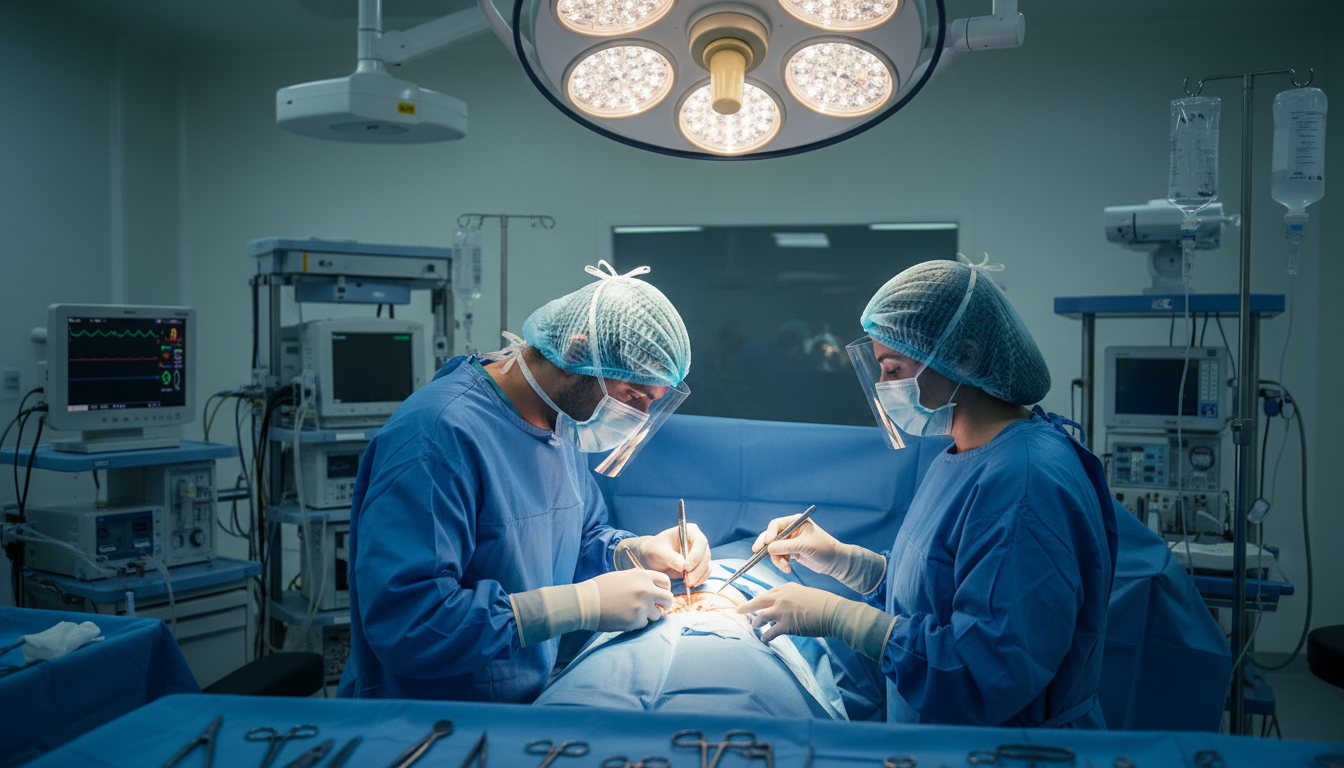
More and more patients from the UK are choosing to get world-class medical care abroad. They want top-notch treatment without the long waits at home. Turkey is becoming a top choice for urgent or planned Appendectomy (Appendix Surgery).
Turkish hospitals are known for their modern infrastructure and skilled doctors. Patients get a smooth experience, from first meeting to recovery. Turkey focuses on keeping patients safe and ensuring top care, giving each person personalised attention.
Deciding to travel for health is big. By picking a trusted place in Turkey, you get access to the latest tech and expert care. This gives you peace of mind, knowing you’re getting reliable medical help.
Key Takeaways
- Turkey offers high-quality medical services for UK patients seeking alternatives to local waiting lists.
- The country is recognised for its modern hospitals and advanced clinical technology.
- Patient safety and professional standards remain the top priorities in Turkish medical centres.
- Choosing to travel abroad allows for a more efficient and streamlined treatment process.
- Expert medical teams provide complete support throughout the entire recovery period.
Understanding Appendicitis and the Need for Surgery
Spotting the early signs of an inflamed appendix is key to a quick recovery. Appendicitis happens when the appendix gets blocked and swells. This condition needs appendicitis treatment from a doctor to fix it safely.
Recognising the Symptoms of Acute Appendicitis
The main sign is a sharp pain starting near the navel and moving to the lower right abdomen. This pain gets worse over time, making it hard to move or cough.
Look out for other concerning symptoms like a high fever, nausea, and not feeling like eating. If your belly is swollen or you can’t pass gas, get medical help fast to prevent worse problems.
The Importance of Timely Surgical Intervention
Acting quickly is vital because an inflamed appendix can burst. If it does, it spills bacteria into the belly, causing a serious infection called peritonitis.
Timely surgical intervention is the best treatment. It removes the infection source before it spreads. This approach greatly lowers the chance of long-term health issues and helps you recover faster.
Why Turkey Has Become a Leading Destination for Appendectomy
Turkey has become a top choice for medical tourism. Over the last ten years, it has invested a lot in its medical sector. This investment has made Turkey’s services as good as those in Europe.
Patients get world-class treatment in a modern setting. This ensures they receive top-notch care.
Advancements in Turkish Healthcare Infrastructure
Turkey has seen a lot of investment in its medical field. Clinics now have state-of-the-art surgical theatres. These theatres use the latest technology for surgeries.
This technology helps surgeons work more precisely. It often means patients can recover faster.
Hospitals also focus on patient comfort and recovery. They offer modern amenities to support a smooth healing process. This focus on comprehensive care makes every part of the surgical journey better.
Accreditation and International Standards in Turkish Hospitals
Top Turkish hospitals put patient safety first. Many have Joint Commission International (JCI) accreditation. This shows they meet global quality and safety standards.
Choosing an accredited hospital means patients know they’re getting the best care. The table below shows what makes Turkish medical care stand out.
| Standard Category | Focus Area | Patient Benefit |
|---|---|---|
| Clinical Governance | Evidence-based protocols | Consistent surgical outcomes |
| Safety Standards | JCI-certified hygiene | Reduced infection risk |
| Technology | Advanced diagnostic tools | Accurate, rapid diagnosis |
| Staff Expertise | Board-certified surgeons | High-level surgical skill |
The Appendectomy Procedure Explained
The appendectomy procedure has changed a lot in recent years. It now offers safer and quicker recovery times. Surgeons in Turkey use the latest techniques to help patients get better fast.
Laparoscopic Appendectomy: The Minimally Invasive Approach
Today, most people have a laparoscopic appendectomy. It’s seen as the best way to do surgery now. This method uses small cuts in the belly instead of a big one.
A camera and special tools go through these small openings to take out the appendix. This means patients usually feel less pain and can get back to normal life sooner.
Open Appendectomy: When Traditional Surgery is Necessary
Even though new methods are preferred, an open appendectomy is sometimes needed. This traditional surgery uses a bigger cut in the lower right belly to reach the appendix.
This is often the case when the appendix has burst or there’s a big infection nearby. The surgeon needs a bigger area to clean and fix things properly.
| Feature | Laparoscopic | Open |
|---|---|---|
| Incision Size | Small (Keyhole) | Larger (Traditional) |
| Recovery Time | Rapid | Moderate |
| Hospital Stay | Short | Extended |
| Best For | Routine Cases | Complex/Ruptured |
Benefits of Choosing Turkey for Your Appendix Surgery
Traveling to Turkey for appendix surgery offers more than just saving money. People from the UK are picking it for top-notch care and patient focus. Choosing a well-known facility means your health is always first.
Cost-Effectiveness Compared to the United Kingdom
One big appendectomy benefit is the big cut in medical costs. Turkey’s care quality is high, but costs are lower than in UK private clinics. This means you get top surgery without breaking the bank.
Many find the whole trip, including travel and stay, cheaper than a private surgery at home. This savings doesn’t mean you’re sacrificing safety or quality. It shows Turkey’s healthcare market is competitive.
Access to World-Class Surgeons and Modern Technology
Turkey has many skilled surgeons with international qualifications. They bring a lot of experience to the table, making sure every appendix surgery is done right. You’ll be treated by experts up-to-date with global medical standards.
The top Turkish hospitals have modern setups that meet international standards. Patients get:
- Advanced diagnostic tools and top-notch imaging.
- Modern operating theatres for minimally invasive procedures.
- Teams focused on comprehensive post-operative support.
- Places that focus on patient comfort and recovery.
Choosing a clinic with the latest tech means a safer, quicker recovery. These appendectomy benefits mean you get the best care and attention you deserve.
Preparing for Your Medical Journey to Turkey
A successful medical trip from the United Kingdom to Turkey needs meticulous organisation and clear communication. By planning well before you leave, you can make your surgical experience stress-free. This way, you can focus on recovering once you arrive.

Initial Consultations and Medical Records Review
The first step is to talk clearly with your chosen clinic. You must share your comprehensive medical history and any recent tests with the team. This lets them review your case fully before you leave.
Many clinics offer virtual consultations through secure video. These chats are great for discussing your health needs and asking questions. It’s key to have your medical records correct and current for a safe surgery.
Logistical Planning: Flights, Accommodation, and Transfers
After scheduling your surgery, start planning your travel. Book flights that let you arrive calmly, giving you time to settle before your hospital stay. Choosing the right accommodation is also key, as you’ll need a comfy place for your recovery.
Top medical providers in Turkey often have all-inclusive packages that include hospital transfers. These services make sure you’re safely moved from the airport to your hotel or clinic. Always check these plans in advance to ensure a smooth trip.
What to Expect During Your Hospital Stay
Your stay in Turkey’s hospitals is designed to give you top care from start to finish. The medical facilities are modern and professional, making your experience smooth and reassuring. They focus on your wellbeing every step of the way.
Pre-operative Assessments and Anaesthesia Protocols
You’ll have detailed medical checks before surgery. These checks are key to making sure you’re ready for the procedure. A team of experts will look at your medical history and do tests to make the surgery fit your needs.
Talking to your anaesthetist is a big part of this. They’ll explain the anaesthesia protocols to you. This careful planning helps keep you safe and comfortable during the surgery.
Post-operative Care and Monitoring by Medical Staff
After surgery, you’ll go to a recovery area. Here, you’ll be watched closely by skilled medical staff. They’ll keep an eye on your vital signs to help you recover well.
The nursing team is dedicated to your comfort and safety. They’ll help you through the healing process, giving you clear instructions and support. This close monitoring means any problems are quickly spotted and dealt with, so you can focus on getting better.
Appendectomy Recovery Timeline and Aftercare
Your recovery starts when you wake up after your appendectomy. Doctors and nurses work hard to make sure you’re comfortable and safe before you go home.
Immediate Post-operative Recovery in the Hospital
After the surgery, you’ll go to a recovery room. Nurses will watch your vital signs closely. They’ll give you medicine to manage your pain.
Getting up and moving is important to avoid blood clots. You might sit up or take short walks in the first 24 hours. The medical team will focus on:
- Checking your blood pressure and heart rate.
- Looking for signs of infection at the surgical site.
- Starting you on fluids and light meals.
- Teaching you how to move safely.
Returning Home: Managing Recovery in the United Kingdom
Going home in the United Kingdom needs a careful plan for a smooth appendectomy recovery. It’s important to follow your doctor’s instructions to avoid problems.
You should rest for one to two weeks, depending on your job and how active you are. Keep your wound clean and dry. Watch for any signs of infection like redness or swelling.
If you have a fever or pain that doesn’t go away, call your GP or the clinic. Talking to your healthcare team helps them fix any issues quickly as you get stronger.
Potential Risks and Complications of Appendectomy
It’s important to know about possible complications before getting an appendectomy abroad. This surgery is common but comes with risks. Knowing these helps you make better choices for your health and recovery.
Understanding Surgical Risks and Mitigation Strategies
Every surgery has risks like infection, bleeding, or anaesthesia reactions. But, appendectomy risks are lowered with strict medical rules. Turkish hospitals focus on safety with modern surgery and clean environments.
Doctors in Turkey use prophylactic antibiotics to stop infections. They also watch you closely while you’re in the hospital. This way, any small problems are fixed quickly, helping your recovery.
Recognising Warning Signs During the Healing Process
After you go home, watch your body’s signs closely. Most people get better without trouble, but some might face appendectomy complications. Spotting these early helps your healing.
If you have a high fever, more pain, or swelling, call your doctor. Redness or discharge from stitches could mean infection. By watching for these signs and following your surgeon’s advice, you can recover well.
Comparing Healthcare Costs: Turkey vs. The United Kingdom
Looking at the cost of an appendectomy, we see big differences between the UK and Turkey. The prices for private care in the UK are high. But, Turkish clinics offer much lower rates. It’s important to know these differences if you’re planning surgery.
Breakdown of Surgical Expenses and Hidden Costs
When we talk about the cost of an appendectomy, we must look at more than just the surgery itself. In the UK, you’ll pay extra for things like anaesthetists and theatre time. But, Turkish hospitals often have all-inclusive packages that make things simpler.
When planning your budget, remember to include:
- Initial specialist consultations and diagnostic imaging.
- Hospital stay duration and room category.
- Post-operative medications and follow-up care.
- Logistical expenses such as flights and local transfers.
Transparency is key when getting quotes from clinics abroad. Always ask for a detailed breakdown to avoid surprise costs.
| Expense Category | United Kingdom (Private) | Turkey (Private) |
|---|---|---|
| Surgical Procedure | High | Competitive |
| Hospital Stay | Premium | Included/Affordable |
| Consultations | Variable | Often Bundled |
Insurance Considerations for International Medical Procedures
Getting insurance for surgery abroad can be tricky. Most UK private insurance covers only domestic treatment. It’s highly recommended to talk to your insurer early about your options.
Some insurers might offer international coverage or reimbursement. But, you’ll need to get approval first. Here are some steps to help manage your finances:
- Check your policy for “out-of-network” or international treatment clauses.
- Keep all original invoices and medical reports for claims.
- Think about specialised medical travel insurance for extra protection.
By taking these steps, you can feel more secure about your finances. Make sure your chosen clinic is recognised by international insurers for easier claims.
Selecting the Right Surgeon and Clinic in Turkey
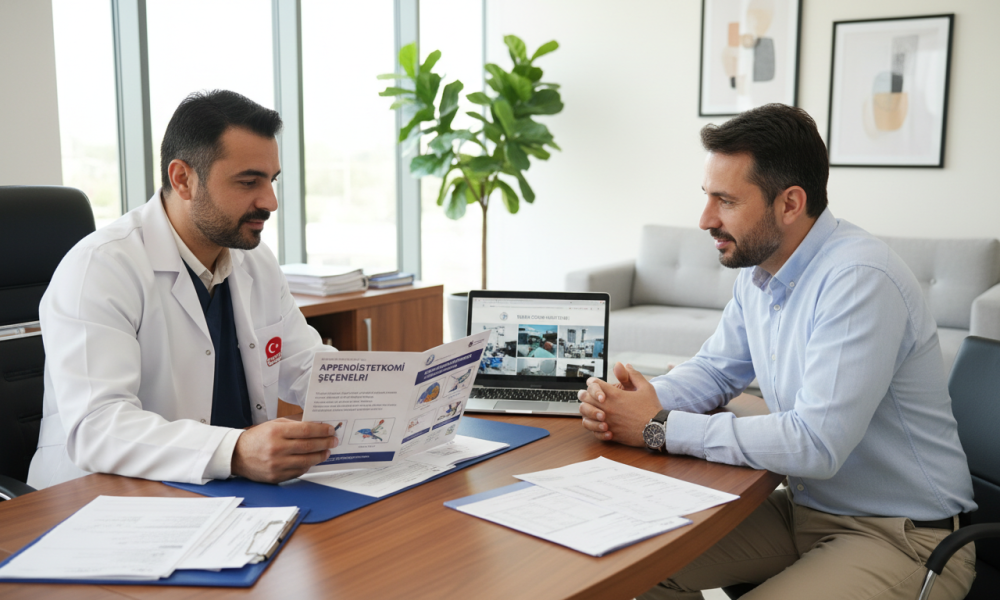
Choosing a surgeon abroad is a big decision. It’s about your safety and the success of your surgery. Make sure to check the surgeon’s qualifications for peace of mind.
Researching Surgeon Credentials and Experience
First, check if your surgeon is board certified. Look for those in recognised surgical groups. This shows they follow high clinical standards.
It’s also key to ask about their experience with laparoscopic appendectomy. A surgeon who does this often will handle problems better. Ask for their success stories and how long they’ve been practicing.
Evaluating Patient Reviews and Hospital Success Rates
The hospital’s reputation matters too. Look for places with international accreditations, like the Joint Commission International (JCI) seal. These show they follow rigorous safety and hygiene protocols like in the UK.
Reading patient reviews can give you a good idea of the care you’ll get. Look for comments on communication, nursing, and facility cleanliness. Use the table below to compare clinics.
| Selection Criteria | High-Quality Clinic | Standard Clinic |
|---|---|---|
| International Accreditation | JCI Certified | Local Certification Only |
| Surgeon Experience | Over 10 Years | Under 5 Years |
| Patient Support | Dedicated English Liaison | Limited Language Support |
| Post-Op Monitoring | 24/7 Medical Staff | On-Call Basis |
Legal and Ethical Considerations for Medical Tourists
Choosing to have surgery abroad means you need to know the legal and ethical rules. This is to keep your health and safety safe. It’s important to be proactive when going for medical tourism.
Make sure to check the doctor’s credentials before you go. This ensures they meet international standards. Verifying their qualifications and ethics helps build trust before you leave the UK.
Understanding Your Rights as an International Patient
As an international patient, you have certain patient rights. These include the right to know what’s happening, access to your medical records, and privacy. These rights are important and should be respected by any clinic in Turkey.
Before agreeing to anything, make sure you understand the legal rules. Transparency is key. You should be able to ask about the clinic’s policies and how they protect you.
Ensuring Continuity of Care Between Countries
Good communication between your Turkish team and your UK doctor is vital. Make sure all important medical information is in English. This helps your recovery back home.
Keeping a detailed record of your treatment is important. It helps your local doctor manage your recovery. This continuity of care ensures your follow-up treatments are right.
| Aspect | Domestic Care (UK) | International Care (Turkey) |
|---|---|---|
| Regulatory Oversight | CQC Regulated | Ministry of Health Standards |
| Medical Records | Integrated NHS System | Patient-Managed Documentation |
| Legal Recourse | UK Courts | Local Turkish Jurisdiction |
| Follow-up Support | Local GP Access | Remote Coordination Required |
The Role of Medical Tourism Agencies
A medical tourism facilitator is your link to top-notch healthcare in Turkey. Planning an appendectomy abroad can be tough. These agencies make your trip safe, smooth, and well-organised.
How Agencies Facilitate Your Surgical Journey
Agencies aim to make your surgical journey easy from start to finish. They sort out flights, hotels, and airport transfers for you. This lets you focus on getting better.
They also help with language barriers by translating for you and the medical team. They’re your go-to person, ensuring your medical needs are met and questions answered. This support is key when choosing a medical destination.
Choosing a Reputable Facilitator for Your Treatment
Picking the right medical tourism agency is key. Look for ones that are open about their hospital and surgeon partnerships. A good agency will show you proof of the clinic’s standards and the surgeon’s skills.
Check out patient reviews and ask for references. A reliable agency will have a clear agreement outlining what you’ll get. Choosing carefully means you get the best care and support.
Post-Surgery Lifestyle and Long-Term Health
Your journey to full health doesn’t end when you leave the hospital in Turkey. The surgery is just the first step. How you recover in the weeks after is key to your long-term well-being.
By taking a balanced approach, your body can regain its strength. This will help you return to normal function.
Dietary Adjustments Following Appendix Removal
Your digestive system may feel sensitive after surgery. Start with light, easily digestible meals to ease the strain on your abdomen. Include soups, lean proteins, and cooked vegetables in your diet.
Drinking plenty of water is also vital for recovery. It helps prevent constipation, a common issue after anaesthesia. As you get stronger, you can add high-fibre foods to support your long-term digestive health.
Resuming Physical Activity and Work Duties
Returning to your daily routine should be slow. Start with light walking to improve circulation and prevent blood clots. But, avoid heavy lifting or strenuous exercise for at least four to six weeks, or until your surgeon says it’s okay.
When thinking about going back to work, listen to your body. Jobs that involve physical labour may need more time off than office jobs. Patience is essential during this time to avoid harming your healing tissues.
Watch your incision site for any signs of redness or swelling as you increase activity. If you have persistent pain or discomfort, contact your medical team. These precautions help ensure a safe and successful transition back to your normal lifestyle.
Navigating the Appendectomy (Appendix Surgery) Process
Choosing to have an Appendectomy (Appendix Surgery) is a big step. It needs careful planning and focus. Knowing what to expect can help you feel more confident and calm.
Summary of Steps from Diagnosis to Full Recovery
The journey to health is well-planned to keep you safe and comfortable. It starts with a diagnosis and ends with you back to your normal life in the UK.
- Initial Consultation: Looking at your medical history and confirming surgery is needed.
- Logistical Planning: Booking flights, accommodation, and transfers to your clinic.
- Surgical Procedure: Having the appendix surgery with skilled medical staff.
- Post-operative Care: Watching your recovery in the hospital before you can travel.
- Long-term Healing: Following diet and activity advice when you’re home.
Final Advice for Patients Travelling Abroad
Good communication with your clinic is key to success. Make sure your medical records are shared safely. Also, understand the post-operative instructions from your surgeon.
Being well-prepared is your best ally for an Appendectomy (Appendix Surgery) abroad. Keep all your documents in order. Have a list of emergency contacts for your home and destination. This way, you can focus on getting better and staying healthy after your appendix surgery.
Conclusion
Choosing an appendectomy in Turkey is a smart move. It combines top-notch care with cost savings. Patients from the UK get access to advanced surgical facilities. These places focus on safety and the latest medical techniques.
This option is great for those who want quality care fast. Unlike the long waits in the UK, Turkey offers quick service.
Success in this journey depends on your research and planning. Make sure your surgeon is qualified and the clinic is accredited. Working with trusted medical tourism agencies can help a lot.
Being proactive about your health is key. Choose experienced doctors and prepare well for recovery. This way, you can quickly get back to your normal life.
Take charge of your health by making smart choices. Pick what’s best for you and your health goals.
FAQ
Q: What is an appendectomy and why is it considered an emergency procedure?
A: An appendectomy is when the appendix, a small pouch near the large intestine, is removed. It’s done quickly because of appendicitis, where the appendix gets inflamed and infected. If not treated fast, the appendix can burst, causing serious problems like peritonitis or abscesses in the belly.
Q: Why are many patients from the United Kingdom choosing Turkey for their appendix surgery?
A: Turkey offers top-notch healthcare at lower costs than in the UK. Places like the Acıbadem Healthcare Group and American Hospital Istanbul have modern facilities and skilled surgeons. This means patients get excellent care without long NHS waiting times.
Q: What is the difference between a laparoscopic and an open appendectomy procedure?
A: Laparoscopic surgery is a small cut method using a camera to remove the appendix. It’s popular in Turkey for quicker recovery and less scarring. Open surgery, with a bigger cut, is for more complex cases like a burst appendix or severe infection.
Q: What are the common appendectomy risks and how are they managed in Turkish hospitals?
A: Risks include infection, bleeding, or anaesthesia reactions. Turkish hospitals use strict safety measures. They give antibiotics before surgery and check patients’ health before the operation.
Q: How long is the typical appendectomy recovery period after returning to the UK?
A: Recovery in Turkey is 1 to 2 days. Back in the UK, you can start desk work in a week. But, avoid heavy lifting and hard work for four to six weeks to heal fully.
Q: Are the surgeons in Turkey sufficiently qualified to perform complex appendicitis treatment?
A: Yes. Turkish surgeons are highly skilled, often part of international groups like the European Association for Endoscopic Surgery (EAES). They have training in Europe or the US, ensuring top-notch care.
Q: How much can I expect to save on the cost of an appendectomy in Turkey?
A: You can save up to 50% to 70% compared to UK private healthcare. This includes surgery, hospital stay, meds, and sometimes travel and hotel costs.
Q: How do medical tourism agencies facilitate the process for international patients?
A: Agencies like HealthTurca or ClinicHub help a lot. They handle your medical records, book your surgery, and arrange for patient coordinators. They make sure your journey is smooth from Turkey to the UK.
Q: What dietary adjustments should I make following my appendix surgery?
A: Start with clear liquids, then soft foods as you get better. Most can eat normally in a few weeks. Eat fibre-rich foods and drink lots of water to avoid constipation and strain.
Q: How can I verify the credentials of a Turkish clinic before booking my surgery?
A: Look for clinics with Joint Commission International (JCI) accreditation or Turkish Ministry of Health certification. Reading patient reviews on Trustpilot and talking directly to the surgical team can also give you confidence in their care.
Related guides

Healthcare Content Compliance Guide for Growth
A high-performing treatment page can generate international patient inquiries within hours. It can also create material risk if…

Turkey Hospitals vs Local Hospitals Compared
A lower procedure quote can get a patient’s attention. It should not make the decision on its own.…

Patient Experience That Drives Trust and Growth
A patient who has already uploaded medical records, compared providers, and arranged time away from work is not…