
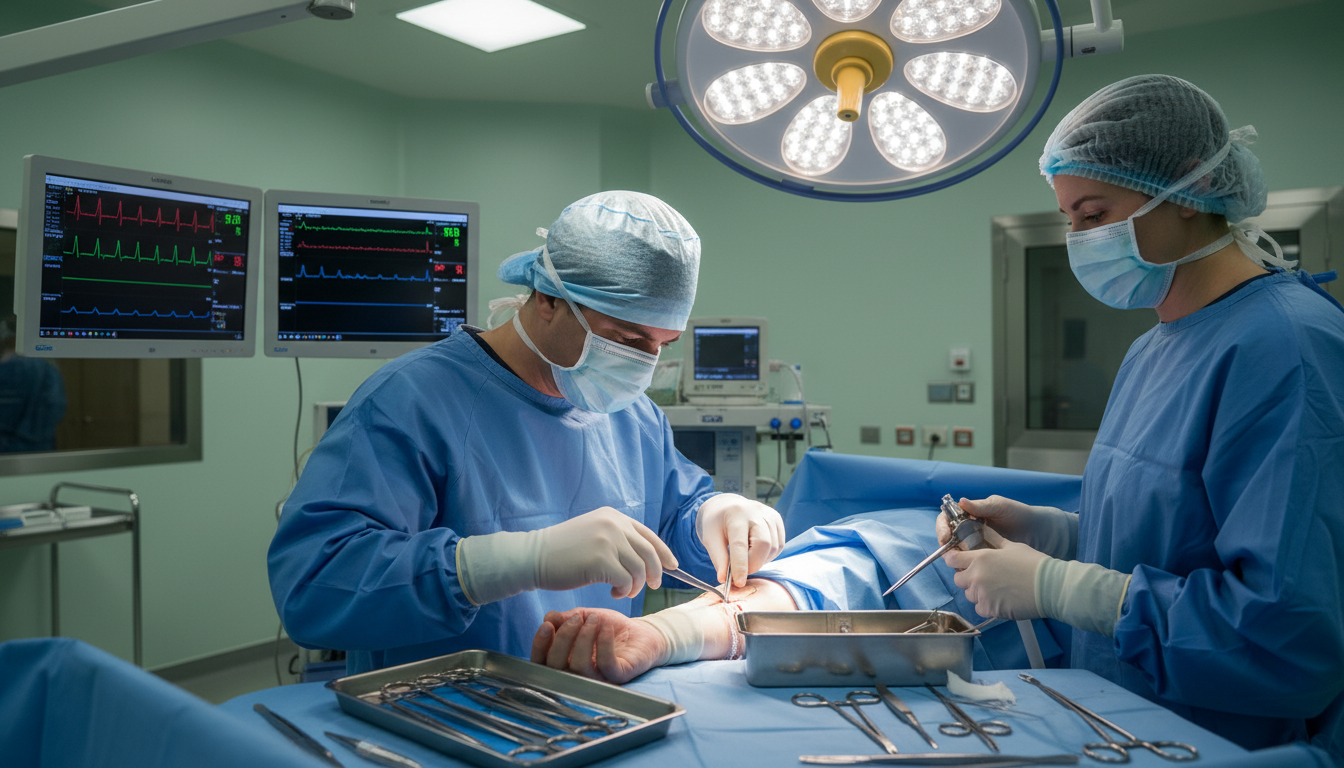
More and more patients in the UK are looking abroad for top-notch kidney care. They want quick access to expert treatment and the best facilities. Turkey is becoming a top choice for vascular procedures.
Getting Arteriovenous (AV) Fistula Surgery in Turkey means you’re in good hands. The medical teams are very experienced. They aim to give outstanding results and keep patients safe every step of the way. This choice can greatly improve your life while on dialysis.
Combining the latest technology with a focus on patients, Turkey offers the best care to UK visitors. This environment builds trust. It lets patients concentrate on getting better and reaching their health goals.
Key Takeaways
- More UK patients are choosing Turkey for kidney care.
- Medical teams in Turkey are very skilled and safe.
- Getting care abroad can make dialysis life better.
- Modern facilities meet international standards.
- There’s professional help for patients every step of the way.
Understanding the Role of Vascular Access in Dialysis
The success of long-term dialysis treatment relies on the quality of your vascular access. This connection is key, linking your blood to the dialysis machine. Without it, removing waste from your blood becomes much harder.
The Importance of Reliable Access for Renal Patients
For those with end-stage renal disease, reliable vascular access is essential. It must handle high blood flow rates well during dialysis. Without it, treatment can be disrupted, affecting your life quality.
A good vascular site is vital for effective dialysis. It helps the machine process blood well. This is crucial for keeping your health stable and preventing toxin buildup. Picking the right method for your body is key to long-term health.
Why Arteriovenous Fistula is the Gold Standard
Doctors agree that AV fistula creation is the best choice for long-term kidney care. This surgery connects an artery to a vein in your arm. It makes the vein strong for repeated needle use.
Compared to grafts or catheters, an AV fistula for dialysis has lower infection risks. It’s made from your own tissue, so your body is less likely to reject it. This makes it last longer, often for years with proper care.
The table below shows the main differences between vascular access types used today:
| Access Type | Infection Risk | Durability | Flow Rate |
|---|---|---|---|
| AV Fistula | Very Low | Excellent | High |
| Synthetic Graft | Moderate | Good | High |
| Central Catheter | High | Low | Moderate |
Why Turkey Has Become a Leading Destination for Medical Tourism
Modern medical facilities in Turkey now offer top-notch care, rivaling the best in Europe. The country has invested a lot in its health sector. This ensures patients get world-class treatment in a professional setting.
This focus on excellence has made Turkey a top choice for those looking for reliable surgery.
Advancements in Turkish Healthcare Infrastructure
Turkish hospitals have modernised quickly, adopting cutting-edge technology. They use advanced diagnostic tools and robotic systems for surgery. This technology makes surgeries safer and more efficient.
The care in Turkish hospitals is also patient-focused. Hospitals aim to make visitors feel comfortable and stress-free. This approach ensures a smooth surgical journey, with utmost care and attention.
Accreditation and Standards of Turkish Hospitals
Turkish hospitals follow strict international standards to stay competitive. Many have certifications from bodies like the Joint Commission International (JCI). These certifications are a guarantee of quality, showing the hospital meets high safety and hygiene standards.
The table below shows what makes Turkish medical facilities stand out:
| Feature | Standard Clinic | Accredited Turkish Hospital |
|---|---|---|
| Technology | Basic Equipment | Advanced Robotic Systems |
| Staff Training | Local Certification | International Fellowship |
| Safety Protocols | Standard Compliance | JCI Certified Standards |
| Patient Support | Limited | Dedicated International Teams |
Choosing an accredited Turkish hospital gives patients peace of mind. It means your surgery will be in a safe and professional environment. Turkey’s commitment to quality is key to its success in medical tourism.
The Arteriovenous (AV) Fistula Surgery Procedure
The journey to successful dialysis starts with a precise surgery. It’s important to check your clinic or hospital first. This ensures your treatment is safe and effective.
Pre-operative Assessment and Mapping
Your surgeon will do a detailed vascular mapping before surgery. They use ultrasound to find the best veins and arteries in your arm.
Accurate mapping is key for a good outcome. It helps the team find the best spot for the procedure. This reduces the chance of future problems.
Surgical Techniques for Fistula Creation
In the Arteriovenous (AV) Fistula Surgery, a surgeon connects an artery to a vein. This is called anastomosis. It lets high-pressure blood flow into the vein.
The aim is to make the vein stronger over time. This is needed for dialysis. Surgeons use careful techniques to make sure the connection works well.
Anaesthesia Options and Patient Comfort
Your comfort is a big concern during surgery. Most patients have the procedure under local anaesthesia. This is often with sedation to keep you relaxed.
- Local Anaesthesia: Numbs the area to stop pain during the cut.
- Regional Blocks: Numbs more of your arm.
- Sedation: Keeps you calm while the surgeon works on your AV fistula creation.
Choosing the right anaesthesia for your Arteriovenous (AV) Fistula Surgery depends on your history and what you prefer. Talking to your team about this will make you feel more ready for the surgery.
Benefits of Choosing Turkey for Your Vascular Access Surgery
Choosing where to have a medical procedure is a big decision for anyone dealing with kidney health. Many people in the UK are looking abroad for care that’s both timely and top-notch. Turkey is becoming a premier destination for vascular access surgery in a caring setting.
Cost-Effectiveness Compared to the United Kingdom
Medical tourism is often driven by cost differences between countries. Patients often find that vascular access surgery in Turkey is much cheaper than private care in the UK.
This lower cost doesn’t mean lower quality. It shows Turkey’s medical sector has lower costs and is more competitive. Here are some financial benefits:
- Lower surgical fees compared to UK private clinics.
- Inclusive packages often covering hospital stays and local transport.
- Transparent pricing models with no hidden administrative costs.
Access to Experienced Vascular Surgeons
Turkey has many skilled medical professionals, trained at top institutions. Many surgeons in vascular access surgery have lots of experience with international patients.
These experts use the latest technological advancements for the best results. By choosing Turkey, you get access to top-notch care and a focus on patient safety.
Reduced Waiting Times for Essential Procedures
Time is key when it comes to kidney health. UK healthcare can have long waits for non-urgent but vital surgeries.
Traveling for surgery means you avoid these delays. You can get your vascular access surgery quickly. This efficiency lets you focus on recovery and health goals without worry.
Preparing for Your Medical Journey to Turkey
Planning your trip to Turkey for surgery needs careful steps before you fly. By being proactive, your journey can be smooth, efficient, and stress-free. Good preparation lets you focus on getting better once you’re there.
Consultation and Medical Records Preparation
Good communication with your surgical team is key. Gather all your recent health records, like blood tests and scans. Sharing these early helps Turkish doctors understand your health before you go.
Also, ask your GP for a list of your medicines and any allergies. This info helps the team plan your care. Clear communication now avoids delays and boosts your confidence in treatment.
Travel Logistics and Accommodation Planning
Think about your recovery needs when booking travel. Choose flights with more space or the chance to move. Many find direct flights less tiring.
Choosing the right place to stay is also key. Pick hotels or apartments near the clinic for easy access. Prioritising comfort and accessibility helps you rest well and heal.
Post-operative Recovery Expectations
Knowing what happens after surgery is important. You’ll get clear instructions on wound care and monitoring your access site. Following these carefully helps your fistula heal well and avoids problems.
Make sure to rest well after surgery before getting back to normal. Your team will tell you when you can start light activities and when to come back for a check-up. Listening to your body ensures the best results for your vascular access.
Understanding AV Fistula Maturation and Success Rates
It’s important to know how your body adjusts after getting a vascular access. In the first few weeks, the vein grows and gets stronger. This is called AV fistula maturation. It prepares the vein for the high blood flow needed for dialysis.
The Timeline for Fistula Maturation
Doctors usually say wait six to twelve weeks before using the fistula for the first time. This time lets the vein get strong enough for dialysis.
Trying to use it too soon can cause problems. Being patient during this time is key for a long-lasting vascular access.
Factors Influencing Long-term Patency
Many things affect how long the AV fistula stays open. Your health, like blood pressure and diabetes, is very important. It helps the vein grow well.
The skill of the surgeon also matters a lot. In Turkey, doctors use advanced techniques. This ensures the artery and vein connect well, helping blood flow for years.
Monitoring Progress After the Operation
It’s important to keep an eye on the fistula as it develops. Look for a vibration and a sound when you press on it. Do this every day.
If the vibration gets stronger or the area hurts, tell your doctor right away. Regular checks can spot problems early, keeping your dialysis on track.
| Stage of Development | Key Indicator | Action Required |
|---|---|---|
| Early Post-Op | Wound healing | Keep site clean and dry |
| Maturation Phase | Visible vessel enlargement | Monitor for thrill and bruit |
| Ready for Use | Strong, consistent flow | Consult with your nephrologist |
Managing Arteriovenous Fistula Complications
Surgery for an arteriovenous fistula is usually successful. But, knowing about possible arteriovenous fistula complications is key. Keeping an eye on your access site is important. It helps keep it working well and supports your kidney health.
Being informed helps spot small problems early. This way, you can avoid bigger health issues.
Recognising Early Signs of Infection or Stenosis
Infection is a big risk that needs immediate attention. Look out for signs like redness, warmth, or tenderness at the site. If you see pus or discharge, call your doctor right away.
Stenosis, or vessel narrowing, can develop slowly. You might find your fistula takes longer to stop bleeding after dialysis. Or, the site might look swollen. Catching these signs early is key to avoiding total access failure.
Thrombosis and Flow Issues
Thrombosis is when a blood clot forms in the fistula, stopping blood flow. A healthy fistula has a “thrill,” a gentle vibration. If this vibration weakens or goes away, it could mean a clot or flow problem.
Checking your access site daily is important. Any changes in the sound or feel of the fistula need quick action. Early treatment of these arteriovenous fistula complications can often prevent more serious problems.
When to Seek Immediate Medical Attention
Some symptoms need urgent medical help to protect your vascular access. Seek help right away if you have:
- Severe, throbbing pain at the access site.
- Sudden swelling or a large, firm lump that appears rapidly.
- Fever or chills, which may indicate a systemic infection.
- Complete loss of the pulse or vibration in the fistula.
If you notice these signs, don’t wait for your next appointment. Prompt medical intervention is best to keep your access working. Always have your clinic’s emergency contact handy for peace of mind.
Best Practices for Daily AV Fistula Care
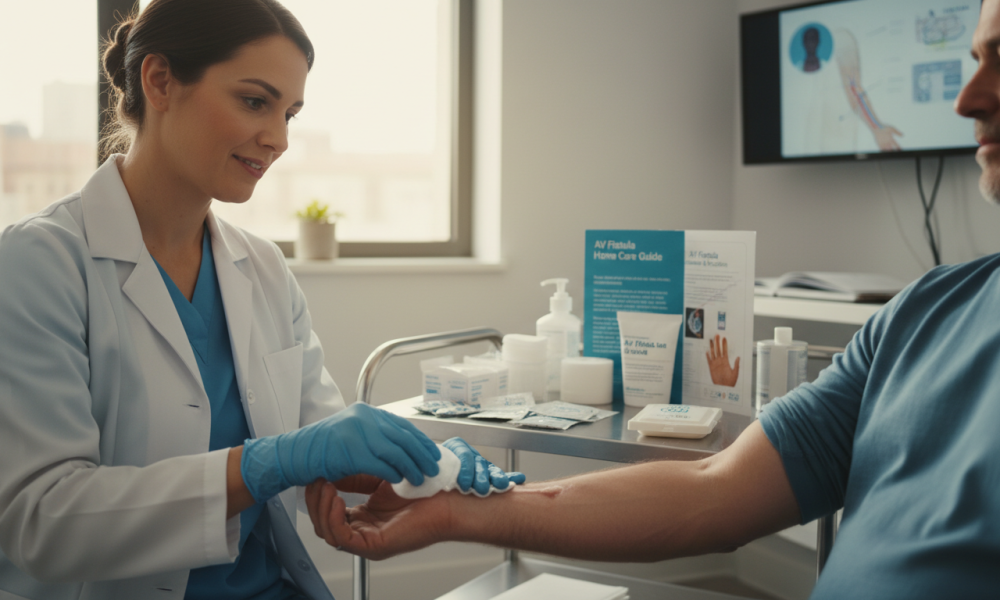
Looking after your vascular access every day is key to its success. AV fistula care helps keep it working well for years. By sticking to a routine, you can lower the chance of problems and help it grow stronger.
Hygiene and Wound Management
Keeping the area clean is the best way to fight off infections. Wash the site with mild soap and warm water every day. Pat it dry with a clean towel. Avoid scrubbing to prevent irritation and damage.
Check the site for redness, swelling, or warmth. If you see discharge or pain, call your doctor right away. Keeping it clean is a big part of AV fistula care in the early stages.
Protecting the Access Site from Trauma
The access site is very sensitive after your procedure. Avoid putting pressure on the arm, like sleeping on it or wearing tight clothes. Protecting the access site from bumps or heavy lifting is also important to avoid damage.
Don’t let blood pressure readings or blood draws be taken from the arm with your fistula. Tell healthcare providers about your access site before any procedures. These steps help keep your access safe and prevent strain.
Exercises to Promote Fistula Development
Your surgeon might suggest exercises to help the vein grow and get stronger. Squeezing a soft rubber ball or stress ball for a few minutes is a common one. Consistency is key, so do these exercises often during the day.
These exercises boost blood flow, which is important for growth. Always check with your doctor before starting any new exercises. Proper AV fistula care and gentle activity will help your access work well for dialysis.
The Role of Advanced Imaging in Fistula Assessment
Getting it right is key for successful fistula procedures. High-tech diagnostic tools help medical teams make your access site last longer and work better. This careful planning is vital for top-notch vascular access surgery.
Ultrasound Mapping for Optimal Vessel Selection
Before starting, surgeons use ultrasound to check your veins and arteries. This method is non-invasive and lets the team pick the best vessels for a lasting fistula. Choosing the right site is essential to avoid early problems.
They look at:
- The size and depth of veins.
- Any blockages or calcification.
- The flow for long-term use.
Angiography and Post-operative Surveillance
After healing starts, AV fistula assessment is key. Angiography is the top tool for checking the access site’s health. It shows blood flow clearly, spotting issues early.
Regular checks catch narrowing or clotting fast. This keeps your vascular access working well for years.
| Imaging Type | Primary Purpose | Key Benefit |
|---|---|---|
| Ultrasound | Pre-operative Mapping | Vessel Selection |
| Angiography | Post-operative Monitoring | Early Complication Detection |
| Doppler Flow | Functional Analysis | Flow Rate Verification |
Patient Safety and Quality Assurance in Turkish Clinics
When looking into vascular surgery in Turkey, knowing the strict safety rules is key. Modern medical places in the area meet global standards. This ensures patients get top-notch care in a safe place. Your health and safety are the primary focus of every clinical decision made during your stay.
Sterilisation Protocols and Infection Control
Turkish hospitals follow stringent sterilisation protocols to keep the surgical area clean. They use the latest tech for cleaning equipment, following global health rules. This helps lower the chance of problems after surgery. Every tool goes through a detailed cleaning process to keep it hygienic.
Keeping infections at bay is a daily task for the staff. They are trained in the newest ways to keep things clean. This helps protect your recovery. It lets patients focus on getting better without worrying too much.
Multidisciplinary Teams and Patient Support
A good surgery needs a dedicated multidisciplinary team. Surgeons, nephrologists, and nurses work together for your care. They make a plan that fits your needs. This team approach keeps an eye on your health before, during, and after surgery.
Patients also get help with the stress of traveling for medical care. The staff is there for you from the start to after you’re better. Feeling supported throughout your journey is key to a great experience at these clinics.
| Safety Feature | Clinical Standard | Patient Benefit |
|---|---|---|
| Sterilisation | International ISO Standards | Reduced infection risk |
| Team Structure | Multidisciplinary Collaboration | Holistic health management |
| Monitoring | Continuous Post-op Surveillance | Early detection of issues |
| Support | Dedicated Patient Liaison | Clear communication and comfort |
Navigating the Legal and Ethical Aspects of Medical Tourism
Going abroad for medical treatment means understanding legal and ethical rules. Patients from the UK need to make sure they’re protected. Researching your rights helps you feel safe and ensures a good experience.
Insurance Considerations for International Patients
Travel insurance usually doesn’t cover pre-existing conditions or planned surgeries. It’s crucial to check if your policy covers surgery abroad. Here are steps to protect your health and money:
- Check with your insurance to see if they cover surgery abroad.
- Look for medical tourism insurance that covers surgery complications.
- Make sure your policy includes emergency medical transport.
- Keep all medical documents safe and digital.
Continuity of Care Between Turkey and the UK
Your health care doesn’t stop after surgery. It’s important to have a smooth transition from Turkey to the UK. This ensures your care continues well.
Good communication is key for your care to continue smoothly. Here’s how to keep your care on track:
| Action Item | Responsibility | Frequency |
|---|---|---|
| Share surgical summary | Patient/Surgeon | Upon discharge |
| Update local GP | Patient | Post-return |
| Routine ultrasound | Local Nephrology | Quarterly |
Managing legal and ethical aspects helps your recovery. Clear communication and proper documentation are key. Always be open with your healthcare team to keep your safety first.
Integrating Your Turkish Surgical Experience with UK Renal Care
Returning to the United Kingdom is a key step for your vascular access success. It’s important to plan your renal health care well. Proactive management helps keep your surgery results effective.
Good AV fistula monitoring needs a plan from your Turkish team and UK doctors. Keeping in touch helps your recovery stay on track.

Communicating with Your Local Nephrology Team
See your local nephrology team as soon as you get back. Share your full surgical report with them. Include details about the surgery and any post-op instructions.
Being open is key for your safety. Make sure your local team knows about your access site. This helps them give specialised care during dialysis. Clear documentation avoids confusion and guides your treatment.
Follow-up Protocols and Long-term Monitoring
Regular check-ups are vital to see if your access is working right. Your local clinic will check for a palpable thrill and an audible bruit. These signs mean your fistula is healthy.
Regular AV fistula monitoring spots problems early. Staying on a strict check-up schedule helps catch issues before they get worse. Staying vigilant about your vascular health keeps you comfortable and well in the long run.
Conclusion
Choosing the right path for your vascular access surgery is key to managing long-term renal health. Turkey offers top-notch surgical skills, modern hospitals, and lower costs for UK patients.
Success depends on your dedication to the whole process. Good preparation and following post-operative care routines help your fistula grow well. Keeping in touch with your UK nephrology team ensures a smooth transition from surgery to daily care.
Take charge of your medical journey by picking experienced surgeons who focus on safety and excellence. Proper care of your vascular access site is vital for your future health. Contact trusted clinics to explore how a custom surgical plan can enhance your life and meet your dialysis needs.
FAQ
Q: Why is Arteriovenous (AV) Fistula Surgery considered the gold standard for dialysis access?
A: AV fistula surgery is top choice because it uses your own blood vessels. This makes a strong connection between an artery and a vein. It has the highest success rate and is safer than other options, like synthetic grafts or central venous catheters.
Q: How long does the AV fistula maturation process take before it can be used?
A: After the surgery, the vein needs time to grow and get stronger. This process takes between six weeks and three months. In Turkey, doctors at places like Acıbadem Healthcare Group or Memorial Hospitals Group check how well the vein is growing.
Q: What are the primary benefits of travelling to Turkey for vascular access surgery?
A: Patients from the UK go to Turkey for quicker care and lower costs. Turkish hospitals meet global safety standards. You get top-notch care from experienced surgeons in places like Istanbul or Ankara.
Q: What does post-operative AV fistula monitoring involve?
A: It’s important to check the AV fistula regularly. You’ll learn to feel and listen for signs of good blood flow. In Turkey, doctors use special ultrasound to check the vein’s health.
Q: How can I identify AV fistula complications early?
A: Watch for signs like redness, swelling, or a change in vibration. If you see these, contact your local nephrology team or vascular access surgery unit right away.
Q: What daily steps should I take for effective AV fistula care?
A: Keep your arm clean and avoid tight clothes or jewellery. Don’t take blood pressure or blood draws from the fistula arm. Simple hand exercises can also help.
Q: How is continuity of care managed between Turkish hospitals and my local UK renal unit?
A: Turkish teams give you a detailed medical pack. This includes notes, imaging, and post-op instructions. Share this with your NHS nephrologist or private consultant for smooth care.
Q: Is imaging always required before the AV fistula creation procedure?
A: Yes, imaging is key for successful surgery. Turkish surgeons use ultrasound to plan the best veins and arteries. This planning boosts the success rate and ensures the AV fistula works well for dialysis.
Related guides

Healthcare Content Compliance Guide for Growth
A high-performing treatment page can generate international patient inquiries within hours. It can also create material risk if…

Turkey Hospitals vs Local Hospitals Compared
A lower procedure quote can get a patient’s attention. It should not make the decision on its own.…

Patient Experience That Drives Trust and Growth
A patient who has already uploaded medical records, compared providers, and arranged time away from work is not…