
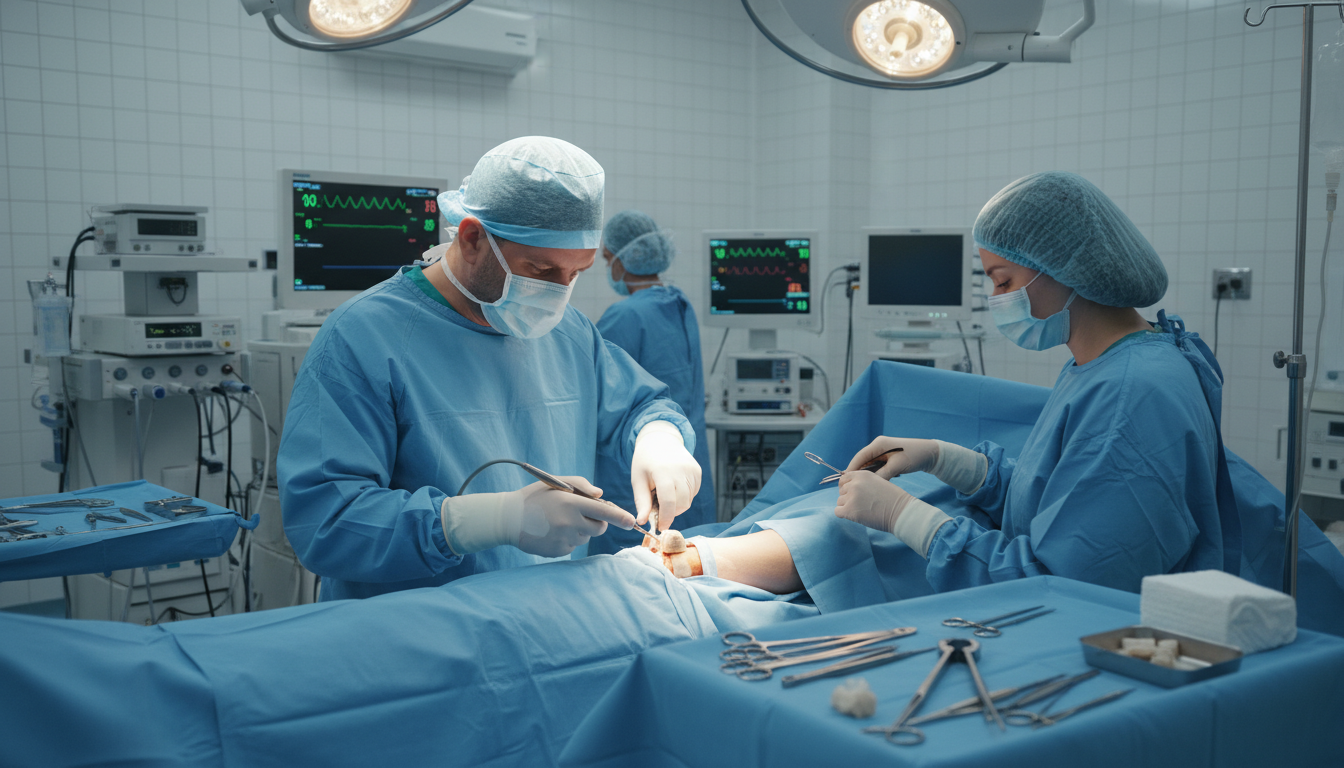
Living with chronic joint pain can really affect your daily life. For many, Arthrodesis is a game-changer. It’s a surgery that fuses bones to stop painful movement. This is a top choice for those with severe joint damage.
Turkey is becoming a top spot for medical tourism. It’s known for its top-notch orthopaedic care and skilled surgeons. Getting Arthrodesis there means you get access to the latest medical tech and care.
Healthcare in Turkey focuses on making patients comfortable and helping them recover well. It’s affordable and of high quality. This is why many from the UK are choosing Turkey for their orthopaedic needs.
Key Takeaways
- Arthrodesis provides a permanent solution for chronic joint pain by fusing affected bones.
- Turkey is a leading hub for medical tourism, with specialised orthopaedic expertise.
- Patients get access to state-of-the-art facilities that meet international standards.
- The mix of clinical excellence and affordability makes it an attractive choice.
- Professional care teams ensure a smooth recovery for all international patients.
Understanding the Arthrodesis Procedure
When other treatments don’t work, surgical fusion can bring relief. This method, called arthrodesis, joins bones in a joint together. It stops painful movement and helps patients move better.
Defining Surgical Fusion and Its Medical Purpose
The main aim of joint fusion is to stop long-term pain from damaged cartilage or bones. Surgeons remove cartilage and use metal to keep bones together. Over time, the bones fuse into one solid piece.
This method is great for those with severe pain that stops them from doing everyday things. It creates a stable link between bones, helping the body avoid pain. It’s a transformative solution for those who’ve tried other treatments without success.
Common Musculoskeletal Conditions Requiring Joint Fusion
Many musculoskeletal conditions can damage joints over years. Early stages might be managed with simple changes, but severe cases often need surgery. Below is a list of common conditions that might need this surgery.
| Condition | Primary Impact | Surgical Goal |
|---|---|---|
| Severe Osteoarthritis | Cartilage wear | Pain elimination |
| Post-traumatic Injury | Bone misalignment | Structural stability |
| Rheumatoid Arthritis | Joint inflammation | Functional restoration |
| Congenital Deformity | Abnormal growth | Corrective alignment |
Each musculoskeletal condition has its own challenges. Surgeons carefully decide if fusion is right for each case. Success depends on good planning and the patient’s dedication to recovery.
Why Turkey Has Become a Hub for Orthopaedic Surgery
Turkey’s rise in orthopaedic surgery is not by chance. It’s the result of years of careful planning. More and more patients from the UK are picking Turkey for their orthopaedic procedure needs. This shows they trust Turkey to deliver top-notch care.
Advancements in Turkish Medical Infrastructure
Turkey has spent a lot on top-notch medical facilities. These places are as good as the best hospitals in Western Europe. They have the latest tech, like advanced imaging and robotic surgery systems.
The setup is designed to make the patient’s journey smooth. Many clinics have special departments for international patients. This makes getting an orthopaedic procedure in Turkey both easy and comforting.
Accreditation Standards and International Quality Benchmarks
Turkish hospitals follow strict rules to keep patients safe. Many have Joint Commission International (JCI) accreditation. This means they meet high standards for care and cleanliness.
By sticking to these standards, Turkish surgeons win the trust of patients worldwide. They focus on clear care and putting patients first. Choosing a JCI-accredited facility means you’re in good hands for your surgery abroad.
The Arthrodesis Process: From Consultation to Recovery
The journey to successful joint fusion begins long before you reach the hospital. A detailed plan ensures each patient gets care that fits their needs. This approach helps surgeons achieve the best results for long-term mobility.
Initial Diagnostic Assessments and Virtual Consultations
Today, orthopaedic surgery uses technology to connect patients worldwide with experts. You can start your patient journey from home with secure virtual consultations. Here, you’ll talk about your health history and look at your scans with your consultant.
This early stage is key to see if arthrodesis is right for you. It lets the team check your condition without you needing to travel right away. By sharing your scans early, you make sure your treatment plan is ready before you fly.
Pre-operative Planning and Patient Preparation
After confirming you’re a good candidate, the focus is on detailed planning. This phase is critical for your physical and mental preparation. Your team will give you specific advice on medication, lifestyle changes, and nutrition to get your body ready.
Preparation also means understanding your stay’s logistics, a key part of medical tourism. You’ll get a detailed plan for your hospital stay and recovery time. Following these steps closely helps lower your stress and ensures your arthrodesis is done safely.
Surgical Techniques for Bone Fusion
Getting bone fusion right needs a mix of precision, tech, and skill. Surgeons must line up bones carefully for lasting stability and pain relief. When you pick the right orthopedic clinic, you get top-notch methods that focus on your comfort and quick recovery.
Minimally Invasive Approaches in Modern Orthopaedics
Today, orthopaedics leans towards minimally invasive surgery for better patient care. This method uses smaller cuts, cutting down on soft tissue damage. It helps patients feel less pain and get back to normal faster.
This method is great for bone fusion in tricky joints. Doctors use special cameras and tools for precise work. This ensures bones heal well.
Hardware Utilisation and Internal Fixation Methods
Experts use internal devices to help bones heal naturally. These tools, like titanium plates and screws, hold bones in place. They’re picked based on the joint’s needs.
Choosing the right hardware is key for success. Doctors look at bone quality before picking the best fix. This keeps bone fusion stable during recovery.
| Fixation Method | Primary Use | Key Benefit |
|---|---|---|
| Titanium Plates | Complex fractures | High structural support |
| Cannulated Screws | Small joint fusion | Precision placement |
| Intramedullary Rods | Long bone alignment | Load-bearing stability |
Spinal Surgery and Arthrodesis
Many patients look for new ways to manage chronic back pain. When simple treatments don’t work, spinal surgery is considered. It aims to fix structural problems for lasting relief.
Addressing Chronic Back Pain Through Spinal Fusion
Back pain often comes from degenerative disc disease or spinal deformities. Surgical fusion connects vertebrae to stop painful motion. This makes a solid bone structure.
This method stabilises the area, reducing nerve compression and pain. The main aims are:
- To lessen chronic pain from instability.
- To fix spinal deformities like scoliosis or kyphosis.
- To stop the spinal column from getting worse.
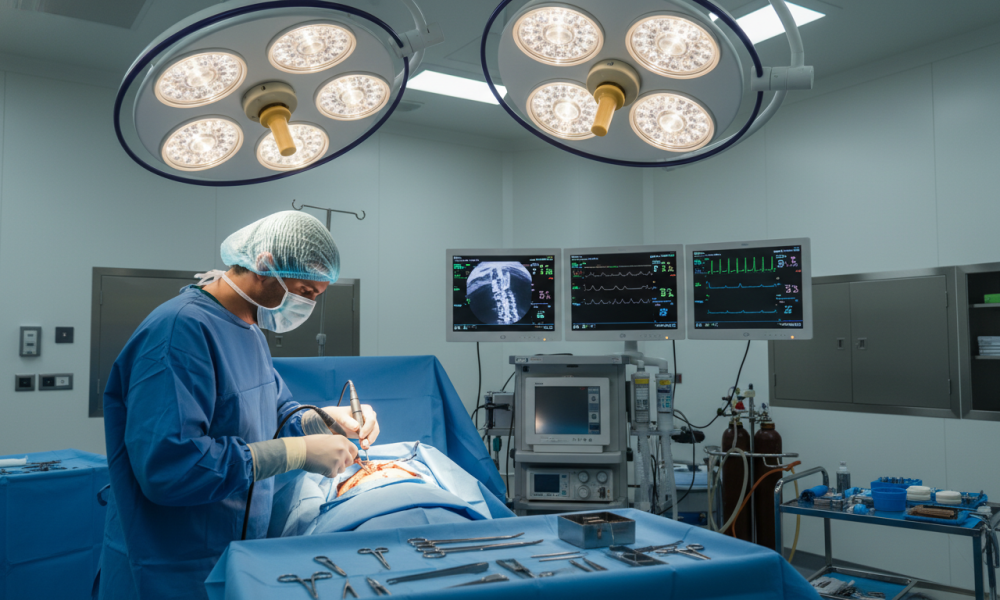
Technological Precision in Spinal Stabilisation
Modern medical centres in Turkey focus on joint stability with advanced technology. Surgeons use high-tech imaging and navigation systems for precise work. This ensures the best results.
These tools lower the risk of problems and help patients recover faster. By combining surgical fusion with robotic help, teams achieve better alignment. This dedication to innovation means patients get top-notch care for their spinal surgery needs, leading to better joint stability in the long run.
Ankle and Foot Arthrodesis
Dealing with long-term foot and ankle problems needs a focused approach to bring back natural movement. When a musculoskeletal condition gets too severe, the cartilage in the joint wears out. This leaves bones rubbing against each other, causing a lot of pain and making it hard to walk or stand.
Restoring Mobility in Degenerative Joint Disease
Arthrodesis is often the best option for severe joint disease. Surgeons fuse the bones of the joint together through joint fusion. This stops the joint from grinding, which reduces inflammation and pain.
Even though the joint loses its flexibility, the foot becomes stable. Patients often feel much less pain, making everyday tasks easier. The main aim is to have a pain-free, working limb that supports the body well.
Post-operative Weight-bearing Protocols
After surgery, following the recovery plan closely is key. The bones need time to heal, so post-operative weight-bearing protocols are very important. Doctors will give a specific plan for when to start putting weight on the foot.
At first, patients must use crutches or a knee scooter to avoid weight on the surgery area. As the joint fusion gets stronger, doctors will introduce exercises that involve controlled weight-bearing. Sticking to these instructions helps ensure the Arthrodesis heals correctly and securely.
Benefits of Choosing Turkey for Orthopaedic Treatment
Patients from the United Kingdom are now choosing to travel abroad for surgical treatment. Turkey stands out as a top choice. It offers advanced medical technology and a warm culture of hospitality. This mix ensures patients get care that goes beyond just surgery.
Cost-Effectiveness Compared to the United Kingdom
Choosing Turkey is a smart move for those looking to save money. Private healthcare in the UK is expensive. But in Turkey, you can get top-notch care for less. This doesn’t mean you’re getting less quality, as Turkish clinics have modern facilities.
The cost is lower because of Turkey’s economic situation, not because of lower service quality. This means you can get an orthopaedic procedure sooner. You won’t have to worry about the cost of your care, helping you focus on getting better.
Access to Leading Specialists and Surgeons
Turkey also offers access to highly experienced surgeons. These experts have trained at top international schools. They bring global knowledge to their work, ensuring you get the best surgical treatment for your needs.
The Turkish healthcare system puts patients first. Surgeons work with a team to manage every detail of your orthopaedic procedure. This teamwork leads to better results and gives you peace of mind knowing you’re in good hands.
Patient Safety and Clinical Governance in Turkish Hospitals
Thinking about surgical treatment abroad? Knowing about clinical governance is key for your peace of mind. Turkish healthcare follows strict rules that match international standards. This means every patient gets top-notch care in a safe, monitored, and professional setting.
Infection Control and Surgical Theatre Standards
Modern Turkish hospitals have cutting-edge surgical theatres to lower risks. These theatres stick to stringent sterilisation protocols that go beyond the usual. They use high-pressure ventilation and advanced filters to cut down infection risks.
Regular checks make sure all equipment is up to global safety levels. Surgeons and theatre staff follow strict hygiene rules. This ensures your surgical treatment is done in a clean, controlled environment. This focus on technical skill is key for safe orthopaedic surgeries.
Multidisciplinary Teams and Post-operative Care
Success in any procedure depends on a dedicated medical team. In Turkey, patients get care from a multidisciplinary team. Surgeons, anaesthetists, and nurses work together. This team approach means every part of your recovery is closely watched.
Post-operative care is made just for you. From managing pain to helping you move early, the nursing team is always there. This all-around approach is what makes the surgical treatment in top Turkish medical centres stand out.
| Safety Feature | Standard Practice | Patient Benefit |
|---|---|---|
| Theatre Sterilisation | HEPA Filtration | Reduced Infection Risk |
| Clinical Governance | JCI Accreditation | Verified Quality Care |
| Medical Staffing | Multidisciplinary Teams | Comprehensive Recovery |
| Monitoring | 24/7 Nursing Support | Immediate Intervention |
Navigating the Medical Tourism Journey
Going for orthopaedic surgery abroad is more than just booking a flight. It needs a well-structured plan for your needs and comfort. Choosing a reputable clinic means you get all-inclusive packages. These make your journey from the UK to your destination smooth.
Logistics: Travel, Accommodation, and Aftercare Support
Most clinics in Turkey offer all-inclusive packages to ease travel worries. These include airport transfers, private transport, and comfy hotels for recovery. This lets you focus on your health and healing.
Aftercare support is key for your recovery. Clinics have a dedicated patient coordinator for you. They ensure follow-up appointments and medical advice when needed.
Language Barriers and Translation Services
Language barriers are a worry for many international patients. But, top Turkish hospitals have multilingual staff and translators. They help during consultations and meetings to ensure you understand your care.
Clear communication is essential for your peace of mind. Hospitals include translation services in your care. This ensures your questions are answered and your wishes are respected. It builds trust and supports you from start to finish.
Managing Expectations and Possible Risks
Recovering from a musculoskeletal condition needs patience and a realistic view of surgery’s benefits. Medical progress has made operations safer, but it’s key to understand the whole journey. Open communication with your doctors is the best way to feel ready and confident.
Understanding Surgical Complications and Recovery Timelines
Every surgical treatment has some risk, from small wound issues to serious complications. Doctors in Turkey focus on safety by checking patients thoroughly before surgery. Knowing these risks helps you watch your recovery closely in the first weeks.
Recovery is not always straightforward. It’s a slow, long-term effort. Most people will face some pain and limited movement at first. Following the recovery plan is key to the best results and avoiding delays.
The Importance of Realistic Outcomes
Setting realistic goals is key to a good medical experience. Surgery can greatly improve your life, but it’s important to know what to expect. Talking about your lifestyle goals with your surgeon helps match your hopes with what’s possible.
A good outcome is not just about the surgery’s success. It’s about getting back to the things you love. Keeping a clear conversation with your healthcare team ensures your goals are central to your care. Clear communication is the base for a positive and rewarding recovery.
Rehabilitation and Physiotherapy Programmes
A good physiotherapy programme is key for your body to heal right and move naturally again. Surgery is just the start. The real work is in the rehab phase that follows. A custom exercise plan can help you heal faster and get better results.
The Role of Physical Therapy in Successful Fusion
Physical therapy is the link between surgery and getting back to normal life. Through exercises, you can tackle stiffness and boost your movement. This is important for the bone fusion process, as it helps the tissues around the surgery site adapt well.
Your therapist will make a special plan for you. It will help build muscle strength without harming the healing area. Consistency is key in these early days to avoid problems and keep the joint fusion site safe. Regular checks let your team tweak your plan as you reach new recovery goals.
Long-term Joint Stability and Functional Improvement
After the initial healing, ongoing rehab is vital for keeping your joint stable. Strengthening the muscles around it helps prevent future damage. This keeps your mobility and bone fusion secure for years.
Working on functional improvement lets you get back to your favourite activities with confidence. By focusing on joint stability, you lower the chance of injuries elsewhere. A dedicated rehab programme is the best way to ensure a successful joint fusion and a good quality of life.
Comparing Costs: Turkey Versus the United Kingdom
When planning for spinal surgery, it’s important to look at more than just the initial quote. The total cost for medical procedures in Turkey is often lower than in the United Kingdom. But, to get a clear picture of the final cost, you need to check what’s included in your package.
Breakdown of Surgical Fees and Hidden Expenses
A detailed quote should include the surgeon’s fees, hospital stay, and anaesthesia. It’s wise to ask for a detailed list to avoid surprises. Transparency helps make your recovery less stressful.
Remember, there might be extra costs not included in the initial price of your surgical fusion. These can include:
- Post-operative medications and pain management supplies.
- Follow-up consultations and diagnostic imaging.
- Specialised orthopaedic equipment, such as braces or crutches.
- Extended hospital stays if recovery takes longer than expected.
| Expense Category | United Kingdom | Turkey |
|---|---|---|
| Consultation Fees | High | Moderate |
| Surgical Procedure | Premium | Competitive |
| Hospital Stay | High | Inclusive |
Insurance Considerations and Financing Options
Most private medical insurance in the United Kingdom doesn’t cover elective procedures abroad. You should talk to your insurer early to see if they offer any help for international care. Some might need you to get approval before any treatment.
If insurance isn’t an option, there are other ways to pay for your care. Personal medical loans or health financing schemes can help spread the cost. Make sure you have a clear budget for the procedure and travel to keep your finances stable during recovery.
Legal and Ethical Considerations for International Patients
Choosing to have surgery abroad means knowing your legal rights is as important as the surgery itself. Patients getting spinal surgery need to know about the laws that protect their care. Taking steps to understand these laws helps keep your health safe during the whole journey.
Medical Records Transfer and Continuity of Care
It’s key that your Turkish doctors and your UK GP talk well. Make sure all your medical records are sent to your UK doctor. This seamless exchange of information helps your UK doctor keep an eye on your health after you get back.
Keeping a full record of your treatment is very important. It helps your future doctors understand your joint stability better. Always ask for digital copies of your medical reports before leaving the hospital.
Patient Rights and Recourse in International Healthcare
In Turkey, international patients have the same rights as locals. You’ll get a detailed consent form before your surgery. This form tells you about the risks, benefits, and what to expect from your treatment.
If you have any worries about your care, there are ways to get help. Turkish hospitals with good reputations have patient advocacy teams. These teams make sure your patient rights are respected. By choosing these hospitals, you’re choosing a place that puts your safety and health first.
Preparing for Your Medical Trip
Your journey to successful bone fusion starts before you fly. Organising your trip well reduces stress. It lets you focus on getting better.
Essential Documentation and Health Screening
Before you go for your orthopaedic procedure, gather all your medical records. Include recent X-rays, MRI scans, and a summary from your doctor in the UK.
Don’t forget your ID, travel insurance, and the contact details of your Turkish surgical team. A pre-trip health check is key to spotting any issues that might affect your surgery.
Post-operative Travel Advice and DVT Prevention
After surgery, you need to look after your body. Deep Vein Thrombosis (DVT) is a big risk on long flights. So, follow your surgeon’s advice on moving and staying hydrated.
Wear compression stockings and do simple exercises while seated. Moving around the plane helps keep your blood flowing. It’s good for your bone fusion recovery.
| Category | Action Item | Importance |
|---|---|---|
| Documentation | Medical records & ID | High |
| Health | Pre-trip screening | Critical |
| Travel | DVT prevention | High |
| Logistics | Insurance verification | Essential |
By following these steps, your orthopaedic procedure is supported by a safe travel plan. Always talk to your medical team about any worries about your return trip.
Conclusion
Choosing the right path for your orthopaedic health is important. Turkey offers top-notch medical care and modern facilities for Arthrodesis procedures. You can save a lot of money compared to the UK’s private healthcare.
Your success in surgery depends on your commitment. Being well-prepared and having realistic hopes is key for a good recovery. Working with trusted clinics ensures you get the best care.
You now know how to make a smart choice for your joint health. Focusing on your mobility helps you regain independence and enjoy your favourite activities again. Don’t wait, talk to a specialist today about how Arthrodesis can help your future health.
FAQ
Q: What is Arthrodesis and what is its primary medical purpose?
A: Arthrodesis, or surgical fusion, is a procedure that permanently connects bones in a joint. It aims to stop painful motion in damaged joints. This helps restore stability and relieves chronic pain caused by degenerative conditions.
Q: Which musculoskeletal condition typically necessitates joint fusion?
A: Joint fusion is often needed for severe musculoskeletal conditions like advanced osteoarthritis or rheumatoid arthritis. It’s also key in spinal surgery to treat instability from degenerative disc disease or scoliosis.
Q: Why has Turkey emerged as a premier hub for an orthopaedic procedure like Arthrodesis?
A: Turkey leads globally due to its top-notch medical infrastructure and many accredited facilities. Hospitals like the Acıbadem Healthcare Group meet high standards, ensuring quality care on par with Western Europe.
Q: How are virtual consultations integrated into the patient journey?
A: Turkish clinics offer virtual consultations for a smooth experience. This lets international patients discuss their medical history and share images before travelling. It’s key for pre-operative planning and checking if bone fusion is right for them.
Q: What modern surgical techniques are employed to achieve successful bone fusion?
A: Turkish surgeons use advanced, minimally invasive methods to reduce tissue damage and speed up recovery. They use high-quality hardware like titanium plates and screws to stabilise the area while the bones fuse.
Q: How does spinal surgery utilising Arthrodesis address chronic back pain?
A: Spinal fusion welds painful vertebrae together, stopping their motion and pain. Surgeons use precise technology to stabilise the spine for long-term relief.
Q: What should I expect regarding recovery and weight-bearing after ankle Arthrodesis?
A: After ankle or foot fusion, patients must follow strict weight-bearing rules. Initially, the joint is protected to fuse correctly. Later, a rehabilitation programme helps regain mobility and safely return to daily activities.
Q: How cost-effective is surgical treatment in Turkey compared to the United Kingdom?
A: Turkey offers big savings, often 50% to 70% less than UK private healthcare. These savings come from Turkey’s economic conditions and lower costs, without compromising on quality or specialist expertise.
Q: What safety and infection control standards are maintained in Turkish hospitals?
A: Top Turkish hospitals have high clinical governance. They follow strict infection control and use modern theatres that meet international safety standards. Teams of specialists provide thorough post-operative care.
Q: How are language barriers managed for international patients during their stay?
A: Turkish medical centres offer translation services and patient coordinators who speak English. This ensures clear communication from diagnosis to aftercare, supporting patients throughout their stay.
Q: What are the possible risks and complications of Arthrodesis?
A: Risks include infection, blood clots, or “non-union” where bones don’t fuse as expected. It’s important to discuss these risks with the surgeon and understand the recovery process.
Q: Why is physiotherapy essential for long-term joint stability?
A: Physiotherapy is key for a successful outcome. It strengthens muscles, improves flexibility, and ensures maximum improvement. Long-term stability depends on the patient’s commitment to rehabilitation exercises.
Q: What documentation is required when preparing for medical travel to Turkey?
A: Patients need a folder with medical reports, X-rays or MRI scans, ID, and insurance details. A pre-trip health screening is also necessary to ensure fitness for travel and surgery.
Q: How is the continuity of care managed once I return to the UK?
A: Turkish clinics ensure a smooth transfer of medical records. Patients receive detailed notes and summaries to share with their UK doctors. This ensures consistent and informed follow-up care.
Q: What measures are taken to prevent DVT during the return flight?
A: To prevent DVT, patients use compression stockings, stay hydrated, and do leg exercises while seated. Surgeons may also prescribe anticoagulant medication for safety during the flight.
Related guides

Healthcare Content Compliance Guide for Growth
A high-performing treatment page can generate international patient inquiries within hours. It can also create material risk if…
Turkey Hospitals vs Local Hospitals Compared
A lower procedure quote can get a patient’s attention. It should not make the decision on its own.…

Patient Experience That Drives Trust and Growth
A patient who has already uploaded medical records, compared providers, and arranged time away from work is not…