
Turkey is now a top choice for people from the UK looking for quality medical care. Many travel abroad for specialised orthopaedic treatments that are both affordable and quick. Arthroscopic Debridement is a key treatment for joint pain and mobility problems.
Finding the right place for treatment is key for a good recovery. If you’re looking, make sure to follow a guide to choosing the right orthopaedic clinic in Turkey. This ensures you get top-notch care and enjoy the perks of medical tourism.
This article gives you a detailed look at what to expect. We want to help you make a smart choice about your Arthroscopic Debridement procedure. This way, you’ll feel confident at every step of your treatment abroad.
Key Takeaways
- Turkey offers high-quality orthopaedic care for patients travelling from the United Kingdom.
- Medical tourism provides a cost-effective alternative for those seeking timely surgical interventions.
- Selecting a reputable clinic is the most important step in your treatment journey.
- Modern facilities in Turkey utilise advanced technology to ensure patient safety and comfort.
- Comprehensive research helps you manage expectations and achieve the best possible health outcomes.
Understanding Arthroscopic Debridement as a Medical Procedure
Modern orthopaedic medicine uses minimally invasive procedures to treat chronic joint pain. Arthroscopic Debridement is a leading method for fixing internal joint problems without open surgery. It lets surgeons see and fix damaged tissues with great precision.
The Mechanics of Minimally Invasive Joint Surgery
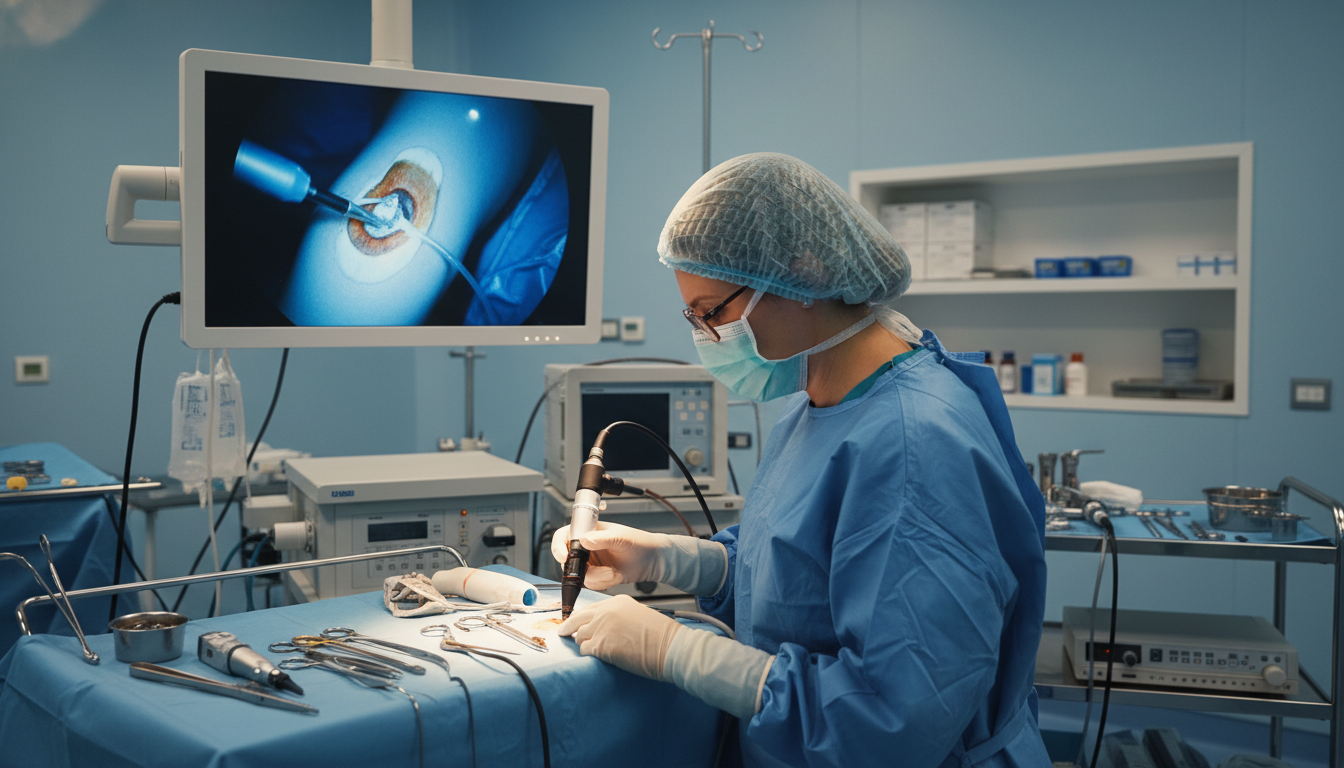
In this minimally invasive procedure, the surgeon makes small cuts around the joint. A thin, flexible tube with a high-definition camera, called an arthroscope, is put inside. This gives a clear, enlarged view of the inside on a screen.
Special tools are then used through more small cuts. These tools help remove damaged tissue, smooth out rough spots, and clear out debris. Because the cuts are small, patients usually feel less trauma to the surrounding muscles and skin than with traditional surgery.
Conditions Treated Through Arthroscopic Intervention
This method is great for many orthopaedic problems. It’s often used for ongoing inflammation in the joint lining, often due to chronic conditions. Surgeons also use it to remove loose bodies, like bone or cartilage fragments, that cause pain or locking.
It’s also good for fixing frayed cartilage or small tears that make moving the joint hard. By cleaning the joint, the procedure helps reduce discomfort and improve mobility for the patient.
Expected Outcomes and Patient Prognosis
Most people feel a lot less pain after Arthroscopic Debridement. The main aim is to get the joint working normally again and delay the need for more serious surgeries. While results can differ, most patients can successfully return to daily activities a few weeks after the surgery.
Why Turkey Has Become a Global Hub for Orthopaedic Surgery
Turkey’s rise as a top medical tourism spot is not by chance. It’s the result of years of careful planning and investment. People from the UK are picking Turkey for orthopaedic surgery because of its modern tech and top-notch care. This has made Turkey a key place for those looking for good joint treatments.
Investment in Advanced Medical Infrastructure
Turkey has put a lot of money into updating its healthcare. Now, its clinics are on par with the best in Europe. They have state-of-the-art diagnostic tools and robotic surgery systems. This means surgeries are more precise, leading to better results for patients.
The Expertise of Turkish Orthopaedic Surgeons
The care in Turkey is top-notch thanks to its skilled doctors. These specialists have done fellowships at famous international places and have global medical board certifications. This means they can create treatment plans that really meet each patient’s needs.
International Accreditation and Quality Standards
Turkish hospitals follow strict international quality rules, like those from the Joint Commission International (JCI). These robust safety protocols cover everything from the first visit to aftercare. By focusing on clear communication and patient happiness, these places offer a safe space for medical care from around the world.
The Benefits of Choosing Turkey for Joint Surgery
Turkey is now a top choice for those looking for affordable and effective orthopaedic care. Many from the UK go there to improve their mobility and life quality. By choosing joint surgery abroad, you get access to top-notch facilities that focus on your comfort and care.
Cost-Effectiveness Compared to the United Kingdom
One big reason people choose Turkey is the lower costs. Compared to the UK, you can save a lot on your treatment. Yet, the quality of care is high, thanks to international accreditation.
Clincs in Turkey also offer clear packages that include everything from the surgery to your first meds. This makes planning your budget easier, without worrying about surprise costs. Some might also look into a tummy tuck in Turkey, but the main focus is on top-notch orthopaedic care.
Reduced Waiting Times for Surgical Procedures
Long NHS waiting lists can mean more pain and less mobility. In Turkey, you can skip these delays and pick a time that works for you. This quick access is key for those wanting to get back to their life fast.
High-Quality Post-Operative Care and Rehabilitation
After surgery, Turkey’s care doesn’t stop. You get full support, including physio and regular check-ups. This holistic approach means you’re not alone in your recovery after joint surgery.
| Feature | United Kingdom (NHS) | Turkey (Private) |
|---|---|---|
| Waiting Time | Often Several Months | Usually Within Weeks |
| Cost Structure | Publicly Funded/Private | All-Inclusive Packages |
| Rehabilitation | Variable Access | Integrated Care Plans |
| Surgeon Access | Limited Consultation | Direct Communication |
Preparing for Your Arthroscopic Debridement Journey
Your recovery journey starts before you fly. Organising your medical travel makes your trip to Turkey stress-free and efficient. A structured approach lets you focus on your health and recovery.
Initial Consultations and Remote Diagnostics
Modern tech lets you talk to specialists from home. Before flying, you’ll have a virtual consultation about Arthroscopic Debridement.
Be ready to share your medical history and any recent scans. These remote checks confirm your diagnosis and create a personalised treatment plan for when you arrive.
Navigating Travel Logistics and Medical Visas
Sorting out your travel is key. Booking flights early can save you money and give you more options.
If you’re from the UK, check Turkey’s entry rules. You might need a specialised medical visa or extra papers for your medical trip.
- Confirm your passport is valid for at least six months.
- Check visa rules for UK citizens.
- Get a local contact or agency for airport transfers.
Pre-Surgical Health Assessments and Requirements
Getting ready for surgery is the last step. Your team will ask for a full health check to make sure you’re fit for Arthroscopic Debridement.
This includes blood tests and checking any health issues or meds. Doing these tests well in advance helps the team manage risks and keep you safe during surgery.
The Surgical Process: What to Expect in the Operating Theatre
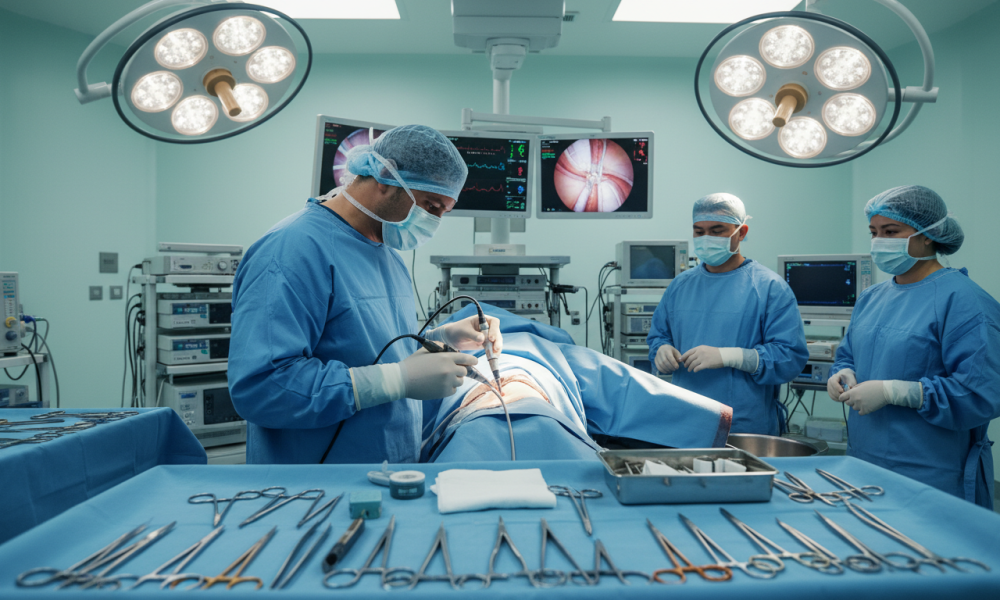
When you enter the operating theatre, you’ll see precision and advanced technology. The room is clean and safe, designed for your well-being. The team works together to care for you with great skill.
Anaesthesia Protocols and Patient Comfort
The anaesthesiology team will talk to you about sedation. They aim for your comfort and safety. Your vital signs will be watched closely to keep you pain-free.
Step-by-Step Execution of the Arthroscopic Procedure
The surgeon makes small cuts to insert a camera. This minimally invasive procedure lets them see inside your joint. They use special tools to fix problems without big cuts.
Managing Risks and Ensuring Surgical Precision
Every step of the surgery is designed to be safe. The surgeon uses new tech to be precise. This makes the minimally invasive procedure a top choice for many.
| Surgical Phase | Patient Focus | Clinical Goal |
|---|---|---|
| Preparation | Anaesthesia induction | Ensure total comfort |
| Execution | Arthroscopic navigation | Achieve surgical precision |
| Conclusion | Incision closure | Minimise recovery time |
Recovery and Rehabilitation Programmes in Turkey
Your journey to full mobility starts right after surgery in Turkey. The recovery phase is very important for your long-term success. Turkish medical facilities are known for their careful approach to help patients regain strength and function safely.
Immediate Post-Operative Care and Pain Management
When you wake up from surgery, a special nursing team will look after you. They focus on managing your pain effectively in the first few hours. Surgeons use advanced methods to keep you comfortable while your body heals.
Effective pain management often includes specific medication and cold therapy. This helps reduce swelling and lets you rest well. You’ll be watched closely to keep your vital signs stable and your surgical site healing as it should.
Physiotherapy and Early Mobilisation Techniques
Early movement is key in modern orthopaedic care in Turkey. It helps prevent stiffness and promotes blood flow. This accelerated recovery strategy aims to help you regain joint function quickly.
Your rehabilitation programme will be made just for you by expert physiotherapists. They will help you with exercises to improve your range of motion. Early physiotherapy offers many benefits:
- Prevents scar tissue around the joint.
- Strengthens muscles around the surgical area.
- Reduces the risk of complications like blood clots.
- Improves joint stability and coordination.
Long-Term Recovery Milestones for Patients
Rehabilitation is a journey with clear goals. Every patient heals at their own pace, but a structured timeline helps track progress. Sticking to your exercises is the key to achieving optimal results.
| Recovery Phase | Primary Focus | Expected Outcome |
|---|---|---|
| Weeks 1-2 | Wound healing and gentle range of motion | Reduced swelling and basic mobility |
| Weeks 3-6 | Strengthening and weight-bearing | Increased stability and daily function |
| Months 3+ | Advanced conditioning and return to sport | Full range of motion and strength |
As you go through these stages, your surgical team will support and adjust your plan. Keeping in touch with your physiotherapist is important. With hard work and professional help, you can look forward to a successful return to your normal activities.
Specialised Focus on Knee Surgery and Sports Injury Treatment
Modern orthopaedic medicine has changed how we treat knee injuries. The knee is often the most vulnerable part during sports. Getting specialised sports injury treatment is key to getting back on track and keeping your joints healthy.
Addressing Meniscal Tears and Cartilage Damage
Meniscal tears are common in sports fans. In Turkey, surgeons use advanced tools for precise repairs. This keeps the joint surface smooth and functional.
They focus on the tear’s location to save healthy tissue. This reduces the chance of further damage. Targeted treatment is often the best way to recover well.
Restoring Joint Function for Athletes
The main aim of joint surgery is to get patients back to their pre-injury level. Athletes need a customised rehab plan. This includes strengthening and improving flexibility.
Stability is key for those in contact sports. The surgical team works together to help athletes feel confident again. This teamwork is what makes knee surgery in Turkey stand out.
Techniques for Soft Tissue Surgery and Repair
Advanced soft tissue surgery can rebuild ligaments and tendons with great precision. These surgeries use small incisions for less scarring and quicker healing. The latest technology is used to make repairs strong and reliable.
Whether it’s a complex ligament tear or chronic inflammation, the goal is to restore natural movement. Below is a table showing common conditions and how they are usually treated surgically.
| Injury Type | Primary Goal | Surgical Technique |
|---|---|---|
| Meniscal Tear | Preserve Tissue | Arthroscopic Debridement |
| Cartilage Defect | Surface Restoration | Microfracture or Grafting |
| Ligament Rupture | Restore Stability | Reconstructive Repair |
Comparing Healthcare Standards: Turkey versus the United Kingdom
When looking at orthopaedic surgery abroad, it’s key to compare safety standards in Turkey and the UK. Both countries have strict rules to keep public health safe and ensure top-notch care. Knowing these systems helps patients make smart choices about their medical care.
Regulatory Oversight and Medical Licensing
In Turkey, the Ministry of Health checks all medical work. Surgeons must be on the Turkish Medical Association’s list, showing they meet high standards. This is similar to the UK’s General Medical Council, giving a robust foundation for safe care.
Before a procedure, it’s vital to check your surgeon’s credentials. Make sure they have the right board certifications. This ensures your orthopaedic surgery is done by a skilled professional.
Patient Safety Protocols and Infection Control
Many top Turkish hospitals have Joint Commission International (JCI) accreditation. This shows they follow the highest patient safety and infection control standards. These standards are the same as those in top UK private hospitals.
Turkish clinics use the latest sterilisation tech to lower the risk of complications. Strict hygiene is followed from the operating room to the recovery area. This focus on cleanliness is key to Turkey’s medical tourism.
Continuity of Care Upon Returning Home
Good clinics focus on a smooth transition after your surgery. They give you detailed medical reports and images in English. These are important for your local doctor or consultant.
It’s important to have good communication between your surgical team and your home healthcare provider. Sharing your care plan helps manage any follow-up care. This ensures your health is the main focus during your recovery.
Financial Considerations and Insurance for Medical Tourism
Planning your finances well makes your joint surgery journey easy and affordable. The first quote from a clinic might seem clear. But, you need to think about all parts of your medical trip to avoid surprises.
Understanding Total Costs and Hidden Expenses
When planning your budget, remember it’s not just the surgery fee. You should also think about post-operative medications, special clothes, and follow-up visits after you get back to the UK.
Travel costs are also important. Include the cost of flights, local transport, and a place to stay while you recover. This is more important if you’re having complex knee surgery that needs a longer stay.
Navigating Private Medical Insurance and Reimbursement
Many people think private medical insurance covers all abroad procedures. But, you need to talk to your UK insurance provider early. They might have special rules for international treatments.
Most insurers need pre-authorisation before they can help with costs. Ask your Turkish doctor for a detailed plan. This is usually needed for your insurance to check if they can help.
Payment Options and Financing for International Patients
Turkish clinics are used to dealing with patients from abroad. They offer many payment options to make things easier. Many clinics have packages that include the surgery, hospital stay, and transport to the airport.
If you’re looking for ways to manage your money, here are some ideas:
- Direct Bank Transfers: This is often the safest way to send money abroad.
- Credit Card Payments: Many clinics accept major cards, which might offer extra protection.
- Medical Financing Plans: Some agencies work with lenders to help you pay in monthly bits.
Always check the exchange rates and any fees before you pay. By sorting out your finances early, you can focus on getting better.
Selecting the Right Clinic and Surgeon for Your Needs
Finding the right place for international orthopaedic care is key. Your recovery depends on the medical team’s skill. Choose wisely.
Researching Surgeon Credentials and Specialisations
Start by looking for surgeons with orthopaedic board certifications. Make sure they have lots of experience with the minimally invasive procedure you need.
Check if they’re part of international medical societies. Being part of these groups shows they keep up with new techniques and safety rules.
Evaluating Patient Reviews and Success Rates
Real patient stories are very helpful. Look for feedback on sports injury treatment to see how they handle your issue.
Don’t just look at social media ratings. Instead, find detailed stories of patients’ whole journey, from start to finish.
Questions to Ask During Your Initial Consultation
Make a list of questions to feel sure about your choice. Clear communication is key for a good outcome. Ask all you need to know about your treatment.
| Evaluation Criteria | High-Quality Clinic | Standard Clinic |
|---|---|---|
| Surgeon Experience | Over 10 years | Under 5 years |
| Facility Accreditation | JCI Accredited | Local Licensing Only |
| Follow-up Support | Comprehensive | Limited |
| Success Rate Data | Transparently Shared | Not Available |
Ask about your surgeon’s success rates and how they handle problems. Knowing how they care for you after surgery will make you feel safer.
Managing Possible Complications and Post-Surgical Support
Getting through the post-operative phase is key to getting back to full mobility. Most procedures work well, but being proactive about your health is important. This way, any small issues can be fixed before they get worse.
If you’ve had cartilage repair or a more complex joint surgery, your body needs time to heal. Knowing the difference between normal discomfort and serious signs is vital for a smooth recovery.
Recognising Warning Signs During Recovery
It’s normal to feel some swelling or stiffness after surgery. But, watch out for signs of complications like infection or reaction to the procedure.
If you have a high fever, lots of redness around the cut, or cloudy discharge, get medical help fast. Also, if you have sudden, sharp pain that doesn’t go away with medicine, tell your doctor right away.
Accessing Follow-Up Care from Abroad
Even after returning to the UK, you don’t lose your surgical support. Modern medical tourism makes it easy to keep your care going through digital platforms and local help.
Make sure to see a local physiotherapist who can check your surgery notes when you get back. This helps make sure your soft tissue surgery recovery plan is right and changes as needed.
The Importance of Communication with Your Surgical Team
Keeping in touch with your clinic in Turkey is key for long-term success. Your surgeons can best understand your recovery and give you specific advice.
Don’t be shy about sending updates or asking questions if you’re not feeling better. Regular updates help your team keep an eye on your healing and give you peace of mind.
| Recovery Phase | Common Symptoms | Action Required |
|---|---|---|
| Days 1-7 | Mild swelling, bruising | Rest and elevation |
| Weeks 2-4 | Reduced stiffness | Begin light physiotherapy |
| Weeks 4-8 | Increased range of motion | Follow-up assessment |
| Beyond 8 Weeks | Gradual return to activity | Consult surgeon for clearance |
The Role of Medical Tourism Agencies in Your Treatment
Planning your orthopaedic surgery in Turkey is much easier with a medical tourism agency. They connect you with top surgeons and handle all the trip details. This lets you focus on getting better, not on travel plans.
Coordinating Travel, Accommodation, and Medical Appointments
A professional agency removes the stress from your medical trip. They book your flights, find you a place to stay near the clinic, and set up your knee surgery appointments. Having one person to contact keeps your trip smooth and on track from start to finish.
Providing Language Support and Cultural Mediation
Good communication is key for a successful medical procedure. Agencies offer translators to help you understand your treatment. This cultural mediation makes you feel confident and informed during your stay.
Ensuring a Seamless Patient Experience
The main aim of a medical tourism agency is to give you a seamless experience. They support you from the first contact to after you return to the UK. They handle all the care details, so you can enjoy top medical care without worry.
Conclusion
Traveling for medical care is a big step towards better health. Turkey offers top-notch surgery and modern facilities for UK patients. This means you can get the best care and improve your life quality.
Cartilage repair is key in Turkey’s top clinics. Surgeons use precise methods to fix your joints. This helps you move and feel strong again, boosting your confidence.
Turkish doctors are experts in soft tissue surgery too. They know the human body well and follow strict safety rules. You’ll get full support, making your medical trip easy and worry-free.
Sports injury treatment in Turkey helps athletes and active people. Researching your clinic and surgeon is important. Preparing well leads to the best health outcomes. You’ll get help every step of the way to recovery.
FAQ
Q: Why is Turkey a preferred destination for Arthroscopic Debridement compared to the United Kingdom?
A: Many UK patients choose Turkey for its quick service. Turkey’s facilities, like Acıbadem Healthcare Group, offer great prices without sacrificing quality. This makes Turkey a cost-effective option for those needing joint surgery fast.
Q: What exactly occurs during a minimally invasive procedure like Arthroscopic Debridement?
A: In this procedure, a surgeon makes small cuts to insert a tiny camera into the joint. This camera lets the surgeon see and remove loose bone or cartilage. The surgeon uses special tools to clean the joint, helping repair cartilage and reduce inflammation.
Q: Are Turkish orthopaedic surgeons as qualified as those in Western Europe?
A: Yes, Turkish surgeons meet high international standards. They are members of top organisations and have European and American certifications. Their skills in treating sports injuries and complex knee surgeries are well-developed.
Q: How does the quality of medical infrastructure in Turkey ensure patient safety?
A: Turkish hospitals are accredited by Joint Commission International (JCI), the highest global healthcare standard. This ensures they follow strict safety and infection control measures. Patients can feel safe knowing they meet British clinic standards.
Q: What conditions are most commonly treated with this type of orthopaedic surgery?
A: This surgery is great for treating meniscal tears, removing loose bodies, and early osteoarthritis. It’s also key for athletes needing cartilage repair or soft tissue surgery to regain joint stability.
Q: Can I use my private medical insurance to cover the costs of surgery in Turkey?
A: Some UK insurers, like Bupa or AXA, might cover surgery in Turkey. It’s important to check with your insurer and the Turkish clinic’s international department for details.
Q: What does the recovery and rehabilitation programme look like after knee surgery?
A: Recovery starts right away with early movement and physiotherapy. Turkish clinics offer detailed care packages, including pain management and rehab sessions. This focused care is key for athletes to recover fully.
Q: How do I manage travel logistics and medical visas for my treatment journey?
A: Medical tourism agencies help with visas, flights, and accommodation. They also provide language support and cultural help, making your journey smooth from start to finish.
Q: What happens if I experience complications after returning to the United Kingdom?
A: Turkish clinics have a plan for ongoing care. They offer video consultations and detailed reports for your GP or consultant. They ensure any issues are quickly addressed.
Q: Is Arthroscopic Debridement suitable for long-term cartilage repair in athletes?
A: For athletes, this procedure is a vital part of their treatment plan. It removes damaged tissue and is often combined with other surgeries. The goal is to restore mobility and prevent further joint damage.
Related guides

Patient Experience That Drives Trust and Growth
A patient who has already uploaded medical records, compared providers, and arranged time away from work is not…

What Is a Medical Travel Facilitator and Why Use One?
A lower treatment quote can look compelling until you try to compare what it actually includes: surgeon fees,…

What Hospital Accreditation Reviews Really Tell You
A hospital can have polished facilities, prominent surgeons, and hundreds of five-star ratings, yet those signals do not…