
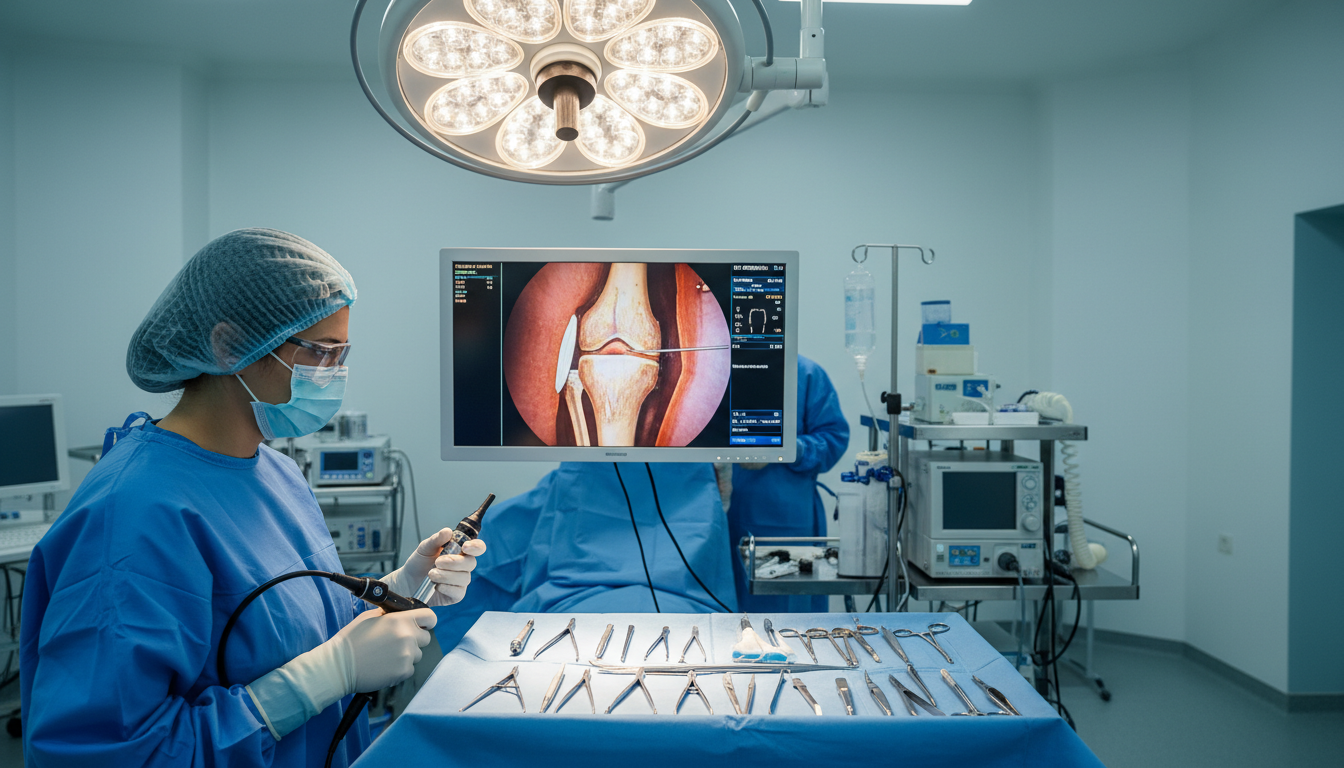
More and more people from the UK are looking abroad for top-notch medical care. Turkey is becoming a top choice for those wanting affordable and effective orthopaedic treatments. It combines advanced medical technology with expert specialists, making it a great option for joint care.
When thinking about this option, finding the right orthopaedic clinic is key. It’s important to get the best care for your recovery.
Arthroscopic surgery is a popular choice because it’s less invasive. It leads to quicker healing and less pain than old methods. Choosing this Arthroscopic surgery means you can get back to your life sooner with better joint function.
Key Takeaways
- Turkey offers top-notch orthopaedic care for international patients.
- The procedure is highly effective for restoring joint mobility and function.
- Minimally invasive techniques lead to shorter recovery periods for most individuals.
- Cost-effectiveness remains a significant advantage for those travelling from the UK.
- Professional clinics in Turkey prioritise patient safety and high standards of care.
The Rise of Medical Tourism for Orthopaedic Procedures
Medical tourism has grown from a small idea to a big choice for those needing joint care fast. More British patients are looking abroad for top-notch orthopaedic procedures. They want quick treatment and to move freely again, without long waits.
Traveling for surgery is often because of the significant pressure on the UK’s healthcare. People’s lives suffer while waiting for joint treatments. Going abroad means quicker appointments, starting recovery sooner.
These clinics abroad focus on the patient, mixing top care with comfort. They have advanced medical infrastructure and follow international standards. For many, getting orthopaedic procedures in places like Turkey is a good option. It offers expert care in a supportive, stress-free setting.
Understanding Arthroscopic Surgery and Its Benefits
Arthroscopic surgery is a big step forward in treating joint health. It uses small cuts instead of big ones. This makes it easier to fix problems inside the joint.
This change has made a big difference for people with chronic joint pain. They now have a better chance of feeling better.
Minimally Invasive Techniques Explained
An arthroscope is a thin, flexible tube with a camera. It lets surgeons see inside the joint through a tiny cut. This way, they can see the joint’s parts clearly.
With this tool, surgeons can do repairs or take out damaged tissue. The small cuts mean the surrounding muscles and skin stay mostly untouched. This is a key part of modern orthopaedic care.
Advantages Over Traditional Open Surgery
Modern surgery is much different from old-school open surgery. Open surgery needs bigger cuts, which can hurt more and take longer to heal. Arthroscopic surgery is gentler, helping you get back to normal life faster.
People choose this method for many reasons. It has big benefits for both the body and mind. Some of these benefits are:
- Less pain after surgery because it doesn’t hurt as much tissue.
- Quicker recovery, so you can start moving again sooner.
- Better-looking scars because the cuts are small.
- Less chance of getting an infection because the cuts are smaller.
The move to minimally invasive surgery has made getting help for joint problems easier. It’s less scary and more precise. Surgeons can do great work while keeping you comfortable.
Why Turkey is a Leading Destination for Joint Arthroscopy
Turkey has become a top choice for those needing joint procedures. It offers clinical excellence and advanced technology. This makes it a great place for joint arthroscopy to improve mobility and quality of life.
Investment in Modern Medical Infrastructure
Turkey has invested a lot in its healthcare over the last ten years. This has led to the creation of top-notch hospitals. These hospitals have the latest diagnostic tools, like MRI and CT scanners, for precise planning.
This strong infrastructure helps surgeons perform complex orthopedic surgery in Turkey with great accuracy. They use advanced imaging and robotic systems for better results. This means patients can recover faster and with less pain.
Accreditation and International Standards
Safety is a big part of Turkey’s healthcare. Many clinics have international accreditations, showing they meet high quality standards. These standards cover everything from cleanliness to post-operative care.
Turkish hospitals follow global best practices for joint arthroscopy. Patients are in safe hands with skilled doctors who focus on patient safety. This ensures high-quality care, giving patients peace of mind when they travel for treatment.
Common Conditions Treated with Arthroscopic Surgery
From professional athletes to those with chronic wear, joint arthroscopy offers a precise fix. It lets surgeons diagnose and treat many joint problems through small cuts. They use a tiny camera and special tools for exceptional accuracy and less damage to the area.
Shoulder Surgery and Rotator Cuff Repairs
Shoulder surgery helps with painful issues that stop us moving freely. It’s often used to fix torn rotator cuff tendons, a common cause of pain. This method leads to less pain after surgery than older methods.
Knee Arthroscopy for Ligament and Meniscus Injuries
Knee arthroscopy is top for treating sports injuries. It works well for fixing torn menisci and ligaments like the ACL. These fixes help joints stay stable, letting people get back to their active lives.
Hip and Ankle Joint Interventions
Surgeons also use arthroscopic surgery for hip and ankle problems. These surgeries are key for removing loose cartilage or fixing impingement syndromes. Choosing these methods means patients can move again sooner and feel less pain.
The Expertise of an Arthroscopic Surgeon in Turkey
Looking for surgery abroad means checking your medical team’s credentials is key. Many patients choose Turkey for a arthroscopic surgeon known for their skill and precision.
Training and Qualifications of Turkish Specialists
Doctors in Turkey get top-notch training that meets global standards. They often study at famous universities and then do fellowships in Europe or North America.
This focus on continuous learning keeps every arthroscopic surgeon up-to-date with the latest medical tech. They join global research and clinical exchanges, bringing top techniques to their clinics.
Multidisciplinary Approaches to Patient Care
Recovery is more than just surgery. Turkish clinics use a multidisciplinary team approach to care for your health fully.
This team includes surgeons, anaesthetists, and physiotherapists. Together, they create a treatment plan tailored to you. This ensures safe orthopaedic procedures and effective recovery.
| Professional Standard | Turkish Specialist Focus | Patient Benefit |
|---|---|---|
| Clinical Training | International Fellowships | Advanced Surgical Skill |
| Team Collaboration | Multidisciplinary Care | Comprehensive Recovery |
| Procedure Quality | Modern Orthopaedic Procedures | Improved Joint Function |
Patient Journey: From Initial Consultation to Travel
Your recovery journey starts long before you fly. It begins with a detailed remote assessment. Thanks to digital platforms, you can connect with top orthopaedic specialists in Turkey from the UK. This first step is key to creating a clear treatment plan and making sure you’re confident in your medical choice.
Remote Consultations and Diagnostic Review
The journey starts with sharing your medical history and diagnostic images, like MRI or X-rays, with the clinic. A patient coordinator will help you send these securely. Having these documents ready lets the surgeon examine your joint condition accurately.
After reviewing your images, the surgeon will discuss the planned arthroscopic surgery. This is your chance to ask about the surgery’s outcomes and recovery time. You’ll get a clear explanation of the surgery, helping you decide on travel plans.
Planning Your Medical Travel Itinerary
Once surgery is confirmed, planning your travel is next. It’s important to plan your trip to fit your medical schedule. Good planning reduces stress and helps your body prepare for surgery.
Most patients arrive a day or two early to settle and get used to their surroundings. Your coordinator can help with transport and hotel bookings. Here’s a table to help you plan your journey.
| Stage | Action Required | Estimated Timeframe |
|---|---|---|
| Initial Inquiry | Submit medical records and MRI | Day 1-2 |
| Consultation | Virtual meeting with surgeon | Day 3-5 |
| Travel Prep | Book flights and accommodation | Day 7-14 |
| Arrival | Pre-operative check-up | Day before surgery |
What to Expect During Your Hospital Stay
Knowing what happens from start to finish is key to your medical travel. Turkish hospitals are known for their modern facilities and care for patients. This makes your stay more comfortable and focused on healing.
Pre-operative Assessments and Anaesthesia
When you arrive, you’ll have essential pre-operative assessments to check if you’re ready for surgery. These include blood tests, an ECG, and a physical check by your surgeon. These steps are important for your safety and to make the surgery right for you.
You’ll also meet with the anaesthetist. They’ll talk about your health history, any past sedation experiences, and the anaesthesia for your surgery. It’s a good time to ask questions and share any worries you have.
Post-operative Care and Monitoring
After surgery, you’ll go to a recovery area. Here, highly trained nursing staff will watch over you. They’ll check your vital signs often to make sure you’re okay. This watchful period is key for your safety and early recovery.
Your comfort is a big deal during your stay. The nursing team will help with pain and getting you moving to avoid stiffness. You’ll get attentive care 24/7, with staff ready to help and guide you towards getting better.
Arthroscopic Recovery and Rehabilitation Programmes
Your healing journey starts right after surgery. Even though arthroscopic surgery is less invasive, a good recovery plan is key. These plans are made just for you, helping your body heal right and fast.
Immediate Post-operative Physiotherapy
Physiotherapy usually starts a few hours after surgery. It’s crucial for avoiding joint stiffness and swelling. Early movement helps your body heal quicker by improving blood flow.
Your team will teach you simple exercises to keep your joints moving. Following these exercises is a vital step in your recovery. It helps you get back to your usual activities smoothly.
Long-term Recovery Milestones
As you get better, your focus will be on strengthening the muscles around the joint. You’ll aim to reach milestones like full joint movement and muscle stability. These are key for lasting benefits from your arthroscopic surgery.
Staying consistent is important during this time. Listening to your physiotherapist helps you safely get back to your daily life. Remember, patience is needed as your body rebuilds its strength.
Comparing Costs: Turkey Versus the United Kingdom
Looking at the cost of medical procedures in the UK and Turkey shows big price differences. Private healthcare in Britain is convenient but can be very expensive. Many people choose a qualified arthroscopic surgeon abroad for better value.
Understanding the Price Structure of Private Care
In the UK, private orthopaedic care has a complex billing system. Hospital fees, consultant charges, and anaesthetist costs are billed separately. This makes it hard for patients to know the total cost before surgery.
In Turkey, clinics often offer all-inclusive surgical packages. These packages include pre-operative assessments, the procedure, and follow-up consultations. Working with a reputable arthroscopic surgeon in Turkey makes it clear what’s included. This helps avoid unexpected medical bills during recovery.
Hidden Costs and Value-Added Services
When looking at international options, it’s important to check for hidden costs. Ask about post-operative medication, physiotherapy, and medical equipment. Turkish facilities often provide value-added services like airport transfers and luxury accommodation.
These extra services can save a lot of money compared to arranging them in the UK. A skilled arthroscopic surgeon will make sure your package meets your needs. The table below shows the cost differences between the UK and Turkey.
| Service Component | Typical UK Private Cost | Typical Turkish Package |
|---|---|---|
| Surgical Procedure | High (Variable) | Inclusive |
| Hospital Stay | Daily Rate | Inclusive |
| Follow-up Care | Per Consultation | Included |
| Patient Support | Limited | Dedicated Coordinator |
Safety Protocols and Quality Assurance in Turkish Clinics
Thinking about surgery abroad? Knowing Turkey’s strict safety standards is key for your peace of mind. Top clinics in Turkey follow strict rules, just like the best places worldwide. They make sure every patient gets top-notch care in a safe place.
Infection Control and Surgical Hygiene
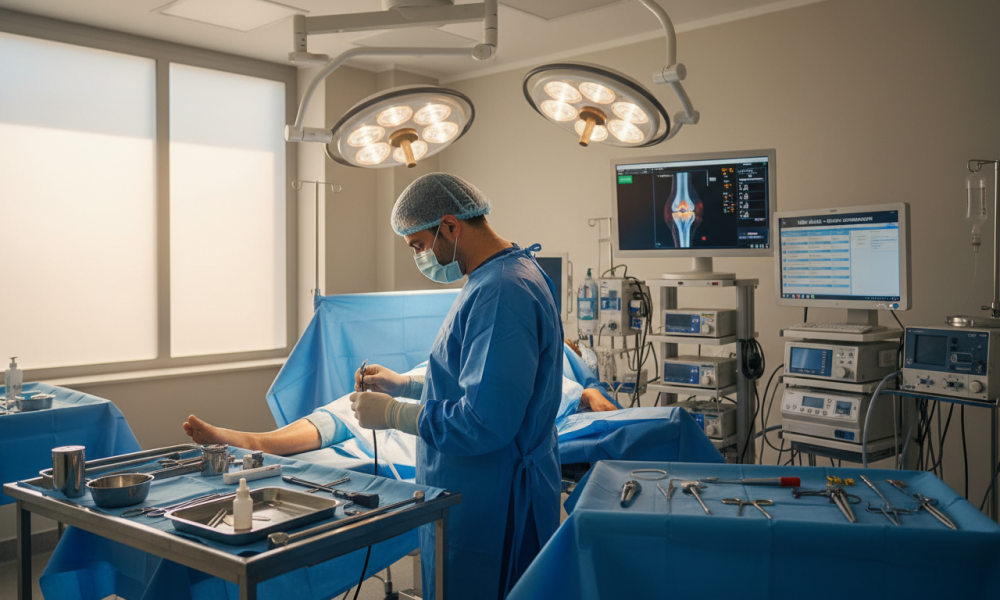
Keeping things clean is a big deal for any good orthopaedic centre. Turkish hospitals use advanced sterilisation technology to make sure all arthroscopic techniques tools are clean. They also have special air filters to cut down on infections.
Doctors and nurses follow strict cleaning rules, like washing their hands and using disposable tools. This helps keep patients safe from problems after surgery. Clean clinics help patients start their recovery safely and well.
Patient Safety Records and Success Rates
Being open about how well they do is important for Turkish medical tourism. Many hospitals have big names like the Joint Commission International (JCI) seal. They share data on how well they do with different surgeries.
Patients can look at these records to feel more sure about their doctors. The use of rigorous clinical audits and new arthroscopic methods means happy patients. Here’s what top clinics focus on for safety.
| Safety Pillar | Implementation Standard | Patient Benefit |
|---|---|---|
| Sterilisation | International ISO Standards | Reduced infection risk |
| Surgical Precision | Advanced Arthroscopic Techniques | Faster recovery times |
| Clinical Oversight | JCI Accreditation | Verified quality of care |
| Monitoring | 24/7 Post-operative Care | Immediate complication response |
Navigating Language and Communication Barriers
Good communication is key to a successful surgery when you travel for orthopaedic care. Surgery in a foreign country might seem scary, but Turkey’s modern medical facilities make it smooth. You’ll find staff who speak your language and understand your needs.
The Role of Patient Coordinators and Translators
Top clinics have patient coordinators who help from the start. They speak English well and handle the practical and emotional sides of your visit. They make sure your questions are answered quickly and you feel supported.
Medical translators also help during doctor visits. They explain medical terms in simple language. This helps you focus on getting better without worrying about language.
Ensuring Clear Informed Consent
Getting your consent is very important and can’t be mixed up by language. Your team will explain the surgery, risks, and recovery time in detail. You can ask as many questions as you need until you’re sure.
Clinics give you consent forms in English so you can read them carefully. This builds trust with your surgeon. It makes sure you understand everything before making a choice.
| Support Service | Primary Responsibility | Benefit to Patient |
|---|---|---|
| Patient Coordinator | Logistics and Scheduling | Reduced travel anxiety |
| Medical Translator | Clinical Communication | Clear understanding of care |
| Legal Liaison | Informed Consent Review | Full awareness of risks |
Legal and Ethical Considerations for UK Patients
Before you travel for your orthopaedic procedure, you must address several critical legal and ethical factors. Seeking treatment abroad is a significant decision. It requires a thorough understanding of your rights and the regulatory environment. Ensuring that you are protected both during your stay and upon your return is essential for a successful outcome.
Insurance and Liability Coverage
Standard travel insurance policies often exclude medical procedures performed abroad. It is imperative that you secure specialist medical travel insurance. This insurance should cover any complications related to your surgery. Make sure your policy includes coverage for emergency repatriation and additional hospital stays if recovery does not proceed as planned.
Also, you must confirm the liability framework of the clinic you choose. Reputable Turkish hospitals typically maintain professional indemnity insurance for their surgeons. Always request documentation regarding their clinical governance and malpractice protocols before finalising your travel arrangements.
Continuity of Care Upon Returning Home
Planning your transition back to the United Kingdom is a vital component of your surgical journey. Discuss your post-operative requirements with your local GP or a private physiotherapist before you depart. This ensures that your local medical team is prepared to support your long-term recovery once you are back on home soil.
It is standard practice to request a detailed medical report from your Turkish surgeon in English. This report should detail the procedure performed, any implants used, and specific rehabilitation instructions. Providing this information to your UK healthcare provider facilitates a seamless handover of care. This prevents any delays in your ongoing treatment.
| Consideration | Action Required | Benefit |
|---|---|---|
| Medical Insurance | Purchase specialist cover | Financial protection for complications |
| Clinical Liability | Verify surgeon indemnity | Assurance of professional standards |
| Medical Records | Request English summary | Clear communication with UK GP |
| Follow-up Care | Book local physiotherapy | Consistent rehabilitation progress |
Preparing for Your Trip: Essential Travel Tips
Getting ready for your trip to Turkey for a procedure is key. It makes your journey smooth. When choosing where to go for medical care, think about the practical stuff too. Organising these details helps you focus on getting better.
Visa Requirements and Accommodation Options
UK citizens going to Turkey for medical reasons need the right entry papers. It’s essential to check the latest visa rules early. Make sure your passport is valid for at least six months to avoid border issues.
Choose your accommodation wisely. Look for places that are easy to get to and near your clinic. Hotels with lifts, walk-in showers, and shops nearby are best. A room that lets you move easily is good for your recovery.
Managing Mobility During the Return Flight
Getting home after surgery needs careful planning. Talk to your airline 48 hours before to ask for special assistance. This can make airport travel easier.
Book a seat that lets you move easily, like an aisle seat. Wear comfy clothes and keep your meds in your bag. Drinking water and moving gently on the flight helps with swelling.
| Travel Factor | Preparation Action | Benefit |
|---|---|---|
| Documentation | Verify e-visa status | Prevents border delays |
| Accommodation | Book accessible rooms | Ensures physical comfort |
| Flight Logistics | Request airline assistance | Reduces physical exertion |
| Medical Supplies | Pack meds in carry-on | Maintains treatment schedule |
Managing Expectations for Surgical Outcomes
Managing your expectations is a vital part of the journey toward recovery after orthopaedic surgery. Modern medical interventions are very effective. But, the path to healing is unique for every individual. It’s important to understand the balance between what surgery can do and your personal recovery timeline for long-term satisfaction.
Realistic Goals for Joint Functionality
When you’re looking for sports injuries treatment, you might hope to get back to your pre-injury level of activity. But, your surgeon will give you a prognosis based on your condition and the joint involved. Setting achievable milestones helps you see progress without getting discouraged by the healing process.
It’s better to focus on functional improvements, like more range of motion or less pain in daily tasks. Clear communication with your medical team is key. This ensures your goals match your physical reality. Working together keeps your outlook positive during rehab.
The Importance of Adhering to Post-operative Advice
The success of your procedure depends a lot on following your recovery plan. Surgeons give specific instructions on rest, movement, and sports injuries treatment protocols. Not following these can cause setbacks or complications that harm your joint health in the long run.
Physiotherapy is a cornerstone of your recovery and needs consistent effort. By doing the prescribed exercises, you help restore strength and stability in your joint. Remember, your commitment to these post-operative steps is as important as the surgery itself for a successful outcome.
The Future of Minimally Invasive Surgery in Turkey
The future of orthopaedic treatment in Turkey looks bright. The country is embracing state-of-the-art digital tools for minimally invasive surgery. This move aims to make treatments safer and more effective for patients.
Technological Advancements and Robotic Integration
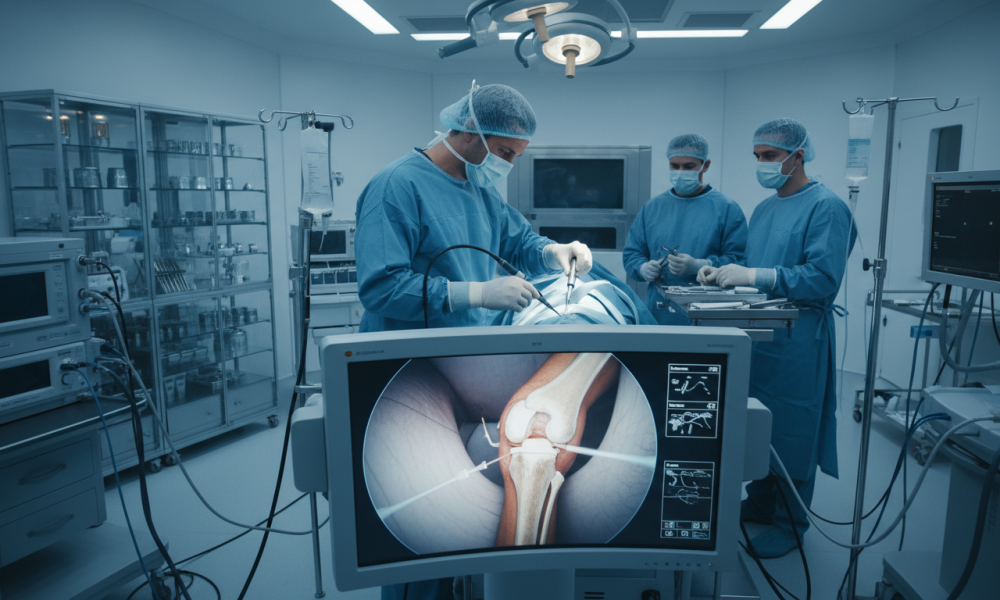
Turkish medical centres are now using robotic-assisted systems for complex surgeries. These systems help surgeons perform Arthroscopic surgery with unmatched precision. They use high-definition imaging and robotic guidance to work on joints with care.
This change means fewer complications during recovery. Patients get better results and can get back to their lives sooner. The use of these systems is marking a new chapter for orthopaedic care in Turkey.
Ongoing Research and Clinical Trials
Turkey is also focused on future medical advancements. It’s involved in international clinical trials. Surgeons and researchers work together to improve minimally invasive surgery techniques.
This effort keeps Turkish specialists at the forefront of orthopaedic care. By joining global research, Turkish clinics help shape the future of orthopaedic care. Patients choosing Turkey can be sure they’re getting top-notch Arthroscopic surgery treatments.
Conclusion
Choosing arthroscopic surgery in Turkey is a smart move. It combines top-notch care with modern facilities. You get to work with skilled surgeons who use the latest methods to fix your joints.
This option is great for those looking for quality care beyond the UK. It’s a chance to get your joints working smoothly again.
Success in your surgery depends on your effort. Being well-prepared and talking clearly with your team is key. Don’t forget to focus on your recovery after the surgery.
It’s important to understand the care options available abroad. You have the power to choose what’s best for your health. This choice can help you get back to your active life.
FAQ
Q: Why are British patients increasingly choosing Turkey for arthroscopic surgery?
A: Many UK patients choose Turkey to avoid long NHS waiting lists. Turkey offers top medical facilities and lower costs for surgery. This makes it a great option for those looking for affordable, high-quality care.
Q: What are the primary advantages of arthroscopic techniques over traditional open surgery?
A: Arthroscopic surgery uses small cuts and cameras to see inside the joint. It causes less damage to soft tissues. This means less pain, lower infection risk, and less scarring than open surgery.
Q: Which joint conditions are most commonly treated through joint arthroscopy in Turkish clinics?
A: Turkish clinics often treat shoulder and knee problems. They fix rotator cuff issues and knee tears. They also treat sports injuries, helping patients regain full mobility.
Q: How can I verify the qualifications of an arthroscopic surgeon in Turkey?
A: Look for surgeons with Turkish Orthopaedics Society certifications and international fellowships. They often trained at top global institutions. This ensures they offer the best care.
Q: What does the initial consultation process involve for international patients?
A: It starts with a remote consultation using scans. The team reviews these to see if surgery is right. This ensures a treatment plan is ready before travel.
Q: What can I expect during my hospital stay and the immediate recovery period?
A: You’ll get thorough checks and meet the anaesthesia team. After surgery, you’ll be closely watched. Early physiotherapy helps with recovery and flexibility.
Q: How does the cost of private orthopaedic care in Turkey compare to the United Kingdom?
A: Turkey’s costs are much lower, sometimes by 50% to 70%. Packages include hospital fees, surgeon costs, and medication. This offers great value without hidden costs.
Q: Is there a significant language barrier when seeking medical treatment in Turkey?
A: No, thanks to patient coordinators and translators. They ensure clear communication and address all concerns. This makes treatment smooth and informed.
Q: What are the essential travel considerations for someone undergoing joint surgery abroad?
A: Ensure you have a valid e-visa and choose accessible accommodation. Plan your return flight carefully. Consider extra legroom or airport assistance for comfort.
Q: How is continuity of care managed once I return home to the United Kingdom?
A: You’ll get a detailed report and rehab plan before leaving. Share this with your GP or physio in the UK. This ensures a smooth recovery back home.
Q: Are Turkish clinics equipped with the latest technology for sports injuries treatment?
A: Yes, Turkey has invested in top medical tech. Hospitals use robotic systems and advanced imaging for surgery. This ensures patients get the best treatments available.
Related guides

Healthcare Content Compliance Guide for Growth
A high-performing treatment page can generate international patient inquiries within hours. It can also create material risk if…

Turkey Hospitals vs Local Hospitals Compared
A lower procedure quote can get a patient’s attention. It should not make the decision on its own.…

Patient Experience That Drives Trust and Growth
A patient who has already uploaded medical records, compared providers, and arranged time away from work is not…