

More and more patients from the UK are heading to Turkey for heart care. They’re drawn by the exceptional standards of medical care and the latest life-saving tech.
The Automatic Implantable Cardioverter Defibrillator is a key tool for those at risk of sudden heart problems. By going abroad, patients meet top specialists who focus on safety and long-term heart health.
In Turkey, modern clinics make getting an Automatic Implantable Cardioverter Defibrillator smooth. They use the latest gear and tailor care for the best results for each patient.
Key Takeaways
- Rising numbers of British patients are travelling to Turkey for specialised cardiac treatments.
- The device provides essential protection against life-threatening heart rhythm disturbances.
- Turkish medical centres maintain rigorous international standards for surgical excellence.
- Patients benefit from shorter waiting times compared to local healthcare systems.
- Expert cardiologists provide complete care throughout the recovery.
Understanding the Role of an Automatic Implantable Cardioverter Defibrillator
An Automatic Implantable Cardioverter Defibrillator (ICD) is a vital guardian for those at risk of life-threatening heart rhythms. It continuously monitors your heart’s electrical activity. This ensures any dangerous irregularities are detected right away.
The device acts as a silent protector in your chest. It’s designed to step in when the heart’s rhythm becomes too fast or chaotic. This could lead to fatal outcomes if not corrected.
Mechanism of Action in Preventing Sudden Cardiac Arrest
The main job of an ICD is cardiac arrest prevention. It quickly detects and corrects life-threatening arrhythmias. When it spots a dangerous rhythm, it sends a precise electrical shock to restore normal rhythm.
This process is fast, often before you even lose consciousness. Efficiency is key. The device is programmed to spot specific patterns before a cardiac event. This allows for timely, life-saving intervention.
Distinguishing Between ICDs and Traditional Pacemakers
ICDs and traditional pacemakers are implanted under the skin but serve different purposes. Pacemakers mainly treat slow heart rates, known as bradycardia.
ICDs, on the other hand, are a pacemaker alternative for those needing more than just rate support. Modern ICDs can also pace the heart to treat slow rates. But their main feature is delivering high-energy shocks to stop dangerous ventricular tachycardias.
| Feature | Traditional Pacemaker | ICD |
|---|---|---|
| Primary Goal | Treat slow heart rate | Prevent sudden cardiac arrest |
| Therapy Type | Low-energy pacing | Pacing and high-energy shocks |
| Target Condition | Bradycardia | Ventricular arrhythmias |
Knowing these differences helps patients understand why they have a specific device. Your cardiologist will choose the best technology for you. This is based on your electrophysiological profile and health needs.
Why Patients from the United Kingdom Choose Turkey for Cardiac Care
People from the UK often choose to go abroad for heart care. They look for both convenience and top-notch treatment. Turkey has become a top choice for those seeking efficient and high-quality care.
Accessibility and Proximity for British Medical Tourists
Turkey’s medical facilities are easy to get to from the UK. There are many direct flights from major UK airports. This means patients can reach top hospitals in just a few hours.
This short travel time makes international medical travel less stressful. It helps patients feel supported from start to finish.
The Reputation of Turkish Cardiology Centres
Turkey has many skilled cardiologists and surgeons. They have worked in top hospitals in Europe and North America. This brings world-class expertise to Turkey.
Patients looking at cardiac surgery in Turkey find state-of-the-art facilities. These centres use the latest technology for safe and precise care.
The friendly environment for international visitors makes recovery easier. Turkish hospitals combine clinical rigour with care. They set a high standard for heart care worldwide.
The Clinical Indications for ICD Therapy
Modern cardiology uses clear criteria to ensure life-saving tech reaches those most at risk. To decide if an AICD is needed, a patient’s heart history and current function are carefully checked. This ensures ICD therapy goes to those who will benefit the most.
Managing Ventricular Arrhythmias and Tachycardia
Those who have had a life-threatening heart rhythm are top candidates for treatment. These ventricular arrhythmias cause the heart to beat too fast and not pump blood well. The device acts as a vital shield against cardiac arrest prevention by detecting these dangerous rhythms.
The device sends precise electrical therapy to fix the heart’s rhythm. This quick action is key for those with sustained tachycardia, where the heart rate gets too high. Early intervention through this tech greatly boosts survival chances for these patients.
Risk Stratification for Patients with Heart Failure
Doctors use complex risk stratification to spot patients at high risk of rhythm problems. This includes checking the Left Ventricular Ejection Fraction (LVEF), which shows how well the heart pumps. If the LVEF is low, the risk of sudden death goes up, making the device a proactive medical necessity.
The table below shows the main signs that doctors look for when suggesting an implantable device for patients.
| Clinical Indicator | Risk Level | Primary Goal |
|---|---|---|
| History of Cardiac Arrest | Very High | Secondary Prevention |
| Sustained Ventricular Tachycardia | High | Rhythm Stabilisation |
| Low Ejection Fraction (<35%) | Moderate to High | Primary Prevention |
| Genetic Arrhythmia Syndromes | Variable | Sudden Death Mitigation |
By looking at these signs closely, medical teams can make treatment plans that fit each patient’s needs. This meticulous approach makes sure every implant is backed by strong evidence and safety standards.
Technological Advancements in Modern Heart Rhythm Devices
Medical engineering has made big strides in treating serious heart rhythm problems. Today’s heart rhythm device is smaller, smarter, and works better than before. It gives patients care that fits their unique needs.
Features of Contemporary Transvenous ICD Systems
Modern transvenous systems are the top choice for heart protection. They use advanced algorithms to spot dangerous heart rhythms with remarkable accuracy. This cuts down on unnecessary shocks, making life better for patients.
Also, new AICD units last longer, needing fewer replacements. This is great for those looking for long-term solutions. They also connect easily for remote monitoring, keeping doctors updated in real-time.
Subcutaneous ICD Options for Specific Patient Profiles
The subcutaneous ICD (S-ICD) is a good option for those needing a pacemaker alternative or avoiding vascular leads. It’s placed under the skin, not inside the heart. It’s perfect for younger patients or those with certain heart shapes.
The S-ICD works like a strong AICD but with less risk of infections. It lets patients stay active without worry. Every heart rhythm device choice is made with the patient’s best interest in mind.
The Surgical Procedure for Implantable Medical Device Placement
Modern cardiac surgery uses advanced techniques for safe implantation of life-saving technology. When you get an implantable medical device, your team follows a strict protocol. This ensures the best results and comfort for you during the process.
Anaesthesia and Intraoperative Monitoring
The procedure starts with anaesthesia to keep you comfortable. Most get local anaesthesia with some sedation. Sometimes, general anaesthesia is needed based on your health.
Your team keeps a close eye on you during surgery. They watch your heart rhythm, blood pressure, and oxygen levels. This careful monitoring lets them act fast if anything changes.
Lead Placement and Device Pocket Creation
With you sedated, the surgeon makes a small incision below your collarbone. This area is carefully prepared for the defibrillator implant. The precision here is key for the device’s long life and your comfort.
The surgeon then guides the leads through a vein to your heart. This involves several important steps:
- Fluoroscopic guidance: Real-time X-ray imaging helps place the leads correctly.
- Electrical testing: The team checks if the leads are working right.
- Secure anchoring: The leads are fixed in place to prevent movement.
After the leads are in place, the device is connected and put in the pocket. The final step is closing the incision with sutures. This completes the defibrillator implant with top care.
Pre-operative Assessment and Diagnostic Protocols in Turkish Hospitals
Getting the best results for your heart rhythm treatment starts with a detailed check-up in Turkey. Medical teams follow strict protocols to make sure each patient gets the right care for their heart. By picking top-notch cardiology treatment in Turkey, you get a thorough evaluation. This is to make sure your treatment is safe and successful.
Comprehensive Cardiac Imaging and Electrophysiology Studies
Before any device is put in, experts need to know your heart’s inside details and electrical paths. They use advanced imaging like echocardiograms and cardiac MRIs. These give precise visual data about your heart’s size and how well it works.
These images are then checked with detailed electrophysiology studies. This study maps the heart’s electrical activity to find the source of any irregular heartbeats. Accurate mapping is key to placing leads correctly and making sure the device works well once it’s in.
Reviewing Medical History and Medication Management
Looking over your medical history helps the surgical team spot any risks before surgery. Doctors check your past health records, including any heart failure or previous surgeries. This helps them create a personalised care plan for you.
It’s also important to manage your current medications for the procedure’s success. You might be told to change your intake of blood-thinning agents or other heart drugs before surgery. This careful planning helps minimise complications and gets your body ready for the implantation.
Recovery and Post-operative Care Following Defibrillator Implantation
The days after your surgery are key for your new device’s success. You’ll likely stay in the hospital briefly to check the defibrillator implant works right. The team will watch your heart and make sure the leads are in place.
Immediate Hospitalisation and Wound Care
Nurses will check your incision often to keep it clean and dry. It’s very important to follow your doctor’s advice on dressing changes and keeping it clean. This helps prevent infections and aids in skin healing.
If you see redness, swelling, or odd discharge, tell your doctor right away. Keeping the area clean is a big deal in the first few days. Most people find the pain manageable with the meds and rest they’re given.
Activity Restrictions During the Healing Phase
At home, you’ll need to follow certain rules to help the area heal. Avoiding hard work or lifting is key to stop the leads from moving too soon. Being patient now means a better future for your device and comfort.
Don’t move the arm where the device is too much. Avoiding heavy lifting or reaching high helps protect your defibrillator implant. These steps help you get back to normal faster.
| Recovery Phase | Recommended Activity | Safety Precaution |
|---|---|---|
| Days 1-3 | Rest and light walking | Keep incision dry |
| Weeks 1-2 | Gentle movement | No heavy lifting |
| Weeks 3-6 | Gradual return to tasks | Avoid overhead reaching |
| Post-6 Weeks | Normal daily activities | Follow doctor advice |
Comparing Turkish Healthcare Standards with the NHS
Many British patients wonder how private care in Turkey compares to what they’re used to at home. The National Health Service (NHS) is a key part of British life. Yet, Turkey’s private sector is seen as a formidable alternative for heart procedures. Knowing these differences helps patients decide on their heart health.
International Accreditation and Quality Benchmarks
Patients travelling abroad worry about clinical safety. Turkish hospitals often get Joint Commission International (JCI) accreditation. This is a top mark for healthcare quality worldwide.
Getting this accreditation means Turkish centres meet high standards. They focus on patient safety, infection control, and treatment results. This makes patients feel reassured their care meets global standards. It’s a big reason why Turkish cardiology is gaining trust.
Integration of Advanced Medical Technology
Turkish hospitals quickly adopt new medical tech. They invest in the latest tools for precise and efficient care. This lets surgeons use the newest heart rhythm management techniques.
The table below shows how these healthcare systems differ in patient care and facilities:
| Feature | NHS (UK) | Turkish Private Hospitals |
|---|---|---|
| Access to Specialists | Referral-based system | Direct access to consultants |
| Technology Updates | Budget-dependent cycles | Rapid private investment |
| Accreditation | CQC standards | JCI international standards |
| Waiting Times | Variable based on urgency | Typically minimal |
By using state-of-the-art technology, Turkey offers modern and reliable care. This mix of advanced tech and international standards makes Turkey a strong choice for heart care.
Safety and Efficacy of Arrhythmia Treatment in Accredited Facilities
Choosing an accredited facility for your heart health means you get top-notch care. Patients getting arrhythmia treatment in Turkey can be sure of safety. Turkish hospitals follow strict safety rules, making them perfect for complex heart treatments.
Success Rates of ICD Implantation in Turkey
In Turkey, the success rates for ICD therapy are very high. Top hospitals show results that are as good as or better than in Europe. This is thanks to the vast experience of local electrophysiologists.
Experts in these places are very good at handling tough ventricular arrhythmias. They use the latest tech to place devices with great care. This reduces the chance of problems for patients.
Adherence to International Cardiology Guidelines
Turkish medical centres stick to global cardiology rules. This means every part of ICD therapy is based on the latest research. Patients know their treatment is up to date with the world’s best practices.
These places regularly check their quality. They keep high standards to ensure reliable care for all patients. This dedication is what makes Turkey’s cardiac services stand out.
Navigating the Costs of Cardiac Procedures in Turkey
Understanding the costs of cardiac care in Turkey is key for patients planning to travel for treatment. Many want to know how prices abroad compare to home. By looking at the total cost, patients can make informed financial decisions about their heart health.

Breakdown of Hospital Fees and Surgeon Charges
The cost of an ICD implant in Turkey includes several parts. These are the hospital fee, the surgeon’s charges, and the device cost. Transparency is a top priority in Turkish centres, ensuring patients get a clear quote before they arrive.
Hospital fees cover the operating theatre, anaesthesia, and post-op care. Surgeon charges depend on the doctor’s expertise. Patients should also consider diagnostic tests and follow-up visits, often included in all-inclusive medical packages.
Comparing Private Healthcare Costs Against UK Alternatives
Comparing Turkey’s prices to the UK’s private healthcare is helpful. Many find Turkey’s costs much lower, even with travel and stay costs. This cost-efficiency doesn’t mean lower quality, as Turkish hospitals meet high international standards.
| Service Category | Typical UK Private Cost | Typical Turkey Cost |
|---|---|---|
| Consultation Fees | High | Moderate |
| ICD Implantation | Premium | Competitive |
| Hospital Stay | Daily Rate | Inclusive Package |
Choosing Turkey for cardiac surgery means top tech at a good price. By comparing costs, it’s clear why many British patients travel for care. This way, they get the treatment they need without long waits at home.
Selecting the Right Cardiologist and Electrophysiologist
Your choice of specialist is key to the success and safety of your cardiac procedure. When considering an implantable cardioverter defibrillator, it’s important to find a professional with both technical skills and a caring approach. Taking the time to research your options ensures you get the best treatment.
Verifying Credentials and Professional Experience
Before you decide on a procedure, check the background of your doctor. Look for specialists who are board-certified in cardiology and have specific fellowship training in clinical cardiac electrophysiology. This shows they’ve had in-depth training for complex heart rhythm issues.
Experience matters too. Ask about the number of procedures they do each year. High-volume centres usually have better results. Reviewing their professional history and any research contributions can boost your confidence in their skills.
The Importance of Multidisciplinary Heart Teams
Cardiac care today is a team effort. A top facility will have a team of electrophysiologists, cardiac surgeons, specialist nurses, and anaesthetists working together. This team ensures your health is watched over before, during, and after the procedure.
Working in a multidisciplinary heart team helps specialists handle complications better. They can also adjust the device settings to fit your needs. This team approach is a sign of a leading medical institution. It means a comprehensive network of experts is looking after your recovery and long-term heart health.
Managing Life with an Implantable Cardioverter Defibrillator
Your journey with an Automatic Implantable Cardioverter Defibrillator goes beyond surgery. It’s about changing your daily habits and looking after your mental health. The device silently guards your heart, but you need to actively care for it in your daily life.
Lifestyle Adjustments and Electromagnetic Interference
Most people can go back to their usual activities soon after surgery. But, it’s important to remember some safety tips. You should be careful around strong electromagnetic fields, as they might affect your Automatic Implantable Cardioverter Defibrillator.
Don’t put mobile phones or magnets on top of the device. It’s best to keep electronic devices at least six inches from your chest. Always talk to your cardiologist before getting MRI scans or using equipment that makes high-frequency signals.
| Item Category | Safety Status | Recommended Action |
|---|---|---|
| Mobile Phones | Generally Safe | Keep 15cm from device |
| Household Magnets | Caution Required | Avoid direct contact |
| Airport Security | Safe | Show your ID card |
| MRI Scanners | Specialised | Consult your specialist |
Psychological Support for Patients with ICDs
It’s normal to feel different emotions after getting an Automatic Implantable Cardioverter Defibrillator. Many people feel anxious or worried about their device.
Looking for psychological support can really help. Talking to a counsellor or joining a support group can be very helpful. It lets you share your feelings with others who get what you’re going through. Remember, your mental health is just as important as your physical health when you have an Automatic Implantable Cardioverter Defibrillator.
Potential Risks and Complications of ICD Implantation
Patients getting arrhythmia treatment need to know about possible problems with the device. The procedure is usually safe, but knowing about risks helps with recovery. If you’re looking into spinal cord stimulation for chronic pain, talking to your doctor is key.
Addressing Infection Risks and Lead Dislodgement
The main worries after getting an AICD are infection and lead movement. Doctors work hard to keep everything clean, but you must watch your incision for signs of trouble. Catching these early is important to avoid bigger problems.
Lead dislodgement happens when the heart wires move. This can happen if you’re too active too soon. Listening to your doctor about when to move around helps keep the leads in place.
Recognising Signs of Device Malfunction
It’s important to know when your device might be failing. If you get unexpected shocks, feel dizzy a lot, or faint, get help right away. These could mean your device isn’t working right.
Regular check-ups are key to making sure your AICD works well. At these visits, your doctor will check the device’s battery and wires. Being proactive about your health helps catch small problems before they get big.
Travel Logistics for Medical Tourists Seeking Cardiac Surgery
Planning your travel logistics is key to a smooth recovery after surgery. If you’re flying from the UK for cardiac surgery, plan your flight to match your medical needs. Keeping your health a priority ensures you stay safe and comfortable.
Coordinating Flights and Post-operative Recovery Periods
Surgeons often suggest a recovery time before flying. Talk to your medical team about your flight date to avoid health risks. Booking flexible tickets is wise, as your recovery pace can change.
Check your airline’s rules for post-surgery travel. Some need a fit-to-fly certificate from your doctor. Having this ready can avoid airport delays.
Documentation and Medical Records Transfer
Keeping detailed medical records is essential for ongoing care. Before leaving Turkey, get a full report of your surgery. This info is crucial for your UK GP or cardiologist.
Keep both digital and paper copies of your medical reports. This helps your local doctors understand your treatment. Good communication between your international and local healthcare teams is key to patient safety.
| Preparation Task | Responsibility | Timeline |
|---|---|---|
| Fit-to-fly certificate | Turkish Surgeon | Before discharge |
| Medical records summary | Hospital Admin | At discharge |
| GP notification | Patient | Pre-departure |
| Follow-up appointment | Local Cardiologist | Within 2 weeks |
Long-term Follow-up and Remote Monitoring for Heart Rhythm Devices
Managing a heart rhythm device needs a proactive approach for ongoing care. After your procedure, the real journey to wellness starts with regular checks. It’s essential to have a strong follow-up plan for the success and safety of your device.
Establishing a Continuity of Care Plan
A set follow-up schedule keeps your implantable medical device working right for you. Patients often work with both local and international specialists for smooth care. Checking out resources like the Policlinico Universitario A. Gemelli can help keep your care up to standard.
Regular check-ups help your team check on the device’s battery and leads. These visits are key for spotting problems early. A good plan gives you peace of mind and ensures quick fixes if needed.
Utilising Telemedicine for Device Interrogation
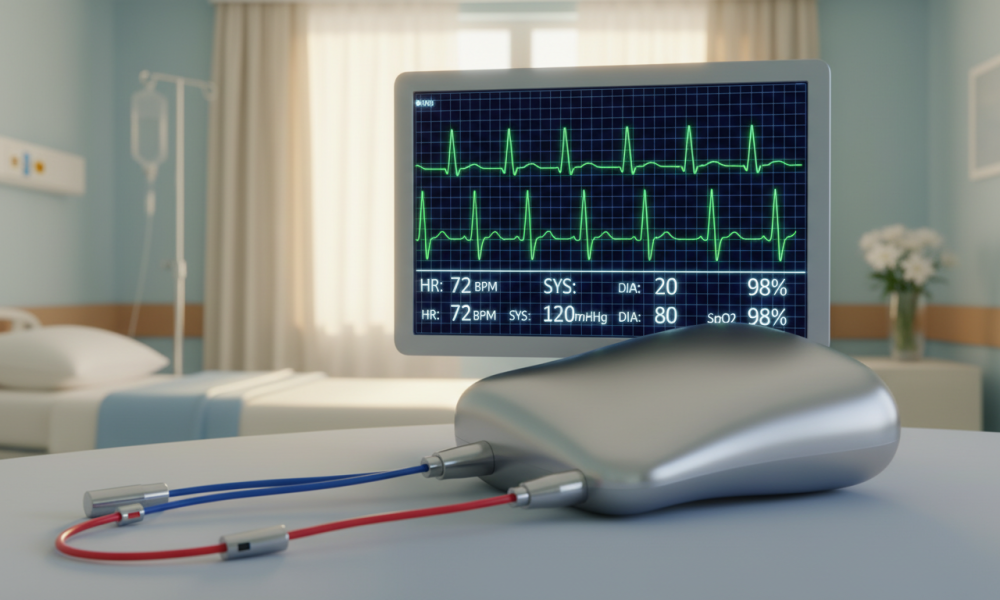
Today’s tech has changed how we monitor heart health with remote monitoring. This innovative method lets your cardiologist check your device from afar, cutting down on travel. Your data is sent securely from home, giving your doctor real-time heart rhythm insights.
This remote feature keeps your heart rhythm device in top shape without needing constant visits. If something’s off, your team gets a quick alert. This fast response is key to modern, patient-focused care for all implantable medical devices.
| Monitoring Feature | Traditional In-Clinic | Remote Telemedicine |
|---|---|---|
| Frequency of Checks | Every 6-12 months | Continuous/Daily |
| Data Transmission | Manual download | Automatic/Wireless |
| Patient Convenience | Requires travel | Performed at home |
| Alert Response | Delayed until visit | Immediate notification |
Conclusion
Choosing the right path for your heart health is important. Turkey offers a great environment for patients needing an Automatic Implantable Cardioverter Defibrillator. It combines top medical standards with a focus on the patient.
In cities like Istanbul and Ankara, modern cardiology centres have the latest technology. They make sure your safety is their top priority. You can feel confident that your treatment meets international standards of excellence.
Long-term management of your health is key. This includes regular check-ups and clear talks with your doctors. With remote monitoring and care plans, you can stay in control of your health from anywhere. This approach helps keep your device working well and supports your overall health.
Start your cardiac journey by talking to experts who know your needs. Making informed choices is the best way to manage heart rhythm issues. Contact Turkish hospitals today to explore your options and get the support you need.
FAQ
Q: What is an Automatic Implantable Cardioverter Defibrillator (AICD) and how does it function?
A: An Automatic Implantable Cardioverter Defibrillator is a heart rhythm device that watches your heart all the time. It shocks your heart if it finds a dangerous rhythm. This helps prevent cardiac arrest.
Q: Is ICD therapy considered a suitable pacemaker alternative for all heart patients?
A: No, not for everyone. Pacemakers help with slow heart rates, while ICD therapy treats fast ones. An AICD is better for those at risk of sudden heart problems.
Q: Why should British patients consider Turkey for a defibrillator implant?
A: Turkey has many JCI-accredited hospitals and skilled doctors. Places like Acıbadem Hospital or Memorial Healthcare Group offer top-notch care. You’ll get quicker treatment than in the NHS.
Q: What are the primary clinical indications for receiving an implantable medical device?
A: You might need an AICD if you’ve had a heart attack or dangerous heart rhythms. It’s also good for people with heart failure and low heart function.
Q: How does the cost of cardiac surgery in Turkey compare to private healthcare in the UK?
A: Getting arrhythmia treatment in Turkey is cheaper than in the UK. Even with travel costs, it’s often less expensive. You get great care without breaking the bank.
Q: What is the difference between a transvenous and a subcutaneous ICD?
A: A transvenous AICD goes through veins to the heart. A subcutaneous ICD (S-ICD) goes under the skin. The choice depends on your heart and the doctor’s advice.
Q: How long is the recovery period after a defibrillator implant procedure?
A: You’ll stay in hospital for 24 to 48 hours after surgery. It takes four to six weeks to fully recover. You’ll need to avoid heavy lifting to keep the device in place.
Q: Can I fly back to the United Kingdom shortly after the surgery?
A: Wait at least one to two weeks before flying. This lets your doctor check you’re okay. Turkish hospitals will give you the papers you need for your return.
Q: How is the long-term performance of the heart rhythm device monitored?
A: Modern AICD systems can be checked remotely. Your team can check the device’s battery and rhythm from afar. They’ll keep an eye on your treatment over time.
Q: What lifestyle adjustments are necessary after receiving an AICD?
A: You can live normally, but be careful of electromagnetic interference. Keep phones away and avoid certain equipment or MRI scans. Your Turkish doctor will tell you how to manage these risks.
Related guides

Healthcare Content Compliance Guide for Growth
A high-performing treatment page can generate international patient inquiries within hours. It can also create material risk if…

Turkey Hospitals vs Local Hospitals Compared
A lower procedure quote can get a patient’s attention. It should not make the decision on its own.…

Patient Experience That Drives Trust and Growth
A patient who has already uploaded medical records, compared providers, and arranged time away from work is not…