
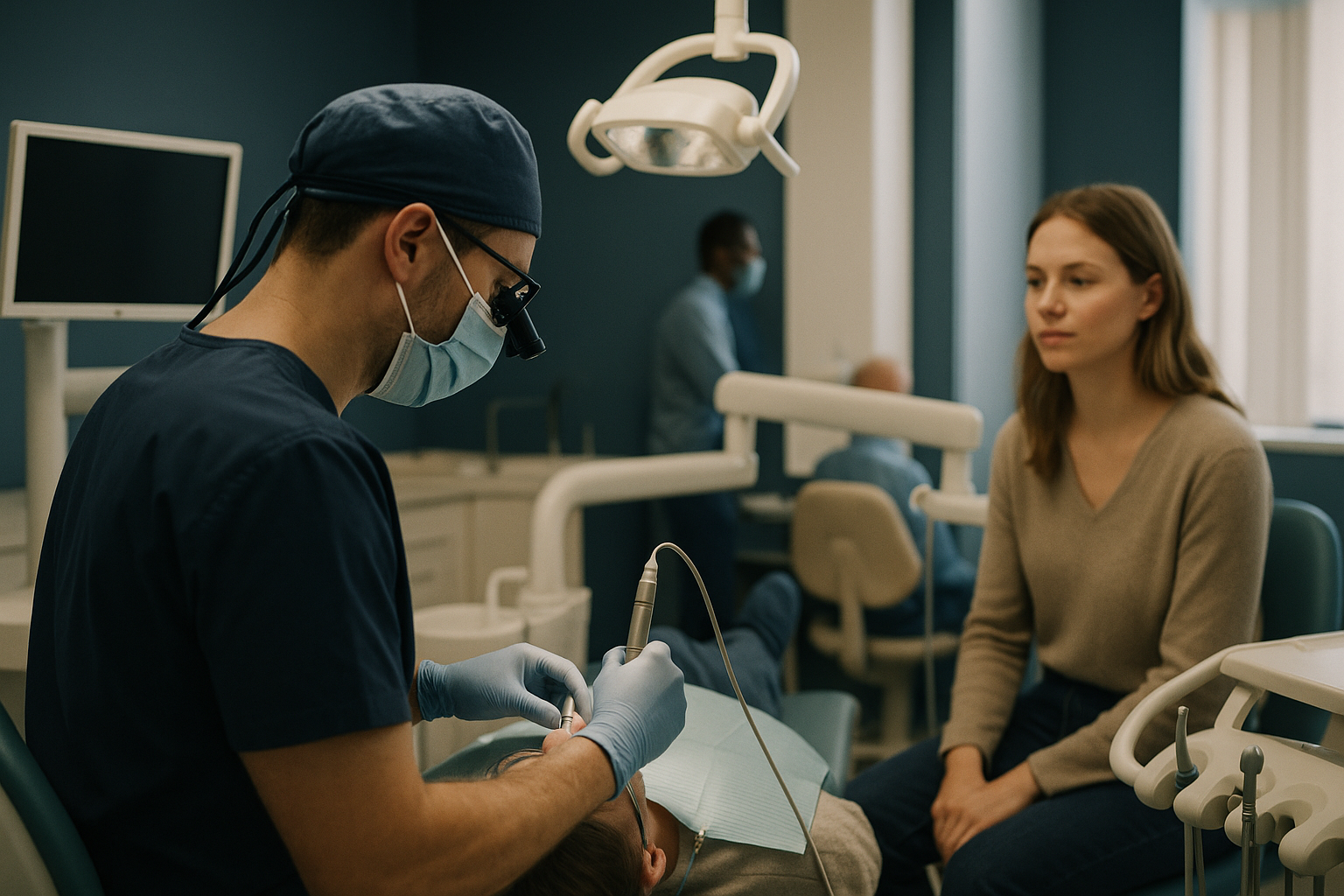
Finding the best country for dental implants can significantly impact your treatment experience and outcomes. This guide provides essential information on choosing a destination for dental tourism, evaluating costs, safety, and accreditation.
What Makes a Country Ideal for Dental Implants?
When considering dental implants abroad, several factors contribute to identifying the best country. The quality of care is paramount, as it directly influences the success and longevity of the implants. Countries like Costa Rica and India have established themselves as leaders in dental tourism due to their state-of-the-art facilities equipped with the latest technology. For instance, many clinics in these countries offer 3D imaging and CAD/CAM technology, which enhance precision in implant placement and reduce treatment times.
Cost-effectiveness is another crucial factor. While high quality is essential, the cost savings in some countries can be significant. Countries like Hungary and Thailand offer treatments at a fraction of the cost in countries like the United States or the UK. These savings do not necessarily mean a compromise in quality, as many of these countries maintain high standards by adhering to international protocols.
Additionally, the expertise and experience of dental professionals are critical. In Germany, for example, dentists undergo rigorous training and continuous education, ensuring they are well-versed in the latest techniques. Furthermore, clinics that employ specialists for each aspect of dental care, such as periodontists and oral surgeons, can offer more comprehensive treatment plans. This multidisciplinary approach can be a deciding factor when choosing a country for your dental implant needs.
Are Costs Lower in the Best Countries for Dental Implants?
Cost is a major consideration for many seeking dental implants abroad. Countries like Mexico, Thailand, and Hungary offer competitive prices, often due to lower operational costs and favorable exchange rates. For example, dental implants in Mexico can cost between $750 to $1,500 per implant, compared to $3,000 to $5,000 in the United States. These savings can be significant, especially for patients requiring multiple implants or additional dental work.
Beyond the initial cost of the implants, it’s important to consider the full scope of expenses, including travel, accommodation, and post-operative care. Some clinics in Thailand provide comprehensive packages that include airport transfers, accommodations, and even guided tours, making it an attractive option for those looking to combine treatment with travel. Such packages can simplify logistics and reduce the stress of planning, allowing patients to focus on their recovery.
Moreover, evaluating payment options and insurance coverage is crucial. Some clinics offer financing plans to help manage costs, while others may have partnerships with international insurance companies. Understanding what aspects of the procedure are covered by insurance can significantly impact the overall affordability of the treatment. Patients should inquire about these options during initial consultations to avoid unexpected expenses, ensuring a financially feasible dental tourism experience.
How Do Safety Standards Compare Internationally?
Safety is paramount when undergoing dental implant procedures. The best countries for dental implants are those that follow stringent safety protocols and have accreditation from recognized international bodies. Clinics in Turkey, for instance, adhere to strict European Union standards, ensuring procedures are performed under the highest safety conditions. These clinics often employ advanced sterilization and infection control measures, significantly reducing the risk of complications.
Accreditation from organizations such as the Joint Commission International (JCI) or adherence to ISO standards is a strong indicator of a clinic’s commitment to safety and quality. JCI-accredited clinics must undergo rigorous evaluations and consistently meet international healthcare quality standards. This provides peace of mind to international patients, assuring them of the clinic’s dedication to maintaining high safety standards.
Researching a clinic’s track record through patient reviews can offer additional insights into its safety practices. Testimonials can reveal the real-life experiences of past patients, highlighting the clinic’s strengths and potential areas of concern. Some clinics also offer virtual consultations, allowing potential patients to discuss their needs and assess the clinic’s professionalism before committing to travel. Prioritizing safety and accreditation minimizes risks, ensuring a successful dental implant journey.
What Accreditations Should Be Considered?
Accreditation is a critical factor in choosing a dental clinic abroad. Clinics in leading dental tourism destinations often boast international certifications that assure patients of their commitment to quality and safety. For example, many clinics in Costa Rica are accredited by the American Dental Association (ADA), which sets stringent standards for dental practice. Such accreditation ensures clinics adhere to rigorous guidelines regarding hygiene, patient safety, and quality of care.
The Joint Commission International (JCI) and the International Organization for Standardization (ISO) are among the most respected accreditation bodies. Clinics with these endorsements demonstrate adherence to international healthcare standards, providing reassurance to international patients. These certifications require clinics to maintain high hygiene standards, use certified materials, and employ qualified staff, all of which are crucial for successful dental implant procedures.
Local accreditation bodies can also play a significant role. The Mexican Council of Medical Tourism, for instance, accredits clinics in Mexico, ensuring they meet specific standards of care and patient safety. Checking for both international and local endorsements helps patients make informed choices, steering clear of clinics that fail to meet these rigorous standards. Accreditation serves as a quality assurance marker, guiding patients toward reputable clinics that prioritize patient welfare.
Do Language and Culture Affect Dental Tourism?
Language and cultural familiarity can significantly affect the dental tourism experience. Countries with high proficiency in English or the patient’s native language can facilitate smoother communication, reducing the risk of misunderstandings during consultations and treatment. For example, clinics in the Philippines often employ English-speaking staff, which can be a significant advantage for English-speaking patients, ensuring clear communication and understanding of the treatment process.
Cultural understanding also plays a role in patient comfort and satisfaction. Clinics that cater to international patients often offer multilingual staff and culturally sensitive care, making the overall experience more pleasant and stress-free. In countries like Spain and Portugal, for instance, clinics may provide translators or liaison officers to assist non-Spanish or non-Portuguese speaking patients, further bridging the communication gap.
Understanding cultural nuances can enhance the overall experience and contribute to a welcoming healthcare environment. For example, in Thailand, the traditional hospitality and warmth of the Thai people are integral to creating a supportive atmosphere for recovery. Patients should research the cultural aspects of their chosen destination to better prepare for their visit. This preparation can include learning basic local phrases or customs to ease interactions and enrich their overall experience, making the dental tourism process smoother and more enjoyable.
How to Plan a Dental Implant Trip?
Planning a dental implant trip involves several steps to ensure a successful outcome. Begin by researching potential destinations and clinics, focusing on those with strong reputations and positive reviews. Websites like Dental Departures or Patients Beyond Borders offer valuable insights and comparisons of various clinics and countries, helping patients make informed choices. Consulting with a healthcare professional in your home country can also provide recommendations and guidance, ensuring that your chosen clinic aligns with your medical needs.
Once a destination is chosen, plan the logistics, including travel, accommodation, and scheduling consultations. Booking accommodation close to the clinic can reduce stress and travel time during your stay. Ensuring all necessary documentation, such as medical records and insurance details, are prepared is crucial. These documents allow the clinic to assess your suitability for dental implants and plan your treatment appropriately, ensuring a smooth process from start to finish.
Finally, arrange for post-operative care and follow-up appointments to monitor the healing process. Some clinics offer comprehensive aftercare packages, including check-ups and additional procedures if necessary. Planning leisure activities can also aid recovery, as a relaxed environment promotes healing. By meticulously planning each step, patients can ensure a smooth and successful dental implant journey abroad, making the most of their dental tourism experience.
Conclusion: Making an Informed Choice
Choosing the best country for dental implants requires careful consideration of various factors, including cost, safety, and accreditation. By thoroughly researching and planning, prospective patients can ensure a successful and satisfying dental tourism experience. The choice of destination should balance quality care, affordability, and personal comfort, ensuring a positive outcome. Patients are encouraged to weigh all factors, seek professional advice, and assess their personal needs before making a decision.
Proven result
80 to 240 dental patients a month from France
High-volume dental clinic, Istanbul
Frequently asked questions
Is DHI the best hair transplant method?
DHI (Direct Hair Implantation) offers precise placement and higher density but may not suit everyone. Consult a specialist to determine suitability.
Which hair transplant is best, FUE or DHI?
Both FUE (Follicular Unit Extraction) and DHI have their advantages. FUE is less invasive, while DHI allows for more precise hair placement.
What is the cost of dental implants abroad?
Costs vary by country, with Mexico, Thailand, and Hungary offering affordable options without sacrificing quality.
How do I ensure the safety of dental implants abroad?
Choose clinics with international accreditation and positive reviews. Verify their safety protocols and the experience of the dental professionals.
Are dental implants successful internationally?
Yes, many countries offer successful dental implant procedures with outcomes comparable to those in Western nations.
What should I consider when choosing a country for dental tourism?
Consider the cost, safety standards, accreditation, language proficiency, and cultural comfort when selecting a destination.
Related guides

What Is a Medical Travel Facilitator and Why Use One?
A lower treatment quote can look compelling until you try to compare what it actually includes: surgeon fees,…

What Hospital Accreditation Reviews Really Tell You
A hospital can have polished facilities, prominent surgeons, and hundreds of five-star ratings, yet those signals do not…

International Patient Onboarding Guide for Hospitals
An international patient inquiry is not simply a lead. It is a person weighing a major medical decision…