
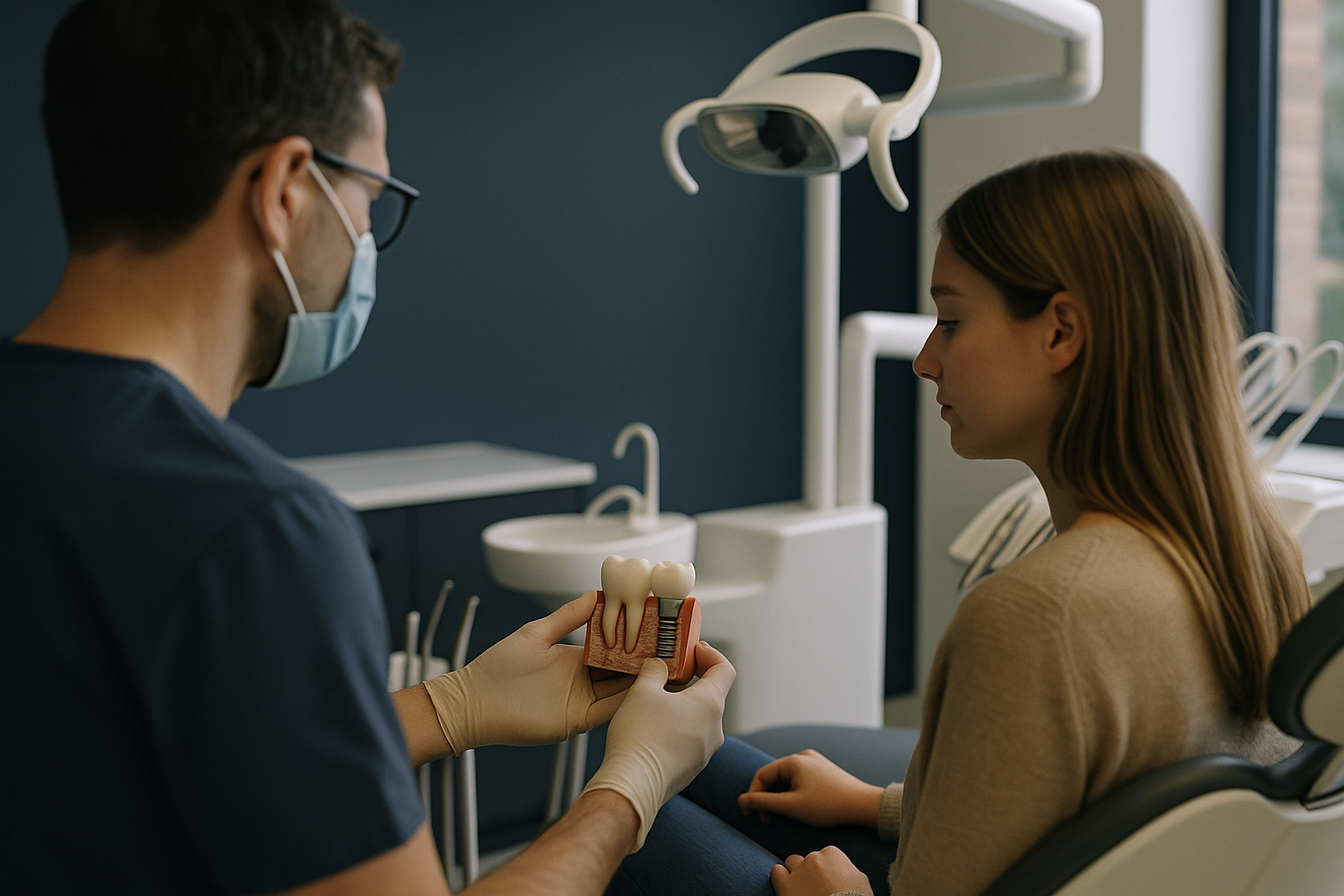
Choosing the best country to get dental implants can be a crucial decision for international patients seeking high-quality care at an affordable price. Several countries offer excellent services, but understanding the nuances of each can help you make an informed choice.
This article explores the factors that make a country ideal for dental implants, covering cost, quality, safety, and more, to guide prospective medical travellers effectively.
What Makes a Country the Best for Dental Implants?
Determining the best country for dental implants involves considering multiple factors. Cost is a significant consideration, but it should not be the sole determinant. Quality of care, availability of advanced technology, and the expertise of dental professionals are equally important. For example, some countries invest heavily in cutting-edge dental technology, such as 3D imaging and CAD/CAM systems, which can enhance the precision and success rates of implant procedures. These technologies allow for more precise planning and placement of dental implants, resulting in shorter recovery times and higher success rates.
Accreditation is another critical factor. Countries with internationally recognized accreditations ensure that clinics comply with global standards of care. These accreditations are often a mark of quality and safety in healthcare services. For instance, dental clinics accredited by the Joint Commission International (JCI) or the International Organization for Standardization (ISO) are generally considered trustworthy and reliable. These organizations conduct rigorous assessments to ensure clinics meet high standards in patient care, infection control, and safety protocols.
Moreover, the ease of travel and local infrastructure also play a role. Countries that are easily accessible and have robust healthcare infrastructure often provide a better overall experience for medical tourists. The availability of comprehensive patient support services, such as translation services and post-operative care, can also enhance the patient experience, making some countries more appealing for dental tourism. A country with a well-established medical tourism industry often offers packages that include transportation, accommodation, and leisure activities, providing a seamless experience for patients.
Comparing Costs: Dental Implants Around the World
Cost is a pivotal factor when choosing where to receive dental implants. Countries like Hungary, Mexico, and Thailand are renowned for offering high-quality dental care at competitive prices. These destinations often provide savings of up to 70% compared to prices in Western countries. For example, the average cost of a single dental implant in the United States can range from $3,000 to $5,000, whereas in Mexico, the cost might be as low as $900 to $1,500. This significant cost difference makes dental tourism an attractive option for many patients.
However, it’s essential to consider the total cost, including travel, accommodation, and any follow-up care. Patients should research the average cost of dental implants in their chosen country and factor in these additional expenses to avoid unexpected financial burdens. For instance, while the procedure itself may be affordable, expenses such as international flights and extended hotel stays can add up quickly. It’s also important to consider the potential need for multiple trips, especially if follow-up appointments or additional procedures are required.
- Hungary: Known for affordable dental services with top-notch quality. The average cost of a dental implant in Hungary is approximately $1,200, offering significant savings compared to Western Europe. The country is also known for its highly trained dentists and modern clinics, making it a popular choice for European patients.
- Mexico: Offers proximity and cost savings for North American patients. With dental clinics located near the U.S. border, travel costs can be minimized. Mexican clinics often provide bilingual services and cater specifically to international patients, ensuring a comfortable experience.
- Thailand: Combines affordability with excellent healthcare tourism infrastructure. Patients can expect to pay around $2,000 for a dental implant, which is still considerably less than many Western countries. Thailand’s appeal includes its beautiful tourist destinations, allowing patients to combine dental care with a vacation.
Quality of Care: What to Expect Abroad
Ensuring high-quality care is paramount when selecting a destination for dental implants. Many countries have clinics that match or exceed the standards of care found in Western nations. Researching the qualifications and experience of dental professionals in these countries is crucial. Dentists with international training or membership in global dental organizations often adhere to high standards of practice. For example, dentists who are members of the International Congress of Oral Implantologists (ICOI) are committed to ongoing education and maintaining high standards.
Accreditation from international bodies such as the Joint Commission International (JCI) can be a reliable indicator of quality. Clinics with such accreditations adhere to stringent safety and care protocols, providing peace of mind to international patients. Additionally, some countries have national accreditation bodies that work closely with international organizations to maintain high standards in healthcare. These clinics often participate in audits and assessments to ensure continuous improvement in their services.
Patient testimonials and reviews can also offer insights into the quality of care. Prospective patients should seek out reviews from others who have undergone similar procedures in the country of interest. Online forums and dental tourism websites can be valuable resources for finding genuine patient experiences and recommendations. It’s advisable to read multiple reviews to get a balanced view of the clinic’s reputation and service quality.
Safety and Accreditation: Ensuring a Secure Experience
Safety is a major concern for patients travelling abroad for dental implants. It’s essential to choose a country where clinics are subject to rigorous safety standards. Accreditation by reputable organizations ensures that these standards are met consistently. For example, clinics that follow the protocols set by the International Congress of Oral Implantologists (ICOI) are committed to maintaining high safety standards. These protocols include strict sterilization procedures and comprehensive infection control measures.
Patients should inquire about the sterilization processes, infection control measures, and emergency protocols in place at their chosen clinic. This information can often be obtained through direct communication with the clinic or through reviews from past patients. Additionally, many clinics offer virtual consultations, allowing patients to discuss these aspects before committing to travel. It’s important to ask specific questions about the clinic’s safety practices and how they handle potential complications or emergencies.
Additionally, understanding local healthcare laws and regulations can provide further assurance of a safe treatment environment. Countries with strong legal frameworks usually offer better protection for international patients. For instance, countries with comprehensive patient rights laws and malpractice insurance requirements provide added security for medical tourists. It’s advisable to research the legal protections available in the chosen country and ensure that the clinic adheres to these regulations.
Timeline: Planning Your Dental Implant Journey
Understanding the timeline for dental implant procedures is essential for planning. The process typically involves several stages, including consultation, implant placement, and follow-up visits. Each stage can vary in duration depending on the complexity of the case and the country’s healthcare system. In some countries, advanced techniques can allow for “same-day” implants, significantly reducing the overall timeline. However, these techniques may not be suitable for all patients and should be discussed with the dentist during the initial consultation.
Patients should allocate enough time for initial consultations and recovery. Some procedures may require a return visit for final adjustments or check-ups, which should be factored into the overall timeline. For example, bone grafting or sinus lift procedures may be necessary before implant placement, extending the treatment period. These preparatory procedures require additional healing time and can impact the overall scheduling of the implant process.
- Initial Consultation: 1-2 days. During this visit, the dentist will assess the patient’s oral health and plan the treatment. This stage may include diagnostic imaging and discussions about treatment options.
- Implant Placement: 1-3 days. The actual procedure can often be completed in a single day, but additional time may be needed for preparation and post-operative care. Patients should expect some downtime following the surgery to ensure proper healing.
- Recovery and Follow-up: Several weeks to months. Healing time can vary based on individual health and the complexity of the treatment. Regular follow-up visits may be necessary to monitor the healing process and make any necessary adjustments.
Having a clear timeline helps in managing travel plans and ensures that patients have an adequate recovery period post-procedure. It’s advisable for patients to discuss the expected timeline with their chosen clinic to ensure alignment with personal and professional commitments. Proper planning can help avoid unnecessary stress and ensure a smooth treatment journey.
Popular Destinations: A Closer Look at Leading Countries
Several countries are renowned for their dental tourism services. Hungary, often referred to as the dental capital of Europe, offers world-class services at a fraction of the cost compared to Western countries. Its proximity to other European nations makes it a convenient option for many. With over 1,000 dental clinics, Hungary provides a wide range of options for patients seeking quality care. The country’s strong emphasis on dental education and training ensures that patients receive top-notch treatment.
Mexico is a top choice for North American patients, offering geographical proximity and significant cost savings. Many clinics cater specifically to international patients, providing bilingual services and tailored care packages. Cities like Tijuana and Cancun have become dental tourism hubs, attracting thousands of patients annually. The country’s vibrant culture and beautiful landscapes also add to its appeal as a dental tourism destination.
Thailand, known for its excellent healthcare tourism infrastructure, combines dental care with the opportunity for a holiday. The country offers advanced facilities and highly trained professionals, making it a popular choice for patients from around the world. Bangkok and Phuket are particularly popular among dental tourists, offering a range of clinics and recovery options. The combination of affordable dental care and exotic travel experiences makes Thailand an attractive option for many patients.
Conclusion: Making an Informed Choice
Choosing the best country to get dental implants requires careful consideration of various factors, including cost, quality, and safety. By thoroughly researching options and understanding the process, patients can make informed decisions that align with their needs and expectations. It’s important to weigh the benefits of cost savings against the assurance of quality and safety. Engaging with dental tourism specialists and seeking second opinions can provide valuable insights and guide patients in making the best choice for their circumstances.
Ultimately, the right choice depends on individual preferences and priorities. Prospective patients should weigh all aspects carefully to ensure a successful and satisfying dental implant experience abroad. Engaging with online forums, consulting with dental tourism specialists, and seeking second opinions can provide additional insights to aid in the decision-making process. A well-informed decision can lead to a positive outcome and a restored smile, enhancing the patient’s overall quality of life.
Proven result
80 to 240 dental patients a month from France
High-volume dental clinic, Istanbul
Frequently asked questions
What is the best country for medical tourism?
The best country for medical tourism varies based on the treatment sought, but popular options include Thailand, India, and Mexico for their affordability and quality of care.
Which country is best for medical tourism?
For dental implants, countries like Hungary and Mexico are often considered top choices due to their cost-effectiveness and high standards of care.
Where is the best treatment for amputees and prosthetics abroad?
Germany and the United States are renowned for advanced prosthetics and amputee care, offering state-of-the-art facilities and experienced specialists.
What factors should I consider when choosing a country for dental implants?
Consider cost, quality of care, accreditation, accessibility, and patient reviews to ensure a safe and successful procedure.
Related guides

Turkey Hospitals vs Local Hospitals Compared
A lower procedure quote can get a patient’s attention. It should not make the decision on its own.…

Patient Experience That Drives Trust and Growth
A patient who has already uploaded medical records, compared providers, and arranged time away from work is not…

What Is a Medical Travel Facilitator and Why Use One?
A lower treatment quote can look compelling until you try to compare what it actually includes: surgeon fees,…